
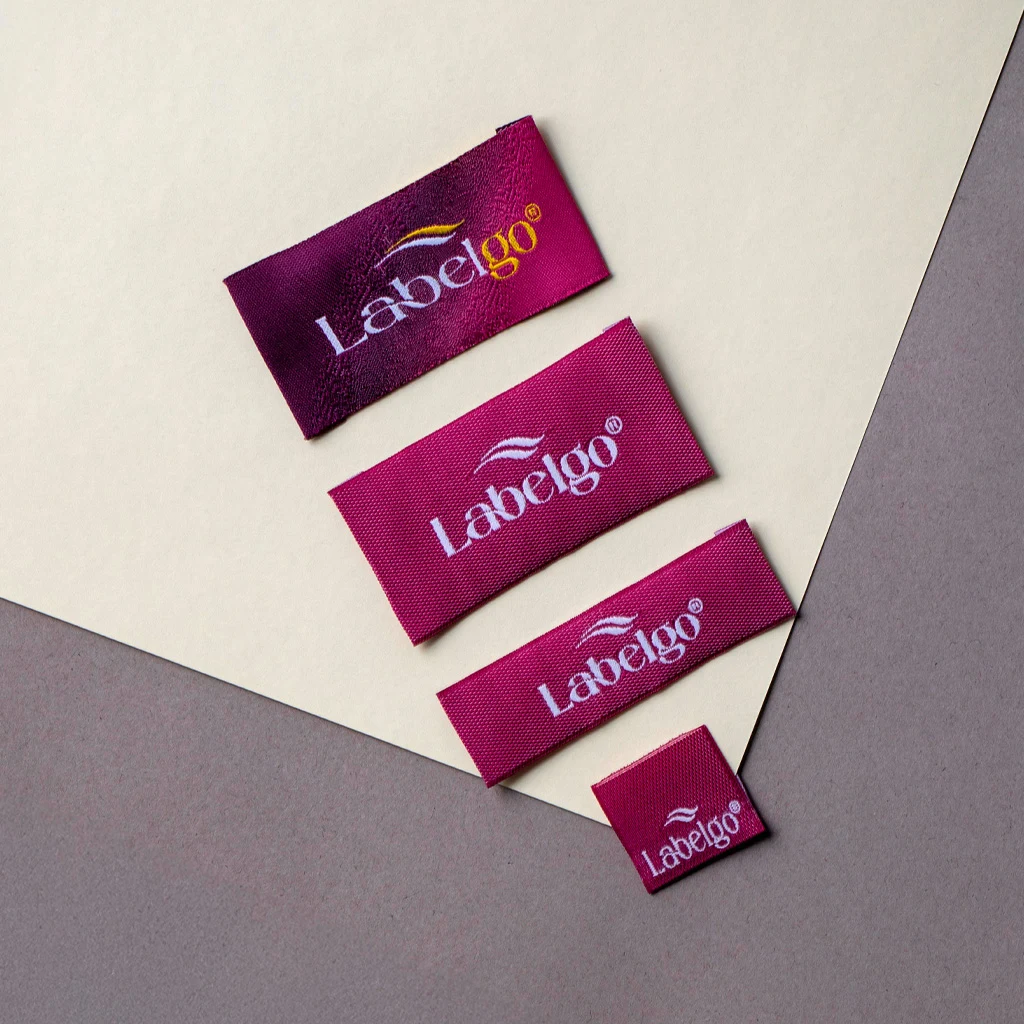
Material selection for custom clothing tags is a meticulous process that can make or break the final product’s integrity. From durable cotton to eco-friendly alternatives, each choice reflects not only the brand’s ethos but also its commitment to sustainability. The right material ensures longevity and durability, making it an essential consideration in the design phase.
Upload your own logo or artwork, choose dimensions & materials, and review your live digital preview before ordering. (LabelGo label catalog).
Configure Your Label Online Now →Design and manufacturing techniques for custom clothing tags have evolved significantly with technological advancements. Modern digital printing methods allow for intricate designs and vibrant colours that were once impossible to achieve. This precision not only enhances the aesthetic appeal but also provides a competitive edge by allowing brands to stand out from the crowd.
The importance of quality control and assurance in custom clothing tags cannot be overstated. Every tag must meet stringent standards to ensure it withstands repeated washing and wear without losing its integrity or colour. This rigorous process is vital for maintaining brand reputation and customer trust, making it a cornerstone of bespoke fashion production.
Legal regulations and compliance are critical aspects that brands must navigate when producing custom clothing tags. From labelling laws to environmental standards, adhering to these guidelines ensures not only legal protection but also ethical responsibility. Brands that fail to comply risk damaging their reputation and facing significant penalties.
In the bespoke textile industry, every detail matters, and custom clothing tags are no exception. They serve as a bridge between the brand and its customers, conveying trust, quality, and authenticity. For those seeking to elevate their fashion labels with bespoke solutions, exploring options like Custom Clothing Labels can be a game-changer in establishing a strong brand identity.
The role of customisation extends beyond mere aesthetics; it is about creating a unique narrative that resonates with consumers. By investing in high-quality materials, innovative design techniques, and stringent quality control measures, brands can ensure their custom clothing tags not only meet but exceed customer expectations. This commitment to excellence is what sets apart the leaders in bespoke fashion.
Table of Contents
The Role of Customisation in Brand Identity
In the realm of fashion and textile manufacturing, custom clothing tags play a pivotal role in establishing and reinforcing brand identity. These small but significant details can elevate a product from ordinary to extraordinary, making them an essential component of any luxury or designer label.
Designing Unique Tag Concepts
The design of custom clothing tags is not merely about aesthetics; it’s about creating a lasting impression that resonates with the brand’s ethos and values. A well-designed tag can communicate quality, craftsmanship, and exclusivity. For instance, using high-quality materials and intricate designs can signal to consumers that they are investing in a premium product.
Moreover, incorporating unique elements such as embossed logos or customised typography can further differentiate the brand from competitors. The design process should be collaborative between the manufacturer and the client, ensuring that every detail aligns with the overall branding strategy. This level of personalisation is what sets luxury brands apart in a crowded market.
How is quality assured for custom labels orders?
LabelGo manufacturing includes sample proofing, colour matching, and wash-durability checks before final dispatch.
To achieve this harmony, manufacturers must work closely with design teams to ensure that tag designs are not only visually appealing but also consistent with broader corporate aesthetics. For example, if a brand is known for its minimalist style, the tags should reflect simplicity without sacrificing elegance. This alignment can be achieved through careful consideration of colour schemes, font choices, and overall design language.
Enhancing Customer Experience
The role of custom clothing tags extends beyond mere branding; they also play a significant part in enhancing customer experience. A well-designed tag can provide valuable information to the consumer, such as care instructions or product details, which can lead to increased satisfaction and loyalty.
In addition to practical benefits, custom clothing tags can serve as a point of emotional connection with the brand. For instance, including a personal message or signature from the designer can create a sense of exclusivity and craftsmanship that resonates deeply with consumers. This level of attention to detail is what makes luxury brands memorable.
Furthermore, the production standards for custom clothing tags are critical in ensuring quality. Techniques such as “End Fold” tucks seam margins inward cleanly, making them ideal for hem tags on luxury tailoring and designer shirts. Such meticulous craftsmanship not only enhances the aesthetic appeal but also ensures durability and longevity of the product.
For those looking to explore further into customisation options, Custom Clothing Labels offer a comprehensive range of services tailored to meet specific brand requirements. This ensures that every tag not only meets but exceeds the expectations set by luxury and designer brands.
In conclusion, custom clothing tags are more than just accessories; they are powerful tools for building and reinforcing brand identity. By focusing on unique design concepts, seamless integration with corporate aesthetics, and enhancing customer experience, these small yet significant elements can make a big impact in the competitive world of fashion and textiles.
Material Selection and Processing
Substrate selection for Custom Clothing Tags establishes hand feel, softness, and skin-contact comfort. Premium high-density yarns and OEKO-TEX certified threads eliminate skin prickle across delicate fabrics.
Tested tensile strength ensures base ribbons withstand tension and seam stresses throughout rigorous wear and laundering cycles.
Choosing Appropriate Fabrics
The selection of appropriate fabrics for custom clothing tags is a critical aspect of ensuring both functionality and durability. The fabric must be chosen based on the intended use, environmental conditions it will face, and the desired aesthetic. For instance, if the tag is to be used in outdoor apparel or sportswear, materials such as polyester or nylon are preferred due to their resistance to moisture and wear. In contrast, for luxury garments where a softer touch is required, cotton or silk may be more suitable.
The following table compares material, print or weave quality, use case, and production process for UK textile label manufacturing.
| Criterion | Best use | Check question | Quality expectation |
|---|---|---|---|
| Custom Clothing Tags | Brand, apparel, and accessory products. | Which information must appear on the product? | Clear, readable, and brand-consistent. |
| Woven label | Premium clothing, outerwear, and accessories. | Are thread detail and wash resistance strong? | Dense weave, clean edge, long life. |
| Printed label | Colour logos, care data, and fast production. | Are colours accurate and readable? | Sharp print, flexible base, stable colour. |
| Care / size label | Washing instructions, size, origin information. | Are symbols and languages clear? | High readability in a small space. |
| Hang tag / patch label | Retail display, collections, brand story. | Does material improve product perception? | Durable stock, clean cut, quality workmanship. |
LabelGo adheres to the “We advise / You approve” operational principle, providing proactive textile engineering recommendations. This ensures that each custom clothing tag not only meets but exceeds customer expectations in terms of quality and performance. The choice of fabric also impacts the overall look and feel of the garment; for example, a matte finish might be preferred over a glossy one depending on the brand’s aesthetic goals.
Sustainability Considerations in Tag Production
The fashion industry is increasingly under scrutiny regarding its environmental impact, prompting manufacturers to adopt more sustainable practices. In the context of custom clothing tags, this means considering materials that are not only durable but also eco-friendly. Biodegradable and recycled fabrics have become popular choices for those looking to reduce their ecological footprint.
For instance, using organic cotton or recycled polyester can significantly lower the environmental impact compared to conventional textiles. Additionally, processes like waterless dyeing and energy-efficient manufacturing contribute to a greener production cycle. By choosing sustainable materials, brands can align themselves with consumer values that prioritise environmental responsibility without compromising on quality.
Innovative Materials
The textile industry is constantly evolving, with new materials emerging that offer unique properties for custom clothing tags. One such innovation is the use of smart textiles, which incorporate technology into the fabric itself. These can include RFID chips or NFC tags embedded within the material to provide additional functionality like product tracking or digital content access.
Another area of innovation lies in the development of antimicrobial and UV-resistant fabrics. Such materials are particularly useful for outdoor clothing where protection against harmful bacteria and sun damage is paramount. For those interested in exploring these advanced options, Custom Labels Clothing offers a range of cutting-edge solutions tailored to meet specific needs.
Design and Manufacturing Techniques
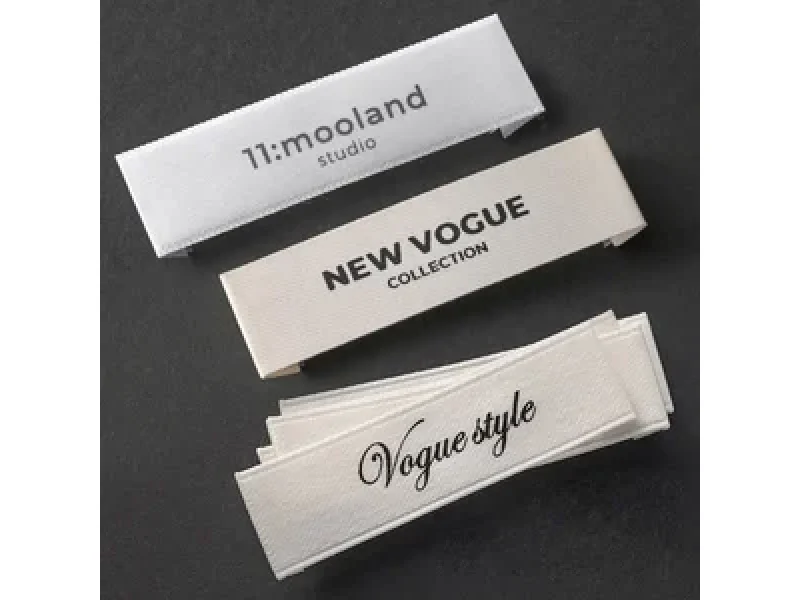
Pre-production digital PDF proofing allows design teams to verify line weights and fold allowances before volume looms are commissioned.
Cutting-Edge Design Software
The design process for custom clothing tags is now more sophisticated than ever, thanks to the advent of cutting-edge software solutions. These tools allow designers to create intricate patterns and designs with precision and flexibility. With features such as instant digital preview and simulation capabilities, designers can visualise how a tag will look on various garments before it goes into production. This not only enhances creativity but also ensures that the final product meets the client’s expectations.
One of the key benefits of these advanced design software packages is their ability to integrate seamlessly with manufacturing processes. For instance, digital files created in design software can be directly transferred to printing and cutting machines, reducing the risk of errors and improving efficiency. This streamlined workflow is crucial for maintaining high standards in the production of custom clothing tags.
Precision in Tag Production
The precision with which custom clothing tags are produced is a testament to advancements in manufacturing technology. High-speed looms and printing equipment ensure rapid factory turnaround within 3 to 5 business days, while maintaining the highest quality standards. This efficiency is particularly beneficial for brands that require quick production cycles without compromising on detail or durability.
Modern manufacturing techniques also allow for precise control over material thickness, colour accuracy, and texture. For example, digital printing technology can achieve vibrant colours with minimal fading, ensuring that tags remain visually appealing throughout the life of a garment. Additionally, laser cutting machines provide clean edges and intricate designs without the risk of fraying or damage to delicate materials.
Customisation Capabilities
The customisation capabilities offered by modern manufacturing techniques are vast and varied. Brands can choose from an array of substrates, including cotton, polyester, and even eco-friendly options like recycled fabrics. This flexibility allows for tags that not only complement the aesthetic of a garment but also align with broader sustainability goals.
Moreover, custom clothing tags can be personalised to include unique identifiers such as QR codes or RFID chips. These features enable brands to track inventory more effectively and provide consumers with additional information about their purchases. For instance, scanning a QR code on a tag could direct customers to a Custom Labels For Clothing Brands page where they can learn more about the garment’s origin and care instructions.
The integration of these technologies not only enhances the functionality of custom clothing tags but also adds a layer of sophistication to the overall brand image. As consumer demand for personalised and sustainable products continues to grow, brands that leverage advanced design and manufacturing techniques will be well-positioned to meet these expectations effectively.
Stringent QC Processes
In the realm of custom clothing tags, stringent quality control (QC) processes are paramount to ensure that every tag meets the highest standards of durability and aesthetic appeal. The Tag Studio tool, for instance, enables precise customisation of luxury paperboard hang tags with cord, eyelet, and laminate options. This level of precision is critical in maintaining brand integrity and customer satisfaction. Each custom clothing tag undergoes rigorous inspection at various stages of production to ensure that the materials used are of superior quality and that the design specifications are adhered to meticulously.
QC processes often involve a series of checks, from initial material sourcing to final product packaging. This includes verifying the accuracy of print colours, ensuring proper alignment and registration, and confirming that all components such as cords and eyelets are securely attached. The goal is to eliminate any potential defects or inconsistencies that could compromise the tag’s functionality and appearance.
Testing Standards for Durability
Durability testing is a crucial component of quality assurance in custom clothing tags. These tests simulate real-world conditions to assess how well the tags withstand everyday use, including exposure to sunlight, water, and abrasion. The International Organization for Standardization (ISO) provides guidelines that many manufacturers adhere to when conducting these tests.
For example, ISO 105-F08 specifies methods for assessing lightfastness, ensuring that colours do not fade over time. Similarly, ISO 105-E04 outlines procedures for evaluating wash fastness, which is particularly important for tags on garments that will be washed regularly. By adhering to these standards, manufacturers can guarantee that custom clothing tags maintain their quality and appearance throughout the lifecycle of the garment.
Certification Requirements
The certification requirements for custom clothing tags are designed to ensure compliance with industry standards and regulatory norms. Certifications such as ISO 9001:2015, which focuses on quality management systems, can provide assurance that a manufacturer has robust processes in place to consistently deliver high-quality products.
Furthermore, certifications like the FSC (Forest Stewardship Council) or PEFC (Programme for the Endorsement of Forest Certification) are particularly relevant when using sustainable materials. These certifications not only ensure environmental responsibility but also appeal to eco-conscious consumers. By obtaining such certifications, manufacturers can enhance their credibility and attract a broader customer base.
For businesses looking to explore custom clothing tags in London, it is essential to partner with reputable suppliers who adhere to these stringent quality control measures. One such supplier is London Custom Clothing Labels, which offers a range of high-quality custom clothing tags tailored to meet the specific needs of fashion brands.
Legal Regulations and Compliance
Strategic specification ensures that Custom Clothing Tags execution aligns precisely with garment specifications and retail positioning.
LabelGo pairs modern web configuration with dedicated manufacturing expertise for dependable turnaround and scalable wholesale volumes.
Understanding Labelling Legislation
In the UK, custom clothing tags must adhere to a comprehensive set of labelling regulations designed to protect consumers and ensure transparency in product information. The Textile Products (Labelling) Regulations 2014 are particularly pertinent for manufacturers and retailers dealing with custom-made garments. These regulations mandate that all textile products sold in the UK must be labelled with specific details, including fibre content, care instructions, and country of origin. Compliance is not merely a formality; it’s essential to avoid legal penalties and maintain consumer trust.
For instance, fibre content labelling requires manufacturers to specify the percentage of each fibre used in the garment. This information must be clear and legible on the tag or label attached to the product. Additionally, care instructions should provide accurate guidance on washing, drying, and ironing to ensure that consumers can maintain their custom clothing properly without damaging it.
Compliance with UK Standards
To navigate the regulatory landscape effectively, manufacturers of custom clothing tags must familiarise themselves with the British Standards Institution (BSI) guidelines. The BSI provides a framework for quality and safety standards that are widely recognised in the industry. Adherence to these standards not only ensures compliance but also enhances credibility among consumers who value products meeting rigorous benchmarks.
Under the 24-hour verification policy, proofs with no requested revisions are automatically approved to maintain swift dispatch. This streamlined process allows manufacturers to focus on quality control and adherence to regulatory requirements without unnecessary delays in production timelines. Ensuring that custom clothing tags meet these standards is crucial for maintaining a competitive edge while upholding legal obligations.
Navigating Regulatory Changes
The landscape of labelling regulations can be dynamic, with changes often driven by evolving consumer expectations and new legislative measures. Manufacturers must stay informed about any updates to the Textile Products (Labelling) Regulations or other relevant standards to ensure ongoing compliance. Regularly consulting industry bodies such as the BSI and engaging with legal experts who specialise in textile labelling can provide valuable insights into upcoming changes.
Moreover, manufacturers should invest in training their staff on these regulations to foster a culture of compliance within the organisation. This proactive approach not only mitigates risks associated with non-compliance but also positions businesses as leaders in ethical and transparent manufacturing practices. By staying ahead of regulatory trends and maintaining robust internal processes, companies can continue to deliver high-quality custom clothing tags that meet both legal requirements and consumer expectations.
Innovations in Custom Clothing Tags
The world of fashion is constantly evolving, and one area that has seen significant advancements is the realm of custom clothing tags. These small yet crucial elements are no longer just simple labels; they have become sophisticated tools for brand identity, customer engagement, and even product tracking. This section delves into the latest innovations in custom clothing tags, exploring technological advancements, smart tag solutions, and future trends.
Technological Advancements
The integration of advanced technology has transformed traditional clothing tags into multifunctional devices. Innovations such as RFID (Radio-Frequency Identification) and NFC (Near Field Communication) have enabled brands to embed digital information directly onto the tag itself. This not only enhances security but also allows for more interactive customer experiences, such as accessing product care instructions or viewing behind-the-scenes content via smartphones.
Moreover, advancements in printing technology have made it possible to produce custom clothing tags with high-resolution imagery and intricate designs. In-house high-speed loom and printing equipment ensure rapid factory turnaround within 3 to 5 business days, allowing brands to quickly adapt to market trends and customer demands without compromising on quality or aesthetics.
Smart Tag Solutions
The rise of smart tags has revolutionised the way consumers interact with clothing. These tags can be embedded with various technologies that provide real-time information about a garment’s origin, materials, and care instructions. For instance, QR codes printed on custom clothing tags allow customers to scan and access detailed product information directly from their smartphones.
Additionally, some smart tags are equipped with sensors that monitor the condition of the garment, such as moisture levels or temperature changes. This data can be used to provide personalised recommendations for care and maintenance, thereby extending the lifespan of the clothing item and promoting sustainable fashion practices.
Future Trends
The future of custom clothing tags is likely to see even more integration with emerging technologies like blockchain and augmented reality (AR). Blockchain technology could offer unprecedented transparency in supply chains by allowing consumers to trace the journey of their garments from raw materials to finished products. This level of transparency can help build trust between brands and customers, especially as sustainability becomes a key concern for many consumers.
Augmented reality is another area that holds great promise. Custom clothing tags could be designed with AR features that allow users to virtually try on clothes or see how different colours or patterns would look on them before making a purchase. This not only enhances the shopping experience but also reduces return rates by providing more accurate product information.
As technology continues to advance, custom clothing tags will undoubtedly play an increasingly important role in the fashion industry. They are no longer just labels; they are dynamic tools that can enhance brand identity, improve customer satisfaction, and drive sustainability efforts within the sect.
Selecting the right Custom Clothing Tags involves evaluating fabric composition, wash frequency, skin-contact softness, and overall brand positioning. High-density labels provide a premium look for primary brand logos. Confirming fold style and seam margins prior to production ensures flawless bulk manufacturing.
For comprehensive technical insights on textile fibre structures, OEKO-TEX Standard 100 safety, and international labelling compliance, you can review Wikipedia Textile Labelling Standards and Industry Search on Google UK.
6 Golden Rules & Quality Benchmarks for Custom Clothing Tags
When selecting and manufacturing Custom Clothing Tags, these 6 essential quality standards, material choices, edge sealing techniques, and compliance rules dictate long-term durability and brand value:
1. Substrate Material Selection for Garment Labels
High-density Damask weave provides superior graphic detail and ultra-soft feel for Custom Clothing Tags. Selecting 100-denier micro-polyester yarn guarantees crisp lettering and smooth logo reproduction across all garment tags.
2. Ultrasonic Heat-Sealed Edges (Zero Fraying)
Ultrasonic smooth heat-sealed edges prevent neck irritation and skin scratchiness completely. Thermal edge fusion micro-seals loose warp threads without hard corners.
3. Label Folding Options: centre Fold, End Fold, and Loop
According to British textile industry best practices, selecting the correct fold style depends on seam placement, garment construction, and brand aesthetic. Centre Fold is ideal for necklines and side seams with dual-sided logo visibility.
4. Colourfastness and 60°C Industrial Wash Durability
As an essential technical consideration, iSO 105 colourfast polyester yarns withstand 60°C industrial wash cycles without colour bleeding or fading. Solution-dyed yarns retain vibrant colour saturation.
5. Pantone Matching Standards for Crisp Graphic Production
From an industrial manufacturing perspective, vector files (.AI or.PDF) with minimum 0.15mm line thickness guarantee razor-sharp weaving detail on Jacquard looms. Fonts under 3pt should be enlarged to maintain legibility.
6. OEKO-TEX Standard 100 Certification & Safety
OEKO-TEX Standard 100 Class 1 certified yarns guarantee zero harmful substances for infant and children apparel. European fashion buyers consider this a mandatory standard.
Conclusion
The world of custom clothing tags is evolving at an unprecedented pace, driven by a blend of sustainability and technological innovation. As we move towards a more eco-conscious future, the integration of sustainable materials in textile labelling not only aligns with consumer values but also positions brands as leaders in ethical fashion. The advent of smart RFID technology further enhances this narrative, offering unparalleled traceability and personalisation that can elevate brand loyalty to new heights.
Looking ahead, custom clothing tags will play a pivotal role in shaping the future of the textile industry. They are no longer mere accessories but essential components of a brand’s identity and commitment to quality. As we embrace these advancements, it is imperative for designers and manufacturers to stay at the forefront of innovation while maintaining a steadfast dedication to craftsmanship and longevity. By doing so, they can ensure that their brands not only endure but thrive in an ever-changing market.
🔗 Related LabelGo Garment Branding Resources
Explore these related product guides and manufacturing pages to plan a cohesive apparel branding package:
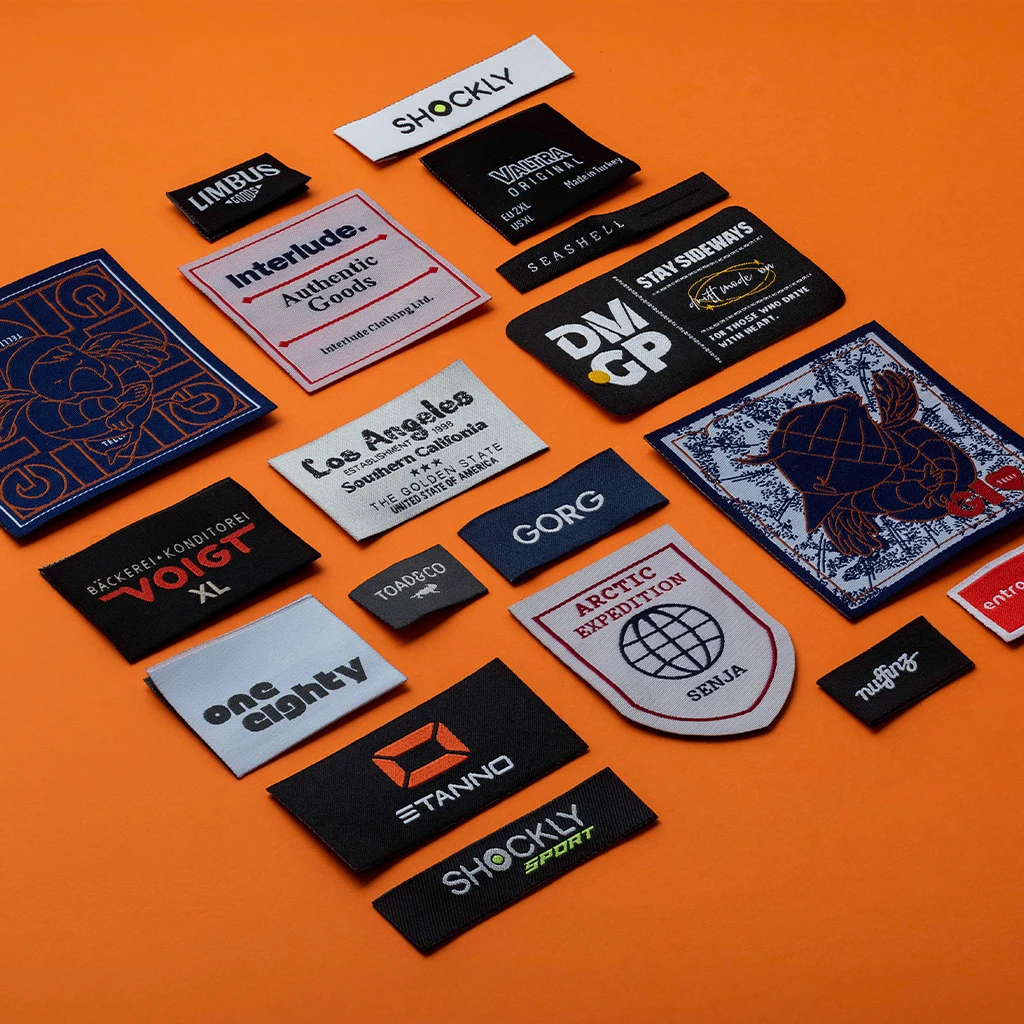
LabelGo Overview: Certified Skin-Safe Materials & Flexible Minimum Orders
Fusing traditional Jacquard craftsmanship with modern digital convenience, LabelGo brings over 3 decades of textile manufacturing excellence directly to your design studio. Our intuitive online configurator allows apparel creators to customize dimensions, fold styles, and Pantone TCX thread codes with ease. Whether producing Custom Clothing Tags or full garment trim packages, high-speed automated weaving looms and precision thermal transfer lines reproduce micro-fine lettering and complex vector graphics with razor-sharp fidelity.
Hypoallergenic and environmentally responsible, our raw fibers undergo comprehensive toxicological screening to meet international safety and environmental directives. Ultra-smooth ultrasonic heat cutting seals every edge without abrasive burrs, ensuring optimal drape and next-to-skin comfort. Backed by accessible 250-piece low MOQ tiers, fashion founders enjoy global 5–7 business day expedited shipping and responsive guidance from seasoned label specialists.