
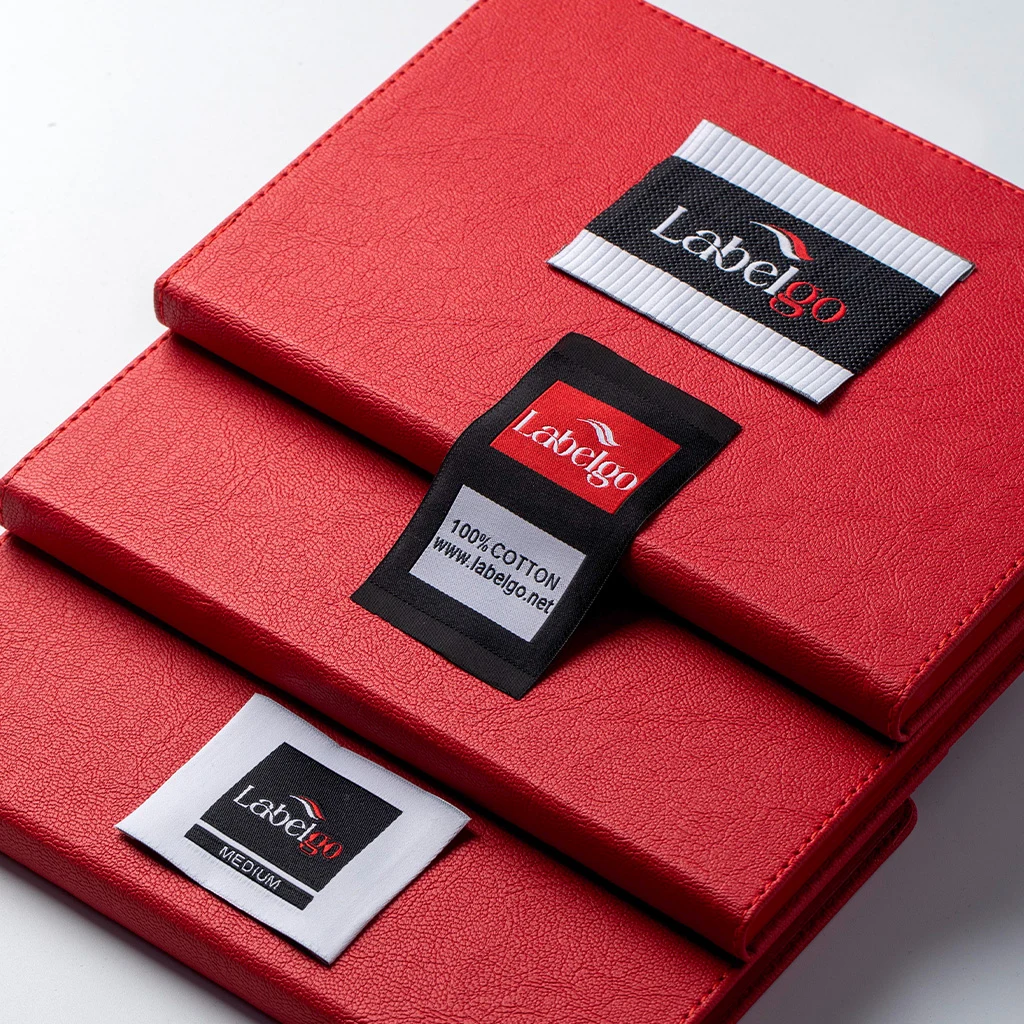
Understanding the regulatory standards for Clothing Labels for Small Businesses manufacturing is paramount, especially in the UK where stringent guidelines must be adhered to. From fibre content declarations to care instructions, every detail on a clothing label must comply with legal requirements. This ensures transparency and accountability, which are essential for building customer loyalty and maintaining ethical business practices.
Upload your own logo or artwork, choose dimensions & materials, and review your live digital preview before ordering. (LabelGo label catalog).
Configure Your Label Online Now →The choice of materials used in clothing labels is another crucial aspect that small businesses cannot afford to overlook. Whether opting for woven or printed labels, the durability and quality of these materials directly impact the longevity and appearance of the final product. Quality control measures must be stringent to ensure that labels remain intact and legible throughout the lifecycle of a garment.
Design considerations are equally important in creating clothing labels that resonate with both brand identity and consumer expectations. Small businesses need to strike a balance between aesthetic appeal and functional utility, ensuring that their labels stand out while also providing necessary information clearly and concisely. A well-designed label can enhance the overall branding experience and elevate the perceived value of a product.
Cost-effective production strategies are vital for small businesses aiming to maintain competitive pricing without compromising on quality. Leveraging economies of scale through bulk ordering or adopting innovative digital printing technologies can significantly reduce costs while maintaining high standards. This approach allows smaller enterprises to compete effectively with larger brands in the market.
Digital innovations have revolutionised label technology, offering new possibilities for small businesses to enhance their product offerings. From QR codes that provide additional information about a garment’s origin and sustainability credentials to smart labels that can track inventory and monitor supply chain logistics, these advancements open up exciting avenues for growth and differentiation in the market.
Ultimately, clothing labels for small businesses are more than just tags; they represent an opportunity to communicate brand values, comply with regulations, and engage consumers on a deeper level. By mastering the nuances of material selection, design, production, and innovation, these enterprises can create labels that not only meet but exceed industry standards. For further insights into how clothing labels can elevate your fashion brand, explore our comprehensive guide at Clothing Labels For Fashion Brands.
Table of Contents
Understanding Regulatory Standards in Label Production
Navigating the complex landscape of regulatory standards is crucial for any small business involved in clothing label production. The myriad of rules and regulations can be daunting, but understanding them is essential to ensure compliance and avoid costly penalties.Compliance with British Labelling Legislation
The UK has stringent labelling laws that cover a wide range of requirements, from fibre content and care instructions to sizing information. Under the Clothing Textiles and Non-Textile Fibres (Amendment) Regulations 2016, all clothing labels must include specific details such as the composition of fibres, washing instructions, and country of origin. Failure to adhere to these regulations can result in hefty fines and legal action. Tailored dimensioning and exact border finishes make Clothing Labels for Small Businesses seamlessly compatible with varied apparel fabric weights.
For small businesses, it’s essential to stay updated with any changes to legislation. The Clothing Labels For Fashion Brands page offers comprehensive guidance on the latest requirements and best practices for compliance. With sustainable and recycled yarn options, eco-friendly Clothing Labels for Small Businesses reflects your brand’s commitment to responsible fashion.
Navigating EU and UK Textile Regulations
The transition from EU to UK regulations has introduced additional complexities. While some aspects of labelling remain consistent, others have evolved post-Brexit. For instance, the Textiles Labelling Regulations 2018 in the UK now governs textile products sold within the country, ensuring that labels are clear and accurate.
The interactive online Label Configurator allows fashion brands to upload bespoke artwork and review real-time digital previews, making it easier for small businesses to ensure their labels meet both British and EU standards. This tool is particularly useful in maintaining consistency across different markets. Textile creators recognise that high-definition Clothing Labels for Small Businesses serves as the enduring signature of authentic garment craft.
Best Practices for Legal Compliance
To navigate the regulatory landscape effectively, small businesses should adopt a proactive approach to compliance. Regular training sessions on labelling laws can help employees understand the importance of accurate information and avoid common pitfalls.
Moreover, maintaining detailed records of all label designs and their corresponding regulations is crucial. This documentation not only aids in audits but also serves as evidence of due diligence if any issues arise. By staying informed and implementing robust internal controls, small businesses can ensure they are meeting the necessary standards for clothing labels without compromising on quality or creativity. Ergonomic positioning of Clothing Labels for Small Businesses inside collars or exterior cuffs communicates thoughtful attention to tailoring detail.
Material Selection and Quality Control
Substrate selection for Clothing Labels For Small Businesses establishes hand feel, softness, and skin-contact comfort. Premium high-density yarns and OEKO-TEX certified threads eliminate skin prickle across delicate fabrics.
Tested tensile strength ensures base ribbons withstand tension and seam stresses throughout rigorous wear and laundering cycles.
Choosing Durable Label Materials
When selecting materials for clothing labels, durability is paramount, especially for small businesses that aim to build a reputation based on quality. Labels must withstand the rigours of frequent washing without losing their integrity or fading. Common choices include polyester and nylon, which are both robust and resistant to wear and tear. However, it’s crucial to consider the specific needs of your brand and customer base All these options are evaluated together to ensure the best production outcome. By combining low minimum order flexibility with industrial scale, sourcing Clothing Labels for Small Businesses stays cost-effective for new collections.
The following table compares material, print or weave quality, use case, and production process for UK textile Clothing Labels for Small Businesses manufacturing.
| Criterion | Best use | Check question | Quality expectation |
|---|---|---|---|
| Clothing Labels for Small Businesses | Brand, apparel, and accessory products. | Which information must appear on the product? | Clear, readable, and brand-consistent. |
| Woven label | Premium clothing, outerwear, and accessories. | Are thread detail and wash resistance strong? | Dense weave, clean edge, long life. |
| Printed label | Colour logos, care data, and fast production. | Are colours accurate and readable? | Sharp print, flexible base, stable colour. |
| Care / size label | Washing instructions, size, origin information. | Are symbols and languages clear? | High readability in a small space. |
| Hang tag / patch label | Retail display, collections, brand story. | Does material improve product perception? | Durable stock, clean cut, quality workmanship. |
The choice of material also affects the overall aesthetic and feel of the label. Polyester labels tend to have a smoother texture and are less prone to wrinkling compared to natural fibres. On the other hand, natural fibre labels offer a more organic look and feel that some consumers prefer. It’s important to strike a balance between durability and aesthetics when making your selection.
Ensuring Consistency in Fabric Labels
To maintain consistency across all fabric labels produced for small businesses, stringent quality control measures must be implemented from the outset. This begins with selecting reliable suppliers who can deliver consistent raw materials. Once the materials are sourced, they should undergo rigorous testing to ensure uniformity in colour, texture, and thickness. Any discrepancies at this stage could lead to inconsistencies later on. Direct-to-factory production of bespoke Clothing Labels for Small Businesses enables independent designers to maintain stringent quality control.
Another critical aspect of ensuring consistency is standardising the manufacturing process. This involves setting up detailed production guidelines that all team members must follow meticulously. From cutting to sewing and printing, each step should be documented and monitored closely. A comprehensive Pre-Production PDF proof detailing dimensions, thread shades, and seam allowances is submitted for client sign-off before mass production begins.
Quality Assurance Processes
The quality assurance (QA) process in clothing labels for small businesses is a multifaceted approach that involves several stages. Firstly, incoming materials are inspected to ensure they meet the required specifications. This includes checking for any defects or inconsistencies that could affect the final product’s quality.
During production, regular checks are conducted at various points to catch and correct any issues before they escalate into larger problems. These checks include visual inspections, measuring dimensions against set standards, and testing durability through simulated wear-and-tear scenarios. Post-production, a final QA step is taken where labels are randomly selected for comprehensive testing to ensure they meet the brand’s quality benchmarks. Selecting premium yarns for your Clothing Labels for Small Businesses preserves true colour vibrancy through extended laundering and heavy use.
By adhering to these rigorous processes, small businesses can guarantee that their clothing labels not only look great but also stand up to repeated use and washing, thereby enhancing customer satisfaction and loyalty. This level of attention to detail is crucial in building a strong reputation within the competitive fashion industry.
Design Considerations for Small Businesses
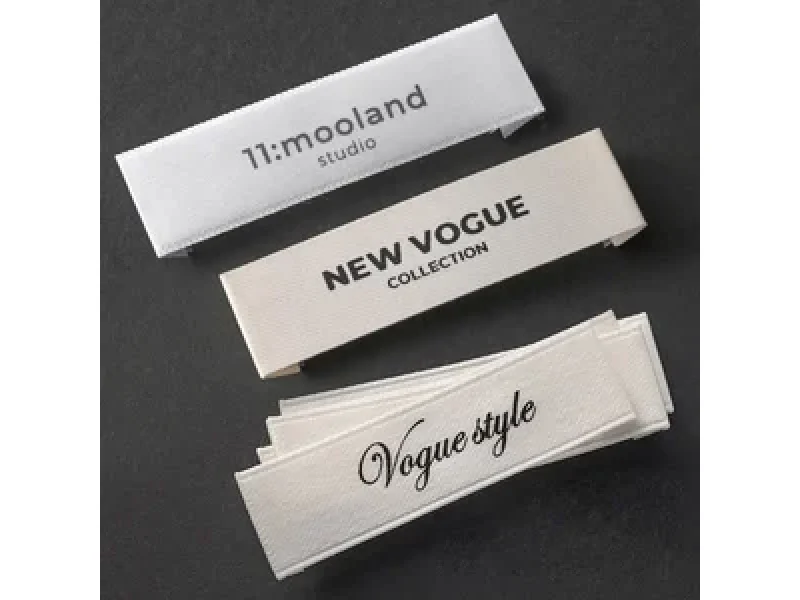
Pre-production digital PDF proofing allows design teams to verify line weights and fold allowances before volume looms are commissioned.
Balancing Brand Identity with Functionality
In the competitive world of fashion, small businesses must strike a balance between maintaining their brand identity and ensuring that their clothing labels serve a practical purpose. For instance, while a label might feature intricate designs and bold colours to stand out on store racks, it also needs to convey essential information such as care instructions and sizing details. This dual responsibility can be challenging but is crucial for building customer trust and loyalty. Precision fold configurations ensure that every Clothing Labels for Small Businesses attaches neatly along garment necklines, hems, or side seams.
One effective way to achieve this balance is by using a Custom Clothing Labels service that allows businesses to tailor their labels precisely. The interactive online Label Configurator, for example, enables fashion brands to upload bespoke artwork and review real-time digital previews. This tool not only ensures that the final product aligns with the brand’s aesthetic but also streamlines the production process by allowing immediate adjustments. Aligning thread density and weave type allows your Clothing Labels for Small Businesses to showcase intricate typography and fine graphic elements.
Innovative Label Designs for Enhanced Customer Engagement
Small businesses can leverage innovative label designs to create a more engaging experience for their customers. By incorporating unique design elements such as QR codes, holographic effects, or even embedded NFC chips, brands can provide additional value and interactivity. For instance, a QR code on a clothing label could direct consumers to an exclusive online content hub where they can access styling tips, behind-the-scenes footage of the production process, or special promotions.
Such innovative features not only enhance customer engagement but also serve as powerful marketing tools that can help build brand loyalty. By offering more than just functional information, these Clothing Labels for Small Businesses options transform into interactive experiences that keep customers coming back for more. Moreover, they provide a tangible way to differentiate from competitors and establish a unique market presence.
Sustainability in Label Design
As sustainability becomes an increasingly important consideration for consumers, small businesses must integrate eco-friendly practices into their clothing label designs. This can be achieved through the use of biodegradable materials such as organic cotton or recycled polyester, which reduce environmental impact without compromising on quality. Compliant with international textile safety standards, skin-safe Clothing Labels for Small Businesses guarantees optimal wearer comfort from day one.
In addition to material choices, sustainable design also involves minimising waste and ensuring that production processes are energy-efficient. Small businesses should consider working with suppliers who adhere to strict sustainability standards and offer transparent reporting on their environmental footprint. By doing so, they not only contribute to a greener planet but also appeal to the growing number of consumers who prioritise ethical consumption.
Digital Innovations in Label Technology
In the ever-evolving landscape of fashion and textiles, small businesses are increasingly leveraging digital innovations to stay competitive and enhance their offerings. Clothing labels for small businesses have become a critical component in this transformation, integrating advanced technologies that not only streamline operations but also provide unique selling points.
RFID Tags and Smart Labels
Radio-Frequency Identification (RFID) tags represent one of the most significant advancements in label technology. These smart labels enable real-time tracking and inventory management, offering unparalleled accuracy and efficiency for small businesses. By embedding RFID chips into clothing labels, retailers can quickly locate items within their stores or warehouses, reducing labour costs associated with manual stock-taking. For growing streetwear labels and established houses alike, certified Clothing Labels for Small Businesses represents a refined hallmark of quality.
The integration of RFID tags also enhances the customer experience by allowing for seamless transactions through contactless payments and returns. This technology not only boosts operational efficiencies but also provides a more personalised shopping experience. For instance, RFID-enabled labels can trigger digital content on mobile devices, offering customers additional information about the product or even exclusive promotions. During apparel development, specifying your Clothing Labels for Small Businesses with ultra-soft edge sealing ensures irritation-free everyday wear.
Integration of Digital Elements in Traditional Labels
The convergence of traditional label design with digital elements is another exciting development for small businesses. This integration allows for a more interactive and engaging experience for consumers. For example, incorporating QR codes into clothing labels enables customers to access detailed product information, care instructions, or even the story behind the garment’s creation.
Moreover, this technology can be used to authenticate products, which is particularly valuable in combating counterfeit goods. By scanning a QR code on the label, consumers can verify the authenticity of the item and trace its journey from production to retail. This not only builds trust but also enhances brand loyalty among customers who value transparency and ethical sourcing. When produced to strict textile standards, high-grade Clothing Labels for Small Businesses withstands repeated industrial laundering cycles without distortion.
Future Trends in Label Technology
The future of clothing labels for small businesses is likely to be shaped by continued advancements in digital technology, particularly in the realm of smart textiles and wearable tech. Innovations such as e-textiles, which integrate electronic components into fabrics, could revolutionise how we interact with our clothes.
One potential trend is the development of interactive labels that can change their appearance based on environmental factors or user input. Imagine a label that changes colour when exposed to sunlight or displays custom messages upon activation by an app. Such innovations not only enhance aesthetic appeal but also provide practical benefits, such as indicating washing instructions through visual cues.
Independent designers and boutique apparel startups can access true bespoke manufacturing without excessive upfront capital, allowing them to explore these cutting-edge technologies and stay ahead of the curve in a competitive market. As digital innovations continue to evolve, clothing labels will undoubtedly play an increasingly vital role in shaping the future of fashion and textiles for small businesses. In modern garment manufacturing, choosing the right Clothing Labels for Small Businesses directly reinforces overall brand perception.
Selecting the right Clothing Labels For Small Businesses involves evaluating fabric composition, wash frequency, skin-contact softness, and overall brand positioning. High-density labels provide a premium look for primary brand logos. Confirming fold style and seam margins prior to production ensures flawless bulk manufacturing.
For comprehensive technical insights on textile fibre structures, OEKO-TEX Standard 100 safety, and international labelling compliance, you can review Wikipedia Textile Labelling Standards and Industry Search on Google UK.
Best Practices & Selection Criteria: 6 Tips for Clothing Labels For Small Businesses
When selecting and manufacturing Clothing Labels For Small Businesses, these 6 essential quality standards, material choices, edge sealing techniques, and compliance rules dictate long-term durability and brand value:
1. Substrate Material Selection for Garment Labels
High-density Damask weave provides superior graphic detail and ultra-soft feel for Clothing Labels For Small Businesses. Selecting 100-denier micro-polyester yarn guarantees crisp lettering and smooth logo reproduction across all garment tags.
2. Ultrasonic Heat-Sealed Edges (Zero Fraying)
As an essential technical consideration, ultrasonic smooth heat-sealed edges prevent neck irritation and skin scratchiness completely. Thermal edge fusion micro-seals loose warp threads without hard corners. Whether folded into necklines or topstitched onto denim pockets, customised Clothing Labels for Small Businesses unifies your product line.
3. Label Folding Options: centre Fold, End Fold, and Loop
During precision production and quality assurance, selecting the correct fold style depends on seam placement, garment construction, and brand aesthetic. Centre Fold is ideal for necklines and side seams with dual-sided logo visibility. Brand distinction often begins with subtle tactile touches like a softly woven, high-definition Clothing Labels for Small Businesses.
4. Colourfastness and 60°C Industrial Wash Durability
In high-end garment collection standards, iSO 105 colourfast polyester yarns withstand 60°C industrial wash cycles without colour bleeding or fading. Solution-dyed yarns retain vibrant colour saturation.
5. Pantone Matching Standards for Crisp Graphic Production
According to British textile industry best practices, vector files (.AI or.PDF) with minimum 0.15mm line thickness guarantee razor-sharp weaving detail on Jacquard looms. Fonts under 3pt should be enlarged to maintain legibility. Carefully planned graphic and typographic layouts embedded into Clothing Labels for Small Businesses designs streamline brand recognition and retail compliance.
6. OEKO-TEX Standard 100 Certification & Safety
As an essential technical consideration, oEKO-TEX Standard 100 Class 1 certified yarns guarantee zero harmful substances for infant and children apparel. European fashion buyers consider this a mandatory standard.
Embracing the Future of Clothing Labels for Small Businesses
In an era where sustainability and innovation are paramount, small businesses must leverage bespoke clothing labels to stand out. By integrating smart RFID technology, these Clothing Labels for Small Businesses options can not only enhance customer experience but also streamline inventory management. As we move forward, it’s crucial that small enterprises focus on eco-friendly materials and production processes to ensure their longevity in a market increasingly conscious of environmental impact.
The future of fashion lies in the hands of those who can blend tradition with technology seamlessly. For small businesses, this means investing in labels that are not just functional but also reflective of their brand ethos. By doing so, they can build a loyal customer base and establish themselves as leaders in sustainable practices. As we look ahead, let us embrace the potential of clothing labels to tell compelling stories and foster meaningful connections with consumers. Technical yarn selection ensures that fine serif letters in your Clothing Labels for Small Businesses remain crisp and completely legible.
🔗 Related LabelGo Garment Branding Resources
Explore these related product guides and manufacturing pages to plan a cohesive apparel branding package:
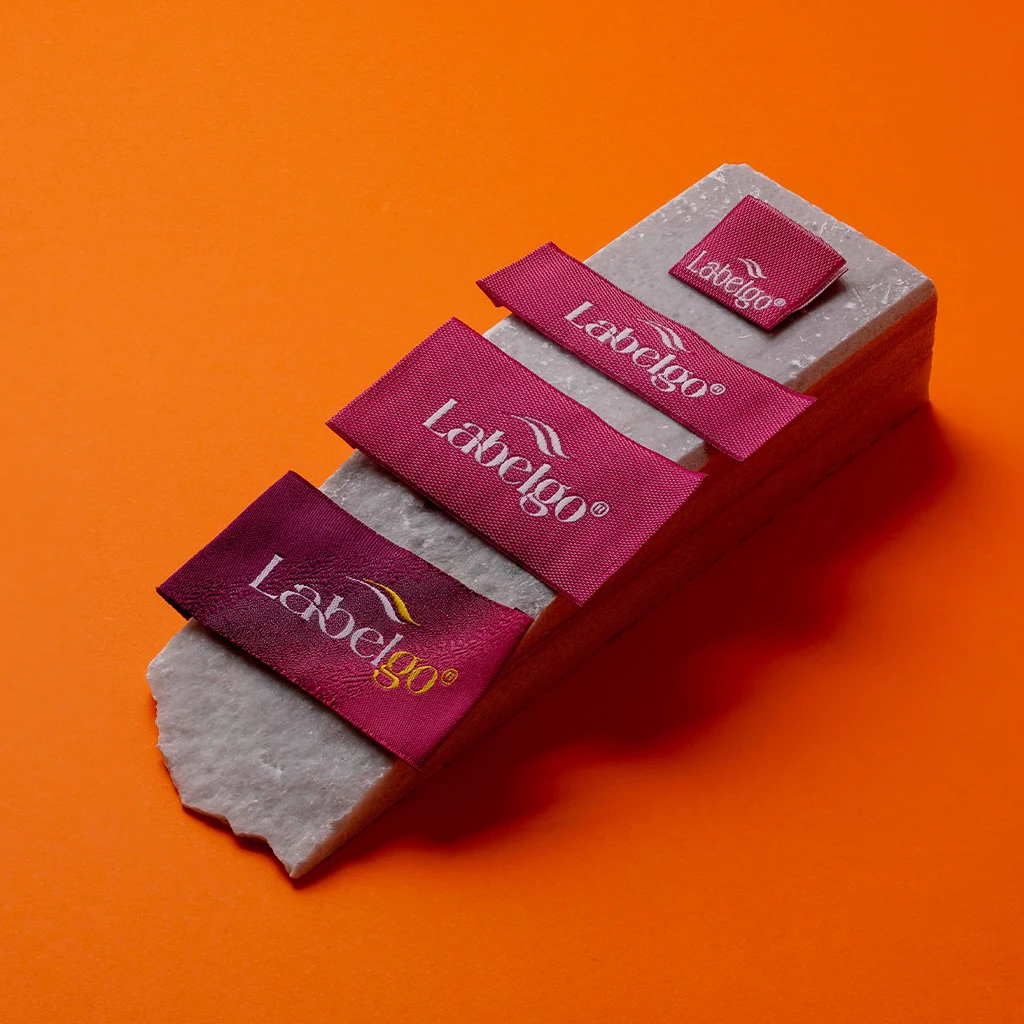
The LabelGo Standard: High-Density Weaving, HD Printing & Global Fulfillment
Fusing traditional Jacquard craftsmanship with modern digital convenience, LabelGo brings over 3 decades of textile manufacturing excellence directly to your design studio. Our intuitive online configurator allows apparel creators to customize dimensions, fold styles, and Pantone TCX thread codes with ease. Whether producing Clothing Labels For Small Businesses or full garment trim packages, high-speed automated weaving looms and precision thermal transfer lines reproduce micro-fine lettering and complex vector graphics with razor-sharp fidelity.
Hypoallergenic and environmentally responsible, our raw fibers undergo comprehensive toxicological screening to meet international safety and environmental directives. Ultra-smooth ultrasonic heat cutting seals every edge without abrasive burrs, ensuring optimal drape and next-to-skin comfort. Backed by accessible 250-piece low MOQ tiers, fashion founders enjoy global 5–7 business day expedited shipping and responsive guidance from seasoned label specialists.