
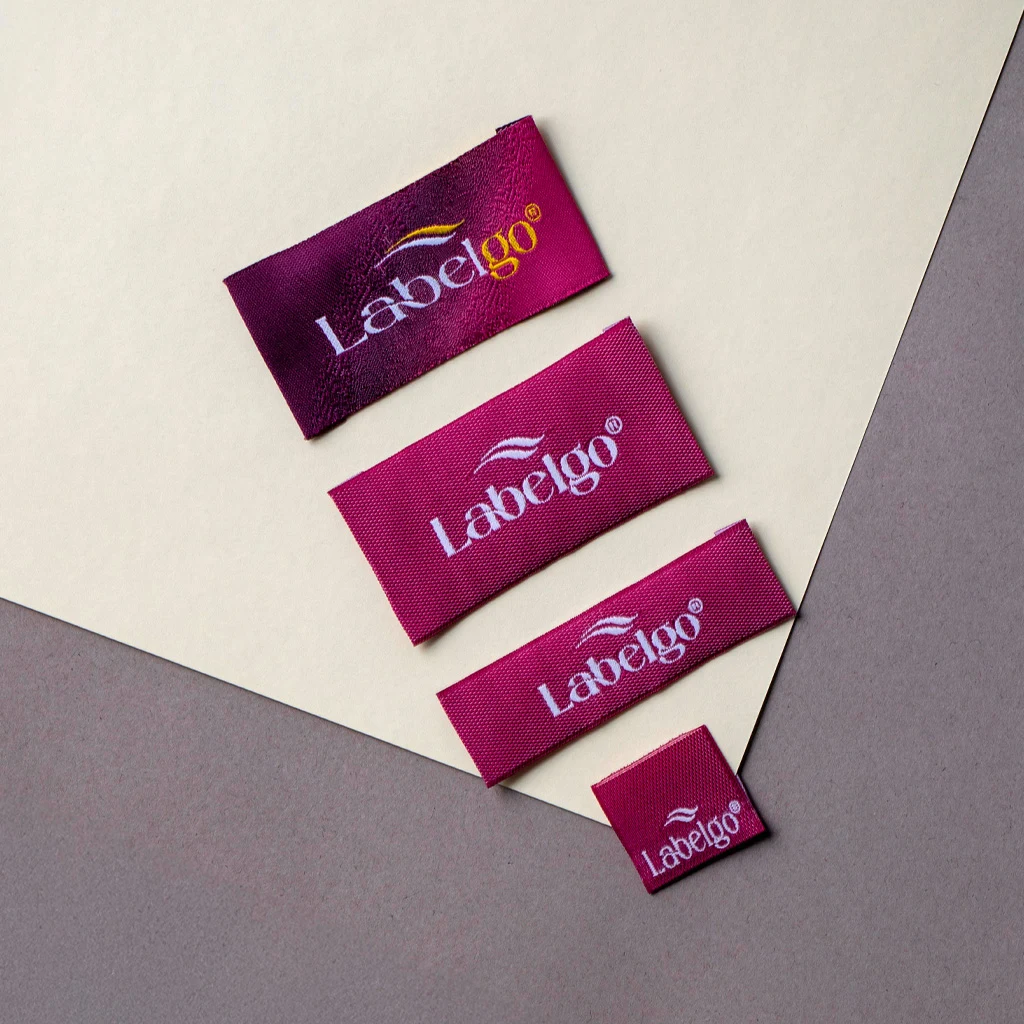
Designing custom clothing labels is an art form that requires a deep understanding of both aesthetics and functionality. The label must seamlessly integrate with the garment while also standing out as a symbol of excellence. This balance between subtlety and statement-making is what sets bespoke labels apart from mass-produced alternatives, making them indispensable for brands aiming to create a lasting impression in a crowded marketplace.
Upload your own logo or artwork, choose dimensions & materials, and review your live digital preview before ordering. (LabelGo label catalog).
Configure Your Label Online Now →The choice of material for custom clothing labels is no less important than their design. From traditional woven fabrics to innovative synthetic options, the substrate can significantly influence both durability and appearance. Each material has its unique properties that cater to different needs, whether it’s resisting wear and tear or maintaining vibrant colours over time. Selecting the right substrate ensures that the label not only looks good but also stands up to repeated use and washing.
The manufacturing journey of custom clothing labels is a testament to precision engineering and meticulous attention to detail. From initial design concepts through to final production, every step must be carefully managed to ensure consistency and quality. This process involves state-of-the-art printing techniques, die-cutting for precise shapes, and finishing touches that enhance the overall look and feel of the label. The result is a product that not only meets but often exceeds customer expectations.
Quality control is paramount in the production of custom clothing labels. Rigorous testing at various stages ensures that each batch adheres to strict standards of excellence. From checking for colour consistency and print quality to verifying durability, every aspect is scrutinised to guarantee that the final product is flawless. This commitment to excellence is what sets apart high-quality bespoke labels from their less refined counterparts.
Navigating legal regulations is another crucial consideration in the production of custom clothing labels. Compliance with UK labelling laws and international standards ensures that brands can operate without fear of legal repercussions while also maintaining consumer trust. Understanding these requirements is essential for any business looking to produce custom labels, as it safeguards both their reputation and market position.
For those seeking to elevate their brand identity through bespoke solutions, Custom Labels Clothing offers a comprehensive service that combines creativity with precision. By focusing on the unique needs of each client, they ensure that every label tells a story and stands as a mark of distinction in an increasingly competitive market.
Table of Contents
Designing Distinction: The Role of Custom Labels in Brand Identity
In the competitive world of fashion, every detail counts, and custom clothing labels are a prime example of how small elements can make a big impact on brand identity. These labels serve as silent ambassadors for your brand, communicating quality, craftsmanship, and exclusivity to consumers at first glance.
The Impact of Unique Label Designs on Consumer Perception
Unique label designs play a crucial role in shaping consumer perception. When customers see a well-designed custom clothing label, they often associate it with high-quality products and a premium brand experience. The design elements—such as typography, colour schemes, and materials used—can evoke feelings of luxury and trustworthiness.
For instance, a label that uses embossed text or metallic inks can instantly elevate the perceived value of an item. This is particularly important for fashion brands aiming to position themselves at the top end of the market. The Custom Labels Clothing service offers a range of options that can help achieve this effect, from intricate designs to subtle yet impactful touches.
Innovative Techniques for Creating Memorable Labels
To stand out in the crowded fashion market, brands must employ innovative techniques when designing custom clothing labels. One such technique is incorporating interactive elements like QR codes, which can direct consumers to additional information about a product or even exclusive content. This not only enhances engagement but also adds an element of novelty and interactivity that sets your brand apart.
The Tag Studio tool enables precise customisation of luxury paperboard hang tags with cord, eyelet, and laminate options, providing the flexibility needed for brands to create unique and memorable labels. By leveraging these tools, designers can experiment with different materials and finishes to ensure their custom clothing labels are not only visually striking but also durable and long-lasting.
Another innovative approach is using sustainable materials in label production. As consumers become increasingly environmentally conscious, eco-friendly options like recycled paper or biodegradable adhesives can enhance a brand’s reputation for corporate responsibility. This aligns with broader trends towards sustainability within the fashion industry, making custom labels an important part of a brand’s overall green strategy.
In conclusion, custom clothing labels are more than just pieces of fabric—they are powerful tools that can significantly influence consumer perception and contribute to building a strong brand identity. By focusing on unique designs and innovative techniques, brands can ensure their labels stand out in the marketplace and communicate the values they hold dear to their customers.
Material Mastery: Selecting the Right Substrate
Substrate selection for Custom Clothing Labels establishes hand feel, softness, and skin-contact comfort. Premium high-density yarns and OEKO-TEX certified threads eliminate skin prickle across delicate fabrics.
Tested tensile strength ensures base ribbons withstand tension and seam stresses throughout rigorous wear and laundering cycles.
Understanding Fibre Choices in Label Production
The choice of fibre for custom clothing labels is a critical decision that can significantly impact both the aesthetic and functional aspects of your brand’s apparel. Polyester, cotton, and rayon are among the most commonly used fibres due to their versatility and durability. For instance, polyester yarns offer excellent colour retention and resistance to wear and tear, making them ideal for high-quality custom clothing labels. Designs are rendered using physically dyed polyester yarns (2 to 8 distinct colours) matching precise Pantone standards.
The following table compares material, print or weave quality, use case, and production process for UK textile label manufacturing.
| Criterion | Best use | Check question | Quality expectation |
|---|---|---|---|
| Custom Clothing Labels | Brand, apparel, and accessory products. | Which information must appear on the product? | Clear, readable, and brand-consistent. |
| Woven label | Premium clothing, outerwear, and accessories. | Are thread detail and wash resistance strong? | Dense weave, clean edge, long life. |
| Printed label | Colour logos, care data, and fast production. | Are colours accurate and readable? | Sharp print, flexible base, stable colour. |
| Care / size label | Washing instructions, size, origin information. | Are symbols and languages clear? | High readability in a small space. |
| Hang tag / patch label | Retail display, collections, brand story. | Does material improve product perception? | Durable stock, clean cut, quality workmanship. |
Cotton fibres provide a natural look and feel that many consumers prefer, but they can be more prone to shrinking or fading over time. Rayon, on the other hand, offers a blend of cotton-like softness with improved durability, making it a popular choice for labels that require both comfort and longevity. When selecting your substrate, consider not only the aesthetic appeal but also how well the fibre will withstand frequent washing and wear.
Sustainability Considerations for Eco-Conscious Brands
As sustainability becomes an increasingly important consideration in fashion, eco-conscious brands are seeking out custom clothing labels that align with their values. One key aspect of sustainable label production is the choice of fibres. Organic cotton, recycled polyester, and Tencel (a form of rayon made from sustainably harvested wood pulp) are all excellent options for those looking to reduce their environmental impact.
Moreover, the manufacturing process itself can have a significant effect on sustainability. Opting for waterless dyeing techniques or using natural dyes can further minimise the ecological footprint of your custom clothing labels. Additionally, choosing suppliers who adhere to strict ethical and environmental standards is crucial in ensuring that every aspect of label production aligns with your brand’s commitment to sustainability.
For those looking to explore these options further, our Custom Labels For Clothing Brands page provides detailed insights into how we can help you create labels that not only enhance your brand’s image but also contribute positively to the environment.
Incorporating Advanced Substrate Technologies
The latest advancements in substrate technology have opened up new possibilities for custom clothing labels. Innovations such as laser-cutting and digital printing allow for intricate designs and precise detailing that were previously unattainable with traditional methods. These technologies enable the creation of unique, high-quality labels that can stand out on the market.
Moreover, the integration of RFID (Radio-Frequency Identification) chips into label substrates is becoming more prevalent. This technology allows for enhanced traceability and inventory management, providing brands with valuable data about their products’ journey from production to consumer. By incorporating these advanced technologies, custom clothing labels can offer both aesthetic appeal and practical benefits.
Ultimately, selecting the right substrate for your custom clothing labels involves a balance between aesthetics, functionality, sustainability, and technological innovation. By carefully considering each of these factors, you can ensure that your labels not only enhance your brand’s image but also contribute to its long-term success in an increasingly competitive market.
From Concept to Creation: Key Steps in Label Production
The journey from a mere concept to the creation of custom clothing labels is an intricate process that requires meticulous attention at every stage. Initially, designers and clients collaborate closely to conceptualise the label’s design, considering factors such as brand identity, material preferences, and desired functionality. Once the design phase is finalised, the focus shifts to selecting appropriate materials and production methods that align with both aesthetic and durability requirements.
The manufacturing process begins with digital printing or screen-printing techniques, depending on the complexity of the design and the volume required. Digital printing offers a high level of detail and flexibility for smaller runs, while screen-printing is often favoured for larger orders due to its efficiency and cost-effectiveness. After printing, labels undergo quality control checks to ensure that each piece meets stringent standards before being dispatched.
Advanced Techniques for High-Quality Output
To achieve the highest quality output in custom clothing labels, manufacturers employ a range of advanced techniques. One such method is heat transfer printing, which allows for vibrant colours and intricate designs on various fabric types. This technique involves transferring printed ink from a carrier film to the label material through heat and pressure, ensuring durability and longevity.
Another critical aspect of high-quality output is the use of eco-friendly materials and sustainable production methods. Many manufacturers now prioritise biodegradable or recyclable substrates for their labels, aligning with broader environmental goals within the fashion industry. Additionally, working directly with the factory eliminates middleman markups, ensuring competitive direct manufacturing pricing.
For those seeking bespoke solutions in London, London Custom Clothing Labels provides a comprehensive service that combines creativity with precision. From initial design consultations to final production and delivery, the process is streamlined for efficiency and quality.
The manufacturing journey of custom clothing labels is not just about producing a product; it’s about creating an extension of your brand identity that resonates with consumers. Each step—from concept development to advanced printing techniques—plays a crucial role in delivering a final piece that stands out on the market.
Critical Quality Assurance Practices in Label Production
In the realm of custom clothing labels, ensuring quality is paramount to maintaining a brand’s reputation and customer satisfaction. The process begins with rigorous material selection, where fabrics must meet specific standards for durability and aesthetic appeal. For instance, Mitre Fold creates inward diagonal corners forming an elegant hanging loop inside jackets and heavy coats, which not only enhances the look but also ensures longevity.
Another critical aspect is the precision of printing techniques. Modern digital printing technologies allow for high-resolution images with vibrant colours, but it’s essential to have a robust quality control system in place to check for any discrepancies or imperfections post-printing. This includes inspecting labels for consistent colour matching and ensuring that all text and graphics are accurately reproduced as per the client’s specifications.
Implementing Effective Inspection Protocols
The implementation of effective inspection protocols is crucial at every stage of production to maintain consistency and quality. From initial material sourcing to final product packaging, each step must be meticulously monitored. This involves setting up clear benchmarks for what constitutes a high-quality custom clothing label. For example, the thickness, texture, and adhesion properties of the labels should all meet specific criteria.
Regular audits by trained inspectors are also essential. These professionals ensure that every batch adheres to the established standards before it is shipped out. Additionally, incorporating customer feedback into quality control processes can provide valuable insights for continuous improvement. For more information on how these principles apply in practice, you might want to explore Hackney Custom Clothing Labels.
Quality assurance doesn’t end with production; it extends to the delivery phase as well. Ensuring that labels arrive in perfect condition at their destination is another critical checkpoint. This involves careful packaging and shipping methods designed to protect the integrity of each label.
Continuous Improvement Through Feedback Loops
To maintain excellence, a feedback loop must be established between production teams and customers. Regular surveys and direct communication channels can help identify any issues or areas for improvement promptly. This ongoing dialogue is essential not only for addressing current concerns but also for anticipating future trends in custom clothing labels.
Moreover, investing in the latest technology and training staff to use it effectively are key strategies for staying ahead of industry standards. By continuously updating processes and embracing new techniques, manufacturers can ensure that their custom clothing labels remain at the forefront of quality and innovation.
Sustainability Practices in Label Production
As sustainability becomes an increasingly important consideration in fashion, incorporating eco-friendly practices into label production is essential. This includes using biodegradable materials and reducing waste through efficient manufacturing processes. By adopting these sustainable methods, manufacturers can appeal to environmentally conscious consumers while also contributing positively to the planet.
In conclusion, ensuring excellence every time in custom clothing labels requires a comprehensive approach that encompasses rigorous quality assurance practices, effective inspection protocols, continuous improvement through feedback loops, and a commitment to sustainability. These elements combined create a robust framework for delivering high-quality products that meet both industry standards and customer expectations.
Navigating Legal Regulations: Compliance Requirements
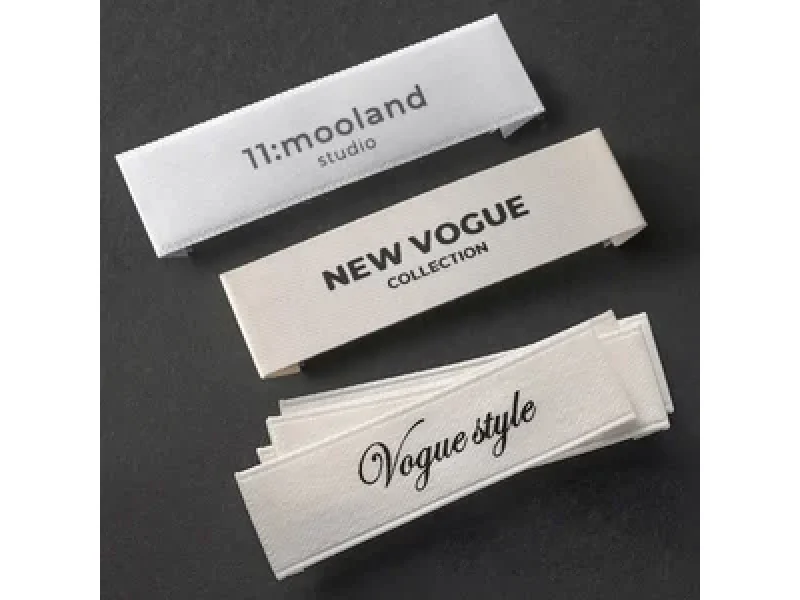
LabelGo pairs modern web configuration with dedicated manufacturing expertise for dependable turnaround and scalable wholesale volumes.
Understanding UK Labelling Legislation
The landscape of legal regulations for custom clothing labels in the United Kingdom is complex and multifaceted, requiring a thorough understanding to ensure compliance. The Textile Products (Labelling) Regulations 2014, enforced by Trading Standards, mandate that all textile products sold or offered for sale must be accompanied by certain information on their labels. This includes the fibre content, country of origin, and care instructions, among other details.
To navigate these regulations effectively, manufacturers must familiarise themselves with the specific requirements for each category of clothing label. For instance, fibre content must be listed in descending order of weight percentage, and any fibres constituting less than 5% of the total may be omitted if they do not affect the performance or care of the garment. Additionally, the country of origin should clearly indicate where the final product was made up, even if some components were sourced from other countries.
Best Practices for Meeting Regulatory Standards
To ensure compliance with UK labelling legislation, it is crucial to adopt best practices that streamline the process and minimise the risk of non-compliance. One such practice involves maintaining detailed records of all materials used in production, including their origin and composition. This documentation not only aids in accurately labelling products but also provides a transparent audit trail for regulatory inspections.
Another key aspect is to stay updated with any changes or amendments to the regulations. Regular consultations with legal experts specialising in textile industry compliance can help identify potential areas of non-compliance before they become issues. Furthermore, investing in high-quality production standards such as high-density damask weaving, which delivers outstanding surface abrasion resistance and colour-fast durability, ensures that labels remain legible and intact throughout the garment’s lifecycle.
In summary, navigating the legal regulations for custom clothing labels requires a comprehensive understanding of UK labelling legislation and adherence to best practices. By maintaining meticulous records, staying informed about regulatory changes, and investing in high-quality production standards, manufacturers can ensure compliance while also enhancing their product offerings with durable and reliable custom clothing labels.
Innovative Trends: The Future of Custom Labels
The world of fashion is constantly evolving, and with it, the technology and design aspects of custom clothing labels are advancing at a rapid pace. As we look towards the future, several emerging trends are shaping how these labels will be designed and manufactured. This section delves into some of the most innovative developments in this space.
Emerging Technologies Shaping Label Design
The integration of new technologies is revolutionising the way custom clothing labels are created. One such technology is digital printing, which allows for intricate designs and vibrant colours that were previously difficult to achieve with traditional methods. This not only enhances the aesthetic appeal but also offers greater flexibility in design, enabling brands to produce unique and personalised labels.
In addition to digital printing, advancements in material science have led to the development of eco-friendly substrates such as recycled polyester and biodegradable materials. These innovations are particularly important for brands that prioritise sustainability. The dedicated Care Label Studio ensures seamless compliance with international ISO wash care symbols, composition, and sizing, providing a reliable solution for those who need to adhere to global standards.
Trend Forecasting for Sustainable and Smart Labels
The future of custom clothing labels is increasingly intertwined with the concept of sustainability. Consumers are becoming more environmentally conscious, and this shift in mindset has prompted manufacturers to adopt greener practices. One trend that is gaining traction is the use of smart labels. These labels incorporate RFID (Radio-Frequency Identification) technology or NFC (Near Field Communication), allowing for enhanced traceability and consumer engagement.
Moreover, sustainable materials are not only about reducing environmental impact but also about ensuring longevity. Labels made from recycled or biodegradable materials can significantly reduce waste in the fashion industry. As we move forward, it is likely that custom clothing labels will increasingly incorporate these eco-friendly materials to meet both regulatory requirements and consumer expectations.
Another aspect of smart labels involves providing consumers with more information about their garments through digital means. For instance, QR codes on labels can link customers directly to product care instructions or even the brand’s sustainability initiatives. This not only enhances transparency but also fosters a stronger connection between the brand and its audience.
In conclusion, the future of custom clothing labels is bright with possibilities, driven by technological advancements and an increasing focus on sustainability. As brands continue to innovate in this space, they will undoubtedly play a pivotal role in shaping the fashion industry’s approach to responsible manufacturing and design.
Selecting the right Custom Clothing Labels involves evaluating fabric composition, wash frequency, skin-contact softness, and overall brand positioning. High-density labels provide a premium look for primary brand logos. Confirming fold style and seam margins prior to production ensures flawless bulk manufacturing.
For comprehensive technical insights on textile fibre structures, OEKO-TEX Standard 100 safety, and international labelling compliance, you can review Wikipedia Textile Labelling Standards and Industry Search on Google UK.
Best Practices & Selection Criteria: 8 Tips for Custom Clothing Labels
When selecting and manufacturing Custom Clothing Labels, these 8 essential quality standards, material choices, edge sealing techniques, and compliance rules dictate long-term durability and brand value:
1. Substrate Material Selection for Garment Labels
In high-end garment collection standards, high-density Damask weave provides superior graphic detail and ultra-soft feel for Custom Clothing Labels. Selecting 100-denier micro-polyester yarn guarantees crisp lettering and smooth logo reproduction across all garment tags.
2. Ultrasonic Heat-Sealed Edges (Zero Fraying)
In high-end garment collection standards, ultrasonic smooth heat-sealed edges prevent neck irritation and skin scratchiness completely. Thermal edge fusion micro-seals loose warp threads without hard corners.
3. Label Folding Options: centre Fold, End Fold, and Loop
From an industrial manufacturing perspective, selecting the correct fold style depends on seam placement, garment construction, and brand aesthetic. Centre Fold is ideal for necklines and side seams with dual-sided logo visibility.
4. Colourfastness and 60°C Industrial Wash Durability
ISO 105 colourfast polyester yarns withstand 60°C industrial wash cycles without colour bleeding or fading. Solution-dyed yarns retain vibrant colour saturation.
5. Pantone Matching Standards for Crisp Graphic Production
During precision production and quality assurance, vector files (.AI or.PDF) with minimum 0.15mm line thickness guarantee razor-sharp weaving detail on Jacquard looms. Fonts under 3pt should be enlarged to maintain legibility.
6. OEKO-TEX Standard 100 Certification & Safety
In high-end garment collection standards, oEKO-TEX Standard 100 Class 1 certified yarns guarantee zero harmful substances for infant and children apparel. European fashion buyers consider this a mandatory standard.
7. Digital PDF Proof Verification Before Mass Printing
According to British textile industry best practices, reviewing the technical PDF digital proof confirms exact dimensions, fold directions, thread codes, and border finishes before running loom machinery.
8. Seam Allowance & Assembly Tolerances
Incorporating a 5–7 mm clean seam allowance into the woven label design prevents sewing needles from puncturing logos or critical care copy.
Concluding Thoughts on Custom Clothing Labels
The future of the textile industry is undeniably intertwined with innovation and sustainability, and custom clothing labels are at the heart of this evolution. As we move towards a more eco-conscious world, bespoke labels that utilise sustainable materials and processes will not only enhance brand identity but also resonate deeply with today’s environmentally aware consumers.
The integration of smart RFID technology in these labels offers an exciting new frontier. This technology can provide unparalleled transparency in supply chains, enabling brands to tell their stories authentically while ensuring ethical practices from start to finish. As we embrace these advancements, the longevity and reputation of our brands will be bolstered by a commitment to both innovation and responsibility.
Ultimately, custom clothing labels are more than just an accessory; they are a statement of intent. They signal to consumers that your brand is committed to excellence, sustainability, and transparency. As we look ahead, let us continue to push the boundaries of what these labels can achieve, ensuring that our brands not only endure but thrive in an ever-evolving market.
🔗 Related LabelGo Garment Branding Resources
Explore these related product guides and manufacturing pages to plan a cohesive apparel branding package:
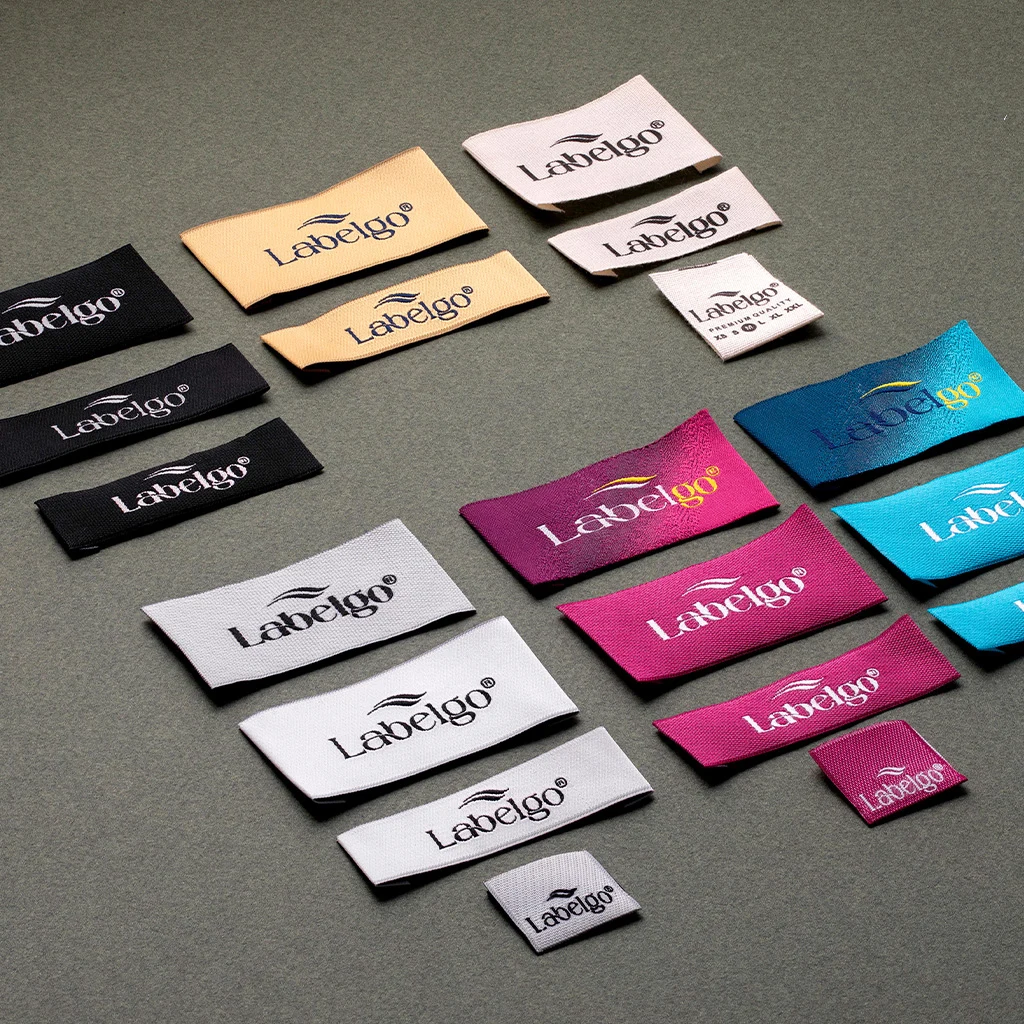
LabelGo Manufacturing: Direct Apparel Branding & Precision Label Production
Combining high-volume industrial weaving capacity with boutique flexibility, LabelGo has established itself over 30+ years as a global benchmark in custom apparel trimmings. Advanced Jacquard looms and textile ink curing lines operate with micromechanical tolerances, ensuring that Custom Clothing Labels production meets exacting retail compliance standards. Brand founders and sourcing specialists benefit from streamlined digital approvals that keep seasonal product launches strictly on schedule.
Committed to uncompromising garment comfort, LabelGo utilizes exclusively OEKO-TEX® Standard 100 Class 1 certified, skin-safe yarns across all production lines. Advanced ultrasonic thermal edge sealing micro-fuses border fibers, completely eliminating neck itching and skin irritation even on sensitive infant wear. With an accessible minimum order quantity of just 250 pieces (MOQ) alongside massive bulk production capabilities, we ensure rapid 5–7 business day express worldwide delivery backed by dedicated 24/7 technical customer assistance.