
London Custom Clothing Labels should be planned as a UK textile label manufacturing choice by matching garment type, material, fold style, wash resistance, print or weave quality, and brand identity.
This guide covers woven labels, printed labels, care labels, hang tags, size labels, made-in labels, and patch labels for UK-focused decisions. London Custom Clothing Labels supports clearer production decisions.
What Are London Custom Clothing Labels?
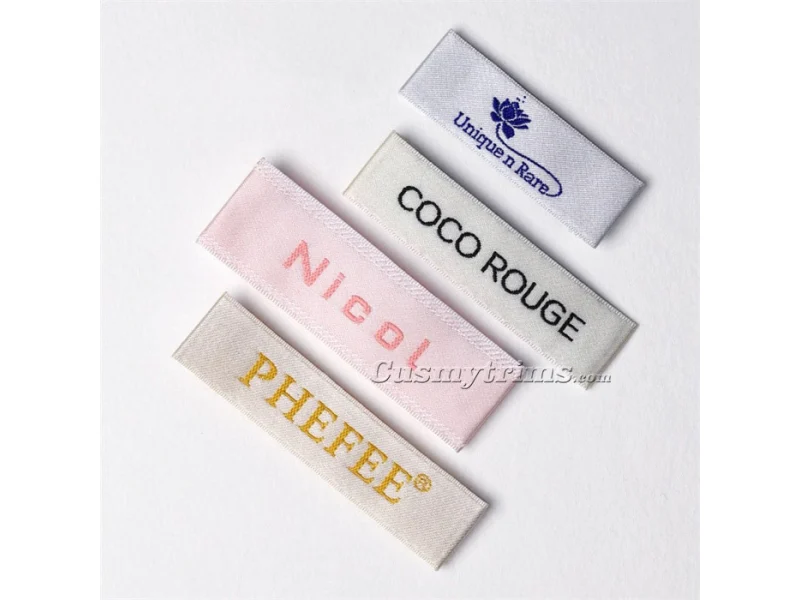
London custom clothing labels are bespoke identifiers tailored specifically for garments, providing detailed care instructions and enhancing brand identity. These labels can be woven or printed directly onto fabric, offering a high-quality finish that withstands repeated washing.Bespoke labelling ensures your UK clothing brand stands out with unique, customised tags that match your design aesthetic. London Custom Clothing Labels supports clearer production decisions.
Proofing and Quality Control
Before production, digital proofs are provided to ensure the final label meets your exact specifications. This step is crucial for quality control, allowing you to make any necessary adjustments before large-scale printing.Digital proofing ensures accuracy in colour and design, reducing errors post-production.
Delivery Clarity
Clear delivery expectations are essential when ordering custom labels from a London supplier. Small-batch orders can be fulfilled quickly with transparent tracking information provided throughout the production process.Small batch orders allow for faster turnaround times while maintaining high-quality standards and clear communication on shipping.
Fibre Information and Care Labelling
Carefully labelling garments based on fibre content is vital. Custom labels offer detailed care instructions, ensuring customers can maintain their clothes properly without damaging them.Customised care labels provide accurate information about fabric composition to guide users in proper washing techniques.
Why Choose London Custom Clothing Labels?
London custom clothing labels offer a unique selling point by aligning with your brand’s identity and values. They enhance customer trust through precise care instructions, making them an essential part of any garment. By opting for bespoke labelling in London, you ensure that each label is tailored to meet your exact requirements, from design to material choice. This customisation process not only improves the overall quality but also sets your brand apart on the market.Custom Clothing Label Types Compared

Differences in Quality Control and Delivery
At LabelGo, we ensure every label is proofed digitally before production to meet your exact specifications. Our quality control checks guarantee that each order fulfils the highest standards of craftsmanship. We offer 7/24 support for any queries or concerns you may have. With a presence in London and Istanbul, our international shipping ensures fast delivery across the UK and beyond. Whether you’re ordering bespoke labels for your small batch production run or customised hang tags to enhance brand identity, we’ve got you covered with reliable turnaround times and clear communication every step of the way.Material Choices for Custom Clothing Labels
Woven labels are ideal for those seeking a timeless look and superior durability. Printed fabric labels offer more design flexibility but may not last as long in regular wear. At LabelGo, we provide customised label solutions to fit your needs. Our focus on quality ensures that every order is meticulously crafted to meet high standards of labelling excellence.Materials, Folds, Finishes and Design Options
The following table compares material, print or weave quality, use case, and production process for UK textile label manufacturing.
| Criterion | Best use | Check question | Quality expectation |
|---|---|---|---|
| London Custom Clothing Labels | Brand, apparel, and accessory products. | Which information must appear on the product? | Clear, readable, and brand-consistent. |
| Woven label | Premium clothing, outerwear, and accessories. | Are thread detail and wash resistance strong? | Dense weave, clean edge, long life. |
| Printed label | Colour logos, care data, and fast production. | Are colours accurate and readable? | Sharp print, flexible base, stable colour. |
| Care / size label | Washing instructions, size, origin information. | Are symbols and languages clear? | High readability in a small space. |
| Hang tag / patch label | Retail display, collections, brand story. | Does material improve product perception? | Durable stock, clean cut, quality workmanship. |
Fold styles like single-fold or double-fold ensure the label stays securely in place while maintaining a clean look.
Edge Finishes and Readability
Edge finishes such as heat sealing enhance wear resistance without compromising readability. High-quality printing ensures your brand stands out, making each garment more appealing.Care labelling is crucial for both functionality and customer trust; our labels provide clear washing instructions using UK standards.
Small-batch orders are practical for bespoke projects, allowing you to customise every detail from fabric choice to design elements.
We offer digital proofing before production so you can approve the final look with confidence. Quality control checks ensure each label meets our high standards before delivery.
Customisation Options
Offering a variety of customisation options allows you to tailor labels for different clothing types and brands. Choose from vibrant colours or subtle shades, ensuring your label stands out while matching the garment.Fabrics like polyester offer durability with a smooth finish, ideal for sportswear where longevity is key.
Nylon provides strength and resistance to wear, perfect for outdoor gear that needs tough labels.
How the Custom Label Process Works
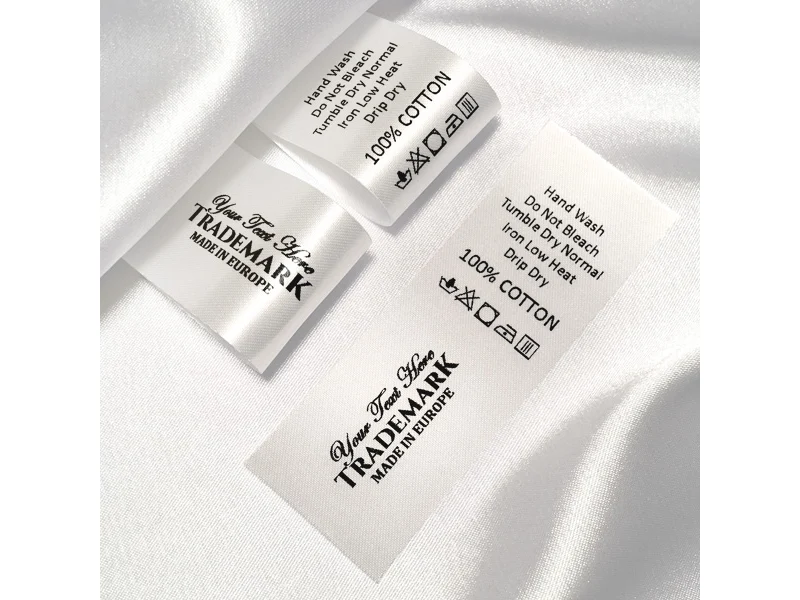
The process of creating custom clothing labels in London involves several key steps, from initial design upload to final delivery.
Bespoke Design and Briefing
You start by providing a brief or uploading your artwork. Our team then analyses this for any necessary adjustments before moving on to the next stage.
Quotation and Order Confirmation
A quote is provided based on the design, material choice, and quantity required. Once confirmed, production begins with digital proofing.
Digital Proof Approval
We send a digital proof for your approval to ensure it meets your exact requirements before proceeding to manufacture.
Packaging, Shipping, and Tracking
Your customised clothing labels are carefully packaged for safe delivery. You receive a tracking number so you can monitor your order’s progress at all times.
Artwork Analysis and Adjustments
Our team carefully analyses your artwork to ensure all details are correctly placed and legible on the label. Any necessary adjustments are made at this stage. Material Selection and Testing We select high-quality materials that suit your needs, such as polyester or nylon fibres for durability. Samples can be tested before final production if required.How to Choose the Right Label for a UK Clothing Brand
Choosing the right label for your London-based clothing brand involves several key factors that ensure quality, reliability and customer satisfaction. A well-chosen label can enhance product identity and provide crucial care instructions. Digital proofing is essential before production starts; this ensures you approve designs accurately without any surprises post-production. Quality control checks are necessary to guarantee the labels meet high standards for durability and appearance.Delivery Expectations
Clear delivery expectations, especially turnaround times, build trust with your UK customers. Opt for a supplier offering 7/24 support and international shipping options, ensuring timely fulfilment of small-batch orders. Care labelling is vital; it informs buyers about washing instructions to maintain fabric integrity. Fibre content details are also important as they affect the overall quality perception of premium fashion brands like yours.Label Design and Customisation
Select a supplier offering customised label designs to match your brand’s aesthetic. This ensures labels are not just functional but also enhance product appeal. Quality Assurance Regularly analyse the quality of labelling processes, ensuring all labels meet stringent durability standards. This prevents issues like peeling or fading that can damage customer trust and satisfaction. Customer Feedback Gather feedback from customers to refine label designs continuously. Positive reviews often highlight well-placed care instructions and clear fibre content details as key factors in their purchase decisions.For deeper UK-focused comparison, you can review London Custom Clothing Labels Wikipedia and London Custom Clothing Labels Google UK.
London Custom Clothing Labels: A Guide to Textile Label Manufacturing
In London’s fashion industry, custom clothing labels are more than just a necessity; they’re an essential part of creating unique and high-quality garments. Whether you’re a small boutique or a large brand, choosing the right label can significantly impact your product’s appeal.
Ordering Decisions: What to Consider
The first step in ordering custom clothing labels is determining what information needs to be included on them. Common details include size, material composition, care instructions, and manufacturer or brand logos.
- Size: Ensure the label fits comfortably within your garment’s design without being too bulky.
- Material Composition: Clearly state what fibres are used in the fabric to meet any labelling requirements, such as those set by EU legislation.
Choosing the Right Material: Fibre and Durability Checks
Selecting a suitable material for your labels is crucial. Common choices include polyester, cotton, or a blend of both. Each has its own benefits in terms of durability and appearance:
- Polyester Labels: Highly durable and resistant to fading.
- Cotton Labels: Soft feel but may not be as long-lasting as polyester options.</
To ensure your labels will withstand the test of time, conduct durability checks. Place them in a washing machine with hot water and check for any signs of damage or wear after multiple washes.
Artwork Proofing: Ensuring Quality Before Production
Before finalising your order, it’s essential to review artwork proofs carefully. This step helps catch any errors early on in the production process:
- Text Clarity: Ensure all text is legible and correctly formatted.
- Design Consistency: Verify that your design matches what you intended, including colours and logos.
Finishing Options: Adding the Final Touches to Your Labels
To make sure your labels stand out, consider adding finishing touches such as heat transfer or embroidery. These can enhance both their appearance and functionality:
- Heat Transfer Printing: Ideal for creating vibrant colours on polyester-based materials.
- Elastic Labels: Perfect for garments that require a snug fit, like sportswear.
The Production Workflow: From Design to Delivery
A smooth production workflow is key to ensuring your custom clothing labels are delivered on time and meet all quality standards. Here’s an overview of the process:
- Design Briefing: Discuss with your label manufacturer any specific requirements or preferences.
- Artwork Creation: Work closely with designers to create a digital artwork file that meets all specifications.
- Proof Review: Receive and approve proofs before moving forward with production. This step is crucial for accuracy.
- Quality Control Checks: Inspect labels during the manufacturing process to ensure they meet your standards.
- Fulfilment: Once everything has been checked, packaging and shipping arrangements are made by the manufacturer’s fulfilment team.
In London’s competitive fashion market, custom clothing labels can be a game-changer. By carefully considering all aspects of label design and production, you can ensure your garments stand out in any retail environment.
Notes for clearer production decisions
What Are London Custom Clothing Labels? should be reviewed through product use, brand presentation, and durability requirements. For London Custom Clothing Labels, the right choice depends on visual quality, wash resistance, contact with the garment, and how the label will perform during daily use.
The choice between woven labels, printed labels, care labels, size labels, and hang tags depends on material, readability, and product positioning. Before production, size, colour, base material, fold style, and sewing area should be confirmed.
Quality control should review text clarity, edge finish, colour consistency, and surface durability together. Sample approval reduces mistakes before full production and protects the brand presentation.
Lead time, quantity, product placement, and packaging needs should be written clearly. This helps the production team prepare the label for the right product group and use case.
When planning London Custom Clothing Labels, label type, product group, and expected service life should be reviewed together. This creates a better balance between brand presentation and technical durability.
The production file should include size, colour code, material, printing or weaving method, and delivery expectation. Clear information speeds up approval and reduces revision work.
Notes for clearer production decisions
What Are London Custom Clothing Labels? should be reviewed through product use, brand presentation, and durability requirements. For London Custom Clothing Labels, the right choice depends on visual quality, wash resistance, contact with the garment, and how the label will perform during daily use.
The choice between woven labels, printed labels, care labels, size labels, and hang tags depends on material, readability, and product positioning. Before production, size, colour, base material, fold style, and sewing area should be confirmed.
Quality control should review text clarity, edge finish, colour consistency, and surface durability together. Sample approval reduces mistakes before full production and protects the brand presentation.
Lead time, quantity, product placement, and packaging needs should be written clearly. This helps the production team prepare the label for the right product group and use case.
What Are Custom Clothing Labels? should be reviewed through product use, brand presentation, and durability requirements. For London Custom Clothing Labels, the right choice depends on visual quality, wash resistance, contact with the garment, and how the label will perform during daily use.
The choice between woven labels, printed labels, care labels, size labels, and hang tags depends on material, readability, and product positioning. Before production, size, colour, base material, fold style, and sewing area should be confirmed.
Quality control should review text clarity, edge finish, colour consistency, and surface durability together. Sample approval reduces mistakes before full production and protects the brand presentation.
Lead time, quantity, product placement, and packaging needs should be written clearly. This helps the production team prepare the label for the right product group and use case.
Custom Clothing Label Types Compared should be reviewed through product use, brand presentation, and durability requirements. For London Custom Clothing Labels, the right choice depends on visual quality, wash resistance, contact with the garment, and how the label will perform during daily use.
The choice between woven labels, printed labels, care labels, size labels, and hang tags depends on material, readability, and product positioning. Before production, size, colour, base material, fold style, and sewing area should be confirmed.
Quality control should review text clarity, edge finish, colour consistency, and surface durability together. Sample approval reduces mistakes before full production and protects the brand presentation.
Lead time, quantity, product placement, and packaging needs should be written clearly. This helps the production team prepare the label for the right product group and use case.
Textile Label Comparison Table should be reviewed through product use, brand presentation, and durability requirements. For London Custom Clothing Labels, the right choice depends on visual quality, wash resistance, contact with the garment, and how the label will perform during daily use.
The choice between woven labels, printed labels, care labels, size labels, and hang tags depends on material, readability, and product positioning. Before production, size, colour, base material, fold style, and sewing area should be confirmed.
Quality control should review text clarity, edge finish, colour consistency, and surface durability together. Sample approval reduces mistakes before full production and protects the brand presentation.
Lead time, quantity, product placement, and packaging needs should be written clearly. This helps the production team prepare the label for the right product group and use case.
Materials, Folds, Finishes and Design Options should be reviewed through product use, brand presentation, and durability requirements. For London Custom Clothing Labels, the right choice depends on visual quality, wash resistance, contact with the garment, and how the label will perform during daily use.
The choice between woven labels, printed labels, care labels, size labels, and hang tags depends on material, readability, and product positioning. Before production, size, colour, base material, fold style, and sewing area should be confirmed.
Quality control should review text clarity, edge finish, colour consistency, and surface durability together. Sample approval reduces mistakes before full production and protects the brand presentation.
Lead time, quantity, product placement, and packaging needs should be written clearly. This helps the production team prepare the label for the right product group and use case.
How the Custom Label Process Works should be reviewed through product use, brand presentation, and durability requirements. For London Custom Clothing Labels, the right choice depends on visual quality, wash resistance, contact with the garment, and how the label will perform during daily use.
The choice between woven labels, printed labels, care labels, size labels, and hang tags depends on material, readability, and product positioning. Before production, size, colour, base material, fold style, and sewing area should be confirmed.
Quality control should review text clarity, edge finish, colour consistency, and surface durability together. Sample approval reduces mistakes before full production and protects the brand presentation.
Lead time, quantity, product placement, and packaging needs should be written clearly. This helps the production team prepare the label for the right product group and use case.
How to Choose the Right Label for a UK Clothing Brand should be reviewed through product use, brand presentation, and durability requirements. For London Custom Clothing Labels, the right choice depends on visual quality, wash resistance, contact with the garment, and how the label will perform during daily use.
The choice between woven labels, printed labels, care labels, size labels, and hang tags depends on material, readability, and product positioning. Before production, size, colour, base material, fold style, and sewing area should be confirmed.
Quality control should review text clarity, edge finish, colour consistency, and surface durability together. Sample approval reduces mistakes before full production and protects the brand presentation.
Lead time, quantity, product placement, and packaging needs should be written clearly. This helps the production team prepare the label for the right product group and use case.
Frequently Asked Questions should be reviewed through product use, brand presentation, and durability requirements. For London Custom Clothing Labels, the right choice depends on visual quality, wash resistance, contact with the garment, and how the label will perform during daily use.
The choice between woven labels, printed labels, care labels, size labels, and hang tags depends on material, readability, and product positioning. Before production, size, colour, base material, fold style, and sewing area should be confirmed.
Quality control should review text clarity, edge finish, colour consistency, and surface durability together. Sample approval reduces mistakes before full production and protects the brand presentation.
Lead time, quantity, product placement, and packaging needs should be written clearly. This helps the production team prepare the label for the right product group and use case.
How to Choose the Right Textile Label for UK Apparel and Fashion Products should be reviewed through product use, brand presentation, and durability requirements. For London Custom Clothing Labels, the right choice depends on visual quality, wash resistance, contact with the garment, and how the label will perform during daily use.
The choice between woven labels, printed labels, care labels, size labels, and hang tags depends on material, readability, and product positioning. Before production, size, colour, base material, fold style, and sewing area should be confirmed.
Quality control should review text clarity, edge finish, colour consistency, and surface durability together. Sample approval reduces mistakes before full production and protects the brand presentation.
Lead time, quantity, product placement, and packaging needs should be written clearly. This helps the production team prepare the label for the right product group and use case.
Materials, Fold Styles, and Design Options for London Custom Clothing Labels should be reviewed through product use, brand presentation, and durability requirements. For London Custom Clothing Labels, the right choice depends on visual quality, wash resistance, contact with the garment, and how the label will perform during daily use.