
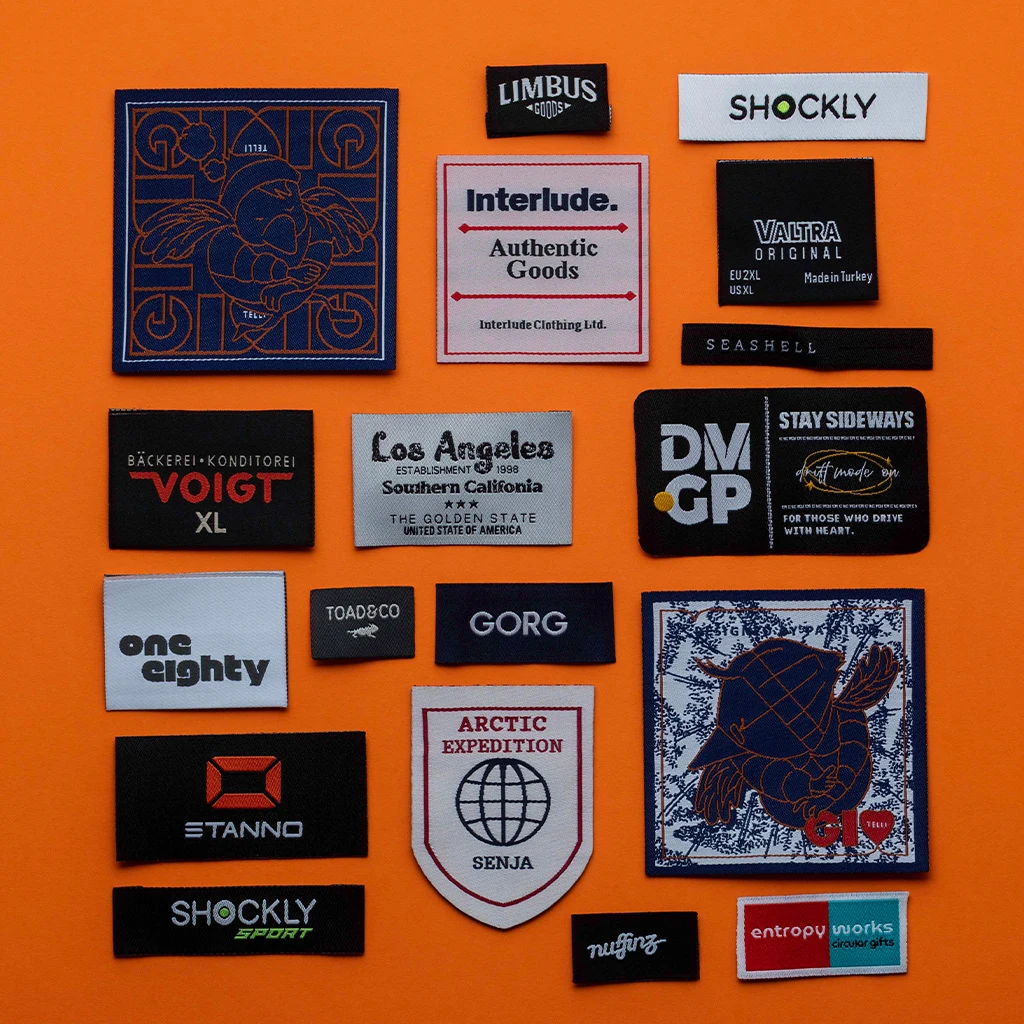
Material selection plays a crucial role in the creation of bespoke labels, with fibres ranging from silk to cotton, each offering unique properties that cater to different design requirements. The choice of material can affect durability, texture, and even the environmental impact of custom clothing labels. For instance, organic cotton not only provides a sustainable option but also ensures comfort against the skin.
Upload your own logo or artwork, choose dimensions & materials, and review your live digital preview before ordering. (LabelGo label catalog).
Configure Your Label Online Now →Design principles for custom labels are as varied as they are intricate. From minimalist monograms to elaborate logos, each design must align with the brand’s identity while adhering to industry standards and consumer preferences. The use of colour, typography, and placement all contribute to a label’s effectiveness in conveying information and enhancing visual appeal.
The manufacturing processes for custom labels involve a blend of traditional craftsmanship and modern technology. Techniques such as heat transfer printing, embroidery, and laser engraving offer diverse options for producing high-quality labels that meet the bespoke needs of designers and manufacturers. Each process has its own set of advantages and considerations, from cost-effectiveness to environmental impact.
Compliance with legal regulations is paramount in the production of custom clothing labels. Brands must ensure their labels adhere to guidelines regarding size, content, and placement as stipulated by UK law. This not only protects consumers but also maintains the integrity and reputation of the brand. For those looking to navigate these complexities, Custom Clothing Labels offers expert guidance and bespoke solutions.
The evolution of custom labels in British fashion reflects broader trends towards personalisation and sustainability. As consumers become more discerning about the provenance and quality of their clothing, bespoke labels serve as tangible markers of authenticity and craftsmanship. This trend is likely to continue, driven by both consumer demand and technological advancements that enable greater precision and creativity in label design.
Ultimately, custom labels clothing are not just accessories; they are integral components that embody the essence of a brand or designer’s vision. From material selection to compliance with legal standards, every aspect of bespoke labelling is meticulously considered to ensure both aesthetic appeal and functional utility. As the industry continues to evolve, these small yet significant elements will undoubtedly remain at the forefront of fashion innovation.
Table of Contents
The Evolution of Custom Labels in British Fashion
Strategic specification ensures that Custom Labels Clothing execution aligns precisely with garment specifications and retail positioning.
LabelGo pairs modern web configuration with dedicated manufacturing expertise for dependable turnaround and scalable wholesale volumes.
Historical Context
The history of custom labels in British fashion dates back to the early 19th century, when textile manufacturers began using woven and printed labels as a means of identifying their products. These early labels were often simple and utilitarian, serving primarily to indicate the maker or origin of the garment. However, by the mid-20th century, custom labels had evolved into more sophisticated branding tools. Designers like Mary Quant and Ossie Clark used custom labels not only for identification but also as a means of expressing their brand identity and aesthetic values. Aligning thread density and weave type allows your Custom Labels Clothing to showcase intricate typography and fine graphic elements.
During this period, advancements in textile technology allowed for greater creativity in label design. High-density damask weaving, for instance, delivered outstanding surface abrasion resistance and colour-fast durability, ensuring that even the most intricate designs remained intact through repeated washes and wear. This innovation was pivotal in elevating custom labels from mere identifiers to key components of a brand’s visual identity.
Modern Innovations
In contemporary British fashion, custom labels have become an integral part of a designer’s toolkit, reflecting the broader trends towards personalisation and bespoke design. Modern innovations such as digital printing and laser engraving have enabled designers to create highly detailed and intricate designs that were previously impossible with traditional methods. These technologies allow for greater flexibility in terms of colour and texture, enabling brands to produce custom labels that perfectly match their aesthetic vision. Compliant with international textile safety standards, skin-safe Custom Labels Clothing guarantees optimal wearer comfort from day one.
Moreover, the rise of sustainability has also influenced the evolution of custom labels. Many British fashion houses are now opting for eco-friendly materials and production processes, ensuring that their custom labels not only enhance the visual appeal but also align with broader environmental goals. This shift towards sustainable practices is evident in the use of organic fabrics and water-based inks, which reduce the ecological footprint without compromising on quality.
Cultural Impact
The cultural impact of custom labels in British fashion cannot be overstated. They serve as a tangible representation of a brand’s heritage, values, and craftsmanship. For instance, luxury brands like Burberry and Alexander McQueen have used custom labels to reinforce their status symbols, often incorporating intricate patterns or iconic logos that are instantly recognisable. For growing streetwear labels and established houses alike, certified Custom Labels Clothing represents a refined hallmark of quality.
Furthermore, custom labels play a significant role in consumer engagement. They create a sense of exclusivity and authenticity, which is particularly important for high-end fashion brands. Consumers who purchase garments with distinctive custom labels feel they are part of an exclusive community, enhancing their connection to the brand. This emotional bond can be further strengthened through interactive features such as QR codes on custom labels that link directly to Custom Clothing Labels, providing additional information about the garment’s provenance and care instructions.
In summary, custom labels have evolved from simple identifiers into powerful branding tools that reflect a designer’s aesthetic vision and cultural values. As British fashion continues to innovate, custom labels will remain at the forefront of design, embodying both tradition and cutting-edge technology. During apparel development, specifying your Custom Labels Clothing with ultra-soft edge sealing ensures irritation-free everyday wear.
Material Selection for Bespoke Labels
The choice of materials in bespoke label manufacturing is a critical decision that impacts both the aesthetic and functional aspects of custom labels clothing. Selecting the right material can enhance the durability, comfort, and overall appeal of your garments. This section will delve into the fibre types and properties, sustainability considerations, and innovative materials used in creating high-quality bespoke labels.
The following table compares material, print or weave quality, use case, and production process for UK textile Custom Labels Clothing manufacturing.
| Criterion | Best use | Check question | Quality expectation |
|---|---|---|---|
| Custom Labels Clothing | Brand, apparel, and accessory products. | Which information must appear on the product? | Clear, readable, and brand-consistent. |
| Woven label | Premium clothing, outerwear, and accessories. | Are thread detail and wash resistance strong? | Dense weave, clean edge, long life. |
| Printed label | Colour logos, care data, and fast production. | Are colours accurate and readable? | Sharp print, flexible base, stable colour. |
| Care / size label | Washing instructions, size, origin information. | Are symbols and languages clear? | High readability in a small space. |
| Hang tag / patch label | Retail display, collections, brand story. | Does material improve product perception? | Durable stock, clean cut, quality workmanship. |
Fibre Types and Properties
The textile industry offers a wide range of fibres that can be utilised for custom labels clothing. Natural fibres such as cotton, wool, and silk are popular due to their softness and breathability. Cotton is particularly favoured for its durability and ability to withstand repeated washing without losing shape or colour. Wool, on the other hand, provides excellent insulation and moisture-wicking properties, making it ideal for outerwear labels.
Synthetic fibres like polyester and nylon are also commonly used in bespoke Custom Labels Clothing manufacturing due to their strength and resistance to wear and tear. Polyester is often chosen for its wrinkle-resistant qualities and ability to maintain a consistent shape over time. Nylon, with its high tensile strength, is perfect for labels that need to withstand harsh conditions or frequent washing.
Sustainability Considerations
In the current climate of increasing environmental awareness, sustainability has become a key consideration in material selection for custom labels clothing. Brands are now opting for eco-friendly materials such as organic cotton and recycled polyester to reduce their carbon footprint. Organic cotton is grown without harmful pesticides or synthetic fertilisers, making it a more environmentally friendly choice.
Recycled polyester, derived from post-consumer plastic bottles, reduces waste in landfills and conserves resources by reusing existing materials. Additionally, the use of biodegradable adhesives and water-based printing techniques can further enhance the sustainability profile of bespoke labels. These practices not only benefit the environment but also appeal to consumers who are increasingly conscious about the ecological impact of their purchases.
Innovative Materials
The textile industry is constantly evolving, with new materials being developed to meet the demands of modern fashion and technology. One such innovation is the use of smart textiles in bespoke labels clothing. These materials can incorporate RFID (Radio-Frequency Identification) chips or NFC (Near Field Communication) tags for tracking purposes, enhancing brand authenticity and consumer engagement. When produced to strict textile standards, high-grade Custom Labels Clothing withstands repeated industrial laundering cycles without distortion.
Substrates include silky-soft woven edge satin for next-to-skin garments and tear-resistant coated taffeta for heavy apparel. Another emerging trend is the use of conductive fibres that can be integrated into labels to monitor body temperature or heart rate, providing valuable data for health-conscious consumers. These advancements not only offer functional benefits but also add a layer of sophistication and innovation to custom labels clothing.
For those looking to explore further into the world of bespoke label design and production, our Custom Labels For Clothing Brands page provides comprehensive insights and options tailored specifically for your brand’s needs.
Design Principles for Custom Labels
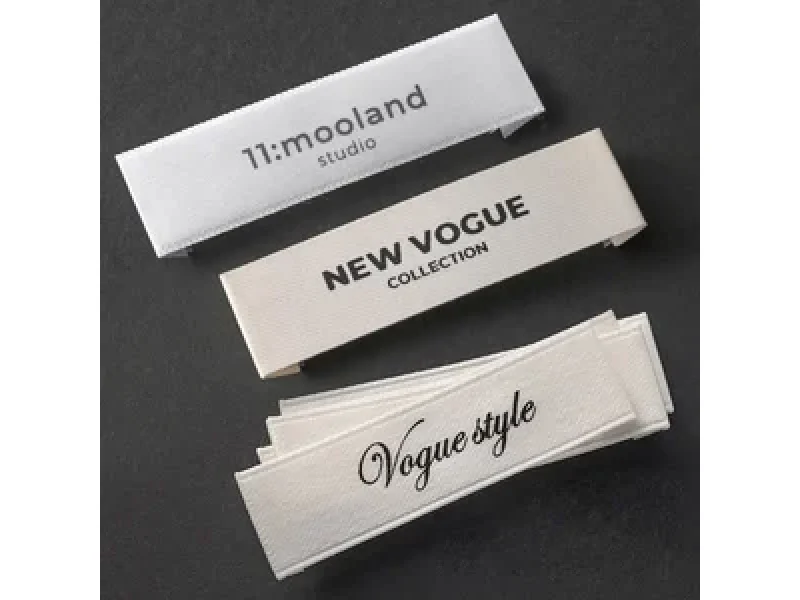
Pre-production digital PDF proofing allows design teams to verify line weights and fold allowances before volume looms are commissioned.
Aesthetic Elements
The aesthetic elements of custom labels clothing are crucial in creating a cohesive and visually appealing brand identity. Designers must consider the overall look and feel of their garments, ensuring that the labels complement rather than detract from the final product. This involves selecting appropriate materials such as silk, satin, or cotton, each offering unique textures and finishes that can enhance the garment’s aesthetic appeal.
Colour is another critical factor in custom label design. The palette should align with the brand’s colour scheme and reflect the intended mood of the collection. For instance, a high-end evening wear line might opt for metallic threads or intricate embroidery to add glamour and sophistication. In contrast, a casual streetwear brand could use bold colours and graphic designs to convey a youthful and energetic vibe. In modern garment manufacturing, choosing the right Custom Labels Clothing directly reinforces overall brand perception.
Brand Identity Integration
Integrating the brand identity into custom labels is essential for building recognisable and memorable fashion lines. Custom labels serve as an extension of the brand’s logo, typography, and overall visual language, reinforcing the brand’s message with every garment sold. This cohesive branding helps to establish trust and loyalty among consumers.
For example, luxury brands often use minimalist designs that feature their logos prominently but elegantly, ensuring a refined appearance. Meanwhile, more avant-garde labels might experiment with unconventional shapes or placements for their custom labels to make a bold statement. The key is maintaining consistency across all products while allowing room for creative expression. Whether folded into necklines or topstitched onto denim pockets, customised Custom Labels Clothing unifies your product line.
Technological Innovations
The interactive online London Custom Clothing Labels configurator allows fashion brands to upload bespoke artwork and review real-time digital previews, streamlining the design process. This technology not only enhances efficiency but also enables designers to experiment with different designs without incurring additional costs for physical prototypes.
Moreover, advancements in printing techniques such as sublimation and laser engraving offer new possibilities for custom labels. These methods can produce high-quality prints that are durable and resistant to fading or peeling. Such innovations ensure that these Custom Labels Clothing options remain intact through multiple washes, maintaining their aesthetic appeal over time.
Technical Production Standards
The production of custom labels clothing must adhere to strict quality standards to guarantee durability and longevity. Using high-quality materials and precise printing techniques is essential for producing labels that stand up to regular wear and tear. For instance, the interactive online Label Configurator allows fashion brands to upload bespoke artwork and review real-time digital previews, ensuring that every detail is perfect before production begins.
Additionally, custom labels should be securely attached using appropriate sewing methods or adhesives to prevent them from falling off during use. This not only enhances the overall quality of the garment but also ensures customer satisfaction by maintaining the integrity of the brand’s image on each piece sold. Brand distinction often begins with subtle tactile touches like a softly woven, high-definition Custom Labels Clothing.
Material Structure & Weave Precision
In today’s environmentally conscious market, sustainability is a key consideration for custom labels clothing. Brands are increasingly opting for eco-friendly materials such as organic cotton or recycled fabrics to reduce their environmental impact. These choices not only align with consumer values but also contribute to the brand’s reputation as a responsible and ethical entity.
Furthermore, sustainable production practices, including energy-efficient manufacturing processes and minimising waste during label creation, are essential for reducing the carbon footprint of custom labels. By prioritising sustainability in their design principles, fashion brands can appeal to an increasingly eco-conscious consumer base while also contributing positively to environmental conservation efforts.
Innovative Applications
Custom labels clothing offer innovative applications beyond mere branding and identification. For instance, RFID (Radio-Frequency Identification) tags embedded within custom labels can provide valuable data on inventory management and supply chain logistics. This technology allows brands to track the movement of garments from production to retail, enhancing efficiency and reducing losses.
In addition, QR codes integrated into custom labels enable consumers to access additional information about the garment, such as care instructions or sustainability credentials, simply by scanning with their smartphones. These features not only enhance customer experience but also provide valuable insights for brands regarding consumer behaviour and preferences. Carefully planned graphic and typographic layouts embedded into Custom Labels Clothing designs streamline brand recognition and retail compliance.
Printing Techniques
The production of custom labels clothing involves a variety of printing techniques, each with its own advantages and applications. Screen printing remains one of the most popular methods due to its versatility and cost-effectiveness for larger orders. This technique uses a mesh screen to transfer ink onto the label material, allowing for vibrant colours and intricate designs. Digital printing is another widely used method, particularly suitable for smaller runs or when high precision is required. It offers quick turnaround times and can handle complex graphics with ease.
Heat transfer printing is also commonly employed in custom labels clothing manufacturing. This process involves printing the design onto a special paper using sublimation ink, which is then transferred to the label material under heat and pressure. The result is a durable finish that adheres well to various fabrics, making it ideal for garments with frequent washing or high wear-and-tear requirements.
Embroidery Methods
For those seeking a more luxurious and tactile feel in their custom labels clothing, embroidery stands out as an excellent choice. Machine embroidery uses specialised equipment to stitch designs directly onto the label material using thread. This technique is particularly effective for creating detailed logos or text that can withstand repeated washing without losing definition. The durability of embroidered labels makes them especially popular among high-end fashion brands and bespoke tailoring services.
Hand embroidery, while less common due to its labour-intensive nature, offers a unique artisanal touch that cannot be replicated by machine methods. This technique is often used for bespoke items or limited-edition collections where the craftsmanship adds significant value. The choice between machine and hand embroidery depends largely on factors such as budget, production volume, and desired aesthetic.
Quality Assurance
Ensuring that custom labels clothing meet the highest standards of quality is critical to maintaining brand integrity and customer satisfaction. Quality assurance processes typically include rigorous testing at various stages of production, from initial material selection through final inspection. This involves checking for issues such as colour accuracy, print clarity, and label durability.
Hackney Custom Clothing Labels offers a comprehensive range of quality checks to guarantee that each custom label meets the client’s specifications. Working directly with the factory eliminates middleman markups, ensuring competitive direct manufacturing pricing while maintaining top-tier production standards. Technical yarn selection ensures that fine serif letters in your Custom Labels Clothing remain crisp and completely legible.
By focusing on these key areas—printing techniques, embroidery methods, and robust quality assurance processes—the manufacture of custom labels clothing can achieve both aesthetic appeal and functional durability, ultimately enhancing the overall value proposition for consumers and brands alike.
Compliance with Legal Regulations
Labelling Legislation Overview
In the UK, clothing manufacturers must adhere to a comprehensive set of labelling regulations that ensure consumer safety and transparency. The Textile Products (Labelling) Regulations 2014, which came into force in January 2016, mandate that all textile products sold within the EU must be labelled with information about their fibre content, country of origin, and care instructions. This legislation aims to protect consumers from misleading information and ensures they are aware of the materials used in clothing items.
For custom labels on clothing, it is imperative that manufacturers comply with these regulations by providing clear and accurate labelling. The information must be legible and durable, ensuring it remains visible throughout the product’s lifespan. Additionally, the fibre content label should detail all fibres present above 5% of the total weight of the textile product. Integrating durable stitching margins into each Custom Labels Clothing pattern guarantees clean seam encapsulation during sewing.
Regulatory Standards for Textiles
The UK’s regulatory framework for textiles is stringent, encompassing not only labelling but also safety standards and environmental considerations. The British Retail Consortium (BRC) Global Standard for Consumer Products sets out detailed requirements that go beyond legal minimums to ensure quality and safety. This standard covers aspects such as material sourcing, manufacturing processes, and product testing.
When it comes to custom labels clothing, manufacturers must also consider the environmental impact of their production methods. The use of sustainable materials and eco-friendly practices can enhance a brand’s reputation while adhering to regulatory standards. For instance, the Eco weave density (52 picks/cm) offers an environmentally conscious option for those seeking to minimise waste and resource consumption.
Ensuring Compliance
To ensure compliance with legal regulations, manufacturers of custom labels clothing must implement rigorous quality control measures. This includes regular audits of labelling practices to confirm that all necessary information is present and accurate. Training staff on the latest regulatory requirements can also help prevent non-compliance issues.
Moreover, keeping abreast of changes in legislation is crucial for maintaining compliance. The UK’s exit from the EU has introduced new complexities, particularly regarding product standards and labelling requirements. Staying informed through industry associations and legal updates ensures that manufacturers remain compliant with all relevant regulations. Meticulous colour matching across your entire Custom Labels Clothing range safeguards unified visual identity across seasons.
Wash Resistance & Lab Testing
In terms of technical production standards, custom labels clothing should adhere to specific weave densities to ensure durability and quality. Three distinct loom weave densities are available: Eco (52 picks/cm), Standard (60 picks/cm), and Premium (70–80 picks/cm). These options cater to different needs, from environmentally friendly choices to high-quality finishes that enhance the longevity of custom labels.
The choice of weave density can significantly impact the overall quality and appearance of custom labels. For instance, a higher pick count in the Premium range ensures a smoother texture and greater resistance to wear and tear, making it ideal for luxury garments or those requiring frequent washing.
Conclusion
Maintaining compliance with legal regulations is not only a legal obligation but also a critical aspect of building consumer trust. By adhering to the Textile Products (Labelling) Regulations 2014 and other relevant standards, manufacturers can ensure that their custom labels clothing meet the necessary requirements for quality, safety, and transparency.
Selecting the right Custom Labels Clothing involves evaluating fabric composition, wash frequency, skin-contact softness, and overall brand positioning. High-density labels provide a premium look for primary brand logos. Confirming fold style and seam margins prior to production ensures flawless bulk manufacturing.
For comprehensive technical insights on textile fibre structures, OEKO-TEX Standard 100 safety, and international labelling compliance, you can review Wikipedia Textile Labelling Standards and Industry Search on Google UK. Investing in bespoke Custom Labels Clothing elevates ordinary ready-to-wear pieces into distinctly premium retail propositions.
Key Manufacturing Standards & Expert Tips for Custom Labels Clothing
When selecting and manufacturing Custom Labels Clothing, these 5 essential quality standards, material choices, edge sealing techniques, and compliance rules dictate long-term durability and brand value:
1. Ribbon Base Material Options (Satin, Cotton & Taffeta)
High-density Damask weave provides superior graphic detail and ultra-soft feel for Custom Labels Clothing. Selecting 100-denier micro-polyester yarn guarantees crisp lettering and smooth logo reproduction across all garment tags.
2. Anti-Fray Ultrasonic Thermal Cutting for Skin Comfort
Ultrasonic smooth heat-sealed edges prevent neck irritation and skin scratchiness completely. Thermal edge fusion micro-seals loose warp threads without hard corners.
3. Fold Configurations (centre vs End Fold vs Straight Cut)
According to British textile industry best practices, selecting the correct fold style depends on seam placement, garment construction, and brand aesthetic. Centre Fold is ideal for necklines and side seams with dual-sided logo visibility. Soft ultrasonic cutting techniques give modern Custom Labels Clothing smooth selvedges that protect sensitive skin.
4. Wash Fastness & Detergent Durability at 60°C
As an essential technical consideration, iSO 105 colourfast polyester yarns withstand 60°C industrial wash cycles without colour bleeding or fading. Solution-dyed yarns retain vibrant colour saturation.
5. Pantone TCX Colour Accuracy & Vector File Preparation
From an industrial manufacturing perspective, vector files (.AI or.PDF) with minimum 0.15mm line thickness guarantee razor-sharp weaving detail on Jacquard looms. Fonts under 3pt should be enlarged to maintain legibility. From initial sample proofs to full inventory deliveries, dependable Custom Labels Clothing maintains absolute brand consistency.
Conclusion
The world of custom labels clothing is evolving at an unprecedented pace, driven by a blend of sustainability and technological innovation. As consumers become more conscious about the environmental impact of their purchases, bespoke labelling solutions are not only a mark of quality but also a testament to a brand’s commitment to eco-friendly practices. The integration of smart RFID technology promises to revolutionise how we track and interact with garments, offering unparalleled transparency and convenience.
Looking ahead, the future of custom labels clothing lies in their ability to balance aesthetic appeal with functional innovation. Brands that embrace these advancements will not only stand out but also secure a lasting place in an ever-changing market. As we move forward, let us continue to champion bespoke solutions that reflect both our values and aspirations, ensuring that every label tells a story of craftsmanship, sustainability, and excellence. The journey towards creating enduring fashion is one where custom labels clothing play a pivotal role, guiding us towards a more responsible and innovative future.
🔗 Related LabelGo Garment Branding Resources
Explore these related product guides and manufacturing pages to plan a cohesive apparel branding package:
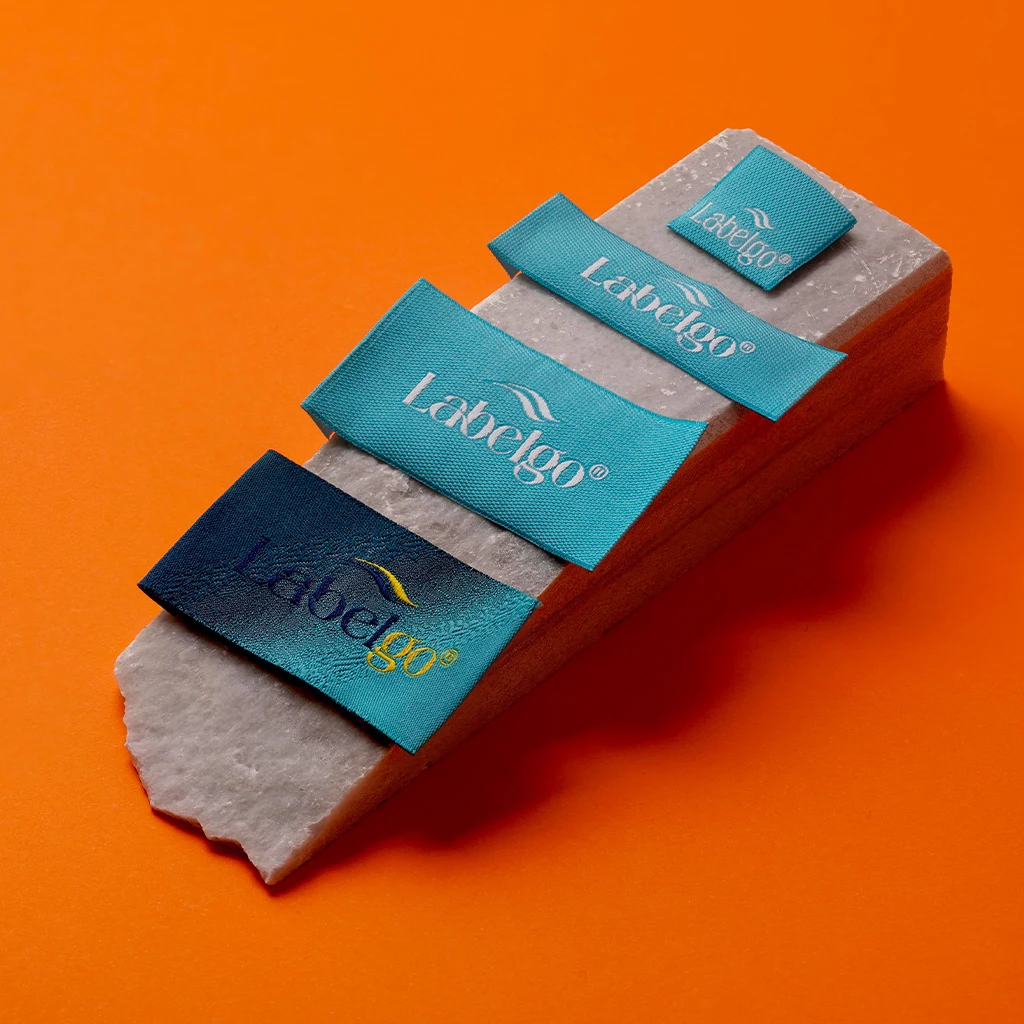
About LabelGo: 30+ Years of Textile Label Manufacturing Excellence
Combining high-volume industrial weaving capacity with boutique flexibility, LabelGo has established itself over 30+ years as a global benchmark in custom apparel trimmings. Advanced Jacquard looms and textile ink curing lines operate with micromechanical tolerances, ensuring that Custom Labels Clothing production meets exacting retail compliance standards. Brand founders and sourcing specialists benefit from streamlined digital approvals that keep seasonal product launches strictly on schedule.
Committed to uncompromising garment comfort, LabelGo utilizes exclusively OEKO-TEX® Standard 100 Class 1 certified, skin-safe yarns across all production lines. Advanced ultrasonic thermal edge sealing micro-fuses border fibers, completely eliminating neck itching and skin irritation even on sensitive infant wear. With an accessible minimum order quantity of just 250 pieces (MOQ) alongside massive bulk production capabilities, we ensure rapid 5–7 business day express worldwide delivery backed by dedicated 24/7 technical customer assistance.