
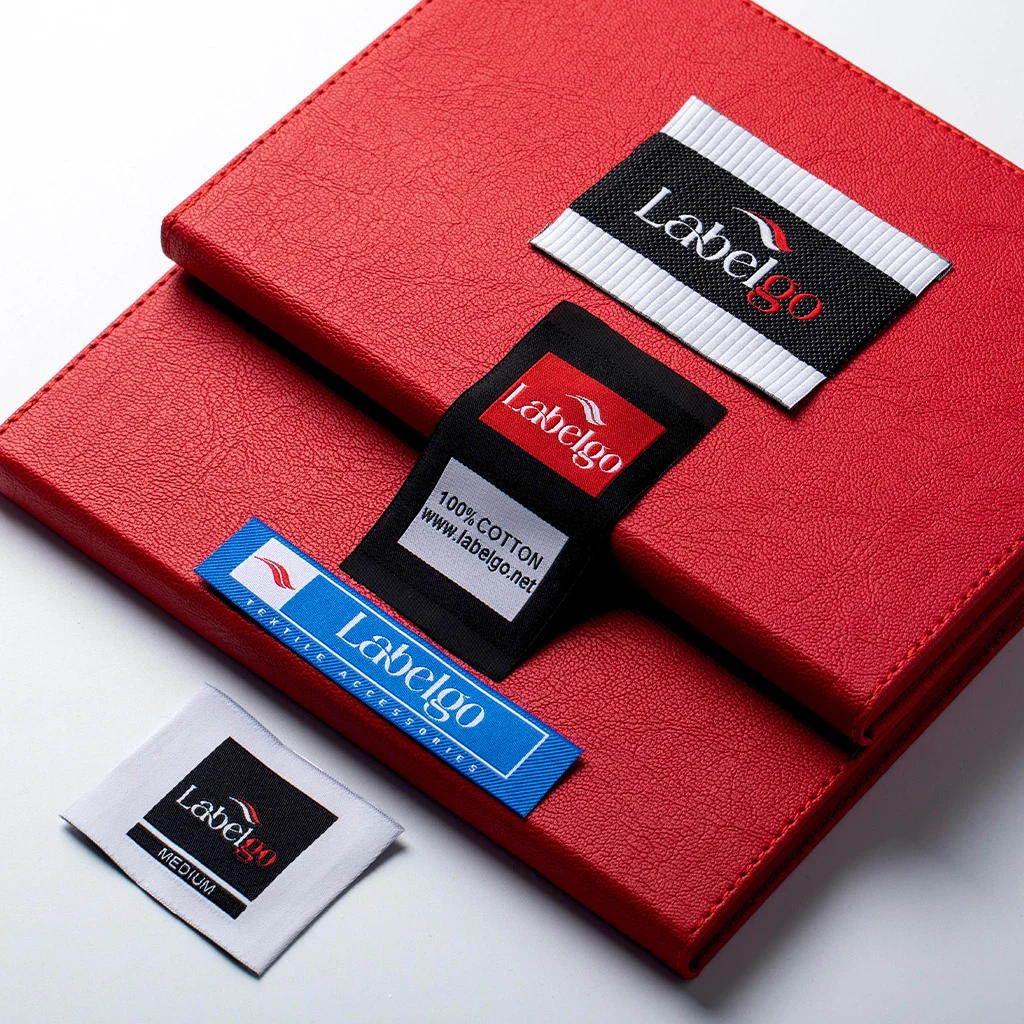
The art of personalisation extends beyond mere aesthetics; it is about crafting a narrative that resonates with consumers on a deeper level. From high-end fashion houses to independent designers, personalised clothing labels serve as silent ambassadors for brands, conveying messages of quality and exclusivity. This bespoke approach allows businesses to create a lasting impression, fostering brand loyalty through the subtle yet powerful medium of customised labelling.
Upload your own logo or artwork, choose dimensions & materials, and review your live digital preview before ordering. (LabelGo label catalog).
Configure Your Label Online Now →Material selection is another critical aspect when it comes to personalised clothing labels. The choice between silk, cotton, or synthetic fibres can significantly impact both the durability and appearance of these labels. Each material offers unique properties that cater to specific needs, whether it be for everyday wear or high-end couture. Understanding the nuances of each fabric ensures that your customised labels not only look great but also stand up to repeated use.
The journey from design to production is a complex one, involving meticulous planning and precision engineering. From initial sketches to final prototypes, every step in the manufacturing process plays a crucial role in ensuring that personalised clothing labels meet the highest standards of quality. Advanced technologies such as digital printing and laser cutting have revolutionised this field, allowing for intricate designs and unparalleled accuracy.
Compliance with UK labelling legislation is another essential consideration when producing personalised clothing labels. Navigating through these regulations can be challenging but is crucial to avoid legal repercussions and ensure consumer trust. From care instructions to fabric composition details, understanding the requirements set forth by the UK government ensures that your customised labels are not only stylish but also legally compliant.
Sustainability has become a cornerstone of modern fashion practices, and personalised clothing labels are no exception. Ethical considerations such as eco-friendly materials and responsible manufacturing processes have gained prominence in recent years. By choosing sustainable options for your Custom Clothing Labels, you not only contribute to environmental conservation but also appeal to a growing consumer base that values eco-consciousness.
The art of personalisation in clothing labels is more than just an aesthetic choice; it is a strategic move towards building a distinctive brand identity. From material selection and manufacturing processes to compliance with regulations and sustainability, every aspect plays a vital role in creating bespoke labels that resonate with consumers on multiple levels. As the fashion industry continues to evolve, personalised clothing labels remain at the heart of this dynamic landscape, offering endless possibilities for creative expression.
Table of Contents
The Art of Personalisation: Tailoring Your Brand Identity
In the world of fashion and textiles, personalised clothing labels are no longer just a luxury; they’re an essential tool for brands looking to stand out in a crowded market. These small but significant elements can elevate your brand identity, making it more memorable and distincti.
Designing Unique Label Concepts
The design of personalised clothing labels is where creativity meets precision. It’s crucial that these labels not only reflect the essence of your brand but also resonate with your target audience. From minimalist designs to intricate patterns, the possibilities are endless. A well-designed label can be a subtle yet powerful extension of your brand’s aesthetic.
When crafting unique label concepts, consider the materials and finishes available. For instance, silk-screened labels offer a tactile quality that can enhance the perceived value of your garments. Alternatively, digital printing allows for more complex designs with vibrant colours and fine details. Every order provides millimeter-accurate dimensional simulations and Pantone colour matching before entering production, ensuring that what you see is exactly what you get.
Integration with Brand Aesthetics
The integration of personalised clothing labels into your brand aesthetics is a delicate balance between consistency and innovation. These labels should seamlessly blend with the overall look and feel of your products while also standing out as unique identifiers. For example, if your brand has a bold and vibrant colour palette, your labels could feature striking contrasts or metallic accents to catch the eye.
Consistency is key in maintaining a strong brand identity. Your personalised clothing labels should align with other branding elements such as logos, packaging, and marketing materials. This cohesive approach helps reinforce brand recognition and trust among consumers. By ensuring that every touchpoint reflects your brand’s values and style, you create a more unified and memorable customer experience.
Customer Engagement Through Custom Labels
Personalised clothing labels can also serve as an effective tool for engaging with customers on a deeper level. They provide a tangible connection between the wearer and the brand, fostering a sense of ownership and pride. For instance, including a small message or signature on your labels can make each garment feel more personal and special to the customer.
Moreover, custom clothing labels (Custom Clothing Labels) offer opportunities for creative marketing campaigns. You could use these labels as part of a limited-edition release or as a way to celebrate milestones in your brand’s history. By leveraging the power of personalised clothing labels, you can create lasting impressions and build stronger relationships with your customers.
In conclusion, personalised clothing labels are more than just small pieces of fabric; they’re integral components that contribute significantly to your brand identity. Whether through unique design concepts, seamless integration into your aesthetics, or engaging customer experiences, these labels offer a multitude of ways to enhance your brand’s presence in the market.
Material Selection: Choosing the Right Fabric for Your Labels
In selecting materials for personalised clothing labels, it’s essential to consider both aesthetic and functional aspects. The right fabric can significantly enhance the durability and appearance of your labels, ensuring they remain a stylish and practical addition to any garment.
The following table compares material, print or weave quality, use case, and production process for UK textile label manufacturing.
| Criterion | Best use | Check question | Quality expectation |
|---|---|---|---|
| Personalised Clothing Labels | Brand, apparel, and accessory products. | Which information must appear on the product? | Clear, readable, and brand-consistent. |
| Woven label | Premium clothing, outerwear, and accessories. | Are thread detail and wash resistance strong? | Dense weave, clean edge, long life. |
| Printed label | Colour logos, care data, and fast production. | Are colours accurate and readable? | Sharp print, flexible base, stable colour. |
| Care / size label | Washing instructions, size, origin information. | Are symbols and languages clear? | High readability in a small space. |
| Hang tag / patch label | Retail display, collections, brand story. | Does material improve product perception? | Durable stock, clean cut, quality workmanship. |
Natural vs Synthetic Fibres
When deciding between natural and synthetic fibres for personalised clothing labels, it’s crucial to understand the properties each offers. Natural fibres such as cotton or silk are often preferred for their softness and breathability. These materials can provide a luxurious feel and look, making them ideal for high-end garments.
Synthetic fibres like polyester, on the other hand, offer superior durability and resistance to shrinking or stretching. They also tend to be more cost-effective than natural alternatives. Polyester labels are particularly favoured in mass-produced clothing due to their ability to withstand repeated washing without losing shape or colour.
Durability Considerations
One of the key factors in choosing the right fabric for personalised clothing labels is durability. Labels must be able to endure multiple washes and wear without deteriorating. Thermal edge sealing, for instance, guarantees zero fraying or loose threads even after repeated commercial laundry cycles. This ensures that your labels remain intact and professional-looking throughout their lifetime.
Additionally, the weave of the fabric plays a significant role in its longevity. A tightly woven label will generally be more durable than one with a looser weave. For instance, a densely woven polyester label can withstand harsher conditions compared to a loosely woven cotton label. This is particularly important for labels that may face frequent friction or exposure to elements.
Eco-Friendly Options
With growing environmental concerns, eco-friendly options have become increasingly popular in the textile industry. For personalised clothing labels, this means considering materials such as organic cotton or recycled polyester. Organic cotton is grown without harmful pesticides and chemicals, making it a more sustainable choice.
Clothing Labels With Logo can also be made from recycled materials, reducing the environmental impact of production. These eco-friendly options not only benefit the planet but also appeal to consumers who are environmentally conscious.
The choice between natural and synthetic fibres will often depend on your specific needs and preferences. However, incorporating eco-friendly practices into your label manufacturing process can enhance both the sustainability and marketability of your personalised clothing labels.
Manufacturing Processes: From Design to Production
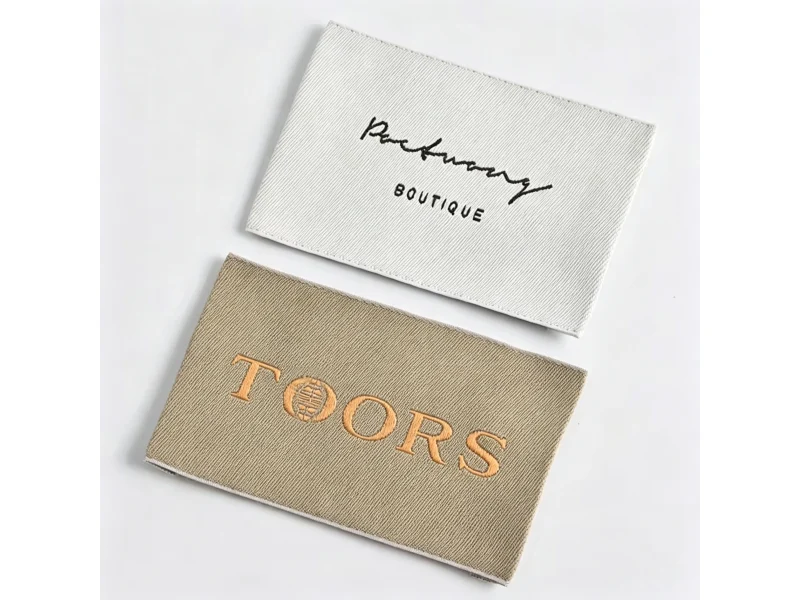
State-of-the-Art Label Printing Techniques
The advancement in label printing techniques has revolutionised the way personalised clothing labels are produced. Modern digital printing methods allow for high-resolution images and vibrant colours that stand out on any fabric. These techniques also offer flexibility, enabling brands to quickly adapt designs based on market trends or customer preferences.
One of the most innovative approaches is direct-to-garment (DTG) printing, which allows labels to be printed directly onto textiles with minimal setup costs and time. This method ensures that each label is precisely aligned and securely adhered, providing a seamless look on clothing items.
Quality Control Measures
The importance of quality control in the production of personalised clothing labels cannot be overstated. Rigorous testing at every stage of manufacturing helps ensure consistency and durability. This includes checking for colour accuracy, print resolution, and adhesion strength to prevent peeling or fading over time.
Worldwide logistics are handled via DHL Express, delivering to the UK and EU within 1–3 days and North America in 2–4 days. This ensures that high-quality labels reach their destination without compromising on integrity or timeliness.
Innovations in Customisation
The rise of customisation has transformed the fashion industry, with consumers increasingly demanding personalised products. Personalised clothing labels are at the forefront of this trend, offering a unique way to personalise garments while maintaining brand identity.
One notable innovation is variable data printing (VDP), which allows for individualised information such as names or serial numbers to be printed on each label during production. This not only enhances customer satisfaction but also aids in inventory management and anti-counterfeiting efforts.
For those looking to explore the possibilities of customisation further, our Custom Labels Clothing service offers a range of options tailored to meet specific brand requirements. Whether it’s for a small boutique or a large-scale fashion label, the focus remains on delivering bespoke solutions that resonate with consumers and uphold brand standards.
In conclusion, the evolution in manufacturing processes for personalised clothing labels has not only enhanced their aesthetic appeal but also reinforced their role as essential components of high-quality garments. By leveraging state-of-the-art printing techniques, stringent quality control measures, and innovative customisation options, brands can ensure that each label tells a unique story while maintaining the highest standards of excellence.
Compliance and Legal Regulations: Navigating UK Labelling Legislation
Strategic specification ensures that Personalised Clothing Labels execution aligns precisely with garment specifications and retail positioning.
LabelGo pairs modern web configuration with dedicated manufacturing expertise for dependable turnaround and scalable wholesale volumes.
Understanding Regulatory Standards
In the realm of Personalised Clothing Labels, compliance with regulatory standards is paramount. The UK’s labelling legislation, which includes directives from both domestic bodies and the EU, sets out stringent requirements for information that must be included on clothing labels. These regulations cover a wide range of details, including fibre content, care instructions, and country of origin. For instance, the Mitre Fold technique creates inward diagonal corners forming an elegant hanging loop inside jackets and heavy coats, ensuring both aesthetic appeal and functional durability.
Understanding these standards is crucial for manufacturers to avoid legal penalties and maintain consumer trust. Fibre composition must be accurately stated, with specific rules governing how this information should be presented. Additionally, care instructions must be clear and concise, guiding consumers on the appropriate methods of cleaning and maintenance. The complexity of these regulations necessitates a thorough understanding by all parties involved in the production process.
Ensuring Compliance with EU Directives
The UK’s departure from the European Union has not diminished the importance of adhering to EU directives, particularly for businesses that export goods or source materials from within the EU. The Clothing Labels For Small Businesses must still comply with EU regulations if they wish to maintain market access and avoid potential trade barriers. This includes following directives such as those outlined in the Textile Products Regulation (EU) 1007/2011, which sets out detailed requirements for textile labelling.
To ensure compliance, businesses must stay informed about any changes or updates to these regulations. Regular audits and reviews of labelling practices are essential to avoid non-compliance issues. Engaging with legal experts who specialise in EU directives can also provide valuable guidance on navigating the complex landscape of international trade laws. This proactive approach not only mitigates risks but also enhances a company’s reputation for reliability and transparency.
Best Practices for Label Information
Effective labelling is about more than just compliance; it’s an opportunity to enhance brand identity and consumer trust. Best practices in label information include using clear, legible fonts and ensuring that all required details are prominently displayed. For Personalised Clothing Labels, this means not only adhering to legal requirements but also providing additional value through informative content.
For example, including care instructions that go beyond the minimum legal standards can help build customer loyalty by reducing the likelihood of damage due to improper care. Additionally, transparent labelling about materials and manufacturing processes can appeal to consumers who are increasingly conscious of sustainability and ethical sourcing. By adopting these best practices, businesses can ensure they not only meet regulatory requirements but also exceed consumer expectations.
Sustainability in Personalised Clothing Labels: Ethical Considerations
In the pursuit of both personalisation and sustainability, the textile industry is increasingly focusing on eco-friendly practices that do not compromise quality or individuality. This shift towards more responsible manufacturing processes has led to a reevaluation of how personalised clothing labels are produced.
Eco-Friendly Production Methods
One of the most significant steps in making personalised clothing labels sustainable is adopting eco-friendly production methods. Traditional label-making often involves high energy consumption and the use of non-renewable resources, which can be detrimental to the environment. Modern techniques such as digital printing have emerged as a more environmentally friendly alternative. Digital printing reduces waste by using only the ink required for each design, minimising excess material.
Moreover, water-based inks are gaining popularity due to their low toxicity and biodegradability compared to traditional solvent-based alternatives. These innovations not only reduce environmental impact but also ensure that personalised clothing labels can be produced with minimal harm to natural resources.
Recyclable Materials
The use of recyclable materials is another crucial aspect of sustainable label production. Traditional polyester and nylon fabrics, while durable, are non-biodegradable and contribute significantly to landfill waste. In contrast, recycled polyesters made from post-consumer plastic bottles offer a viable alternative. These materials maintain the strength and durability required for personalised clothing labels while reducing reliance on virgin plastics.
Additionally, natural fibres such as organic cotton and hemp can be used in label production. Organic cotton is grown without harmful pesticides or synthetic fertilisers, making it an eco-friendly choice. Hemp, known for its fast growth rate and minimal water requirements, is another sustainable option that provides a robust material for labels.
Carbon Footprint Reduction
Reducing the carbon footprint of personalised clothing labels involves several strategies aimed at minimising energy consumption and emissions throughout the production process. One effective approach is to source materials locally whenever possible, thereby reducing transportation-related emissions. This practice also supports local economies and reduces dependency on long-distance supply chains.
Furthermore, investing in renewable energy sources for manufacturing processes can significantly lower carbon footprints. Solar panels or wind turbines can power factories, ensuring that the electricity used in production is clean and sustainable. High-tenacity polyester threads resist chlorine bleach, harsh chemical detergents, and sunlight exposure, making them a durable choice that aligns with sustainability goals.
By focusing on eco-friendly methods, recyclable materials, and carbon footprint reduction, manufacturers of personalised clothing labels can contribute positively to environmental conservation while still delivering high-quality products. This approach not only meets ethical considerations but also resonates with consumers who are increasingly conscious about the impact of their purchasing decisions on the planet.
Selecting the right Personalised Clothing Labels involves evaluating fabric composition, wash frequency, skin-contact softness, and overall brand positioning. High-density labels provide a premium look for primary brand logos. Confirming fold style and seam margins prior to production ensures flawless bulk manufacturing.
For comprehensive technical insights on textile fibre structures, OEKO-TEX Standard 100 safety, and international labelling compliance, you can review Wikipedia Textile Labelling Standards and Industry Search on Google UK.
5 Proven Guidelines for Designing & Producing High-Quality Personalised Clothing Labels
When selecting and manufacturing Personalised Clothing Labels, these 5 essential quality standards, material choices, edge sealing techniques, and compliance rules dictate long-term durability and brand value:
1. Ribbon Base Material Options (Satin, Cotton & Taffeta)
From an industrial manufacturing perspective, high-density Damask weave provides superior graphic detail and ultra-soft feel for Personalised Clothing Labels. Selecting 100-denier micro-polyester yarn guarantees crisp lettering and smooth logo reproduction across all garment tags.
2. Anti-Fray Ultrasonic Thermal Cutting for Skin Comfort
Ultrasonic smooth heat-sealed edges prevent neck irritation and skin scratchiness completely. Thermal edge fusion micro-seals loose warp threads without hard corners.
3. Fold Configurations (Center vs End Fold vs Straight Cut)
According to British textile industry best practices, selecting the correct fold style depends on seam placement, garment construction, and brand aesthetic. Center Fold is ideal for necklines and side seams with dual-sided logo visibility.
4. Wash Fastness & Detergent Durability at 60°C
As an essential technical consideration, iSO 105 colourfast polyester yarns withstand 60°C industrial wash cycles without colour bleeding or fading. Solution-dyed yarns retain vibrant colour saturation.
5. Pantone TCX Colour Accuracy & Vector File Preparation
From an industrial manufacturing perspective, vector files (.AI or .PDF) with minimum 0.15mm line thickness guarantee razor-sharp weaving detail on Jacquard looms. Fonts under 3pt should be enlarged to maintain legibility.
Conclusion
In an era where personalisation and sustainability are paramount, the future of personalised clothing labels is bright. As we’ve explored, these labels not only enhance brand identity but also offer a unique touch that resonates with consumers seeking individuality. The integration of smart RFID technology promises to elevate this further, providing traceability and enhancing customer engagement.
Looking ahead, the textile industry must prioritise sustainable practices in label manufacturing. Eco-friendly materials and innovative production methods will not only reduce environmental impact but also bolster brand longevity by aligning with consumer values. As we embrace these advancements, personalised clothing labels will continue to play a crucial role in shaping the future of fashion.
Ultimately, the journey towards a more sustainable and technologically advanced textile industry is one that requires collaboration and innovation. By embracing personalised clothing labels as a cornerstone of this evolution, brands can not only meet but exceed consumer expectations, ensuring a legacy built on both style and substance.
🔗 Related LabelGo Garment Branding Resources
Explore these related product guides and manufacturing pages to plan a cohesive apparel branding package:
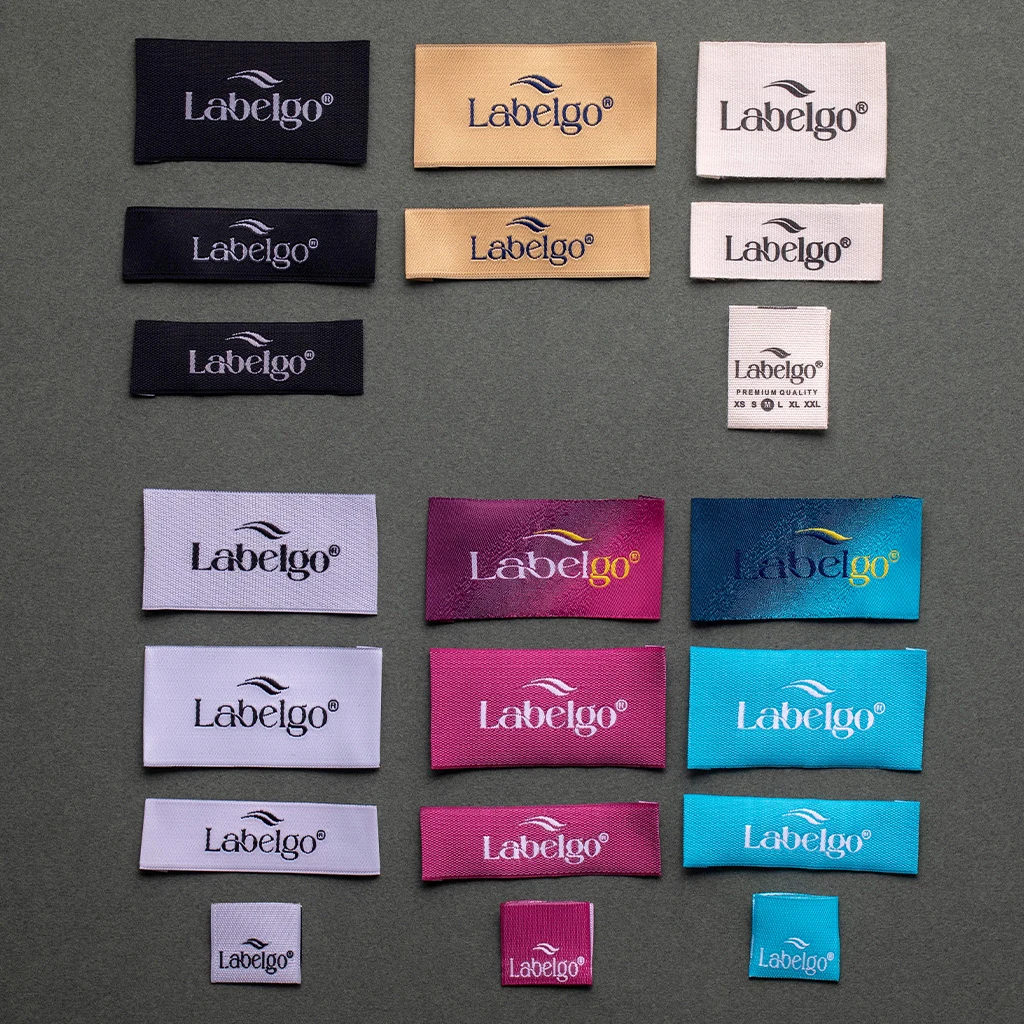
The LabelGo Standard: High-Density Weaving, HD Printing & Global Fulfillment
Fusing traditional Jacquard craftsmanship with modern digital convenience, LabelGo brings over 3 decades of textile manufacturing excellence directly to your design studio. Our intuitive online configurator allows apparel creators to customize dimensions, fold styles, and Pantone TCX thread codes with ease. Whether producing Personalised Clothing Labels or full garment trim packages, high-speed automated weaving looms and precision thermal transfer lines reproduce micro-fine lettering and complex vector graphics with razor-sharp fidelity.
Hypoallergenic and environmentally responsible, our raw fibers undergo comprehensive toxicological screening to meet international safety and environmental directives. Ultra-smooth ultrasonic heat cutting seals every edge without abrasive burrs, ensuring optimal drape and next-to-skin comfort. Backed by accessible 250-piece low MOQ tiers, fashion founders enjoy global 5–7 business day expedited shipping and responsive guidance from seasoned label specialists.