
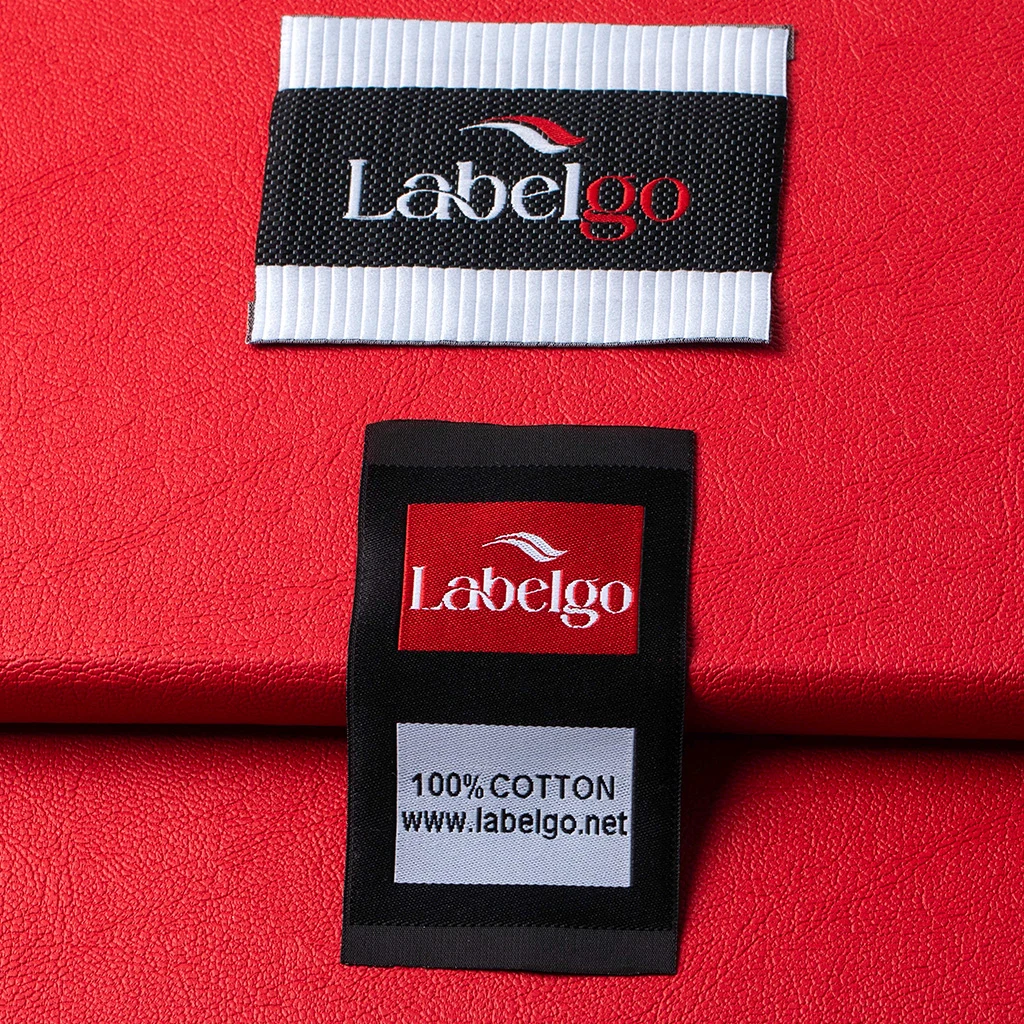
Understanding the legal regulations surrounding Clothing Labels For Fashion Brands is paramount for any brand looking to establish itself in the competitive UK market. Compliance with these rules ensures that a label not only meets but exceeds consumer expectations and legal standards, safeguarding both the brand’s integrity and its customer base.
Upload your own logo or artwork, choose dimensions & materials, and review your live digital preview before ordering. (LabelGo label catalog).
Configure Your Label Online Now →The design of impactful brand labels requires a delicate balance between aesthetics and functionality. A well-designed label can elevate a garment from ordinary to extraordinary, serving as a visual cue for quality and style. Designers must consider how these elements will enhance their products while ensuring they align with the broader branding strategy.
Material analysis plays a crucial role in determining the durability and longevity of clothing brand labels. From natural fibres to synthetic materials, each choice impacts not only the label’s appearance but also its resilience against wear and tear. Understanding these nuances is essential for creating labels that stand the test of time without compromising on style.
Labeling techniques and implantation processes are equally important aspects to consider. Whether through heat transfer, embroidery, or other methods, the process by which a label is affixed to clothing can significantly impact its overall quality and effectiveness. A poorly executed labelling technique can detract from even the most meticulously designed garment.
Quality control for clothing brand labels cannot be overstated. Ensuring that each label meets rigorous standards not only protects the brand’s reputation but also guarantees a positive customer experience. From initial design to final production, every step must be carefully monitored to maintain consistency and excellence.
The journey of a clothing brand label from concept to completion is an intricate dance between artistry and precision. By mastering these elements, brands can create labels that resonate with consumers on both an aesthetic and functional level, ultimately reinforcing their position in the competitive fashion landscape.
Table of Contents
Understanding Legal Regulations for Clothing Brand Labels
Strategic specification ensures that Clothing Brand Labels execution aligns precisely with garment specifications and retail positioning.
LabelGo pairs modern web configuration with dedicated manufacturing expertise for dependable turnaround and scalable wholesale volumes.
Compliance Requirements
In the competitive landscape of fashion, clothing brand labels are not just a matter of style but also legal compliance. Brands must adhere to stringent regulations that dictate what information is required on their product labels. These requirements ensure transparency and protect consumers from misleading practices. For instance, the Clothing Labels For Fashion Brands must include details such as fibre content, care instructions, and country of origin. Failure to comply can result in hefty fines and damage to a brand’s reputation.
The complexity of these regulations varies across regions, but the UK has its own set of guidelines that brands must follow. The Textile Products (Labelling) Regulations 2013 are particularly important as they mandate specific labelling requirements for all textile products sold in the UK. These include detailed information on fabric composition and care instructions, which must be presented clearly and accurately. Compliant with international textile safety standards, skin-safe Clothing Brand Labels guarantees optimal wearer comfort from day one.
Labelling Legislation Overview
The legislative framework surrounding clothing brand labels is comprehensive and designed to protect consumer rights while ensuring fair competition among brands. The primary legislation that governs this area in the UK includes the Consumer Protection from Unfair Trading Regulations 2008, which prohibits misleading practices such as false labelling or inadequate information on product tags.
Moreover, the Textile Products (Labelling) Regulations 2013 are crucial for ensuring that clothing labels provide accurate and transparent information. These regulations cover a wide range of products, from garments to household textiles, and specify the required content and format of labels. For example, fibre content must be listed in descending order by weight, with each component exceeding 5% being named individually.
Regulatory Standards
The production standards for clothing brand labels are equally important as they ensure durability and quality that meet consumer expectations. One such standard is the use of thermal edge sealing, which guarantees zero fraying or loose threads even after repeated commercial laundry cycles. This not only enhances the longevity of the label but also maintains its aesthetic appeal.
Additionally, regulatory bodies like the British Standards Institution (BSI) provide guidelines and certifications that brands can adhere to for quality assurance. These standards cover everything from material sourcing to manufacturing processes, ensuring that clothing brand labels meet both legal requirements and consumer demands for high-quality products. By adhering to these rigorous standards, brands not only comply with regulations but also build trust and loyalty among their customers.
Designing Impactful Brand Labels
In Clothing Brand Labels development, typography contrast, Pantone shade matching, and vector scalability are paramount. Ensuring maximum logo legibility on compact woven or printed grounds guarantees a polished garment finish.
Pre-production digital PDF proofing allows design teams to verify line weights and fold allowances before volume looms are commissioned.
Typography Choices
The typography you choose for your clothing brand labels is a critical element that can significantly influence consumer perception and brand recognition. Selecting the right font can convey the essence of your brand, whether it’s modern, classic, or avant-garde. For instance, sans-serif fonts like Helvetica or Arial are often associated with contemporary and minimalist aesthetics, making them ideal for brands aiming to communicate a sleek, sophisticated image. Conversely, serif fonts such as Times New Roman or Garamond can evoke a sense of tradition and elegance, suitable for brands that want to project an air of heritage and quality.
The following table compares material, print or weave quality, use case, and production process for UK textile Clothing Brand Labels manufacturing.
| Criterion | Best use | Check question | Quality expectation |
|---|---|---|---|
| Clothing Brand Labels | Brand, apparel, and accessory products. | Which information must appear on the product? | Clear, readable, and brand-consistent. |
| Woven label | Premium clothing, outerwear, and accessories. | Are thread detail and wash resistance strong? | Dense weave, clean edge, long life. |
| Printed label | Colour logos, care data, and fast production. | Are colours accurate and readable? | Sharp print, flexible base, stable colour. |
| Care / size label | Washing instructions, size, origin information. | Are symbols and languages clear? | High readability in a small space. |
| Hang tag / patch label | Retail display, collections, brand story. | Does material improve product perception? | Durable stock, clean cut, quality workmanship. |
It’s also important to consider the legibility of your chosen typography across different sizes and materials. Labels on clothing often need to be small yet readable, so opting for fonts with clear distinctions between letters can prevent confusion. Additionally, custom typography can set your brand apart from competitors by offering a unique visual identity that resonates with consumers. For more insights into creating distinctive labels, explore Custom Labels For Clothing Brands.
Colour Psychology in Label Design
The use of colour on clothing brand labels is another powerful tool for communicating your brand’s identity and values. Colours can evoke specific emotions and associations, which are crucial for creating a lasting impression on consumers. Red, for example, often symbolises passion, energy, and urgency, making it an excellent choice for brands that want to convey excitement or action. Blue, on the other hand, is associated with trustworthiness, stability, and reliability, ideal for brands aiming to build long-term customer loyalty.
When selecting colours for your labels, consider how they align with your brand’s overall aesthetic and message. For instance, a luxury fashion label might opt for rich, deep tones like burgundy or navy blue to convey sophistication and exclusivity. Meanwhile, eco-friendly clothing brands may favour earthy greens and browns to reinforce their commitment to sustainability. The dedicated Care Label Studio ensures seamless compliance with international ISO wash care symbols, composition, and sizing, providing an additional layer of professionalism and trustworthiness.
Innovative Label Materials
The materials used for clothing brand labels are not only functional but also play a significant role in the overall aesthetic and sustainability of your products. Traditional fabric labels can sometimes feel bulky or uncomfortable against the skin, prompting many brands to explore alternative options that enhance both comfort and style. One such innovation is the use of woven labels, which offer a sleeker appearance while maintaining durability.
Another trend gaining traction in the fashion industry is the adoption of eco-friendly materials for brand labels. Brands are increasingly opting for biodegradable or recycled fabrics to align with their sustainability goals. For example, using organic cotton or hemp not only reduces environmental impact but also appeals to consumers who prioritise ethical and green practices. These innovative approaches can help your clothing brand stand out in a crowded market while demonstrating a commitment to responsible manufacturing. For growing streetwear labels and established houses alike, certified Clothing Brand Labels represents a refined hallmark of quality.
Fibre Identification
The foundation of any successful clothing brand lies in the quality and integrity of its materials, particularly when it comes to Clothing Brand Labels. Fibre identification is a critical process that ensures consistency and authenticity. By accurately identifying fibres such as cotton, polyester, or wool, manufacturers can maintain the high standards expected by consumers.
Advanced fibre analysis techniques like infrared spectroscopy (IR) and gas chromatography-mass spectrometry (GC-MS) are often employed to determine the composition of fabrics used in labels. These methods provide detailed insights into the material’s properties, ensuring that the label not only complements the garment but also meets industry standards for durability and comfort.
Durability Testing
Ensuring the longevity of brand labels is paramount to maintaining a professional image and customer satisfaction. Durability testing involves rigorous assessments such as tensile strength tests, abrasion resistance evaluations, and exposure to environmental factors like UV light and moisture. These tests help manufacturers understand how well the label will withstand regular wear and tear.
One notable technique used in durability testing is the centre Fold method, which creates a double-sided loop tag sewn inside back collars to present the logo on the front and sizing information on the reverse. This not only enhances the aesthetic appeal but also ensures that vital branding details remain visible and intact over time.
Sustainability Considerations
In today’s environmentally conscious market, sustainability is a key consideration for Clothing Brand Labels. Brands are increasingly seeking eco-friendly alternatives to traditional materials. For instance, biodegradable fibres like hemp or recycled polyester can be used in label production.
Moreover, the manufacturing process itself must be scrutinised for its environmental impact. Water usage, energy consumption, and waste management practices all play a role in determining the sustainability of a brand’s labels. By choosing suppliers who adhere to strict green standards, brands can ensure that their Custom Clothing Labels not only meet aesthetic and functional requirements but also align with broader environmental goals.
The meticulous analysis of materials used in brand labels is essential for maintaining the integrity and appeal of a clothing line. From fibre identification to durability testing and sustainability considerations, every aspect must be carefully evaluated to ensure that the final product meets both industry standards and consumer expectations. During apparel development, specifying your Clothing Brand Labels with ultra-soft edge sealing ensures irritation-free everyday wear.
Labeling Techniques and Implantation Processes
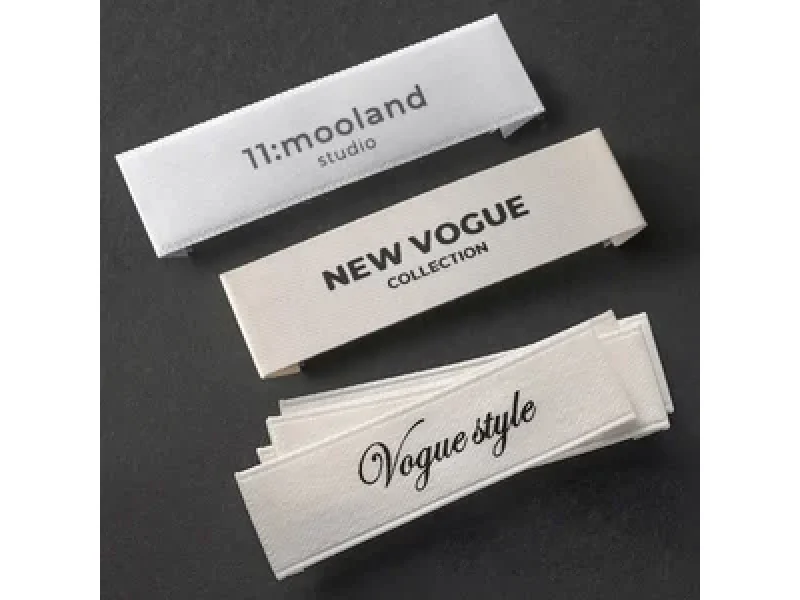
In-line optical inspections verify repeat pitch and fold alignment across every single production unit.
Heat Transfer Labels
Heat transfer labels have become a popular choice for clothing brand labels due to their versatility and cost-effectiveness, particularly in smaller production runs. These labels are created by printing the design onto a special paper using heat-sensitive ink. Once printed, the label is placed on the fabric of the garment and pressed with a heat press machine, which transfers the ink from the paper to the fabric. This method allows for intricate designs and vibrant colours that can be easily customised.
The process involves careful calibration of temperature and pressure to ensure optimal transfer without damaging the fabric or compromising the label’s integrity. The durability of these Clothing Brand Labels options is highly dependent on the quality of the inks used, with high-quality heat-sensitive inks offering excellent resistance against fading and peeling over time. For brands looking for a balance between customisation and cost efficiency, heat transfer labels provide an ideal solution.
Woven vs. Printed Labels
On the other hand, printed labels offer greater flexibility in design and can be produced more quickly and cost-effectively than woven ones. these Clothing Brand Labels options are typically made by printing designs onto pre-cut pieces of fabric using digital printers or screen-printing techniques. While they may not have the same longevity as woven labels, they provide a wider range of colour options and intricate detail that can enhance brand identity.
Digital Printing Innovations
The advent of digital printing has revolutionised the production of clothing brand labels, offering unparalleled precision and customisation capabilities. Digital printers can produce high-resolution images with a vast array of colours, making them ideal for creating detailed logos and intricate patterns that are difficult to achieve through traditional methods.
One significant advantage of digital printing is its ability to print on demand, allowing brands to order smaller quantities without incurring the setup costs associated with larger production runs. This flexibility is particularly beneficial for fashion labels that need to quickly adapt to market trends or produce limited-edition collections.
The technology also enables direct-to-garment (DTG) printing, where designs can be printed directly onto fabric rather than using separate labels. However, this method requires careful consideration of the fabric type and pre-treatment processes to ensure that the print adheres correctly and maintains its quality over time. Despite these considerations, digital printing continues to push the boundaries of what is possible in clothing brand label design.
Inspection Protocols
The inspection protocols for clothing brand labels are critical to ensuring that every label meets the high standards expected by both manufacturers and consumers. A robust inspection process begins with a thorough examination of the raw materials used in production, such as the fabric quality and adhesives. This initial step helps identify any potential issues early on, preventing defective items from progressing through the manufacturing line.
Once these Clothing Brand Labels options are produced, they undergo rigorous visual inspections to check for defects like misalignment, incorrect colouration, or text errors. Automated systems can be employed to scan each label for consistency and accuracy, but human oversight remains essential for identifying more subtle issues that might not be caught by machines. This dual approach ensures a high level of quality control throughout the production process.
Error Reduction Strategies
Reducing errors in the production of clothing brand labels is paramount to maintaining a strong reputation and customer satisfaction. One effective strategy involves implementing advanced software solutions that can detect and correct errors before they reach the manufacturing stage. For instance, digital proofing tools allow designers and quality control teams to review label designs meticulously, ensuring all details are accurate.
Another key approach is continuous training for staff involved in the production process. Regular workshops and updates on best practices help keep everyone informed about the latest standards and techniques. Additionally, maintaining a well-documented standard operating procedure (SOP) ensures consistency across different shifts and teams. By combining these strategies with regular audits of the manufacturing processes, companies can significantly minimise errors and maintain high-quality output.
Customer Feedback Integration
Incorporating customer feedback into the quality control process for clothing brand labels is essential for continuous improvement. Companies should establish clear channels through which customers can provide their opinions on label design, durability, and overall satisfaction Contact the LabelGo production team for further technical specifications.
For instance, if customers frequently report issues with label adhesion or readability, these concerns can be addressed in future production runs through adjustments to materials or manufacturing techniques. Heat-seal Iron-On backings offer convenient thermal application for technical outerwear, headwear, and sportswear, which can enhance durability and customer satisfaction. When produced to strict textile standards, high-grade Clothing Brand Labels withstands repeated industrial laundering cycles without distortion.
By integrating customer feedback into the quality control process, companies can ensure that their clothing brand labels not only meet but exceed consumer expectations. This proactive approach helps build a loyal customer base and strengthens the overall brand image in the competitive fashion industry.
Selecting the right Clothing Brand Labels involves evaluating fabric composition, wash frequency, skin-contact softness, and overall brand positioning. High-density labels provide a premium look for primary brand logos. Confirming fold style and seam margins prior to production ensures flawless bulk manufacturing.
For comprehensive technical insights on textile fibre structures, OEKO-TEX Standard 100 safety, and international labelling compliance, you can review Wikipedia Textile Labelling Standards and Industry Search on Google UK.
6 Golden Rules & Quality Benchmarks for Clothing Brand Labels
When selecting and manufacturing Clothing Brand Labels, these 6 essential quality standards, material choices, edge sealing techniques, and compliance rules dictate long-term durability and brand value:
1. Substrate Material Selection for Garment Labels
During precision production and quality assurance, high-density Damask weave provides superior graphic detail and ultra-soft feel for Clothing Brand Labels. Selecting 100-denier micro-polyester yarn guarantees crisp lettering and smooth logo reproduction across all garment tags.
2. Ultrasonic Heat-Sealed Edges (Zero Fraying)
Ultrasonic smooth heat-sealed edges prevent neck irritation and skin scratchiness completely. Thermal edge fusion micro-seals loose warp threads without hard corners.
3. Label Folding Options: centre Fold, End Fold, and Loop
According to British textile industry best practices, selecting the correct fold style depends on seam placement, garment construction, and brand aesthetic. Centre Fold is ideal for necklines and side seams with dual-sided logo visibility.
4. Colourfastness and 60°C Industrial Wash Durability
As an essential technical consideration, iSO 105 colourfast polyester yarns withstand 60°C industrial wash cycles without colour bleeding or fading. Solution-dyed yarns retain vibrant colour saturation.
5. Pantone Matching Standards for Crisp Graphic Production
From an industrial manufacturing perspective, vector files (.AI or.PDF) with minimum 0.15mm line thickness guarantee razor-sharp weaving detail on Jacquard looms. Fonts under 3pt should be enlarged to maintain legibility. In modern garment manufacturing, choosing the right Clothing Brand Labels directly reinforces overall brand perception.
6. OEKO-TEX Standard 100 Certification & Safety
OEKO-TEX Standard 100 Class 1 certified yarns guarantee zero harmful substances for infant and children apparel. European fashion buyers consider this a mandatory standard.
A Vision for the Future of Clothing Brand Labels
The future of clothing brand labels is poised to be a tapestry woven from sustainability, innovation, and enduring brand identity. As we look ahead, it’s clear that labels will no longer serve merely as markers of authenticity but will evolve into interactive platforms that engage consumers on a deeper level. The integration of smart RFID technology promises not only enhanced traceability and transparency but also an immersive shopping experience that bridges the physical and digital realms.
To truly thrive in this new landscape, brands must prioritise sustainability without compromising on quality or style. This means embracing eco-friendly materials and ethical manufacturing processes, all while maintaining a distinctive brand voice that resonates with consumers’ values. By doing so, clothing brands can not only secure their longevity but also contribute positively to the environment and society at large.
As we stand on the cusp of this transformative era in textile labelling, it’s time for industry leaders to embrace these changes wholeheartedly. Let us envision a future where every Clothing Brand Label tells a story of innovation, sustainability, and timeless elegance. This is not just an opportunity; it’s a responsibility that will shape the legacy of our brands for generations to come.
🔗 Related LabelGo Garment Branding Resources
Explore these related product guides and manufacturing pages to plan a cohesive apparel branding package:
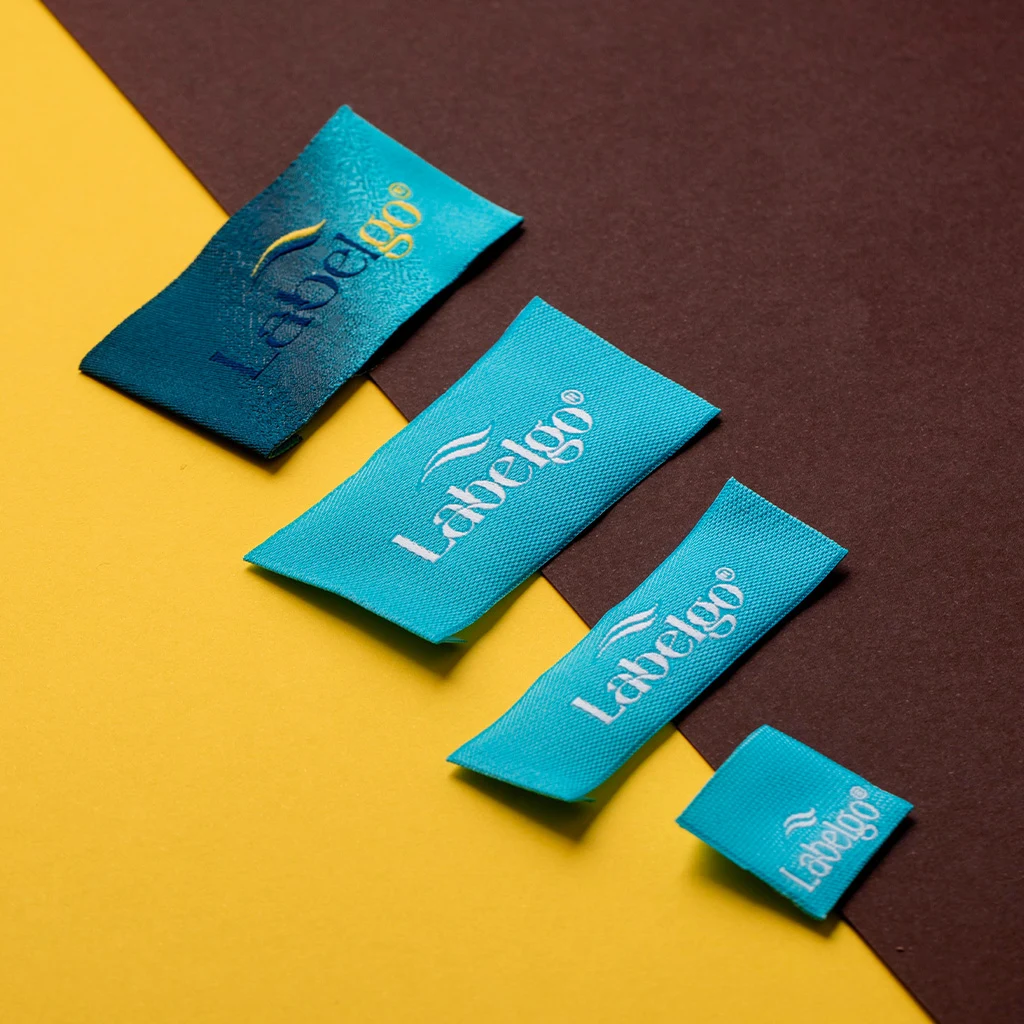
The LabelGo Standard: High-Density Weaving, HD Printing & Global Fulfillment
Fusing traditional Jacquard craftsmanship with modern digital convenience, LabelGo brings over 3 decades of textile manufacturing excellence directly to your design studio. Our intuitive online configurator allows apparel creators to customize dimensions, fold styles, and Pantone TCX thread codes with ease. Whether producing Clothing Brand Labels or full garment trim packages, high-speed automated weaving looms and precision thermal transfer lines reproduce micro-fine lettering and complex vector graphics with razor-sharp fidelity.
Hypoallergenic and environmentally responsible, our raw fibers undergo comprehensive toxicological screening to meet international safety and environmental directives. Ultra-smooth ultrasonic heat cutting seals every edge without abrasive burrs, ensuring optimal drape and next-to-skin comfort. Backed by accessible 250-piece low MOQ tiers, fashion founders enjoy global 5–7 business day expedited shipping and responsive guidance from seasoned label specialists.