
Woven Labels should be planned as a UK textile label manufacturing choice by matching garment type, material, fold style, wash resistance, print or weave quality, and brand identity.
This guide covers woven labels, printed labels, care labels, hang tags, size labels, made-in labels, and patch labels for UK-focused decisions.
What Are Woven Labels?
The following table compares material, print or weave quality, use case, and production process for UK textile label manufacturing.
| Criterion | Best use | Check question | Quality expectation |
|---|---|---|---|
| Woven Labels | Brand, apparel, and accessory products. | Which information must appear on the product? | Clear, readable, and brand-consistent. |
| Woven label | Premium clothing, outerwear, and accessories. | Are thread detail and wash resistance strong? | Dense weave, clean edge, long life. |
| Printed label | Colour logos, care data, and fast production. | Are colours accurate and readable? | Sharp print, flexible base, stable colour. |
| Care / size label | Washing instructions, size, origin information. | Are symbols and languages clear? | High readability in a small space. |
| Hang tag / patch label | Retail display, collections, brand story. | Does material improve product perception? | Durable stock, clean cut, quality workmanship. |
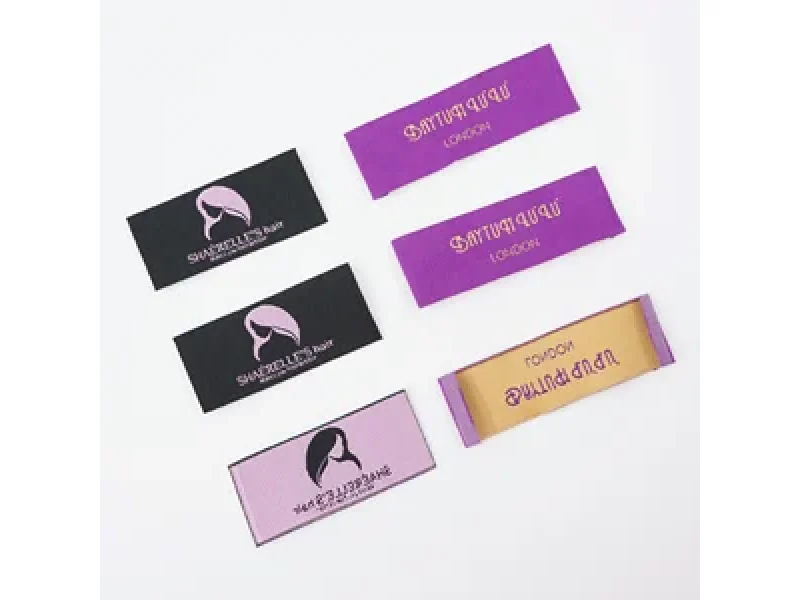
Bespoke design options: Customised woven labels allow UK clothing brands to create unique identifiers that reflect their brand identity.
Care labelling
Woven care labels provide essential washing instructions directly on the garment, enhancing user experience and product longevity.
Fibre information: These labels can include detailed fibre content for transparency in material composition.
Small-batch practicality: Ideal for customised orders where quick turnaround is crucial, ensuring timely delivery to meet market demands.
Digital proofing and quality control: Before production, digital proofs ensure designs are perfect before any fabric waste occurs. Quality checks guarantee flawless end products.
UK delivery expectations: With a London and Istanbul presence, LabelGo offers reliable international shipping alongside local UK deliveries for seamless order management.
Care Labelling: We provide clear care labelling information, ensuring your customers know how best to look after their garments.
Fibre Information
We offer detailed fibre content analysis for each label option, helping you choose the most suitable material based on garment requirements.
Bespoke Solutions: Our small-batch practicality allows us to produce bespoke labels tailored exactly to your needs and preferences.
Turnaround Time
We offer fast turnaround times for customised this textile label, ensuring you can meet tight deadlines without compromising on quality.
UK Delivery: We prioritise UK delivery options, providing clear tracking information so you always know where your order is in the process.
Customised labels enhance product differentiation and appeal in premium fashion brands.
Artwork Proof: Digital proofing ensures the design matches expectations before production starts.
Turnaround Time: Opt for a supplier with quick turnaround times, ideal for small-batch orders.
Ensuring Durability in this textile label
Durability Checks:
- Pull tests: To ensure the label remains intact after repeated use or washing cycles.
- Tear resistance testing: Measures how easily a woven label can be torn, which is crucial for robust applications like luggage tags.
These checks are vital to guarantee that your labels will withstand the rigours of daily wear and tear. Always request these tests from your supplier before finalising an order.
Artwork Proofing: A Crucial Step in Woven Label Production
Proofreading:
- High-resolution digital proofs can be sent for approval. Ensure all text, logos, and design elements are correct before proceeding.
- In-person proof checks may also be necessary to ensure the final product meets your expectations in terms of colour accuracy and detail.
Artwork errors at this stage can lead to costly reprints. Thoroughly review all proofs provided by the manufacturer or supplier before signing off on production.
- Fraying: A common issue in a garment label option, especially with natural fibres. Edge finishing techniques can prevent this problem and enhance the label’s appearance.
- Sewing or stitching: Adds a professional touch to the production choice used on clothing items like shirts or jackets.
Finishing options are crucial for achieving both functionality and aesthetic appeal in your this branding element. Consult with your supplier about which finishes best suit the application of your label.
Notes for clearer production decisions
What Are Woven Labels? should be reviewed through product use, brand presentation, and durability requirements. For Woven Labels, the right choice depends on visual quality, wash resistance, contact with the garment, and how the label will perform during daily use.
The choice between woven labels, printed labels, care labels, size labels, and hang tags depends on material, readability, and product positioning. Before production, size, colour, base material, fold style, and sewing area should be confirmed.
Quality control should review text clarity, edge finish, colour consistency, and surface durability together. Sample approval reduces mistakes before full production and protects the brand presentation.
Lead time, quantity, product placement, and packaging needs should be written clearly. This helps the production team prepare the label for the right product group and use case.
What Are Custom Clothing Labels? should be reviewed through product use, brand presentation, and durability requirements. For Woven Labels, the right choice depends on visual quality, wash resistance, contact with the garment, and how the label will perform during daily use.
The choice between woven labels, printed labels, care labels, size labels, and hang tags depends on material, readability, and product positioning. Before production, size, colour, base material, fold style, and sewing area should be confirmed.
Quality control should review text clarity, edge finish, colour consistency, and surface durability together. Sample approval reduces mistakes before full production and protects the brand presentation.
Lead time, quantity, product placement, and packaging needs should be written clearly. This helps the production team prepare the label for the right product group and use case.
Custom Clothing Label Types Compared should be reviewed through product use, brand presentation, and durability requirements. For Woven Labels, the right choice depends on visual quality, wash resistance, contact with the garment, and how the label will perform during daily use.
The choice between woven labels, printed labels, care labels, size labels, and hang tags depends on material, readability, and product positioning. Before production, size, colour, base material, fold style, and sewing area should be confirmed.
Quality control should review text clarity, edge finish, colour consistency, and surface durability together. Sample approval reduces mistakes before full production and protects the brand presentation.
Lead time, quantity, product placement, and packaging needs should be written clearly. This helps the production team prepare the label for the right product group and use case.
Textile Label Comparison Table should be reviewed through product use, brand presentation, and durability requirements. For Woven Labels, the right choice depends on visual quality, wash resistance, contact with the garment, and how the label will perform during daily use.
The choice between woven labels, printed labels, care labels, size labels, and hang tags depends on material, readability, and product positioning. Before production, size, colour, base material, fold style, and sewing area should be confirmed.
Quality control should review text clarity, edge finish, colour consistency, and surface durability together. Sample approval reduces mistakes before full production and protects the brand presentation.
Lead time, quantity, product placement, and packaging needs should be written clearly. This helps the production team prepare the label for the right product group and use case.
Materials, Folds, Finishes and Design Options should be reviewed through product use, brand presentation, and durability requirements. For Woven Labels, the right choice depends on visual quality, wash resistance, contact with the garment, and how the label will perform during daily use.
The choice between woven labels, printed labels, care labels, size labels, and hang tags depends on material, readability, and product positioning. Before production, size, colour, base material, fold style, and sewing area should be confirmed.
Quality control should review text clarity, edge finish, colour consistency, and surface durability together. Sample approval reduces mistakes before full production and protects the brand presentation.
Lead time, quantity, product placement, and packaging needs should be written clearly. This helps the production team prepare the label for the right product group and use case.
How the Custom Label Process Works should be reviewed through product use, brand presentation, and durability requirements. For Woven Labels, the right choice depends on visual quality, wash resistance, contact with the garment, and how the label will perform during daily use.
The choice between woven labels, printed labels, care labels, size labels, and hang tags depends on material, readability, and product positioning. Before production, size, colour, base material, fold style, and sewing area should be confirmed.
Quality control should review text clarity, edge finish, colour consistency, and surface durability together. Sample approval reduces mistakes before full production and protects the brand presentation.
Lead time, quantity, product placement, and packaging needs should be written clearly. This helps the production team prepare the label for the right product group and use case.
How to Choose the Right Label for a UK Clothing Brand should be reviewed through product use, brand presentation, and durability requirements. For Woven Labels, the right choice depends on visual quality, wash resistance, contact with the garment, and how the label will perform during daily use.
The choice between woven labels, printed labels, care labels, size labels, and hang tags depends on material, readability, and product positioning. Before production, size, colour, base material, fold style, and sewing area should be confirmed.
Quality control should review text clarity, edge finish, colour consistency, and surface durability together. Sample approval reduces mistakes before full production and protects the brand presentation.
Lead time, quantity, product placement, and packaging needs should be written clearly. This helps the production team prepare the label for the right product group and use case.
Frequently Asked Questions should be reviewed through product use, brand presentation, and durability requirements. For Woven Labels, the right choice depends on visual quality, wash resistance, contact with the garment, and how the label will perform during daily use.
The choice between woven labels, printed labels, care labels, size labels, and hang tags depends on material, readability, and product positioning. Before production, size, colour, base material, fold style, and sewing area should be confirmed.
Quality control should review text clarity, edge finish, colour consistency, and surface durability together. Sample approval reduces mistakes before full production and protects the brand presentation.
Lead time, quantity, product placement, and packaging needs should be written clearly. This helps the production team prepare the label for the right product group and use case.
How to Choose the Right Textile Label for UK Apparel and Fashion Products should be reviewed through product use, brand presentation, and durability requirements. For Woven Labels, the right choice depends on visual quality, wash resistance, contact with the garment, and how the label will perform during daily use.
The choice between woven labels, printed labels, care labels, size labels, and hang tags depends on material, readability, and product positioning. Before production, size, colour, base material, fold style, and sewing area should be confirmed.
Quality control should review text clarity, edge finish, colour consistency, and surface durability together. Sample approval reduces mistakes before full production and protects the brand presentation.
Lead time, quantity, product placement, and packaging needs should be written clearly. This helps the production team prepare the label for the right product group and use case.
Materials, Fold Styles, and Design Options for Woven Labels should be reviewed through product use, brand presentation, and durability requirements. For Woven Labels, the right choice depends on visual quality, wash resistance, contact with the garment, and how the label will perform during daily use.
The choice between woven labels, printed labels, care labels, size labels, and hang tags depends on material, readability, and product positioning. Before production, size, colour, base material, fold style, and sewing area should be confirmed.
Quality control should review text clarity, edge finish, colour consistency, and surface durability together. Sample approval reduces mistakes before full production and protects the brand presentation.
Lead time, quantity, product placement, and packaging needs should be written clearly. This helps the production team prepare the label for the right product group and use case.
When planning Woven Labels, label type, product group, and expected service life should be reviewed together. This creates a better balance between brand presentation and technical durability.
The production file should include size, colour code, material, printing or weaving method, and delivery expectation. Clear information speeds up approval and reduces revision work.