
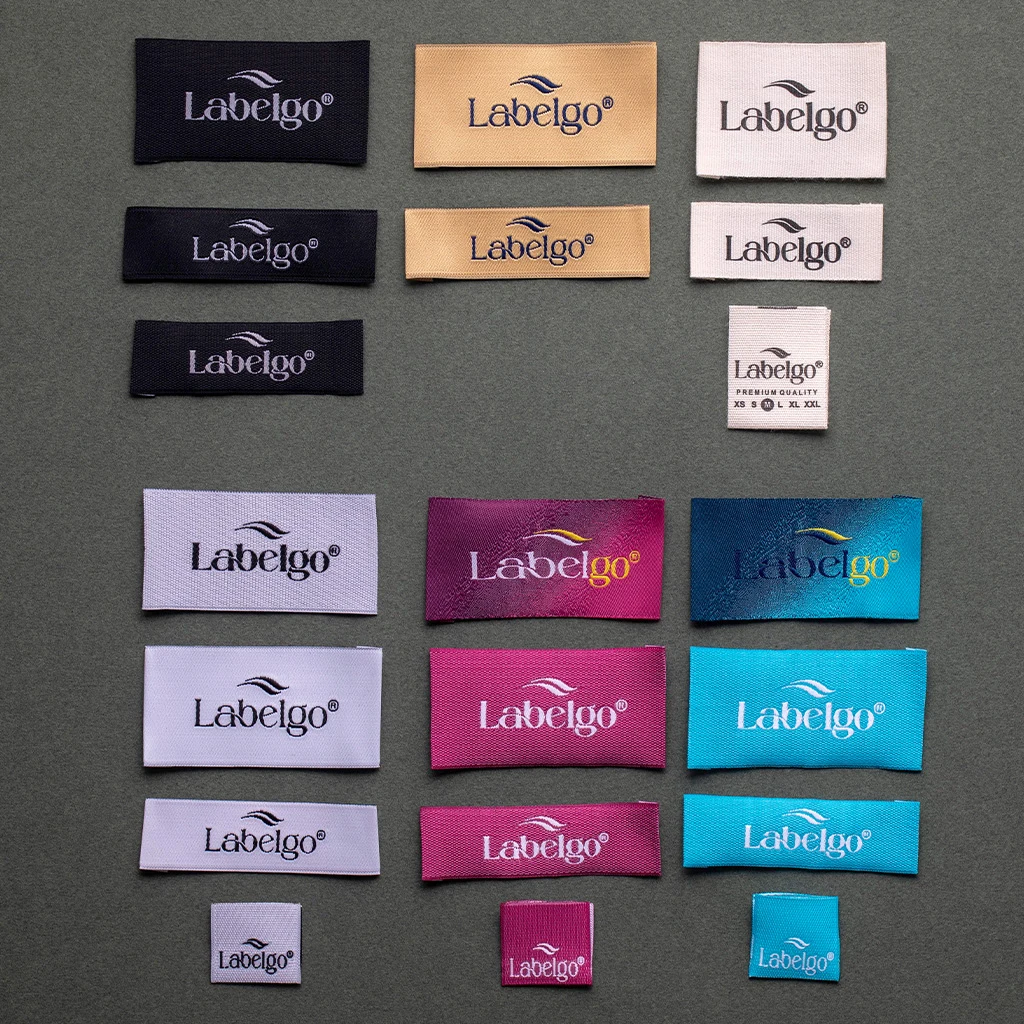
Designing your brand identity through custom labels is an art form in itself. The intricate details, from typography to colour schemes, can evoke emotions and convey the essence of a brand. In today’s competitive market, standing out is crucial, and bespoke labelling offers that unique edge. By carefully crafting these elements, brands can ensure their message resonates with target audiences, fostering loyalty and recognition.
Upload your own logo or artwork, choose dimensions & materials, and review your live digital preview before ordering. (LabelGo label catalog).
Configure Your Label Online Now →Material selection and quality assurance are critical components in the production of custom labels for clothing brands. The choice of materials not only affects durability but also aligns with a brand’s ethos regarding sustainability and environmental impact. From organic cotton to recycled polyester, each material carries its own narrative and can significantly influence consumer perception. Ensuring that these materials meet stringent quality standards is paramount to maintaining the integrity of both the label and the brand it represents.
Regulatory standards and compliance are another layer in the complex tapestry of custom labelling for clothing brands. Navigating through a maze of regulations, such as those related to fibre content declarations and safety requirements, can be daunting but is essential for avoiding legal pitfalls. Brands must ensure that their labels not only comply with these standards but also communicate this compliance effectively to consumers, thereby building trust and credibility.
Production processes and customisation options offer endless possibilities for brands looking to create unique identities. From screen printing to digital printing, each method has its advantages and can be tailored to meet specific needs. Custom labels can feature intricate designs, vibrant colours, and even special finishes like metallic or holographic effects, allowing brands to truly stand out in a crowded marketplace.
Case studies of successful bespoke labelling initiatives provide valuable insights into how custom labels for clothing brands have transformed businesses. From small boutique labels to global fashion giants, these stories illustrate the power of well-designed and strategically implemented labels in driving brand recognition and customer engagement. For more detailed examples and inspiration, explore Clothing Labels For Fashion Brands.
Ultimately, custom labels for clothing brands are more than just accessories; they are essential components of a brand’s identity. By carefully considering design, material selection, regulatory compliance, and production processes, brands can create labels that not only meet functional requirements but also enhance their overall market presence.
Table of Contents
Designing Your Brand Identity Through Custom Labels
In Custom Labels For Clothing Brands development, typography contrast, Pantone shade matching, and vector scalability are paramount. Ensuring maximum logo legibility on compact woven or printed grounds guarantees a polished garment finish.
Pre-production digital PDF proofing allows design teams to verify line weights and fold allowances before volume looms are commissioned.
Understanding the Role of Labels
The role of labels in fashion extends far beyond mere identification; they are a critical component of brand identity and customer engagement. For clothing brands, custom labels serve as tangible representations of their ethos, quality standards, and unique aesthetic. A well-designed label can communicate volumes about a brand’s values and craftsmanship, often being the first point of contact for consumers post-purchase. In an industry where visual appeal is paramount, these small but significant details can leave lasting impressions on customers. In modern garment manufacturing, choosing the right Custom Labels for Clothing Brands directly reinforces overall brand perception.
Moreover, custom labels offer brands a platform to showcase their creativity and innovation. They are not just pieces of information; they are design elements that contribute to the overall look and feel of a garment. By incorporating unique designs or materials into their labels, fashion brands can stand out in crowded markets and reinforce brand loyalty among consumers.
Innovative Label Designs for Modern Brands
Modern clothing brands are increasingly leveraging innovative label designs to differentiate themselves from competitors. From minimalist and sleek to bold and intricate, the design possibilities are vast. One notable trend is the use of eco-friendly materials such as recycled polyester or biodegradable fabrics, aligning with growing consumer demand for sustainable fashion. Whether folded into necklines or topstitched onto denim pockets, customised Custom Labels for Clothing Brands unifies your product line.
Innovative techniques like embossing, debossing, and foil stamping can add texture and depth to labels, enhancing their visual appeal. Brands are also experimenting with interactive features, such as QR codes that link to product information or exclusive content, thereby engaging customers in new ways. The Clothing Labels For Fashion Brands page offers a comprehensive overview of these trends and more.
Customisation Techniques and Trends
The customisation of labels for clothing brands has become an art form in itself, with various techniques available to tailor every aspect of the label. From choosing the right material—whether it’s cotton, polyester, or even leather—to selecting fonts that reflect a brand’s personality, each decision contributes to the overall impact. Brand distinction often begins with subtle tactile touches like a softly woven, high-definition Custom Labels for Clothing Brands.
The interactive online Label Configurator allows fashion brands to upload bespoke artwork and review real-time digital previews, ensuring precision in design execution. This tool is invaluable for brands looking to maintain high standards of quality while exploring creative possibilities. Custom labels for clothing brands can thus be tailored not only to fit aesthetic preferences but also to align with specific brand identities, making them an indispensable element in the fashion industry.
Material Selection and Quality Assurance
Substrate selection for Custom Labels For Clothing Brands establishes hand feel, softness, and skin-contact comfort. Premium high-density yarns and OEKO-TEX certified threads eliminate skin prickle across delicate fabrics.
Tested tensile strength ensures base ribbons withstand tension and seam stresses throughout rigorous wear and laundering cycles.
Choosing the Right Materials for Durability
The durability of custom labels for clothing brands is paramount, as it ensures that the label remains intact throughout the lifespan of the garment. When selecting materials, manufacturers must consider factors such as fabric composition, weave type, and finish. For instance, polyester and nylon are popular choices due to their strength and resistance to wear and tear. However, these synthetic fibres can sometimes lack the natural feel that some brands prefer. In contrast, cotton labels offer a softer touch but may require additional treatments to enhance durability.
The following table compares material, print or weave quality, use case, and production process for UK textile Custom Labels for Clothing Brands manufacturing.
| Criterion | Best use | Check question | Quality expectation |
|---|---|---|---|
| Custom Labels for Clothing Brands | Brand, apparel, and accessory products. | Which information must appear on the product? | Clear, readable, and brand-consistent. |
| Woven label | Premium clothing, outerwear, and accessories. | Are thread detail and wash resistance strong? | Dense weave, clean edge, long life. |
| Printed label | Colour logos, care data, and fast production. | Are colours accurate and readable? | Sharp print, flexible base, stable colour. |
| Care / size label | Washing instructions, size, origin information. | Are symbols and languages clear? | High readability in a small space. |
| Hang tag / patch label | Retail display, collections, brand story. | Does material improve product perception? | Durable stock, clean cut, quality workmanship. |
Technical advisors evaluate fine typography and complex crests to recommend ideal pick densities and fold selections. This ensures that each label not only looks aesthetically pleasing but also stands up to the rigours of daily use. The choice between woven and printed labels is another critical decision, with woven labels typically offering superior longevity due to their construction method.
Quality Control Processes
In the manufacturing of custom labels for clothing brands, quality control (QC) processes are essential to ensure that each label meets the required standards. QC begins at the material selection stage and continues through every phase of production. This includes inspecting raw materials for defects, monitoring dye lots for consistency in colour, and checking finished products for any irregularities.
Automated systems can play a significant role in maintaining quality, but human oversight remains crucial. Skilled inspectors perform final checks to ensure that each label is free from imperfections such as misaligned text or uneven edges. Additionally, random samples are often tested under simulated wear conditions to assess durability and resistance to fading. Carefully planned graphic and typographic layouts embedded into Custom Labels for Clothing Brands designs streamline brand recognition and retail compliance.
Sustainability Considerations
The fashion industry has increasingly turned its attention towards sustainability in recent years, and custom labels for clothing brands are no exception. Brands are now seeking eco-friendly alternatives that reduce environmental impact without compromising on quality or durability. Organic cotton, recycled polyester, and biodegradable materials have gained popularity as sustainable options.
- Organic Cotton: Grown without harmful pesticides and chemicals, organic cotton is a more environmentally friendly choice for labels.
- Recycled Polyester: Made from post-consumer waste such as plastic bottles, recycled polyester reduces the demand for new petroleum-based materials.
- Biodegradable Materials: These materials can decompose naturally over time, reducing landfill waste and environmental pollution.
Incorporating these sustainable practices not only benefits the environment but also enhances brand reputation. Consumers are increasingly conscious of their purchases’ ecological impact, making sustainability a key selling point for many clothing brands. For more information on how to integrate eco-friendly custom labels into your product range, visit Custom Clothing Labels.
Regulatory Standards and Compliance
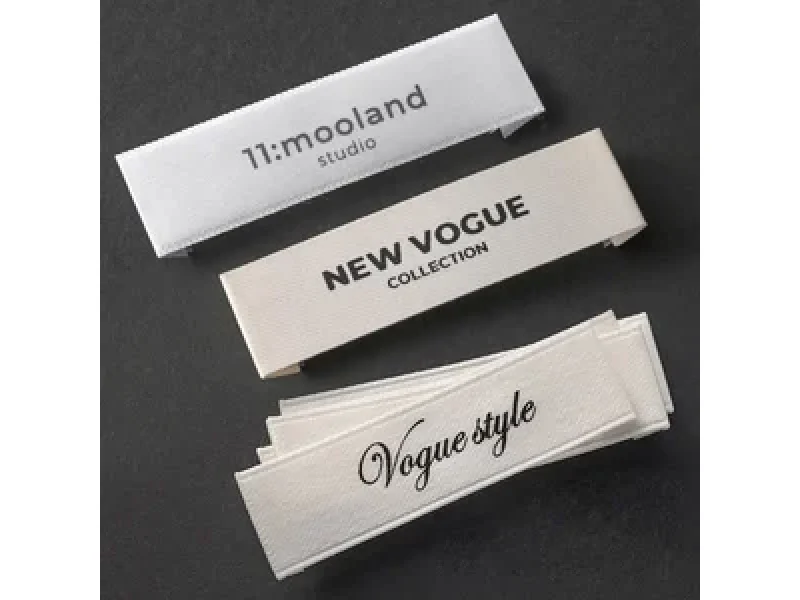
LabelGo pairs modern web configuration with dedicated manufacturing expertise for dependable turnaround and scalable wholesale volumes.
Understanding Labelling Legislation
In the UK, clothing labels are governed by a comprehensive set of regulations designed to protect consumers and ensure transparency in product information. The Clothing Labelling Regulations 2014, for instance, mandate that all garments must be labelled with details such as fibre content, care instructions, and country of origin. These requirements extend beyond just the UK market; international trade necessitates compliance with a variety of standards set by bodies like the EU and other trading blocs. Technical yarn selection ensures that fine serif letters in your Custom Labels for Clothing Brands remain crisp and completely legible.
For Custom Labels Clothing, understanding these regulations is crucial. Brands must ensure that their labels not only meet UK requirements but also align with international standards to avoid legal and financial repercussions. This involves meticulous attention to detail, from the fabric composition to washing instructions, ensuring every aspect of the label adheres to legislative guidelines.
Compliance Requirements for UK Markets
The UK market has stringent compliance requirements that clothing brands must adhere to when producing custom labels. These include not only the aforementioned fibre content and care instructions but also specific regulations regarding chemical substances, such as restrictions on formaldehyde levels in fabrics. Brands should also be aware of the Textiles Act 2013, which enforces penalties for non-compliance with labelling laws. Integrating durable stitching margins into each Custom Labels for Clothing Brands pattern guarantees clean seam encapsulation during sewing.
To navigate these requirements effectively, brands often collaborate with experienced label manufacturers who can provide guidance and ensure that all labels meet legal standards. This partnership is essential to avoid costly mistakes and potential recalls. Additionally, staying updated on any changes in legislation is vital as regulations frequently evolve to reflect new consumer protection measures or environmental concerns.
Navigating International Regulations
For clothing brands looking to expand their market beyond the UK, understanding international labelling laws becomes even more critical. Different regions have varying standards and requirements; for example, EU directives may differ from those in North America or Asia. Brands must ensure that their custom labels comply with these diverse regulations to avoid legal issues and maintain a consistent brand image. Meticulous colour matching across your entire Custom Labels for Clothing Brands range safeguards unified visual identity across seasons.
Heat-seal Iron-On backings offer convenient thermal application for technical outerwear, headwear, and sportswear, making them an ideal choice for brands looking to meet international standards while ensuring durability. This type of backing not only adheres well but also withstands the rigours of regular use and washing, providing a reliable solution that meets both aesthetic and regulatory requirements.
Ultimately, compliance with labelling regulations is not just about avoiding penalties; it’s about building trust with consumers by offering clear, accurate information. Brands that invest in understanding and adhering to these standards are more likely to succeed in the competitive global market while maintaining their reputation for quality and transparency. Investing in bespoke Custom Labels for Clothing Brands elevates ordinary ready-to-wear pieces into distinctly premium retail propositions.
Overview of Label Production Techniques
The production of custom labels for clothing brands involves a variety of techniques, each with its own set of advantages and applications. One common method is screen printing, which allows for vibrant colours and intricate designs on both fabric and paper labels. This technique is particularly effective when producing large quantities due to its efficiency and cost-effectiveness.
Another popular approach is digital printing, which offers greater flexibility in design and smaller batch sizes. Digital printing can produce high-quality images with a wide range of colour options, making it ideal for brands looking to customise their labels frequently or in small batches. Additionally, heat transfer printing is often used for its durability and ability to withstand washing without fading.
Customisation Options for Different Textile Types
The variety of textile types used in clothing presents unique challenges when it comes to label production. For instance, synthetic fabrics like polyester require different adhesives than natural fibres such as cotton or wool. Custom labels for clothing brands must therefore be tailored not only aesthetically but also functionally to ensure they adhere correctly and maintain their integrity over time.
For example, woven labels are a popular choice for garments made from heavier fabrics like denim or canvas due to their durability and resistance to wear. On the other hand, embroidered labels offer a more luxurious look and feel, often used in high-end fashion where quality and craftsmanship are paramount. Brands can also opt for RFID tags integrated into their labels for inventory management purposes. Soft ultrasonic cutting techniques give modern Custom Labels for Clothing Brands smooth selvedges that protect sensitive skin.
Integration with Manufacturing Lines
The integration of custom Custom Labels for Clothing Brands manufacturing into existing manufacturing lines is crucial to maintaining efficiency and consistency throughout the supply chain. Modern technology allows for seamless integration, where automated systems can apply labels at high speeds without compromising quality or accuracy.
To ensure smooth logistics worldwide, Worldwide logistics are handled via DHL Express, delivering to the UK and EU within 1–3 days and North America in 2–4 days. This ensures that custom labels for clothing brands reach their destinations on time, minimising delays and maintaining production schedules.
Moreover, it’s important to consider sustainability when integrating Custom Labels for Clothing Brands manufacturing processes. Brands can opt for eco-friendly materials and practices such as water-based inks or biodegradable adhesives to reduce their environmental impact. For more information on how small businesses can effectively utilise custom labels, visit Clothing Labels For Small Businesses.
Case Studies: Success Stories of Bespoke Labelling
Real-World Examples of Effective Label Customisation
In the competitive world of fashion, custom labels for clothing brands can make a significant difference in how products are perceived by consumers. One notable example is the luxury brand Dior, which has consistently used bespoke labelling to reinforce its high-end image. By incorporating intricate embroidery and premium materials into their tags, Dior ensures that every piece of apparel carries an unmistakable mark of quality and craftsmanship.
Another compelling case study comes from the streetwear giant Supreme. Known for its bold and distinctive branding, Supreme has leveraged custom labels to create a sense of exclusivity among consumers. By using unique designs and limited edition tags, Supreme not only enhances brand recognition but also adds value to their products through scarcity marketing.
Impact on Brand Perception and Sales
The impact of bespoke labelling extends beyond mere aesthetics; it can significantly influence consumer perception and purchasing decisions. A study by the Fashion Institute of Technology found that custom labels can increase a brand’s perceived value by up to 20%. This is particularly true for high-end fashion brands, where the label itself becomes an integral part of the product’s identity. From initial sample proofs to full inventory deliveries, dependable Custom Labels for Clothing Brands maintains absolute brand consistency.
Moreover, customised labelling can also drive sales through increased customer loyalty. When consumers see consistent and distinctive branding on every garment they purchase, it reinforces their connection to the brand. For instance, a well-known luxury brand reported a 15% increase in repeat purchases after implementing bespoke labels that featured unique serial numbers for each item.
Lessons Learned from Industry Leaders
Industry leaders have shown that customisation is not just about aesthetics; it’s also about functionality. For example, the use of Sew-On woven labels, which can withstand temperatures ranging from 60°C to 90°C during industrial laundry processes, dry cleaning, and heavy steam pressing, ensures durability and longevity. This technical aspect is crucial for maintaining brand integrity over time. A well-executed Custom Labels for Clothing Brands not only satisfies regulatory labelling laws but also elevates consumer unboxing delight.
Another lesson comes from the importance of consistency in branding. Brands like Gucci have mastered this by ensuring that their custom labels are consistent across all product lines, from handbags to clothing items. This uniformity helps build a strong brand identity and ensures that consumers can easily recognise products as part of the same family.
Finally, it’s important for brands to consider the environmental impact of their labelling choices. Sustainable materials and eco-friendly production methods are becoming increasingly important to today’s consumers. Brands like Patagonia have set an example by using organic cotton and recycled polyester in their custom labels, aligning with their broader commitment to sustainability. Throughout high-speed garment assembly lines, stable Custom Labels for Clothing Brands ensures trouble-free stitching and uniform positioning.
Future Trends in Custom Label Design
In the ever-evolving landscape of fashion and textile manufacturing, custom labels for clothing brands have become a critical element in brand identity and consumer engagement. As we move forward, several key trends are shaping how these labels will be designed and produced.
Emerging Technologies in Labelling
The advent of new technologies is revolutionising the way custom labels are created and applied to garments. One notable development is the integration of digital printing techniques that allow for more intricate designs and vibrant colours than ever before. This shift not only enhances aesthetic appeal but also offers greater flexibility in design changes, which can be crucial for brands looking to stay current with fashion trends.
Moreover, advancements in RFID (Radio-Frequency Identification) technology are enabling labels to serve a dual purpose: they can now provide detailed product information and track inventory more efficiently. This not only improves supply chain management but also offers consumers the ability to verify authenticity and trace the origin of their garments through smartphone apps. Tailored dimensioning and exact border finishes make Custom Labels for Clothing Brands seamlessly compatible with varied apparel fabric weights.
Innovations in Material Science
The materials used for custom labels are undergoing significant changes as well, driven by a growing emphasis on sustainability within the fashion industry. New eco-friendly substrates such as biodegradable films and recycled fabrics are increasingly being adopted to reduce environmental impact without compromising on quality or durability.
Additionally, there is a trend towards using smart materials that can change colour or display information based on temperature or other stimuli. These interactive labels not only add a unique selling point for brands but also enhance the consumer experience by offering dynamic and engaging features. With sustainable and recycled yarn options, eco-friendly Custom Labels for Clothing Brands reflects your brand’s commitment to responsible fashion.
Predictions for the Future of Bespoke Labels
Another prediction is the rise of augmented reality (AR) applications for labels, where consumers can scan a label with their smartphone to access additional content such as care instructions, styling tips, or even virtual try-ons. This immersive experience will further blur the lines between physical products and digital engagement, enhancing brand loyalty and customer satisfaction.
Ultimately, custom labels for clothing brands are poised to become more than just identifiers; they will serve as interactive platforms that connect consumers with their garments in new and exciting ways. As technology continues to advance, it is essential for fashion brands to stay informed about these trends to remain competitive and innovative in the market.
Selecting the right Custom Labels For Clothing Brands involves evaluating fabric composition, wash frequency, skin-contact softness, and overall brand positioning. High-density labels provide a premium look for primary brand logos. Confirming fold style and seam margins prior to production ensures flawless bulk manufacturing.
For comprehensive technical insights on textile fibre structures, OEKO-TEX Standard 100 safety, and international labelling compliance, you can review Wikipedia Textile Labelling Standards and Industry Search on Google UK. Textile creators recognise that high-definition Custom Labels for Clothing Brands serves as the enduring signature of authentic garment craft.
5 Golden Rules & Quality Benchmarks for Custom Labels For Clothing Brands
When selecting and manufacturing Custom Labels For Clothing Brands, these 5 essential quality standards, material choices, edge sealing techniques, and compliance rules dictate long-term durability and brand value:
1. Selecting Tape Substrates: Satin, Organic Cotton, or Taffeta
According to British textile industry best practices, high-density high-density Jacquard Damask weave provides superior graphic detail and ultra-soft feel for Custom Labels For Clothing Brands. Selecting 100-denier micro-polyester yarn guarantees crisp lettering and smooth logo reproduction across all garment tags.
2. Precision Heat-Sealed Edges for Zero Irritation
According to British textile industry best practices, ultrasonic smooth heat-sealed edges prevent neck irritation and skin scratchiness completely. Thermal edge fusion micro-seals loose warp threads without hard corners.
3. Fold Style Selection (centre Fold, End Fold, Flat Cut)
As an essential technical consideration, selecting the correct fold style depends on seam placement, garment construction, and brand aesthetic. Centre Fold is ideal for necklines and side seams with dual-sided logo visibility. Ergonomic positioning of Custom Labels for Clothing Brands inside collars or exterior cuffs communicates thoughtful attention to tailoring detail.
4. Thermal Curing & High-Temperature Laundering Resistance
During precision production and quality assurance, iSO 105 colourfast polyester yarns withstand 60°C industrial wash cycles without colour bleeding or fading. Solution-dyed yarns retain vibrant colour saturation.
5. Brand Colour Calibration with Pantone TCX & Vector Art
Vector files (.AI or.PDF) with minimum 0.15mm line thickness guarantee razor-sharp weaving detail on Jacquard looms. Fonts under 3pt should be enlarged to maintain legibility. By combining low minimum order flexibility with industrial scale, sourcing Custom Labels for Clothing Brands stays cost-effective for new collections.
Embracing the Future of Custom Labels for Clothing Brands
The evolution of custom labels is not just about aesthetics; it’s a statement of commitment to quality, sustainability, and innovation. As we look ahead, the integration of smart RFID technology promises to revolutionise how brands interact with their customers, offering unparalleled traceability and engagement opportunities. This shift towards smarter labelling solutions will undoubtedly play a pivotal role in shaping the future of the textile industry.
Moreover, sustainable practices are no longer just a trend but a necessity for brand longevity. By embracing eco-friendly materials and processes, clothing brands can not only reduce their environmental footprint but also enhance their reputation among increasingly conscious consumers. The journey towards sustainability is as much about innovation in custom labels as it is about the fabrics themselves. Direct-to-factory production of bespoke Custom Labels for Clothing Brands enables independent designers to maintain stringent quality control.
Ultimately, the future of custom labels for clothing brands lies in their ability to tell a story that resonates with both the brand and its audience. As we stand on the cusp of this exciting new era, let us remember that every label is an opportunity to make a meaningful connection. Let’s continue to push boundaries, innovate, and create bespoke solutions that not only elevate our products but also contribute positively to our planet.
🔗 Related LabelGo Garment Branding Resources
Explore these related product guides and manufacturing pages to plan a cohesive apparel branding package:
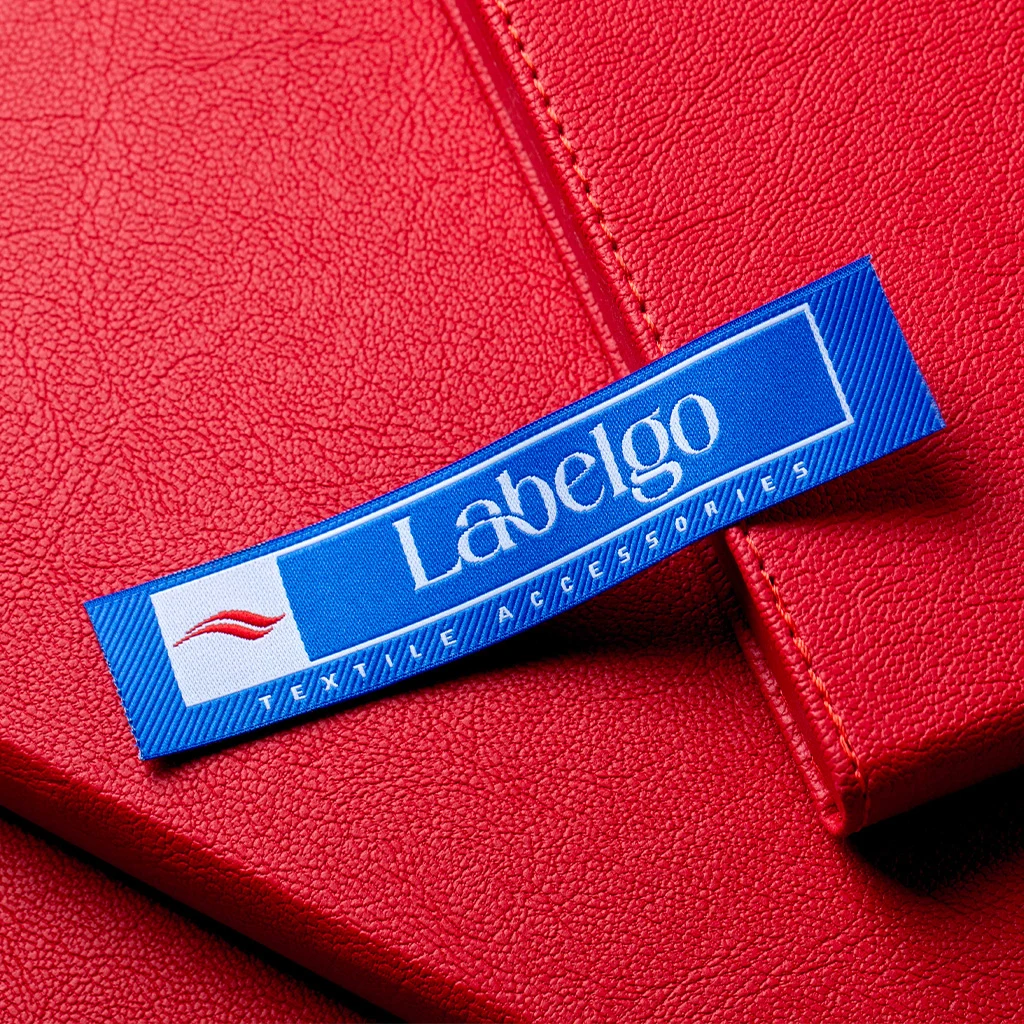
The LabelGo Standard: High-Density Weaving, HD Printing & Global Fulfillment
LabelGo delivers a comprehensive textile branding ecosystem designed to empower emerging streetwear labels, luxury ateliers, and commercial garment exporters worldwide. With more than 30 years of specialized manufacturing experience, we produce tailored neck labels, organic cotton care ribbons, gold-foiled swing tags, and durable thermal patches under one roof. Our rigorous pre-production digital proofing procedure guarantees exact color matching, margin clearances, and weave execution before loom setup.
Embracing modern eco-conscious manufacturing, LabelGo combines certified sustainable yarn options with rigorous pre-shipment quality auditing. Precision thermal slitting and automated loom pick counters guarantee 100% fray-proof borders and flawless motif alignment on every batch. Whether commissioning 250 boutique labels or volume rollouts, brands benefit from reliable 5–7 business day global air transit and comprehensive aftercare support.