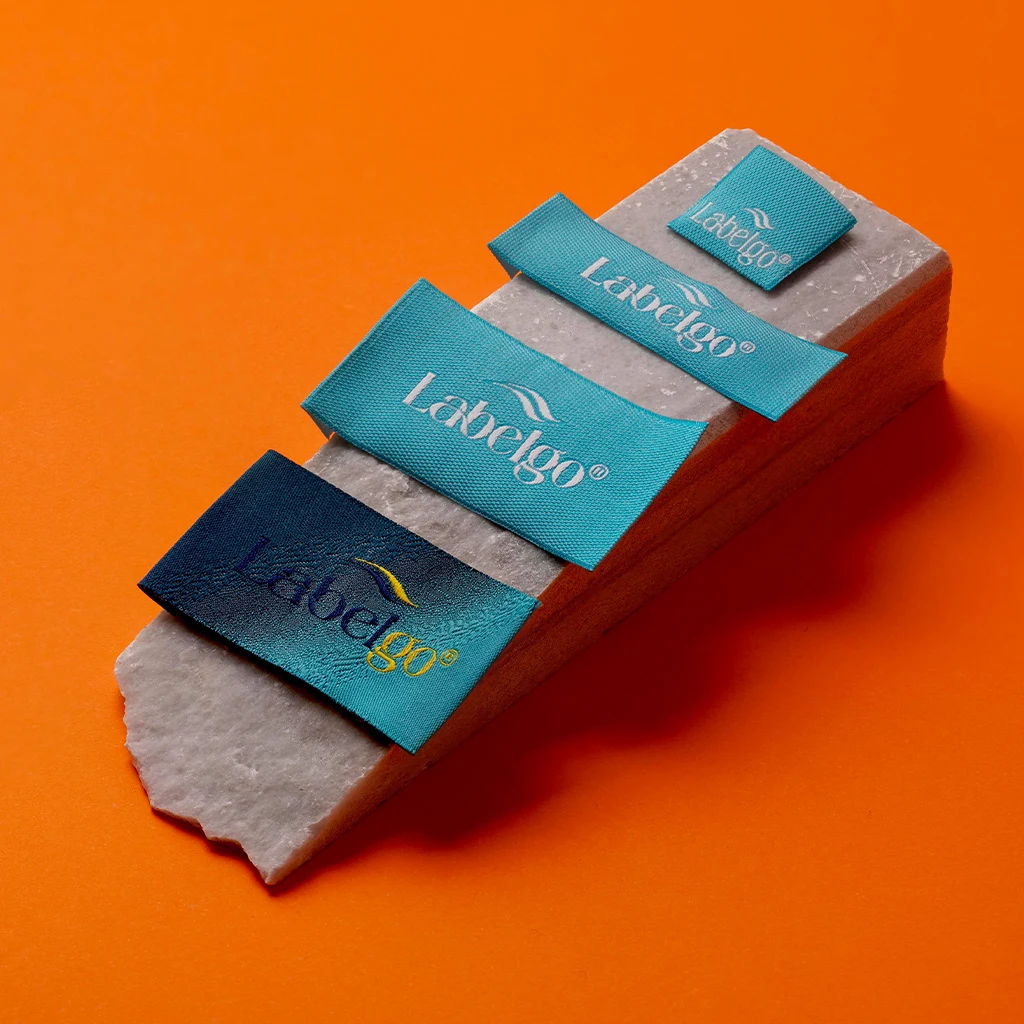
Designing bespoke solutions for custom textile labels is an art form in itself. From choosing the right materials to ensuring durability and aesthetic appeal, every aspect of the design process must be meticulously considered. The choice between woven or printed labels can significantly impact both the appearance and longevity of a product, making it crucial for manufacturers to understand their clients’ specific requirements.
Upload your own logo or artwork, choose dimensions & materials, and review your live digital preview before ordering. (LabelGo label catalog).
Configure Your Label Online Now →The manufacturing processes behind custom textile labels are equally complex. From initial design to final production, each step is critical in ensuring that the finished product meets the highest standards of quality and durability. Innovations such as digital printing have revolutionised how these labels are created, offering unprecedented flexibility and precision in design execution.
Regulatory standards and compliance play a pivotal role in the custom textile label industry. Ensuring that all products meet safety and labelling requirements is not only a legal obligation but also a mark of quality for consumers. Manufacturers must navigate a complex landscape of regulations to deliver bespoke solutions that are both compliant and innovati.
Innovations in textile label technology continue to push the boundaries of what custom labels can achieve. From RFID tags embedded within labels for enhanced traceability, to eco-friendly materials that reduce environmental impact, these advancements highlight the industry’s commitment to staying ahead of market demands. As sustainability becomes a key consideration for many brands, custom Custom Clothing Labels offer an opportunity to showcase eco-conscious practices.
Case studies from the industry reveal numerous success stories where custom textile labels have played a crucial role in brand identity and market differentiation. From luxury fashion houses to high-street retailers, bespoke solutions have enabled brands to stand out through unique design elements and superior quality. These examples underscore the importance of investing in custom labels as part of a broader marketing strategy.
Ultimately, custom textile labels are more than just accessories; they are integral components that contribute significantly to the overall value proposition of any product or brand. As technology continues to evolve, so too will the possibilities for creating bespoke solutions that meet and exceed customer expectations in this dynamic sect.
Table of Contents
Designing Bespoke Solutions
In the realm of textile manufacturing, Custom Textile Labels are not just a finishing touch; they’re an essential element that can elevate your brand’s identity and customer experience to new heights. This section delves into the intricacies of crafting these bespoke solutions, from tailoring label designs to innovative printing techniques and material selection.
Tailoring Label Designs
When it comes to Custom Textile Labels, the design process is paramount. Every brand has its unique story and aesthetic, which must be reflected in every aspect of their product. The first step involves a thorough consultation with your designer to understand your vision, whether you’re aiming for a minimalist look or something more elaborate.
Designing bespoke labels requires attention to detail and an understanding of the latest trends in fashion and textiles. From choosing the right typography that aligns with your brand’s ethos to incorporating subtle design elements like embossing or debossing, every decision can impact how customers perceive your product. It’s important to ensure that these designs are not only visually appealing but also functional, providing clear information such as care instructions and composition details.
The dedicated Custom Clothing Labels team at LabelGo ensures that each design is tailored to meet your specific needs. They work closely with you to refine the concept, ensuring it aligns perfectly with your brand’s identity and market positioning.
Innovative Printing Techniques
The printing process for Custom Textile Labels has evolved significantly over recent years, offering a range of innovative techniques that can enhance both the aesthetic appeal and durability of labels. One such technique is digital printing, which allows for high-resolution images and vibrant colours to be printed directly onto fabric or paper.
Another method gaining popularity is heat transfer printing, where designs are first printed on a special film and then transferred onto the label material using heat and pressure. This process ensures that the design remains intact even after multiple washes, making it ideal for high-quality garments.
Laser engraving is another cutting-edge technique used in Custom Textile Labels. It offers unparalleled precision and can create intricate designs with a sophisticated look. Laser-engraved labels are particularly popular among luxury brands due to their premium appearance and durability.
Material Selection
Selecting the right material for your Custom Textile Labels is crucial, as it directly impacts both the functionality and longevity of the label. Common materials include polyester, cotton, and silk, each offering different benefits depending on the intended use.
Polyester labels are favoured for their durability and resistance to fading, making them ideal for high-wear items like activewear or outerwear. Cotton labels, on the other hand, offer a more natural look and feel, which is often preferred in casual wear or organic clothing lines.
The dedicated Care Label Studio ensures seamless compliance with international ISO wash care symbols, composition, and sizing. This guarantees that your Custom Textile Labels not only enhance the aesthetic appeal of your products but also provide essential information to customers, ensuring they can maintain their garments properly.
Manufacturing Processes
Modern manufacturing workflows apply ultrasonic micro-slitting and automated loom calibration to Custom Textile Labels manufacturing. Heat-sealed selvedges prevent thread fraying even along exposed garment hems.
In-line optical inspections verify repeat pitch and fold alignment across every single production unit.
From Concept to Completion
The journey of custom textile labels from concept to completion is a meticulous process that requires precision and attention to detail at every stage. It begins with the client’s initial design brief, which outlines their specific requirements for the label, including material choice, size, colour palette, and any additional features such as embroidery or holographic elements.
The following table compares material, print or weave quality, use case, and production process for UK textile label manufacturing.
| Criterion | Best use | Check question | Quality expectation |
|---|---|---|---|
| Custom Textile Labels | Brand, apparel, and accessory products. | Which information must appear on the product? | Clear, readable, and brand-consistent. |
| Woven label | Premium clothing, outerwear, and accessories. | Are thread detail and wash resistance strong? | Dense weave, clean edge, long life. |
| Printed label | Colour logos, care data, and fast production. | Are colours accurate and readable? | Sharp print, flexible base, stable colour. |
| Care / size label | Washing instructions, size, origin information. | Are symbols and languages clear? | High readability in a small space. |
| Hang tag / patch label | Retail display, collections, brand story. | Does material improve product perception? | Durable stock, clean cut, quality workmanship. |
Once the design has been finalised through a series of iterative revisions and approvals, production can commence. The selected materials are sourced from suppliers who meet our stringent quality standards. For instance, if the client opts for Custom Woven Labels, we ensure that the yarn is of the highest quality to guarantee durability and longevity.
The design is then transferred onto a digital file, which serves as the blueprint for the manufacturing process. This digital file is used to create the template for either printing or weaving, depending on the client’s preference. In the case of woven labels, the design is programmed into our state-of-the-art looms, which weave the label directly from yarn.
Quality Control Measures
At every stage of production, quality control measures are implemented to ensure that each custom textile label meets our exacting standards. This begins with rigorous inspections of incoming materials to verify their compliance with our specifications. Our team conducts visual and tactile checks for any defects or inconsistencies in the yarn or fabric.
During the manufacturing process, we employ a combination of automated and manual quality control procedures. Automated systems monitor the production line in real-time, flagging any deviations from the design parameters. Meanwhile, skilled operators conduct regular spot-checks to ensure that each label adheres to the client’s specifications.
Once the labels have been produced, they undergo final inspection before being packaged and dispatched. This includes a thorough examination for colour accuracy, alignment of text or logos, and overall aesthetic appeal. Any defects identified at this stage are immediately addressed to maintain our commitment to excellence.
Sustainability Practices
In an industry where sustainability is increasingly important, we take great strides to minimise our environmental impact throughout the manufacturing process of custom textile labels. We prioritise the use of eco-friendly materials such as organic cotton and recycled polyester, which are not only kinder to the planet but also meet the stringent requirements of environmentally conscious clients.
Our production facilities are equipped with energy-efficient machinery that reduces power consumption without compromising on quality. Additionally, we have implemented a comprehensive waste management system that recycles or repurposes any by-products generated during manufacturing. This includes recycling yarn scraps and using them in other products where feasible.
Worldwide logistics are handled via DHL Express, delivering to the UK and EU within 1–3 days and North America in 2–4 days. We choose DHL for its commitment to sustainable transportation practices, including the use of electric vehicles and carbon offsetting programmes.
Regulatory Standards and Compliance
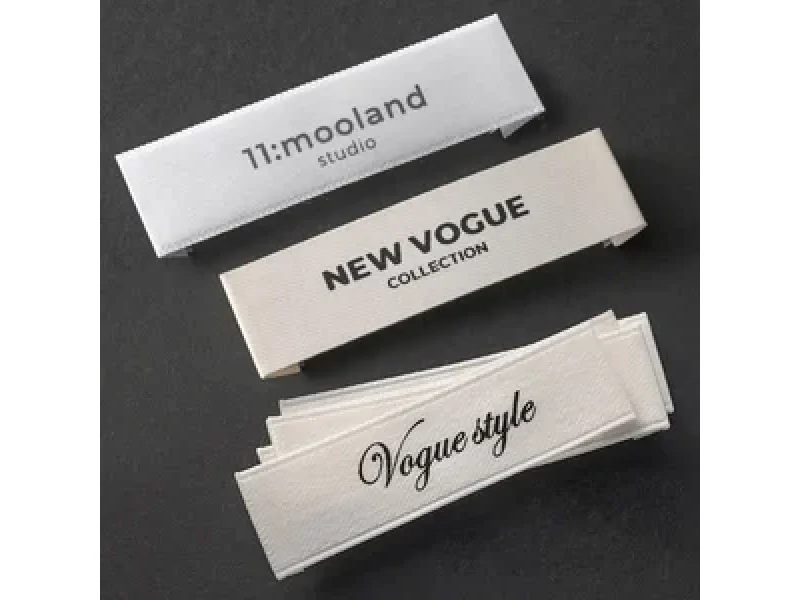
LabelGo pairs modern web configuration with dedicated manufacturing expertise for dependable turnaround and scalable wholesale volumes.
Understanding Labelling Legislation
In the UK, textile labelling is governed by a range of regulations designed to protect consumers and ensure transparency in product information. The Textile Products (Labelling) Regulations 2014, for example, mandate that all custom textile labels must provide details about fibre content, care instructions, and country of origin. This legislation aims to prevent misleading claims and ensures that customers are fully informed before making a purchase.
The Custom Labels Clothing market is particularly sensitive to these regulations due to the high demand for authenticity and quality. Manufacturers must adhere to strict guidelines, which include providing accurate information about materials used in production. Any deviation from these standards can result in legal penalties and damage to a brand’s reputation.
Compliance Requirements for Textile Labels
To ensure compliance with UK regulations, manufacturers of custom textile labels must meet specific requirements related to content disclosure and labelling methods. Fibre composition must be clearly stated on the label, detailing each material used in the product along with its percentage. Additionally, care instructions should include washing, drying, and ironing guidelines that are accurate and easy for consumers to underst.
Country of origin is another critical aspect of compliance. The regulations stipulate that the country where the final production or significant transformation took place must be declared on the label. This requirement helps consumers make informed decisions based on their preferences regarding manufacturing locations and ethical considerations.
Best Practices in Label Design
Designing custom textile labels that comply with regulatory standards requires a balance between aesthetics and functionality. High-density damask weaving delivers outstanding surface abrasion resistance and colour-fast durability, ensuring that the label remains legible and intact throughout its lifecycle. This technique is particularly useful for labels that need to withstand frequent washing or exposure to harsh conditions.
Best practices also include using clear and concise language on labels to avoid any ambiguity. The information should be presented in a readable font size and layout, ensuring that consumers can easily access the details they need. Compliance with these standards not only helps manufacturers avoid legal issues but also enhances consumer trust and brand loyalty.
In summary, navigating the regulatory landscape for custom textile labels involves understanding and adhering to detailed legislative requirements. By focusing on high-quality design techniques and clear communication of product information, manufacturers can ensure compliance while maintaining a strong market presence in the UK fashion industry.
Innovations in Textile Label Technology
The world of fashion and textiles is constantly evolving, with new technologies pushing the boundaries of what’s possible. Custom textile labels have become more than just a means to display information; they are now integral components that enhance functionality and sustainability. This section delves into the latest innovations shaping the future of custom textile labels.
Smart Labels
Represent one of the most exciting advancements in textile label technology. These labels integrate digital technologies to provide real-time information about a product, from its origin and journey through the supply chain to end-of-life disposal. For instance, smart labels can track temperature changes during shipping or monitor humidity levels to ensure that garments are stored correctly.
One of the key benefits of smart labels is their ability to enhance consumer engagement. By scanning a QR code on the label, customers can access detailed information about the product’s materials, care instructions, and even the story behind its creation. This level of transparency not only builds trust but also fosters a deeper connection between consumers and brands.
Moreover, smart labels offer significant advantages for businesses in terms of inventory management and supply chain visibility. With real-time data at their fingertips, companies can make informed decisions to optimise logistics and reduce waste. In essence, smart labels are transforming the way we interact with textiles by providing a seamless bridge between physical products and digital information.
RFID Integration
The integration of Radio-Frequency Identification (RFID) technology into custom textile labels is revolutionising inventory management and retail operations. RFID tags embedded in these labels allow for rapid identification and tracking of items, significantly improving efficiency and accuracy across various stages of the supply chain.
In a retail setting, RFID-enabled labels can streamline stocktaking processes by eliminating the need for manual scanning or counting. This not only saves time but also reduces errors, ensuring that inventory levels are always up-to-date. Furthermore, RFID technology supports advanced analytics capabilities, enabling retailers to gain insights into consumer behaviour and optimise their product offerings accordingly.
From a manufacturing perspective, RFID labels facilitate better quality control by tracking the movement of materials through production lines. This ensures that each component is accounted for and can be traced back to its source if any issues arise. Ultimately, this level of traceability enhances brand integrity and customer satisfaction.
Eco-Friendly Materials
The fashion industry has long been under scrutiny for its environmental impact, prompting a shift towards more sustainable practices. Custom textile labels are no exception; manufacturers are increasingly exploring eco-friendly materials to reduce their carbon footprint while maintaining functionality.
Biodegradable and compostable fabrics have emerged as popular alternatives to traditional polyester or nylon-based labels. These materials break down naturally without leaving harmful residues, making them an attractive option for environmentally conscious brands. Additionally, using recycled fibres in label production helps conserve resources and reduces waste sent to landfills.
Custom Fabric Labels made from these sustainable materials not only align with current consumer preferences but also contribute positively to the broader goal of reducing environmental impact. Moreover, archived digital manufacturing profiles allow effortless reordering with identical specifications years later, ensuring consistency and reliability in production processes.
In conclusion, innovations such as smart labels, RFID integration, and eco-friendly materials are reshaping the landscape of custom textile labels. These advancements not only enhance functionality but also promote sustainability and consumer engagement, positioning the industry at the forefront of technological progress while addressing pressing environmental concerns.
Case Studies: Success Stories
Having explored the intricacies of custom textile labels and their significance in branding, we now delve into some compelling case studies that highlight successful implementations.High-Profile Brands
The world of high-profile brands is a competitive arena where every detail counts. Custom textile labels play an integral role in elevating these brands by providing a unique touch that resonates with their target audience. For instance, luxury fashion house Burberry has leveraged custom labels to reinforce its heritage and craftsmanship. These labels are not just functional; they serve as a testament to the brand’s commitment to quality and authenticity.
The process of creating these bespoke labels involves meticulous design and production techniques that align with Burberry’s stringent standards. The dedicated Care Label Studio ensures seamless compliance with international ISO wash care symbols, composition, and sizing, thereby upholding the brand’s reputation for excellence in every detail.
Innovative Label Designs
The evolution of custom textile labels has seen a surge in innovative designs that cater to contemporary consumer preferences. Brands like Adidas have embraced this trend by incorporating cutting-edge technology into their labels, such as RFID chips for enhanced traceability and authenticity verification. These advancements not only add value but also enhance the overall customer experience.
Innovative label design is about more than just aesthetics; it’s a strategic tool that can differentiate a brand in a crowded market. Custom textile labels can feature unique textures, colours, and finishes that align with the brand’s identity. For example, Patagonia, known for its commitment to sustainability, uses eco-friendly materials in their labels, reflecting their environmental ethos.
Customer Testimonials
The success of custom textile labels is often best illustrated through customer testimonials. Retailers and brands that have implemented bespoke labels report significant improvements in brand perception and customer loyalty. A testimonial from a leading UK fashion retailer highlights the impact: “Since incorporating custom labels, we’ve seen an increase in consumer engagement and trust. The attention to detail has elevated our product offerings.”.
Another notable example comes from Marks & Spencer, which has integrated custom textile labels into its premium clothing lines. Customer feedback indicates a heightened sense of value and quality associated with these products, underscoring the importance of bespoke labelling in reinforcing brand identity.
These case studies underscore the transformative power of custom textile labels in enhancing brand perception and customer experience. From high-profile brands to innovative designs and positive customer testimonials, the impact is clear: custom labels are a critical component of successful branding strategies.The Future of Custom Textile Labels
Emerging Trends
In the ever-evolving landscape of fashion and textiles, custom textile labels are no exception to the wave of innovation sweeping through the industry. One notable trend is the integration of RFID (Radio-Frequency Identification) technology into these labels. This not only enhances traceability but also provides a seamless experience for both retailers and consumers. Another significant trend is the shift towards more personalised branding. Consumers today demand unique, bespoke products that reflect their individuality, driving manufacturers to create custom textile labels that stand out on the shelf.
Moreover, there’s an increasing emphasis on minimalism in design, with brands opting for clean lines and subtle logos to maintain a sophisticated aesthetic. This trend is particularly evident among luxury fashion houses, where understated branding has become synonymous with quality and exclusivity. As we move forward, it’s clear that custom textile labels will continue to play a pivotal role in defining brand identity and enhancing consumer experience.
Technological Advancements
The advent of digital printing technology has revolutionised the production of custom textile labels. Unlike traditional screen-printing methods, digital printing offers unparalleled flexibility and precision. This allows for intricate designs and vibrant colours to be printed directly onto fabric with minimal setup time and cost. Additionally, advancements in laser cutting have enabled manufacturers to produce highly detailed and complex shapes, further enhancing the aesthetic appeal of these labels.
Another key technological advancement is the use of smart fabrics. These materials can incorporate sensors or other electronic components into the label itself, providing functionalities such as temperature monitoring or even interactive features that engage consumers through their smartphones. This not only adds value to the product but also creates a more immersive brand experience for the end-user.
Sustainability Initiatives
The fashion industry is under increasing pressure to adopt sustainable practices, and custom textile labels are no exception. One of the most significant sustainability initiatives in this area involves the use of eco-friendly materials such as organic cotton or recycled polyester. These materials not only reduce environmental impact but also appeal to consumers who are becoming more conscious about their purchasing decisions.
Thermal edge sealing is another technique that ensures durability and longevity, guaranteeing zero fraying or loose threads even after repeated commercial laundry cycles. This not only extends the life of the garment but also reduces waste by minimising the need for replacements. As sustainability continues to be a top priority in fashion, we can expect to see more innovative solutions like these being integrated into custom textile labels.
Selecting the right Custom Textile Labels involves evaluating fabric composition, wash frequency, skin-contact softness, and overall brand positioning. High-density labels provide a premium look for primary brand logos. Confirming fold style and seam margins prior to production ensures flawless bulk manufacturing.
For comprehensive technical insights on textile fibre structures, OEKO-TEX Standard 100 safety, and international labelling compliance, you can review Wikipedia Textile Labelling Standards and Industry Search on Google UK.
8 Essential Tips & Standards for Custom Textile Labels
When selecting and manufacturing Custom Textile Labels, these 8 essential quality standards, material choices, edge sealing techniques, and compliance rules dictate long-term durability and brand value:
1. Ribbon Base Material Options (Satin, Cotton & Taffeta)
According to British textile industry best practices, high-density Damask weave provides superior graphic detail and ultra-soft feel for Custom Textile Labels. Selecting 100-denier micro-polyester yarn guarantees crisp lettering and smooth logo reproduction across all garment tags.
2. Anti-Fray Ultrasonic Thermal Cutting for Skin Comfort
In high-end garment collection standards, ultrasonic smooth heat-sealed edges prevent neck irritation and skin scratchiness completely. Thermal edge fusion micro-seals loose warp threads without hard corners.
3. Fold Configurations (Center vs End Fold vs Straight Cut)
From an industrial manufacturing perspective, selecting the correct fold style depends on seam placement, garment construction, and brand aesthetic. Center Fold is ideal for necklines and side seams with dual-sided logo visibility.
4. Wash Fastness & Detergent Durability at 60°C
ISO 105 colourfast polyester yarns withstand 60°C industrial wash cycles without colour bleeding or fading. Solution-dyed yarns retain vibrant colour saturation.
5. Pantone TCX Colour Accuracy & Vector File Preparation
During precision production and quality assurance, vector files (.AI or .PDF) with minimum 0.15mm line thickness guarantee razor-sharp weaving detail on Jacquard looms. Fonts under 3pt should be enlarged to maintain legibility.
6. OEKO-TEX Standard 100 Certification & Safety
In high-end garment collection standards, oEKO-TEX Standard 100 Class 1 certified yarns guarantee zero harmful substances for infant and children apparel. European fashion buyers consider this a mandatory standard.
7. Digital Proof Approval & Quality Sign-Off Procedures
According to British textile industry best practices, reviewing the technical PDF digital proof confirms exact dimensions, fold directions, thread codes, and border finishes before running loom machinery.
8. Seam Allowance & Assembly Tolerances
Incorporating a 5–7 mm clean seam allowance into the woven label design prevents sewing needles from puncturing logos or critical care copy.
Embracing the Future of Custom Textile Labels
In an era where sustainability and innovation are paramount, custom textile labels stand at the forefront of a transformative shift within the fashion industry. As we’ve explored, these bespoke tags aren’t just about branding; they’re about crafting a narrative that resonates with consumers who increasingly value authenticity and eco-friendliness.
Looking ahead, the integration of smart RFID technology into custom textile labels offers an exciting glimpse into the future. This not only enhances traceability and supply chain transparency but also provides brands with valuable data to inform their practices and better serve their customers. As we move towards a more sustainable model, these advancements will be crucial in building trust and fostering long-term loyalty.
Ultimately, custom textile labels are about much more than just attaching a name or logo to a garment—they’re about weaving together the threads of tradition with cutting-edge technology to create something truly unique. As we continue to evolve, let us embrace these innovations not only for their immediate benefits but also for the enduring legacy they promise to our industry. The future is bright, and it’s custom-made.
🔗 Related LabelGo Garment Branding Resources
Explore these related product guides and manufacturing pages to plan a cohesive apparel branding package:
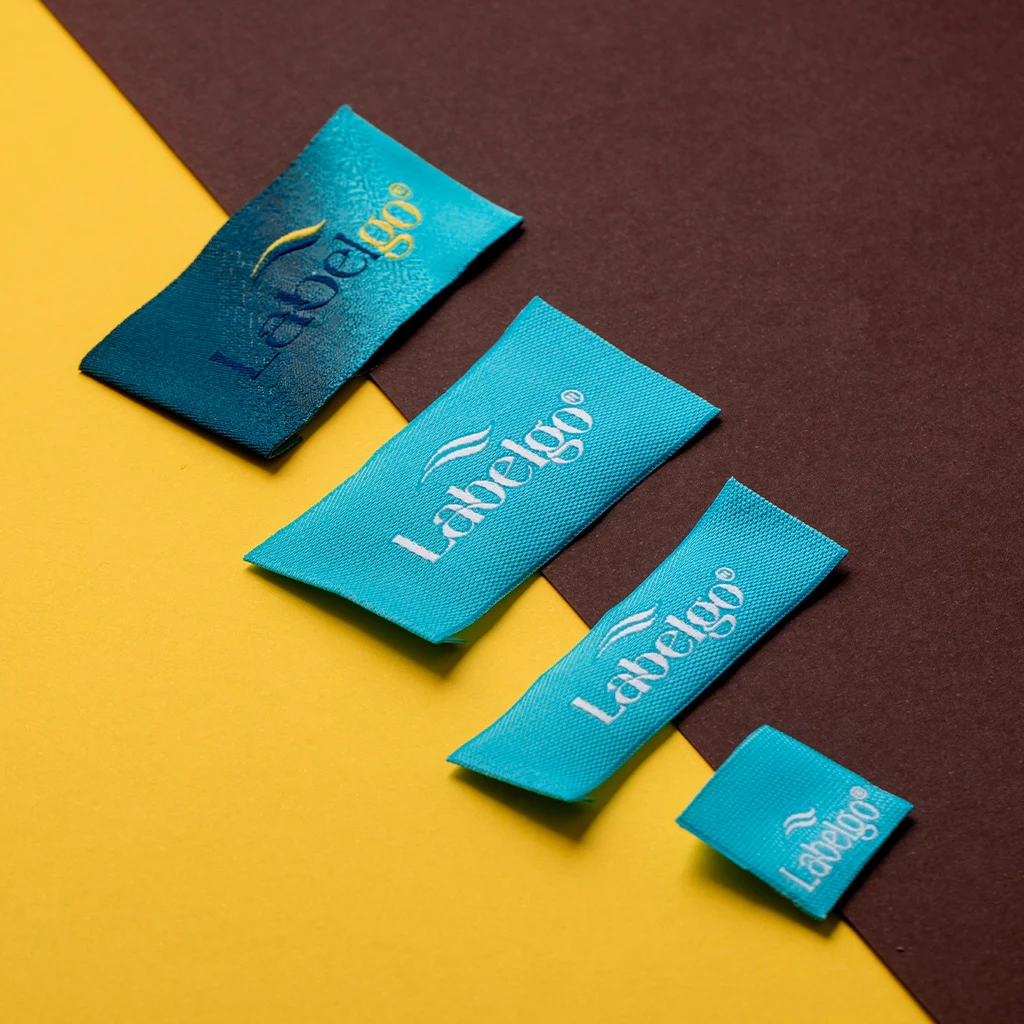
LabelGo Manufacturing: Direct Apparel Branding & Precision Label Production
Combining high-volume industrial weaving capacity with boutique flexibility, LabelGo has established itself over 30+ years as a global benchmark in custom apparel trimmings. Advanced Jacquard looms and textile ink curing lines operate with micromechanical tolerances, ensuring that Custom Textile Labels production meets exacting retail compliance standards. Brand founders and sourcing specialists benefit from streamlined digital approvals that keep seasonal product launches strictly on schedule.
Committed to uncompromising garment comfort, LabelGo utilizes exclusively OEKO-TEX® Standard 100 Class 1 certified, skin-safe yarns across all production lines. Advanced ultrasonic thermal edge sealing micro-fuses border fibers, completely eliminating neck itching and skin irritation even on sensitive infant wear. With an accessible minimum order quantity of just 250 pieces (MOQ) alongside massive bulk production capabilities, we ensure rapid 5–7 business day express worldwide delivery backed by dedicated 24/7 technical customer assistance.