
Sew in Labels should be planned as a UK textile label manufacturing choice by matching garment type, material, fold style, wash resistance, print or weave quality, and brand identity.
This guide covers woven labels, printed labels, care labels, hang tags, size labels, made-in labels, and patch labels for UK-focused decisions.
What Are Sew In Labels?
Sew in labels are permanent textile tags attached directly into garments, providing essential information like care instructions and material composition.Definition of sew in labels for UK buyers.

Bespoke vs. Customised Labels
Choosing bespoke or customised labels allows you to tailor the design, text, and placement according to your brand’s unique identity.Explanation of bespoke versus customised sew in labels.
Care Labelling and Fibre Content
Care labelling ensures consumers know how best to maintain their clothing, while fibre content details the materials used. This is crucial for UK buyers who prioritise quality.Importance of care labelling and fibre content in sew in labels.
Artwork proof before production helps ensure your design meets expectations, offering peace of mind during the small-batch order process. UK delivery is clear and reliable with 24/7 support for any queries or concerns.
Benefits of artwork proofs and delivery clarity in sew in labels.
The quality control before shipping ensures every garment label meets high standards, giving UK clothing brands confidence in their product presentation. Small-batch orders are practical for customised designs with fewer minimum order quantities (MOQs).
Importance of quality control and small batch ordering.
Why Choose Sew In Labels?
Sew in labels are ideal for long-lasting labelling solutions, ensuring your garments remain labelled even after multiple washes and wears. They offer a professional finish that enhances the overall quality perception of your brand. UK customers appreciate this detail as it reflects on product durability and care.Custom Clothing Label Types Compared
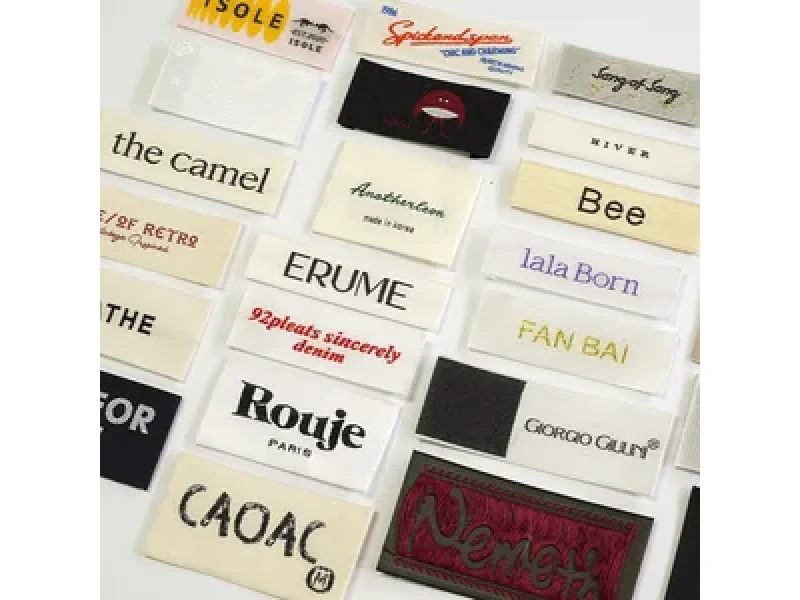
Durable vs Flexible: Woven labels excel in longevity but may limit design options compared to printed ones.
Care Labelling and Fibre Content
Care labelling ensures clear guidance for consumers on how best to care for their clothes. Providing accurate fibre content information builds trust with your customers.Fibre Information: Accurate labelling of fibres is crucial, ensuring products meet consumer expectations regarding comfort and durability.
Small-Batch Practicality
For small-batch orders, customised labels are essential. They allow for unique branding that resonates with bespoke clothing lines.Bespoke Orders: Customised labels offer the flexibility needed to match your brand’s identity and meet specific customer requirements.
Delivery Clarity and UK Confidence
Clear communication about delivery times builds trust with your customers. LabelGo offers 24/7 support, ensuring smooth order processes.UK Delivery: Transparent delivery information is key for maintaining customer confidence in the UK market.
Sew In Labels for Versatility
Sewn-in labels offer a more discreet look and are ideal for premium garments where visibility is less important than functionality. They require careful placement to ensure they remain secure during wear. For those looking beyond woven or printed options, sewn-in labels provide an elegant solution that can be tailored precisely to fit any design requirement.Materials, Folds, Finishes and Design Options
The following table compares material, print or weave quality, use case, and production process for UK textile label manufacturing.
| Criterion | Best use | Check question | Quality expectation |
|---|---|---|---|
| Sew in Labels | Brand, apparel, and accessory products. | Which information must appear on the product? | Clear, readable, and brand-consistent. |
| Woven label | Premium clothing, outerwear, and accessories. | Are thread detail and wash resistance strong? | Dense weave, clean edge, long life. |
| Printed label | Colour logos, care data, and fast production. | Are colours accurate and readable? | Sharp print, flexible base, stable colour. |
| Care / size label | Washing instructions, size, origin information. | Are symbols and languages clear? | High readability in a small space. |
| Hang tag / patch label | Retail display, collections, brand story. | Does material improve product perception? | Durable stock, clean cut, quality workmanship. |
Sew in labels are made from a variety of materials such as polyester, cotton or nylon, each offering different levels of durability and wash resistance.
The fold style can vary; common options include single-fold for simple labelling needs and double-fold for added strength. The edge finish ensures the label looks neat—options like serged edges provide extra protection against fraying.
Readability & Brand Appearance
To ensure readability, labels are printed using high-quality inks that withstand washing and fading. For brand appearance, customised designs can be created to match your specific requirements or artwork proofing is available before production begins.
The material choice also impacts the label’s ability to provide accurate fibre content information, crucial for care labelling on garments. Small-batch orders are practical as they allow for bespoke and personalised labels tailored to each client’s needs.
Customisation Options
Sew in labels can be customised with your logo or text for a professional look. This enhances brand recognition and ensures consistency across products. The choice of material also affects the label’s flexibility, making it suitable for various garment types—cotton fibres are ideal for soft fabrics while polyester works well on heavier materials like denim.How the Custom Label Process Works
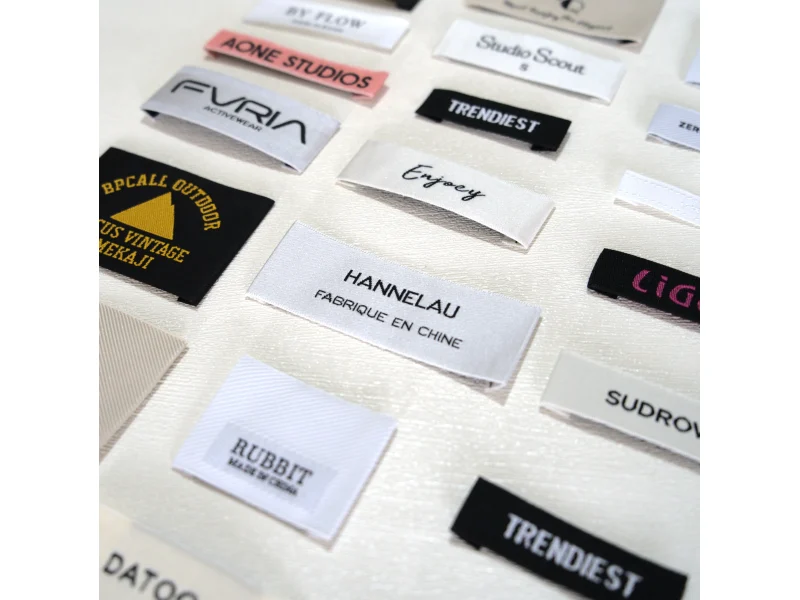
Bespoke Design Upload or Brief:
You can upload your design directly or provide a detailed brief outlining your requirements.
Artwork Proofing
Once the artwork is uploaded, we will send you a digital proof for approval before production begins. This ensures all details are correct.Digital Proof Approval:
We work closely with clients to make sure every detail in your label design meets expectations.
Delivery Clarity
We provide clear turnaround times based on the order size, ensuring your bespoke labels arrive when needed.UK Delivery Options:
We offer reliable UK delivery options to ensure your customised labels reach you quickly and efficiently.
- Fibre Content Information:
- Care Labelling:
LabelGo’s 30+ years of experience in textile label manufacturing make us a trusted choice for UK clothing brands.
Sew in Label Application
Once your custom labels are delivered, our experts advise on optimal sew-in application methods to ensure durability and neatness. Quality Assurance LabelGo’s rigorous quality assurance process guarantees that every label meets the highest standards before it reaches you.How to Choose the Right Label for a UK Clothing Brand
Choosing the right sew in label can significantly impact your brand’s quality and reputation. A well-chosen label should provide clear care instructions, enhance garment identity, and meet legal requirements.Care Labelling and Fibre Content
Care labels must comply with British standards to ensure customer satisfaction and prevent damage during washing. Accurate fibre content labelling builds trust among UK buyers who value transparency in clothing production.Proofing and Small-Batch Practicality
Digital proof before final production is crucial for bespoke orders, ensuring artwork matches your brand’s identity perfectly. LabelGo offers 24/7 support to handle small-batch orders efficiently without compromising on quality control or turnaround times. LabelGo’s experience in London and Istanbul ensures reliable international shipping while maintaining high standards of care labelling and fibre content accuracy. Their digital proofing process guarantees UK delivery clarity, making them a trusted choice for custom clothing labels in the UK market.Label Types and Their Uses
Sew in labels are ideal for garments where ease of reading is crucial. They can be heat-sealed into fabrics during production, ensuring they remain visible even after multiple washes. For a customised label experience, consider LabelGo’s range tailored to UK clothing brands. Their expertise ensures your garment labelling meets all necessary standards and enhances brand identity through detailed design analysis.For deeper UK-focused comparison, you can review Sew in Labels Wikipedia and Sew in Labels Google UK.
Sew in Labels Overview
A sew-in label is a type of textile label that is attached to garments using thread, making them more durable and less likely to come off during washing or wear. This method ensures the longevity of your product’s labelling needs.
Choosing the Right Material for Sew in Labels
The choice of material depends on several factors including durability requirements, fabric type, and aesthetic preferences. Common materials include polyester, nylon, and cotton, each with its own benefits such as strength or breathability.
- Polyester: Highly durable and resistant to wear and tear.
- Nylon: Strong and flexible; ideal for outdoor clothing like jackets and shoes.
- Cotton: Soft, absorbent, but less durable than polyester or nylon.
Ensuring Durability
To ensure the sew-in labels remain intact throughout their lifecycle, it’s crucial to select a label that can withstand repeated washing and wear. Testing is essential; manufacturers should conduct wash tests at least 20 times under standard conditions.
| Test Conditions | Description |
|---|---|
| Washing Temperature | 60°C (140°F) or higher for cotton, 95°C (203°F) for synthetic fibres. |
| Drying Method | Air drying is preferred over tumble-drying to prevent shrinkage and damage. |
Artwork Proofing Before Production
Before finalising the production of sew-in labels, it’s important to proof your artwork. This ensures that all text is clear, colours are accurate, and any design elements meet your exact specifications.
- Text Clarity: Ensure legibility even after repeated washes or wear.
- Colour Accuracy: Use Pantone colour charts for precise matching of brand colours.
- Design Elements: Check that all design elements are correctly aligned and do not interfere with the fabric’s integrity.
Finishing Options
To enhance the appearance and functionality of sew-in labels, several finishing options can be applied. These include heat sealing to prevent fraying or unraveling, as well as embossing for a professional look that stands out.
- Heat Sealing: Prevents edges from unravelling and improves the overall durability of the label.
- Embossing: Adds texture to labels, making them more appealing while also protecting against wear over time.
The Production Workflow
A streamlined production workflow is essential for efficient and cost-effective sew-in label manufacturing. The process typically involves design development, artwork proofing, material sourcing, sewing, quality control checks, and final packaging.
- Design Development: Create a digital or physical prototype of the label to ensure it meets all requirements before moving forward with production.
- Artwork Proofing: Once approved by stakeholders, create high-resolution artwork for printing on labels. This step is critical as any errors here can lead to costly reprints later in the process.
- Material Sourcing: Select appropriate materials based on fabric type and label requirements such as durability or flexibility.
- Sewing Process: Use a sewing machine with suitable thread for attaching labels securely. Ensure that each step is carefully monitored to avoid mistakes during the assembly process.
- Quality Control Checks: Inspect every sew-in label before packaging to ensure they meet quality standards and are free from defects like loose threads or misaligned text.
Notes for clearer production decisions
What Are Sew In Labels? should be reviewed through product use, brand presentation, and durability requirements. For Sew in Labels, the right choice depends on visual quality, wash resistance, contact with the garment, and how the label will perform during daily use.
The choice between woven labels, printed labels, care labels, size labels, and hang tags depends on material, readability, and product positioning. Before production, size, colour, base material, fold style, and sewing area should be confirmed.
Quality control should review text clarity, edge finish, colour consistency, and surface durability together. Sample approval reduces mistakes before full production and protects the brand presentation.
Lead time, quantity, product placement, and packaging needs should be written clearly. This helps the production team prepare the label for the right product group and use case.
Notes for clearer production decisions
What Are Sew In Labels? should be reviewed through product use, brand presentation, and durability requirements. For Sew in Labels, the right choice depends on visual quality, wash resistance, contact with the garment, and how the label will perform during daily use.
The choice between woven labels, printed labels, care labels, size labels, and hang tags depends on material, readability, and product positioning. Before production, size, colour, base material, fold style, and sewing area should be confirmed.
Quality control should review text clarity, edge finish, colour consistency, and surface durability together. Sample approval reduces mistakes before full production and protects the brand presentation.
Lead time, quantity, product placement, and packaging needs should be written clearly. This helps the production team prepare the label for the right product group and use case.
What Are Custom Clothing Labels? should be reviewed through product use, brand presentation, and durability requirements. For Sew in Labels, the right choice depends on visual quality, wash resistance, contact with the garment, and how the label will perform during daily use.
The choice between woven labels, printed labels, care labels, size labels, and hang tags depends on material, readability, and product positioning. Before production, size, colour, base material, fold style, and sewing area should be confirmed.
Quality control should review text clarity, edge finish, colour consistency, and surface durability together. Sample approval reduces mistakes before full production and protects the brand presentation.
Lead time, quantity, product placement, and packaging needs should be written clearly. This helps the production team prepare the label for the right product group and use case.
Custom Clothing Label Types Compared should be reviewed through product use, brand presentation, and durability requirements. For Sew in Labels, the right choice depends on visual quality, wash resistance, contact with the garment, and how the label will perform during daily use.
The choice between woven labels, printed labels, care labels, size labels, and hang tags depends on material, readability, and product positioning. Before production, size, colour, base material, fold style, and sewing area should be confirmed.
Quality control should review text clarity, edge finish, colour consistency, and surface durability together. Sample approval reduces mistakes before full production and protects the brand presentation.
Lead time, quantity, product placement, and packaging needs should be written clearly. This helps the production team prepare the label for the right product group and use case.
Textile Label Comparison Table should be reviewed through product use, brand presentation, and durability requirements. For Sew in Labels, the right choice depends on visual quality, wash resistance, contact with the garment, and how the label will perform during daily use.
The choice between woven labels, printed labels, care labels, size labels, and hang tags depends on material, readability, and product positioning. Before production, size, colour, base material, fold style, and sewing area should be confirmed.
Quality control should review text clarity, edge finish, colour consistency, and surface durability together. Sample approval reduces mistakes before full production and protects the brand presentation.
Lead time, quantity, product placement, and packaging needs should be written clearly. This helps the production team prepare the label for the right product group and use case.
Materials, Folds, Finishes and Design Options should be reviewed through product use, brand presentation, and durability requirements. For Sew in Labels, the right choice depends on visual quality, wash resistance, contact with the garment, and how the label will perform during daily use.
The choice between woven labels, printed labels, care labels, size labels, and hang tags depends on material, readability, and product positioning. Before production, size, colour, base material, fold style, and sewing area should be confirmed.
Quality control should review text clarity, edge finish, colour consistency, and surface durability together. Sample approval reduces mistakes before full production and protects the brand presentation.
Lead time, quantity, product placement, and packaging needs should be written clearly. This helps the production team prepare the label for the right product group and use case.
How the Custom Label Process Works should be reviewed through product use, brand presentation, and durability requirements. For Sew in Labels, the right choice depends on visual quality, wash resistance, contact with the garment, and how the label will perform during daily use.
The choice between woven labels, printed labels, care labels, size labels, and hang tags depends on material, readability, and product positioning. Before production, size, colour, base material, fold style, and sewing area should be confirmed.
Quality control should review text clarity, edge finish, colour consistency, and surface durability together. Sample approval reduces mistakes before full production and protects the brand presentation.
Lead time, quantity, product placement, and packaging needs should be written clearly. This helps the production team prepare the label for the right product group and use case.
How to Choose the Right Label for a UK Clothing Brand should be reviewed through product use, brand presentation, and durability requirements. For Sew in Labels, the right choice depends on visual quality, wash resistance, contact with the garment, and how the label will perform during daily use.
The choice between woven labels, printed labels, care labels, size labels, and hang tags depends on material, readability, and product positioning. Before production, size, colour, base material, fold style, and sewing area should be confirmed.
Quality control should review text clarity, edge finish, colour consistency, and surface durability together. Sample approval reduces mistakes before full production and protects the brand presentation.
Lead time, quantity, product placement, and packaging needs should be written clearly. This helps the production team prepare the label for the right product group and use case.