
Size Labels should be planned as a UK textile label manufacturing choice by matching garment type, material, fold style, wash resistance, print or weave quality, and brand identity.
This guide covers woven labels, printed labels, care labels, hang tags, size labels, made-in labels, and patch labels for UK-focused decisions.
What Are Size Labels?
Size labels are essential textile labelling used in clothing and garments, providing crucial size information directly on the item or its packaging.
Bespoke Label Solutions
To ensure your UK brand stands out, bespoke label solutions offer customised designs tailored to meet specific needs, enhancing both product quality and customer satisfaction.
Why Are Size Labels Important?
Size labels are important for ensuring customers can easily find their perfect fit and avoid returns due to sizing issues. They provide clear measurements, making the shopping experience smoother. They also help in maintaining brand consistency across different products and stores, enhancing customer trust through accurate labelling practices.Custom Clothing Label Types Compared
Delivery Clarity
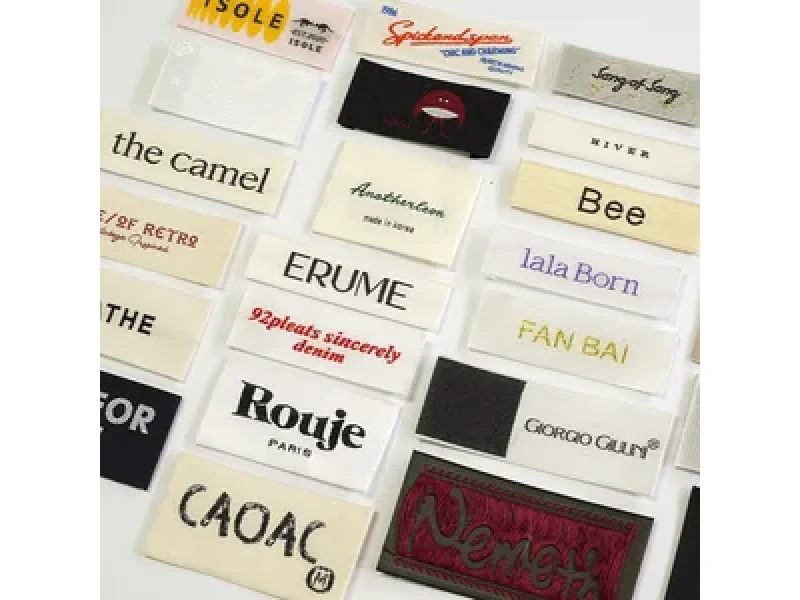
At LabelGo, we offer clear delivery expectations and 24/7 support to ensure your order arrives on time. Our international shipping options cater to UK clothing brands looking for reliable fulfilment services. Digital proofing allows you to approve the artwork before production, ensuring that every detail meets your bespoke requirements. Quality control checks are performed meticulously before packaging and dispatch, guaranteeing high standards of customised labels.Size Labels
Size labels are essential for clear communication with customers about garment fit and measurements. At LabelGo, we offer customised size labels that can be printed or woven to match your brand’s aesthetic. These labels help in enhancing customer satisfaction by ensuring they receive the correct size. Our labelling services include detailed analysis of fabric fibres to ensure longevity and durability, making sure your size labels remain clear and legible even after multiple washes. With our customisation options, you can choose from a wide range of colours and designs that fit your brand’s identity perfectly.Materials, Folds, Finishes and Design Options
The following table compares material, print or weave quality, use case, and production process for UK textile label manufacturing.
| Criterion | Best use | Check question | Quality expectation |
|---|---|---|---|
| Size Labels | Brand, apparel, and accessory products. | Which information must appear on the product? | Clear, readable, and brand-consistent. |
| Woven label | Premium clothing, outerwear, and accessories. | Are thread detail and wash resistance strong? | Dense weave, clean edge, long life. |
| Printed label | Colour logos, care data, and fast production. | Are colours accurate and readable? | Sharp print, flexible base, stable colour. |
| Care / size label | Washing instructions, size, origin information. | Are symbols and languages clear? | High readability in a small space. |
| Hang tag / patch label | Retail display, collections, brand story. | Does material improve product perception? | Durable stock, clean cut, quality workmanship. |
At LabelGo, we offer a range of materials including polyester, nylon, and cotton for your size labels. Each material has its own benefits—polyester is durable, nylon offers strength, while cotton provides softness.
Fold Style & Wash Resistance
We provide various fold styles such as single-fold or double-fold to ensure durability during washing cycles. Our labels are designed with wash resistance in mind for long-lasting use on garments and textiles.
Our size labels come in a variety of finishes, from smooth to embossed, enhancing readability while maintaining the brand’s appearance. We also offer customised designs that can include your logo or text for unique identification.
Care Labelling & Fibre Content
We provide detailed care labelling on our size labels, ensuring customers know how best to maintain their garments. Our fibre content information is accurate and includes all necessary details such as percentage breakdowns of fibres used in the garment.
For small-batch orders, we ensure quick turnaround times with quality control checks before delivery. This guarantees that every label meets our high standards for UK buyers’ confidence.
Customisation Options
We offer customisation options to match your brand’s identity perfectly. Choose from a range of colours and add text or logos for unique labelling. Our materials are carefully selected, with polyester being ideal for durability in washing cycles. For softer garments, cotton is the perfect choice due to its comfort.How the Custom Label Process Works
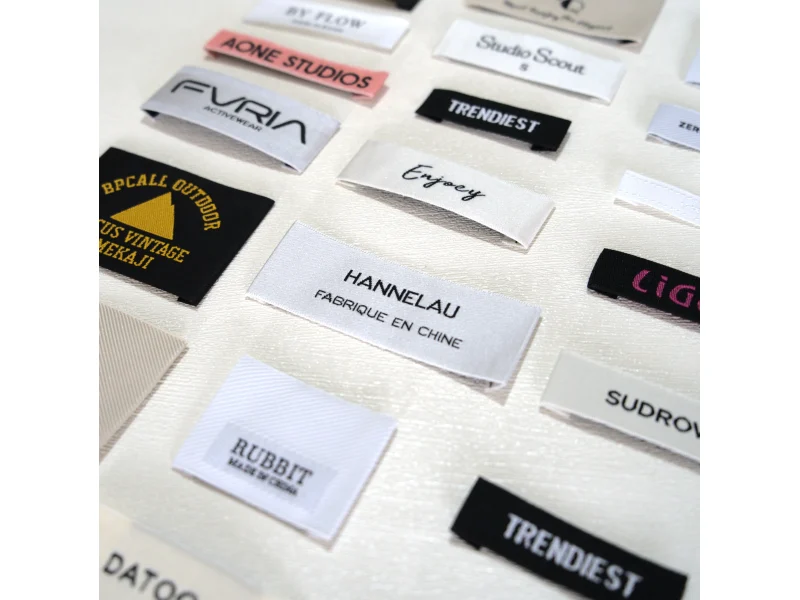
Bespoke label design starts with a brief or upload for customisation.
A quote is provided based on your specific requirements and batch size.
Digital Proof Approval
Once artwork proofing confirms the design, it goes into production immediately.
Quality control checks ensure all labels meet our high standards before packaging.
Packaged labels are then shipped with tracking details for easy delivery monitoring.
a garment label option UK: Perfectly tailored to fit your garment’s needs and brand identity, ensuring clear care instructions and size information.
How to Choose the Right Label for a UK Clothing Brand
Choose labels that match your brand identity and customer expectations with bespoke, customised or personalised options. Ensure clear artwork proofing before production starts.Bespoke vs Customised: Bespoke means tailor-made specifically for you; customised can be more flexible but still tailored to fit your needs.
Selecting the Right Material for Your Size Label
The choice of label material is vital to ensure longevity and durability. Common options include polyester, nylon, and paper-based labels with a synthetic coating. Polyester labels are ideal due to their resistance to wear and tear but can be more expensive.
Artwork Proofing for Customised this textile label
Before finalising artwork designs, it’s crucial to conduct thorough proofreading sessions with multiple stakeholders. This ensures accuracy in text placement, font choices, and colour schemes that align with your brand identity. Utilise digital proofs sent via email or online platforms like Dropbox.
Ordering Decisions for Customised this textile label
When placing orders with suppliers, ensure they offer customisation services tailored to your needs. Request samples before committing large quantities and negotiate pricing based on volume discounts or bulk order minimums.
Regular communication throughout the ordering process helps maintain transparency and ensures timely delivery.
Digital Catalogue for Size Label Products
Create an online digital catalogue showcasing all available size label products, including different materials, finishes, and customisation options. This resource can be shared with clients during presentations or used as a reference guide when they place orders.
Include high-quality images of sample labels to give customers a clear idea of the final product.
Defence Against Counterfeit Labels
To protect your brand from counterfeiters, consider incorporating security features into size label designs such as holograms or microtext that are difficult for imitators to replicate. These measures add an extra layer of protection and help maintain the integrity of your products.
Notes for clearer production decisions
What Are Size Labels? should be reviewed through product use, brand presentation, and durability requirements. For Size Labels, the right choice depends on visual quality, wash resistance, contact with the garment, and how the label will perform during daily use.
The choice between woven labels, printed labels, care labels, size labels, and hang tags depends on material, readability, and product positioning. Before production, size, colour, base material, fold style, and sewing area should be confirmed.
Quality control should review text clarity, edge finish, colour consistency, and surface durability together. Sample approval reduces mistakes before full production and protects the brand presentation.
Lead time, quantity, product placement, and packaging needs should be written clearly. This helps the production team prepare the label for the right product group and use case.
What Are Custom Clothing Labels? should be reviewed through product use, brand presentation, and durability requirements. For Size Labels, the right choice depends on visual quality, wash resistance, contact with the garment, and how the label will perform during daily use.
The choice between woven labels, printed labels, care labels, size labels, and hang tags depends on material, readability, and product positioning. Before production, size, colour, base material, fold style, and sewing area should be confirmed.
Quality control should review text clarity, edge finish, colour consistency, and surface durability together. Sample approval reduces mistakes before full production and protects the brand presentation.
Lead time, quantity, product placement, and packaging needs should be written clearly. This helps the production team prepare the label for the right product group and use case.
Custom Clothing Label Types Compared should be reviewed through product use, brand presentation, and durability requirements. For Size Labels, the right choice depends on visual quality, wash resistance, contact with the garment, and how the label will perform during daily use.
The choice between woven labels, printed labels, care labels, size labels, and hang tags depends on material, readability, and product positioning. Before production, size, colour, base material, fold style, and sewing area should be confirmed.
Quality control should review text clarity, edge finish, colour consistency, and surface durability together. Sample approval reduces mistakes before full production and protects the brand presentation.
Lead time, quantity, product placement, and packaging needs should be written clearly. This helps the production team prepare the label for the right product group and use case.
Textile Label Comparison Table should be reviewed through product use, brand presentation, and durability requirements. For Size Labels, the right choice depends on visual quality, wash resistance, contact with the garment, and how the label will perform during daily use.
The choice between woven labels, printed labels, care labels, size labels, and hang tags depends on material, readability, and product positioning. Before production, size, colour, base material, fold style, and sewing area should be confirmed.
Quality control should review text clarity, edge finish, colour consistency, and surface durability together. Sample approval reduces mistakes before full production and protects the brand presentation.
Lead time, quantity, product placement, and packaging needs should be written clearly. This helps the production team prepare the label for the right product group and use case.
Materials, Folds, Finishes and Design Options should be reviewed through product use, brand presentation, and durability requirements. For Size Labels, the right choice depends on visual quality, wash resistance, contact with the garment, and how the label will perform during daily use.
The choice between woven labels, printed labels, care labels, size labels, and hang tags depends on material, readability, and product positioning. Before production, size, colour, base material, fold style, and sewing area should be confirmed.
Quality control should review text clarity, edge finish, colour consistency, and surface durability together. Sample approval reduces mistakes before full production and protects the brand presentation.
Lead time, quantity, product placement, and packaging needs should be written clearly. This helps the production team prepare the label for the right product group and use case.
How the Custom Label Process Works should be reviewed through product use, brand presentation, and durability requirements. For Size Labels, the right choice depends on visual quality, wash resistance, contact with the garment, and how the label will perform during daily use.
The choice between woven labels, printed labels, care labels, size labels, and hang tags depends on material, readability, and product positioning. Before production, size, colour, base material, fold style, and sewing area should be confirmed.
Quality control should review text clarity, edge finish, colour consistency, and surface durability together. Sample approval reduces mistakes before full production and protects the brand presentation.
Lead time, quantity, product placement, and packaging needs should be written clearly. This helps the production team prepare the label for the right product group and use case.
How to Choose the Right Label for a UK Clothing Brand should be reviewed through product use, brand presentation, and durability requirements. For Size Labels, the right choice depends on visual quality, wash resistance, contact with the garment, and how the label will perform during daily use.
The choice between woven labels, printed labels, care labels, size labels, and hang tags depends on material, readability, and product positioning. Before production, size, colour, base material, fold style, and sewing area should be confirmed.
Quality control should review text clarity, edge finish, colour consistency, and surface durability together. Sample approval reduces mistakes before full production and protects the brand presentation.
Lead time, quantity, product placement, and packaging needs should be written clearly. This helps the production team prepare the label for the right product group and use case.
Frequently Asked Questions should be reviewed through product use, brand presentation, and durability requirements. For Size Labels, the right choice depends on visual quality, wash resistance, contact with the garment, and how the label will perform during daily use.
The choice between woven labels, printed labels, care labels, size labels, and hang tags depends on material, readability, and product positioning. Before production, size, colour, base material, fold style, and sewing area should be confirmed.
Quality control should review text clarity, edge finish, colour consistency, and surface durability together. Sample approval reduces mistakes before full production and protects the brand presentation.
Lead time, quantity, product placement, and packaging needs should be written clearly. This helps the production team prepare the label for the right product group and use case.
How to Choose the Right Textile Label for UK Apparel and Fashion Products should be reviewed through product use, brand presentation, and durability requirements. For Size Labels, the right choice depends on visual quality, wash resistance, contact with the garment, and how the label will perform during daily use.
The choice between woven labels, printed labels, care labels, size labels, and hang tags depends on material, readability, and product positioning. Before production, size, colour, base material, fold style, and sewing area should be confirmed.
Quality control should review text clarity, edge finish, colour consistency, and surface durability together. Sample approval reduces mistakes before full production and protects the brand presentation.
Lead time, quantity, product placement, and packaging needs should be written clearly. This helps the production team prepare the label for the right product group and use case.
Materials, Fold Styles, and Design Options for Size Labels should be reviewed through product use, brand presentation, and durability requirements. For Size Labels, the right choice depends on visual quality, wash resistance, contact with the garment, and how the label will perform during daily use.
The choice between woven labels, printed labels, care labels, size labels, and hang tags depends on material, readability, and product positioning. Before production, size, colour, base material, fold style, and sewing area should be confirmed.
Quality control should review text clarity, edge finish, colour consistency, and surface durability together. Sample approval reduces mistakes before full production and protects the brand presentation.
Lead time, quantity, product placement, and packaging needs should be written clearly. This helps the production team prepare the label for the right product group and use case.
When planning Size Labels, label type, product group, and expected service life should be reviewed together. This creates a better balance between brand presentation and technical durability.
The production file should include size, colour code, material, printing or weaving method, and delivery expectation. Clear information speeds up approval and reduces revision work.