
Printed Fabric Labels should be planned as a UK textile label manufacturing choice by matching garment type, material, fold style, wash resistance, print or weave quality, and brand identity.
This guide covers woven labels, printed labels, care labels, hang tags, size labels, made-in labels, and patch labels for UK-focused decisions.
What Are Printed Fabric Labels?
Printed fabric labels are customised tags used in clothing and textiles, offering detailed information such as care instructions or brand details. These labels can be woven into the garment or printed on a separate piece of material.Bespoke Label Solutions
Customised labels allow UK brands to showcase their unique identity through tailored designs that meet specific requirements for artwork proofing before production and small-batch orders.Quality Control and Delivery Clarity
At LabelGo, we ensure quality control with digital proofs and international shipping options. Our 7/24 support guarantees clear communication throughout the order process, from design upload to final delivery in the UK or abroad.Printed Fabric Labels: A Key Element in Clothing Labelling
Printed fabric labels provide essential information like washing instructions and brand details directly on garments. They enhance the overall look of clothing, making them a crucial part of any fashion item. Customised printed labels allow UK brands to stand out by incorporating unique designs that align with their branding. This customisation ensures each label is tailored to meet specific artwork requirements before production begins. At LabelGo, we offer digital proofing services and international shipping options for small-batch orders. Our 24/7 support team keeps you informed every step of the way, from design upload to final delivery in the UK or abroad.Custom Clothing Label Types Compared
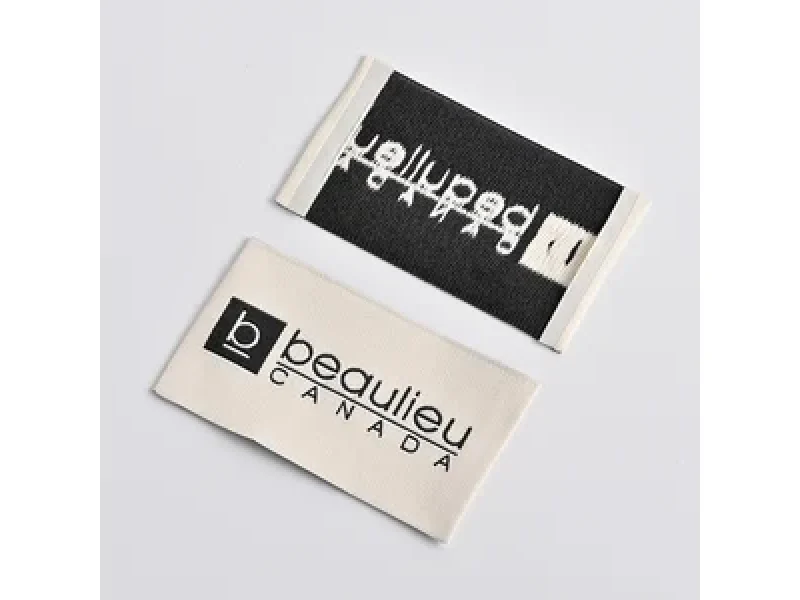
Printed Fabric Labels vs Woven Labels
Printed fabric labels offer greater flexibility in design and are easier to customise with logos, colours or detailed information compared to woven ones. They also allow for smaller batch orders due to the digital printing process not requiring extensive setup time like weaving does. However, they may be less durable over repeated washing cycles. For UK buyers looking at small-batch production runs, printed fabric labels are a practical choice as they can quickly adapt designs and provide clear care labelling with fibre content details. The quality control before delivery ensures customer satisfaction in bespoke clothing label requirements.Printed Fabric Labels for Small-Batch Orders
Customised printed fabric labels are ideal for small-batch orders due to their quick setup and design flexibility. They can be easily tailored with unique branding or detailed product information, ensuring each garment is properly labelled. For UK manufacturers needing clear care instructions, these labels offer precise fibre content details that enhance customer trust in the quality of custom clothing items. The ease of integration into production lines makes them a popular choice for bespoke labelling requirements.Materials, Folds, Finishes and Design Options
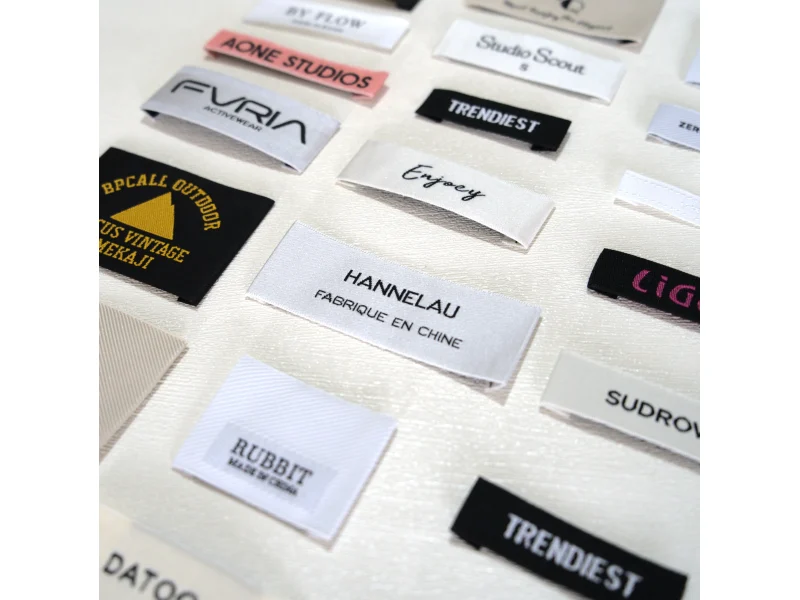
The following table compares material, print or weave quality, use case, and production process for UK textile label manufacturing.
| Criterion | Best use | Check question | Quality expectation |
|---|---|---|---|
| Printed Fabric Labels | Brand, apparel, and accessory products. | Which information must appear on the product? | Clear, readable, and brand-consistent. |
| Woven label | Premium clothing, outerwear, and accessories. | Are thread detail and wash resistance strong? | Dense weave, clean edge, long life. |
| Printed label | Colour logos, care data, and fast production. | Are colours accurate and readable? | Sharp print, flexible base, stable colour. |
| Care / size label | Washing instructions, size, origin information. | Are symbols and languages clear? | High readability in a small space. |
| Hang tag / patch label | Retail display, collections, brand story. | Does material improve product perception? | Durable stock, clean cut, quality workmanship. |
Printed fabric labels are made from a variety of materials such as polyester, cotton or nylon, each offering different durability levels for your garment.
Fold Style
Different fold styles like single-fold, double-fold, and triple-fold ensure the label stays securely in place while providing a professional look to your clothing line.
Readability and Brand Appearance
A clear print ensures your brand’s logo and text are easily readable while maintaining the aesthetic appeal of your clothing items.
Printed fabric labels offer flexibility in design options to match your bespoke or customised branding needs, ensuring each garment is uniquely identifiable with accurate care labelling information.
Customisation Options
Printed fabric labels can be customised to match your brand’s unique design preferences, ensuring each garment is individually identifiable. Durability Choices Different materials like polyester or cotton offer varying levels of durability. Polyester provides excellent wear resistance but may feel less comfortable against the skin compared to softer fabrics like cotton. Professional Appearance Triple-fold styles provide a neat and professional appearance while maintaining label security during washing cycles. Heat Sealing vs Sewing While heat sealing is faster, sewing offers greater longevity by securely attaching labels without compromising garment integrity.How the Custom Label Process Works
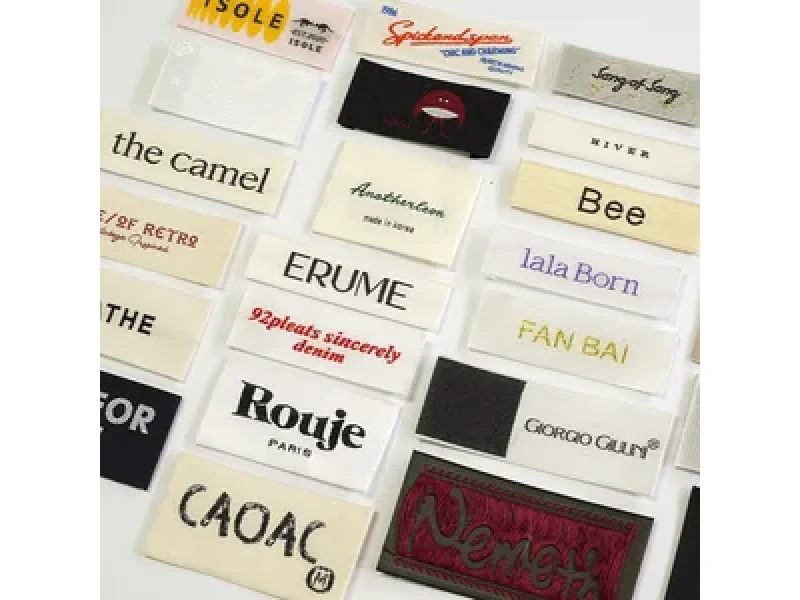
The custom label process at LabelGo involves several key steps from initial brief to final delivery, ensuring high-quality and bespoke labels for your clothing brand.
Step-by-Step Order Flow
- Product or Label Type Selection: Choose the type of label you need—woven, printed fabric, care labels, hang tags, etc.
- Design Upload or Brief: Provide your design or give a detailed brief to our team for customisation.
- Quote or Order: Receive a quote based on the details provided and place an order if you proceed.
- Digital Proof Approval: Review digital proofs before production ensures accuracy in design and colour.
- Production: Labels are produced according to your specifications, ensuring quality throughout the process.
- Quality Control: Each label undergoes strict quality checks for excellence before packaging.
- Packaging & Shipping: Carefully packaged and shipped with full tracking information provided.
This step-by-step process ensures that every printed fabric label meets your bespoke requirements, from initial artwork proof to final delivery in the UK or internationally.
How to Choose the Right Label for a UK Clothing Brand
Choose labels that offer digital proofing, ensuring your design meets expectations before production starts. This step builds trust and saves on rework costs. Digital proofing is crucial in today’s fast-paced fashion industry where precision matters most. Select suppliers with international shipping capabilities to ensure timely delivery of small-batch orders. For UK clothing brands, reliability is key when managing inventory levels. Reliable international shipping ensures your labels arrive on time for production deadlines and retail launches. Prioritise quality control checks before packaging and dispatching the final product. This process guarantees that only high-quality labels reach your customers. Quality control measures are essential to maintain brand integrity and customer satisfaction with every garment label you produce. Consider fibre content labelling, which is increasingly important as consumers demand transparency about what they wear. Customised care instructions can also enhance user experience. Fibre content labelling helps meet legal requirements while providing valuable information that builds consumer trust in your clothing range. For bespoke or customised labels, ensure the supplier offers a clear turnaround time and artwork proofing services. This ensures you get exactly what you need without delays. Clear communication on turnaround times is vital for UK fashion brands to manage their production schedules effectively and meet market demands promptly.Proofing Process
Digital proofs allow you to review your label designs before final printing, ensuring accuracy and satisfaction with the finished product.Customisation and Compliance
Choose labels that comply with UK labelling laws while offering customised designs to match your brand’s aesthetic. This balance ensures legal adherence without compromising on style. Ensure the supplier offers a wide range of label types, from woven to heat transfer options, catering to various fabric textures and garment styles.For deeper UK-focused comparison, you can review Printed Fabric Labels Wikipedia and Printed Fabric Labels Google UK.
Choosing the Right Printed Fabric Labels
Selecting a garment label option for your products is a crucial decision that can impact both their appearance and functionality.
When choosing, consider factors such as the label’s intended use, environmental conditions it will face, and whether you need customised designs or standard options.
Material Selection: Fibres and Durability
The choice of fabric is vital for printed labels due to varying durability requirements in different environments. Common fibres include polyester, nylon, and cotton blends, each offering unique properties such as moisture resistance and flexibility.
For outdoor use or high-temperature applications, synthetic materials like polypropylene are preferable.
Artwork Proofing: Ensuring Quality Before Production
To avoid costly mistakes during production, artwork proofing is essential. This involves reviewing the design to ensure all details—such as text clarity and colour accuracy—are correct before final printing. Use high-resolution images for detailed designs and consider multiple proofs if necessary.
Finishing Options: Enhancing Label Appearance
A variety of finishing options can be applied to the production choice, including embossing, debossing, laminating, and varnishing. These processes not only enhance the aesthetic appeal but also improve durability against wear and tear.
Ordering Decisions Based on Volume
The volume of labels you order can significantly affect the cost. Bulk orders often benefit from lower unit prices but require careful planning to avoid excess inventory. Consider your product lifecycle and seasonal demand fluctuations when placing large orders.
Durability Checks for Longevity in Use
To ensure this textile label last, durability checks are necessary during production. These tests assess the label’s resistance to factors like washing, abrasion, and exposure to sunlight or chemicals. Common methods include soak testing with detergents and UV light ageing.
Artwork Proofing: Ensuring Text Clarity
In the proofing process, it’s crucial to check text clarity across all labels. Ensure legibility under various lighting conditions and at different distances from the viewer. This step is particularly important for critical information like washing instructions or allergen warnings.
Finishing Options: Varnish Application
Varnishing can protect a garment label option against fading, wear, and tear. It also gives a professional finish that enhances overall label appearance. For outdoor use, consider UV-resistant varnishes to maintain colour integrity over time.
Production Workflow for High-Quality Labels
A streamlined production workflow ensures high-quality output. Start with accurate design files, followed by thorough artwork proofing and final printing using state-of-the-art equipment like wide-format printers.
Quality control measures should be in place to catch any issues before the labels are cut or attached.
Ordering Decisions Based on Product Lifespan
The expected lifespan of your product influences label ordering decisions. For items with a short shelf life, smaller batch sizes may suffice. Conversely, long-lasting products like outdoor gear might warrant larger orders to ensure consistent branding and quality throughout their lifecycle.
Durability Checks for Outdoor Use Labels
For labels intended for use outdoors or in harsh environments, additional durability checks are essential. These include tests for water resistance (waterfastness), light stability, and abrasion resistance. Manufacturers often have specific protocols to simulate real-world conditions.
Customisation Options: Holographic Effects
Holographic labels can add a sophisticated touch to your products while providing an extra layer of security against counterfeiting attempts. These labels reflect light in unique patterns, making them difficult to replicate without specialised equipment and materials.
Artwork Proofing for Consistency Across Labels
To maintain consistency across all the production choice, artwork proofing should be comprehensive. This involves checking the design on multiple samples to ensure uniformity of text size, colour intensity, and overall layout. Any inconsistencies can lead to confusion among consumers.
Production Workflow for High-Volume Orders
For high-volume orders, the production workflow should be optimised for efficiency without compromising quality. Utilise automated cutting machines to reduce waste and ensure precise cuts every time. Quality control checkpoints at various stages of production help maintain consistency throughout large batches.
Ordering Decisions Based on Seasonal Demand
To manage inventory effectively, consider seasonal demand when placing orders for this textile label. For example, if you produce outdoor clothing, larger quantities might be needed during warmer months to meet increased sales volumes
Notes for clearer production decisions
What Are Printed Fabric Labels? should be reviewed through product use, brand presentation, and durability requirements. For Printed Fabric Labels, the right choice depends on visual quality, wash resistance, contact with the garment, and how the label will perform during daily use.
The choice between woven labels, printed labels, care labels, size labels, and hang tags depends on material, readability, and product positioning. Before production, size, colour, base material, fold style, and sewing area should be confirmed.
Quality control should review text clarity, edge finish, colour consistency, and surface durability together. Sample approval reduces mistakes before full production and protects the brand presentation.
Lead time, quantity, product placement, and packaging needs should be written clearly. This helps the production team prepare the label for the right product group and use case.
What Are Custom Clothing Labels? should be reviewed through product use, brand presentation, and durability requirements. For Printed Fabric Labels, the right choice depends on visual quality, wash resistance, contact with the garment, and how the label will perform during daily use.
Notes for clearer production decisions
What Are Printed Fabric Labels? should be reviewed through product use, brand presentation, and durability requirements. For Printed Fabric Labels, the right choice depends on visual quality, wash resistance, contact with the garment, and how the label will perform during daily use.
The choice between woven labels, printed labels, care labels, size labels, and hang tags depends on material, readability, and product positioning. Before production, size, colour, base material, fold style, and sewing area should be confirmed.
Quality control should review text clarity, edge finish, colour consistency, and surface durability together. Sample approval reduces mistakes before full production and protects the brand presentation.
Lead time, quantity, product placement, and packaging needs should be written clearly. This helps the production team prepare the label for the right product group and use case.
What Are Custom Clothing Labels? should be reviewed through product use, brand presentation, and durability requirements. For Printed Fabric Labels, the right choice depends on visual quality, wash resistance, contact with the garment, and how the label will perform during daily use.
The choice between woven labels, printed labels, care labels, size labels, and hang tags depends on material, readability, and product positioning. Before production, size, colour, base material, fold style, and sewing area should be confirmed.
Quality control should review text clarity, edge finish, colour consistency, and surface durability together. Sample approval reduces mistakes before full production and protects the brand presentation.
Lead time, quantity, product placement, and packaging needs should be written clearly. This helps the production team prepare the label for the right product group and use case.
Custom Clothing Label Types Compared should be reviewed through product use, brand presentation, and durability requirements. For Printed Fabric Labels, the right choice depends on visual quality, wash resistance, contact with the garment, and how the label will perform during daily use.
The choice between woven labels, printed labels, care labels, size labels, and hang tags depends on material, readability, and product positioning. Before production, size, colour, base material, fold style, and sewing area should be confirmed.
Quality control should review text clarity, edge finish, colour consistency, and surface durability together. Sample approval reduces mistakes before full production and protects the brand presentation.
Lead time, quantity, product placement, and packaging needs should be written clearly. This helps the production team prepare the label for the right product group and use case.
Textile Label Comparison Table should be reviewed through product use, brand presentation, and durability requirements. For Printed Fabric Labels, the right choice depends on visual quality, wash resistance, contact with the garment, and how the label will perform during daily use.
The choice between woven labels, printed labels, care labels, size labels, and hang tags depends on material, readability, and product positioning. Before production, size, colour, base material, fold style, and sewing area should be confirmed.
Quality control should review text clarity, edge finish, colour consistency, and surface durability together. Sample approval reduces mistakes before full production and protects the brand presentation.
Lead time, quantity, product placement, and packaging needs should be written clearly. This helps the production team prepare the label for the right product group and use case.
Materials, Folds, Finishes and Design Options should be reviewed through product use, brand presentation, and durability requirements. For Printed Fabric Labels, the right choice depends on visual quality, wash resistance, contact with the garment, and how the label will perform during daily use.
The choice between woven labels, printed labels, care labels, size labels, and hang tags depends on material, readability, and product positioning. Before production, size, colour, base material, fold style, and sewing area should be confirmed.
Quality control should review text clarity, edge finish, colour consistency, and surface durability together. Sample approval reduces mistakes before full production and protects the brand presentation.
Lead time, quantity, product placement, and packaging needs should be written clearly. This helps the production team prepare the label for the right product group and use case.
How the Custom Label Process Works should be reviewed through product use, brand presentation, and durability requirements. For Printed Fabric Labels, the right choice depends on visual quality, wash resistance, contact with the garment, and how the label will perform during daily use.