
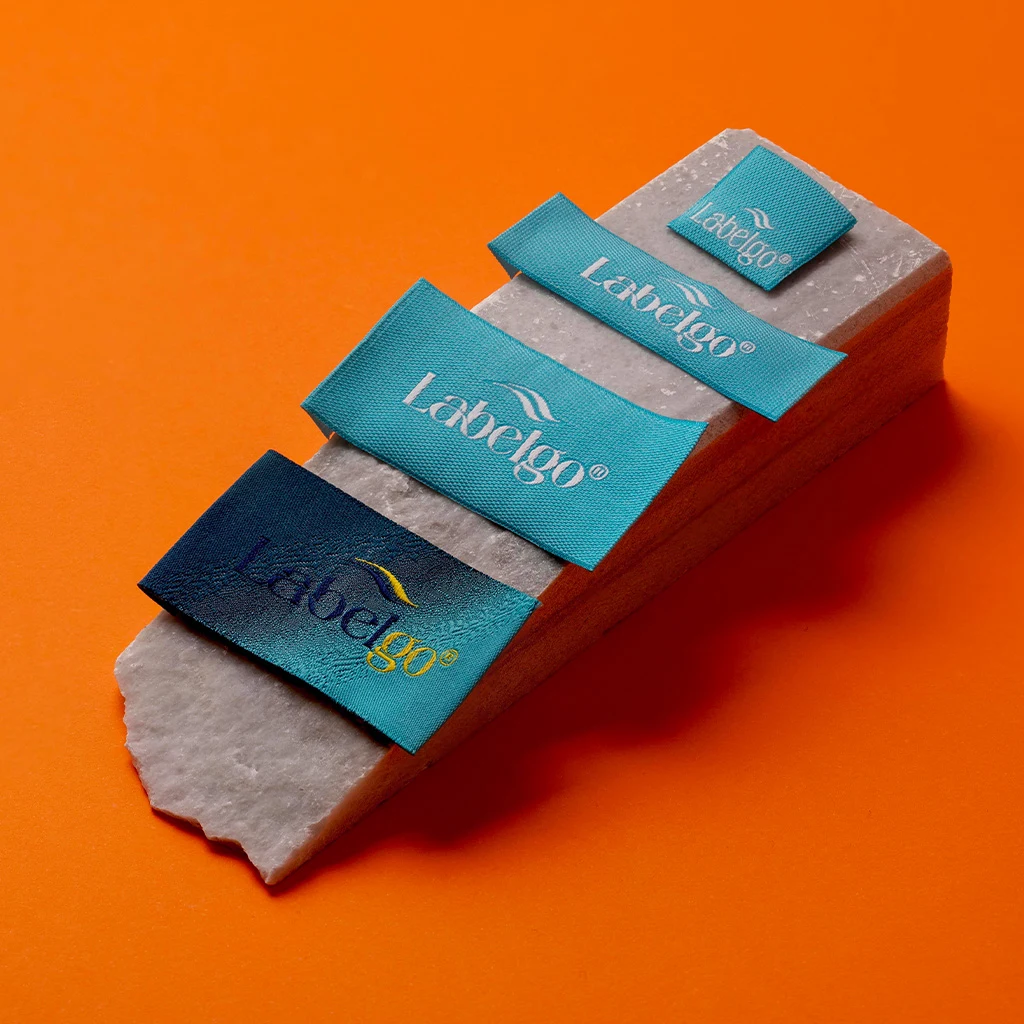
The design process behind these bespoke labels is nothing short of an artistic odyssey. From conceptualisation to finalisation, every element is meticulously crafted to reflect a brand’s unique ethos and aesthetic. This creative journey requires a deep understanding of both fashion trends and customer expectations, ensuring that the label not only complements but also enhances the overall garment.
Upload your own logo or artwork, choose dimensions & materials, and review your live digital preview before ordering. (LabelGo label catalog).
Configure Your Label Online Now →Material selection forms the bedrock upon which the quality of custom garment labels rests. The choice between silk, cotton, or synthetic fibres can significantly impact durability, appearance, and comfort. Each material offers distinct advantages, making it crucial for designers to consider both aesthetic appeal and practicality when selecting the right fabric for their bespoke Custom Clothing Labels.
The manufacturing techniques employed in producing these Custom Garment Labels options are a testament to precision and craftsmanship. Advanced printing methods, such as digital sublimation or screen printing, allow for intricate designs and vibrant colours that stand the test of time. Every step from design to production is executed with meticulous care, ensuring that each label meets the highest standards of quality.
Quality control plays a pivotal role in maintaining the integrity and reputation of custom garment labels. Rigorous testing processes are implemented at every stage of production to ensure consistency and excellence. From initial material inspection to final product evaluation, no detail is overlooked, guaranteeing that only the finest products reach the market.
Navigating legal regulations is another critical aspect of producing bespoke labels. Compliance with industry standards and local laws ensures not only a smooth manufacturing process but also protects both the manufacturer and consumer These options are available with delivery timelines tailored to your needs.
Table of Contents
Designing Bespoke Labels: A Creative Journey
For detailed information regarding UK garment labelling standards and textile materials, Wikipedia Textile Guide provides useful reference details.
Understanding the Design Process
The design process for custom garment labels is a meticulous and creative journey that begins with understanding the client’s vision and brand identity. From initial sketches to final production, each step is crucial in ensuring that the label not only complements but enhances the overall aesthetic of the garments it adorns. The first stage involves gathering detailed information from the client about their preferences, such as colour schemes, typography, and any specific design elements they wish to incorporate.
Once the initial concepts are agreed upon, designers utilise advanced software to create digital mock-ups that can be refined through multiple iterations until the final design is perfected. This phase often requires close collaboration with textile experts who ensure that the chosen materials will withstand various washing conditions and maintain their integrity over time. The dedicated Custom Clothing Labels studio ensures seamless compliance with international ISO wash care symbols, composition, and sizing. With sustainable and recycled yarn options, eco-friendly Custom Garment Labels reflects your brand’s commitment to responsible fashion.
Incorporating Brand Identity
A successful custom garment label must seamlessly integrate the brand’s identity into its design. This involves more than just incorporating logos or colour schemes; it requires a deep understanding of the brand’s ethos and target audience. For instance, if the brand is known for its sustainability efforts, these Custom Garment Labels options might feature eco-friendly materials and minimalist designs that reflect these values.
Typography plays a significant role in this integration. The font choice can convey different emotions and messages; serif fonts often suggest elegance and tradition, while sans-serif fonts are associated with modernity and simplicity. Colours also hold substantial weight, as they evoke specific feelings and associations—red for passion or energy, blue for trustworthiness or calmness.
Trends and Innovations
The world of custom garment labels is constantly evolving, driven by both fashion trends and technological advancements. One notable trend is the move towards more sustainable practices, with many brands opting for biodegradable materials and reducing waste in production processes. This shift not only aligns with consumer preferences but also supports broader environmental goals.
Technological innovations have also transformed how custom garment labels are produced. For example, digital printing allows for intricate designs to be printed directly onto the fabric with high precision and minimal setup time. Additionally, RFID (Radio-Frequency Identification) technology is increasingly being integrated into labels, offering enhanced traceability and security features that can benefit both brands and consumers.
As we navigate these trends and innovations, it’s clear that custom garment labels are not just accessories but essential components of a brand’s identity and storytelling. They serve as silent ambassadors for the brand, communicating its values and style with every touchpoint they make with customers.
Material Selection: The Foundation of Quality
To evaluate industry specs, Google Search Results offers additional background context for production decisions.
The quality and longevity of custom garment labels are fundamentally determined by the materials used in their production. This is particularly critical for brands that wish to maintain a high standard of durability and aesthetic appeal across their product lines. Selecting appropriate materials not only ensures that the labels remain intact throughout the lifecycle of the garments but also contributes significantly to the overall brand image.
The following table compares material, print or weave quality, use case, and production process for UK textile Custom Garment Labels manufacturing.
| Criterion | Best use | Check question | Quality expectation |
|---|---|---|---|
| Custom Garment Labels | Brand, apparel, and accessory products. | Which information must appear on the product? | Clear, readable, and brand-consistent. |
| Woven label | Premium clothing, outerwear, and accessories. | Are thread detail and wash resistance strong? | Dense weave, clean edge, long life. |
| Printed label | Colour logos, care data, and fast production. | Are colours accurate and readable? | Sharp print, flexible base, stable colour. |
| Care / size label | Washing instructions, size, origin information. | Are symbols and languages clear? | High readability in a small space. |
| Hang tag / patch label | Retail display, collections, brand story. | Does material improve product perception? | Durable stock, clean cut, quality workmanship. |
Choosing the Right Fabrics
Fabric selection is a crucial aspect when it comes to custom garment labels, as it directly impacts both functionality and appearance. For instance, Custom Woven Labels, which are often used for their durability and versatility, can be made from a variety of materials such as cotton, polyester, or blends thereof. Each material has its own set of advantages and limitations.
Cotton labels offer a natural look and feel, making them ideal for garments that require a more organic aesthetic. However, they may not withstand the rigours of industrial laundry processes as well as synthetic alternatives. Polyester, on the other hand, is highly durable and resistant to shrinking and fading, which makes it suitable for high-performance apparel. Blends can offer a balance between these properties, combining the softness of natural fibres with the durability of synthetics.
Sustainability in Label Materials
In today’s market, sustainability has become an increasingly important factor for consumers and brands alike. When selecting materials for custom garment labels, it is essential to consider their environmental impact. Opting for eco-friendly fabrics such as organic cotton or recycled polyester can significantly reduce the carbon footprint associated with label production.
Organic cotton is grown without harmful pesticides and chemicals, making it a more environmentally friendly choice compared to conventional cotton. Recycled polyester, derived from post-consumer plastic bottles, reduces waste in landfills while conserving resources that would otherwise be used for virgin polyester production. Brands can leverage these materials not only to meet sustainability goals but also to appeal to eco-conscious consumers.
Testing for Durability
To ensure the longevity and reliability of custom garment labels, rigorous testing is essential. Sew-on woven labels, in particular, must withstand a range of industrial processes including washing at temperatures between 60°C to 90°C, dry cleaning, and heavy steam pressing. These tests help verify that the label materials will not degrade over time or lose their functionality.
In addition to these standard tests, brands should also consider specific use cases for their garments. For example, labels on activewear might need to endure repeated exposure to sweat and moisture, while those on formal wear may require resistance to frequent dry cleaning treatments. By conducting thorough testing under various conditions, manufacturers can ensure that custom garment labels meet the highest standards of durability and performance.
Manufacturing Techniques: Precision and Craftsmanship
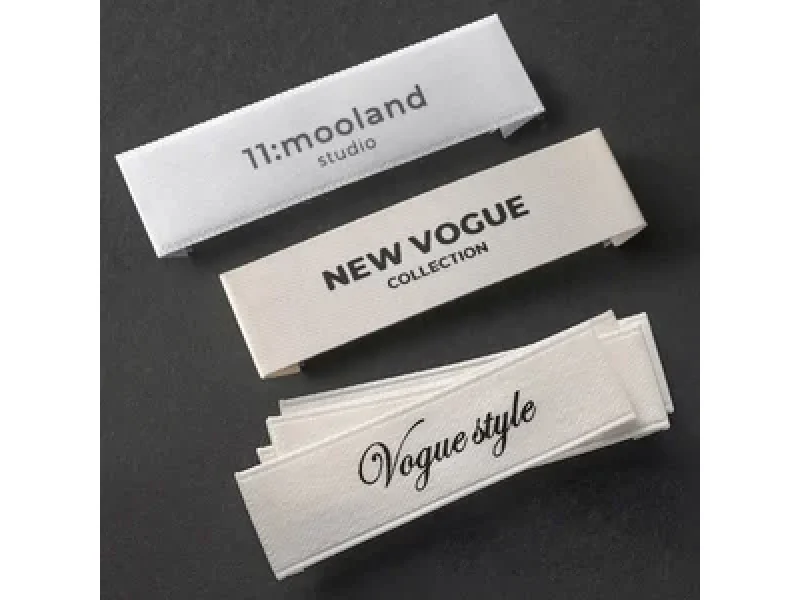
LabelGo pairs modern web configuration with dedicated manufacturing expertise for dependable turnaround and scalable wholesale volumes.
Cutting-Edge Production Methods
The production of custom garment labels is a testament to the marriage between traditional craftsmanship and cutting-edge technology. Modern manufacturers utilise high-speed looms that can weave intricate designs with precision, ensuring that each label meets exacting standards. These machines are equipped with advanced sensors and monitoring systems that detect any deviations from the design specifications in real-time. This level of automation not only enhances efficiency but also guarantees consistency across large production runs.
Additionally, digital printing technologies have revolutionised the way labels are produced. Unlike traditional screen-printing methods, which can be time-consuming and require multiple setup stages, digital printing allows for rapid prototyping and small batch production without compromising on quality. This flexibility is particularly advantageous in today’s fast-paced fashion industry where quick turnaround times and customisation are paramount.
Ensuring Consistency in Label Manufacturing
The consistency of custom garment labels is crucial to maintaining brand identity and customer satisfaction. To achieve this, manufacturers employ rigorous quality control measures at every stage of the production process. This includes meticulous inspection of raw materials, continuous monitoring during weaving and printing processes, and final product testing before dispatch.
One key factor in ensuring consistency is the use of high-quality yarns and fabrics that are sourced from trusted suppliers. These materials must meet specific standards for durability, colourfastness, and texture to ensure they perform well under various conditions. In-house laboratories often conduct tests on these materials to verify their compliance with industry norms.
Technological Innovations
The textile manufacturing sector has seen significant technological advancements in recent years, particularly in the realm of custom garment labels. One notable innovation is the integration of RFID (Radio-Frequency Identification) technology into label production. This allows for enhanced tracking and inventory management capabilities, providing brands with real-time data on their products throughout the supply chain.
Moreover, sustainable practices have become increasingly important within the industry. Eco-friendly materials such as organic cotton and recycled polyester are now commonly used in Custom Garment Labels manufacturing to reduce environmental impact. In-house high-speed loom and printing equipment ensure rapid factory turnaround within 3 to 5 business days, making it possible for brands to respond quickly to market demands while maintaining a commitment to sustainability.
For those looking to explore the possibilities of custom garment labels further, our Custom Labels Clothing page offers comprehensive insights into the latest trends and innovations in this dynamic field. Whether you’re a fashion designer or a brand owner, understanding these manufacturing techniques can help you make informed decisions that align with your aesthetic vision and business goals.
The Importance of QC in Label Production
In the realm of custom garment labels, quality control (QC) is not merely a formality but an essential process that ensures customer satisfaction and brand integrity. The production of custom garment labels involves numerous steps where even minor deviations can lead to significant issues down the line. From initial design to final packaging, every stage must be meticulously monitored to maintain high standards. QC procedures help identify potential flaws early in the manufacturing process, thereby reducing waste and ensuring that only top-quality products reach the market.
The importance of rigorous QC cannot be overstated when considering the impact on consumer perception. A well-manufactured label not only enhances the aesthetic appeal of a garment but also communicates reliability and professionalism to the end user. Conversely, substandard labels can tarnish brand reputation and lead to customer dissatisfaction. Therefore, investing in robust quality control measures is crucial for any manufacturer aiming to establish a strong market presence.
Standards for Quality Assurance
To uphold excellence in custom garment labels, manufacturers must adhere to stringent standards that cover every aspect of production. These standards encompass material selection, printing techniques, and finishing processes. For instance, precision laser contouring provides micro-accurate outlines for non-standard geometric badges and patches, ensuring a flawless fit on garments. This level of detail is critical in maintaining the integrity of intricate designs.
Moreover, industry certifications such as ISO 9001 can serve as benchmarks for quality assurance. These certifications require companies to implement systematic processes that ensure consistent product quality. By adhering to these standards, manufacturers not only meet regulatory requirements but also build trust with their clients and consumers. Regular audits and continuous improvement initiatives are integral components of maintaining high-quality standards in the production of custom labels.
Common Defects and Their Prevention
The manufacturing process for custom garment labels is susceptible to various defects that can compromise product quality if not addressed. Common issues include misalignment, ink bleeding, and uneven printing. Misalignment occurs when the label design does not align correctly with the fabric, leading to a visually unappealing result. To prevent this, precise calibration of machinery and regular maintenance are essential.
Ink bleeding is another prevalent problem that can occur due to improper curing or incorrect material selection. Ensuring that the ink dries completely before handling these Custom Garment Labels options and using appropriate materials for different types of fabrics can mitigate this issue. Additionally, uneven printing often results from inconsistent pressure during the printing process. Regular checks on equipment settings and operator training are key preventive measures.
For those looking to explore further options in custom Custom Garment Labels manufacturing, our Custom Fabric Labels page offers a comprehensive range of solutions tailored to meet specific needs. By prioritising quality control and adhering to industry standards, manufacturers can deliver products that not only meet but exceed customer expectations.
Legal Regulations: Navigating Compliance
Understanding Labelling Legislation
In the UK, garment labelling is subject to a complex set of regulations designed to protect consumers and ensure transparency in product information. The Textiles Products (Labelling) Regulations 2014, for instance, mandate that all textile products sold in the UK must be labelled with specific details about their composition, country of origin, and care instructions. These requirements extend to custom garment labels as well, ensuring that consumers are fully informed about what they’re buying.
Compliance with these regulations is not merely a formality; it’s essential for maintaining consumer trust and avoiding legal penalties. Brands must ensure that their labelling practices adhere to the stipulated standards, which can be particularly challenging when dealing with custom designs. For example, precision laser contouring provides micro-accurate outlines for non-standard geometric badges and patches, ensuring that even intricate designs meet regulatory requirements.
Compliance Requirements for Garment Labels
The compliance requirements for garment labels in the UK are comprehensive and cover a range of aspects. Firstly, all custom garment labels must clearly state the fibre content of the product, with specific rules about how this information is presented. For instance, if a garment contains more than one type of fibre, each fibre’s percentage must be listed in descending order by weight.
Additionally, care instructions on custom garment labels should be clear and comprehensible to ensure that consumers can follow them without confusion. This includes specifying the appropriate washing temperature, whether dry cleaning is recommended, and any other relevant details about maintaining the product. Failure to comply with these regulations can result in hefty fines and damage to a brand’s reputation.
Best Practices in Regulatory Adherence
To navigate the complex landscape of labelling legislation effectively, it’s crucial for brands to adopt best practices that ensure regulatory adherence while also maintaining high standards of quality. One key practice is to work closely with suppliers and manufacturers who have a proven track record of compliance. This partnership can help streamline the process of creating custom garment labels that meet all necessary legal requirements.
Furthermore, staying informed about any changes in legislation is vital for ongoing compliance. Regular updates from industry associations or legal advisors can provide valuable insights into new regulations or amendments to existing ones. By proactively addressing these changes and integrating them into their labelling practices, brands can ensure they remain compliant while also showcasing their commitment to consumer protection.
Case Studies: Real-World Applications
About LabelGo: 30+ Years of Textile Label Manufacturing Excellence
Fusing traditional Jacquard craftsmanship with modern digital convenience, LabelGo brings over 3 decades of textile manufacturing excellence directly to your design studio. Our intuitive online configurator allows apparel creators to customize dimensions, fold styles, and Pantone TCX thread codes with ease. Whether producing Custom Garment Labels or full garment trim packages, high-speed automated weaving looms and precision thermal transfer lines reproduce micro-fine lettering and complex vector graphics with razor-sharp fidelity.
Hypoallergenic and environmentally responsible, our raw fibers undergo comprehensive toxicological screening to meet international safety and environmental directives. Ultra-smooth ultrasonic heat cutting seals every edge without abrasive burrs, ensuring optimal drape and next-to-skin comfort. Backed by accessible 250-piece low MOQ tiers, fashion founders enjoy global 5–7 business day expedited shipping and responsive guidance from seasoned label specialists.
6 Golden Rules & Quality Benchmarks for Custom Garment Labels
When selecting and manufacturing Custom Garment Labels, these 6 essential quality standards, material choices, edge sealing techniques, and compliance rules dictate long-term durability and brand value:
1. Substrate Material Selection for Garment Labels
High-density Damask weave provides superior graphic detail and ultra-soft feel for Custom Garment Labels. Selecting 100-denier micro-polyester yarn guarantees crisp lettering and smooth logo reproduction across all garment tags.
2. Ultrasonic Heat-Sealed Edges (Zero Fraying)
As an essential technical consideration, ultrasonic smooth heat-sealed edges prevent neck irritation and skin scratchiness completely. Thermal edge fusion micro-seals loose warp threads without hard corners.
3. Label Folding Options: Center Fold, End Fold, and Loop
During precision production and quality assurance, selecting the correct fold style depends on seam placement, garment construction, and brand aesthetic. Center Fold is ideal for necklines and side seams with dual-sided logo visibility.
4. Colourfastness and 60°C Industrial Wash Durability
In high-end garment collection standards, iSO 105 colourfast polyester yarns withstand 60°C industrial wash cycles without colour bleeding or fading. Solution-dyed yarns retain vibrant colour saturation.
5. Pantone Matching Standards for Crisp Graphic Production
According to British textile industry best practices, vector files (.AI or .PDF) with minimum 0.15mm line thickness guarantee razor-sharp weaving detail on Jacquard looms. Fonts under 3pt should be enlarged to maintain legibility.
6. OEKO-TEX Standard 100 Certification & Safety
As an essential technical consideration, oEKO-TEX Standard 100 Class 1 certified yarns guarantee zero harmful substances for infant and children apparel. European fashion buyers consider this a mandatory standard.
Conclusion: Elevating Garment Identity with Custom Garment Labels
In the discerning arena of contemporary apparel, true excellence is measured not merely by fabric selection, but by the meticulous execution of every secondary trim. Custom Garment Labels represents the tactile bridge between designer vision and wearer appreciation, serving as a permanent testament to British tailoring standards and uncompromising quality. Selecting the optimal weave density, fold geometry, and finishing process transforms a routine branding element into an enduring competitive asset.
As global fashion continues to prioritize sustainability, hypoallergenic comfort, and rigorous ISO compliance, partnering with a dedicated direct manufacturer becomes paramount. Sourcing directly ensures rigorous colour consistency, transparent factory turnaround, and pre-production proofing integrity across every production run.
Empower your collections with garment trims engineered to withstand industrial laundering while delivering an impeccably soft touch. Take the decisive step to refine your brand's physical presence and let exceptional labelling reflect the true calibre of your designs.
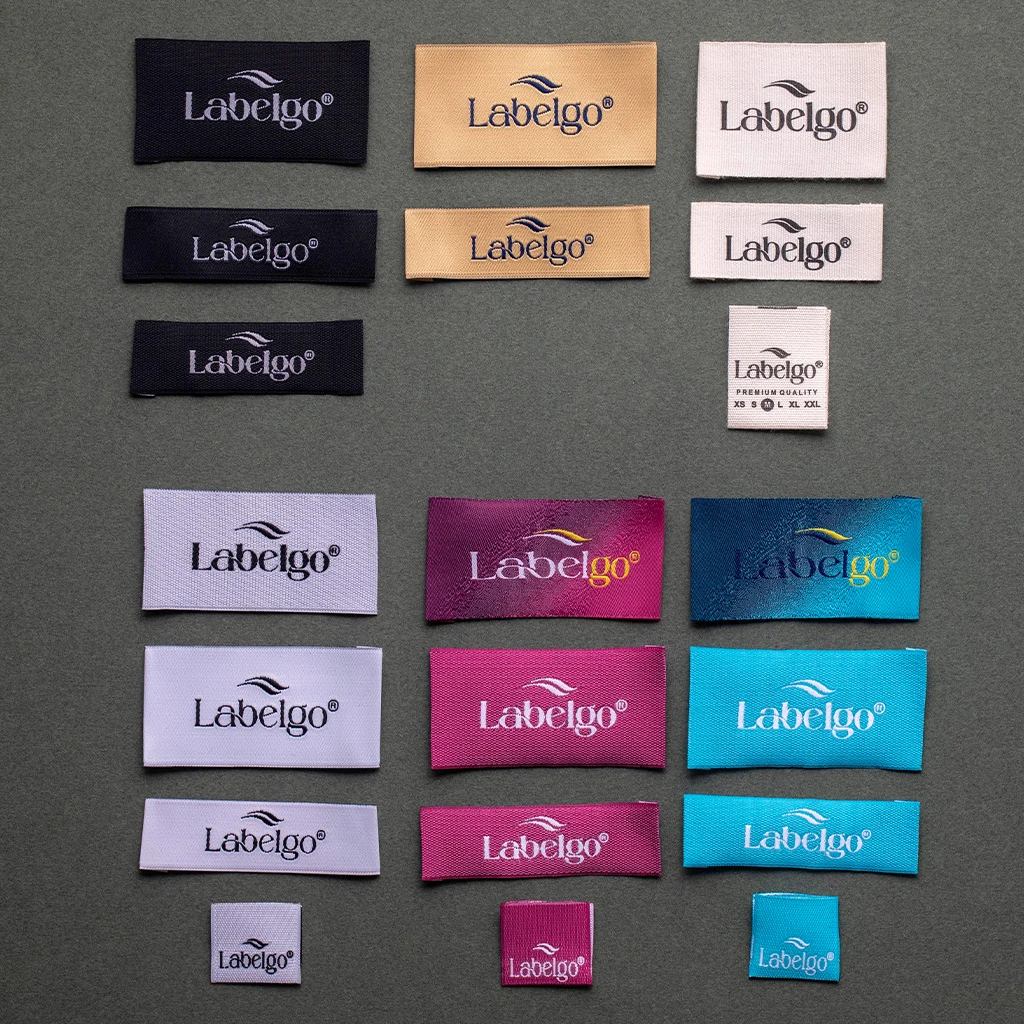
About LabelGo: 30+ Years of Textile Label Manufacturing Excellence
Fusing traditional Jacquard craftsmanship with modern digital convenience, LabelGo brings over 3 decades of textile manufacturing excellence directly to your design studio. Our intuitive online configurator allows apparel creators to customize dimensions, fold styles, and Pantone TCX thread codes with ease. Whether producing Custom Garment Labels or full garment trim packages, high-speed automated weaving looms and precision thermal transfer lines reproduce micro-fine lettering and complex vector graphics with razor-sharp fidelity.
Hypoallergenic and environmentally responsible, our raw fibers undergo comprehensive toxicological screening to meet international safety and environmental directives. Ultra-smooth ultrasonic heat cutting seals every edge without abrasive burrs, ensuring optimal drape and next-to-skin comfort. Backed by accessible 250-piece low MOQ tiers, fashion founders enjoy global 5–7 business day expedited shipping and responsive guidance from seasoned label specialists.