
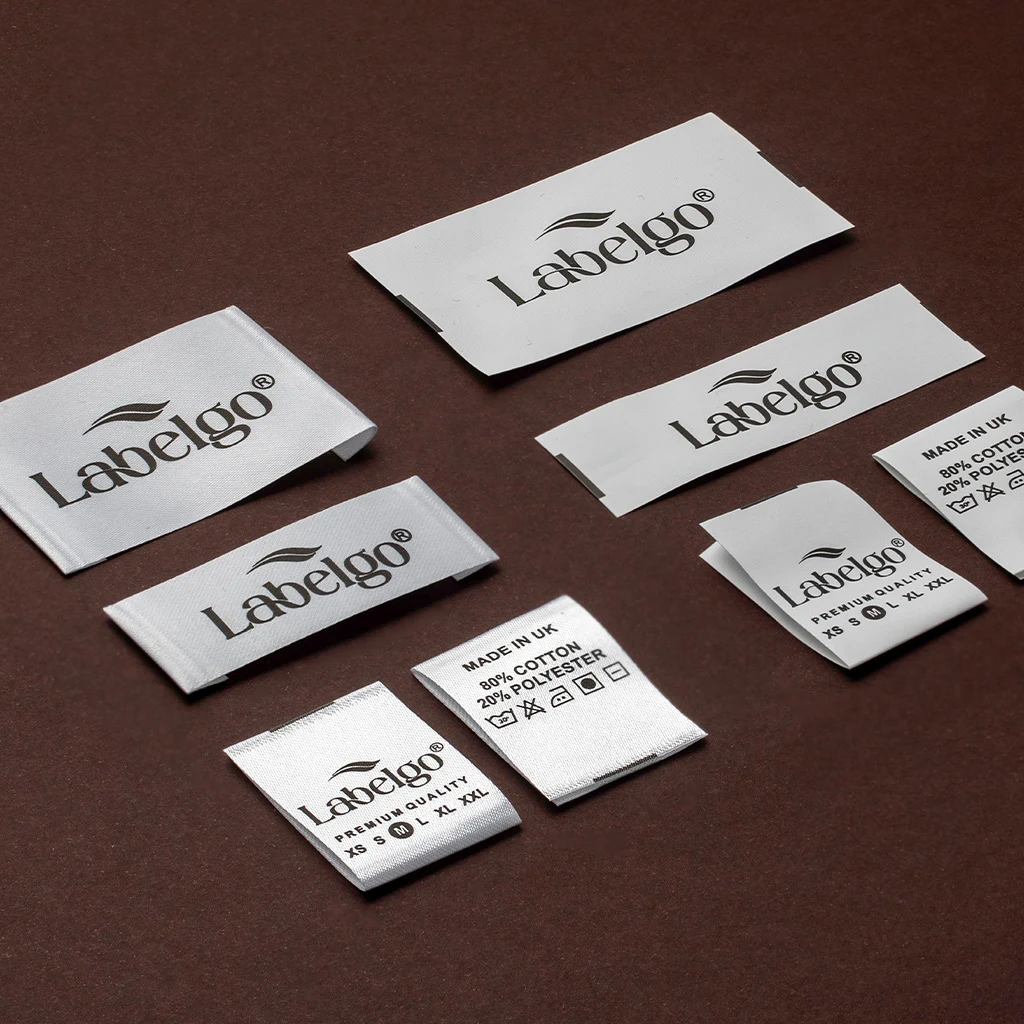
The choice of materials for Printed Fabric Labels is crucial, as it directly impacts their durability and appearance. From eco-friendly options like organic cotton to high-tech synthetics that resist fading and tearing, the range of materials available today offers unparalleled versatility for designers seeking to enhance their products with bespoke labels.
Upload your own logo or artwork, choose dimensions & materials, and review your live digital preview before ordering. (LabelGo label catalog).
Configure Your Label Online Now →The journey from concept to completion in designing custom fabric labels involves a meticulous process that combines creativity with technical precision. This begins with understanding the client’s vision and translating it into tangible designs through advanced software tools, followed by rigorous testing phases to ensure the final product meets both aesthetic and functional requirements.
Compliance with regulatory standards is another critical aspect of producing custom fabric labels in the UK. Manufacturers must adhere to strict guidelines concerning safety, environmental impact, and labelling accuracy, ensuring that each label not only enhances a garment but also complies with legal requirements.
Innovative printing techniques have revolutionised how custom fabric labels are produced, offering new possibilities for design and functionality. From digital printing which allows for intricate designs on small batches to laser engraving providing unparalleled precision, these advancements continue to push the boundaries of what is possible in bespoke labelling solutions.
Table of Contents
The Evolution of Custom Fabric Labels in the UK Market
Strategic specification ensures that Custom Fabric Labels execution aligns precisely with garment specifications and retail positioning.
LabelGo pairs modern web configuration with dedicated manufacturing expertise for dependable turnaround and scalable wholesale volumes.
Historical Context
The history of custom fabric labels in the United Kingdom is a testament to the ingenuity and craftsmanship that has long been associated with British manufacturing. From the early days of hand-stitched labels, which were often used as markers for quality and provenance, to the advent of industrial printing techniques in the late 19th century, the evolution of these labels reflects broader changes within the textile industry.
During the Industrial Revolution, advancements in machinery allowed for mass production of textiles, leading to a greater demand for custom fabric labels. These labels were not only functional but also served as branding tools, helping manufacturers distinguish their products from competitors. The introduction of silk-screen printing techniques further revolutionised the process, enabling more intricate designs and vibrant colours.
Modern Innovations
In recent years, technological advancements have transformed the production of custom fabric labels in the UK market. Precision laser contouring provides micro-accurate outlines for non-standard geometric badges and patches, ensuring that each label is a precise representation of the brand’s identity. This level of detail has allowed designers to create more complex and visually appealing labels that stand out on the crowded retail shelves.
Moreover, digital printing technology has made it possible to produce custom fabric labels with greater flexibility and speed than ever before. Brands can now experiment with different designs and colours without incurring high setup costs or long lead times. This agility is particularly beneficial for fashion brands that need to keep up with rapidly changing trends.
Market Trends
The UK market for custom fabric labels continues to evolve, driven by consumer demand for authenticity and sustainability. Consumers are increasingly conscious of the environmental impact of their purchases, leading many brands to seek eco-friendly alternatives in label production. Biodegradable materials and water-based inks have become popular choices among environmentally conscious manufacturers.
Additionally, there is a growing trend towards bespoke designs that reflect individual brand identities. Brands are no longer satisfied with generic labels; they want unique elements that resonate with their target audience. This has led to an increased demand for Printed Fabric Labels, which can be customised in terms of shape, size, and material to meet specific requirements.
The future of custom fabric labels in the UK market looks promising as technology continues to advance. Innovations such as smart labels that incorporate RFID chips or QR codes are likely to become more prevalent, offering new ways for brands to engage with consumers and provide additional product information. As the industry moves forward, it will be crucial for manufacturers to stay abreast of these developments while maintaining a commitment to quality and sustainability.
Material Selection and Its Impact on Label Quality
Substrate selection for Custom Fabric Labels establishes hand feel, softness, and skin-contact comfort. Premium high-density yarns and OEKO-TEX certified threads eliminate skin prickle across delicate fabrics.
Tested tensile strength ensures base ribbons withstand tension and seam stresses throughout rigorous wear and laundering cycles.
Natural Fibres vs. Synthetic Materials
The choice between natural fibres and synthetic materials can significantly influence the quality of custom fabric labels. Natural fibres, such as cotton or silk, offer a luxurious feel and are often preferred for their breathability and comfort against the skin. They also tend to be more biodegradable, which is an important consideration in today’s environmentally conscious market. For instance, substrates like silky-soft woven edge satin are ideal for next-to-skin garments due to their gentle texture.
The following table compares material, print or weave quality, use case, and production process for UK textile label manufacturing.
| Criterion | Best use | Check question | Quality expectation |
|---|---|---|---|
| Custom Fabric Labels | Brand, apparel, and accessory products. | Which information must appear on the product? | Clear, readable, and brand-consistent. |
| Woven label | Premium clothing, outerwear, and accessories. | Are thread detail and wash resistance strong? | Dense weave, clean edge, long life. |
| Printed label | Colour logos, care data, and fast production. | Are colours accurate and readable? | Sharp print, flexible base, stable colour. |
| Care / size label | Washing instructions, size, origin information. | Are symbols and languages clear? | High readability in a small space. |
| Hang tag / patch label | Retail display, collections, brand story. | Does material improve product perception? | Durable stock, clean cut, quality workmanship. |
In contrast, synthetic materials such as polyester or nylon offer superior durability and resistance to wear and tear. These materials can withstand harsh washing conditions and maintain their shape over time. However, they may not be as breathable as natural fibres, which could affect the comfort of the wearer. For heavy apparel that requires robust labels, tear-resistant coated taffeta is a popular choice due to its strength and longevity.
Sustainability Considerations
The fashion industry’s increasing focus on sustainability has led to a greater emphasis on eco-friendly materials for custom fabric labels. Brands are now looking at the entire lifecycle of their products, from production to disposal, with an eye towards reducing environmental impact. Organic cotton and recycled polyester are examples of sustainable options that can be used in label manufacturing.
Moreover, there is a growing trend towards biodegradable or compostable materials for labels, which can decompose naturally without harming the environment. These materials not only reduce waste but also align with consumer expectations for more responsible practices within the industry. For brands committed to sustainability, exploring these options can enhance their reputation and appeal to eco-conscious consumers.
Durability Testing
Ensuring that custom fabric labels remain intact throughout a garment’s lifecycle is crucial for maintaining brand integrity and customer satisfaction. Durability testing involves subjecting the labels to various conditions such as washing, rubbing, and exposure to light or chemicals to assess their performance.
For instance, Printed Fabric Labels must withstand repeated wash cycles without fading or peeling. This is particularly important for high-quality labels that are expected to last as long as the garment itself. Rigorous testing can help identify any weaknesses in material selection and ensure that the final product meets industry standards.
In conclusion, the careful selection of materials plays a pivotal role in determining the quality and longevity of custom fabric labels. Whether opting for natural fibres or synthetic alternatives, brands must consider factors such as sustainability and durability to meet both consumer expectations and market demands effectively.
Designing Bespoke Labels: From Concept to Completion
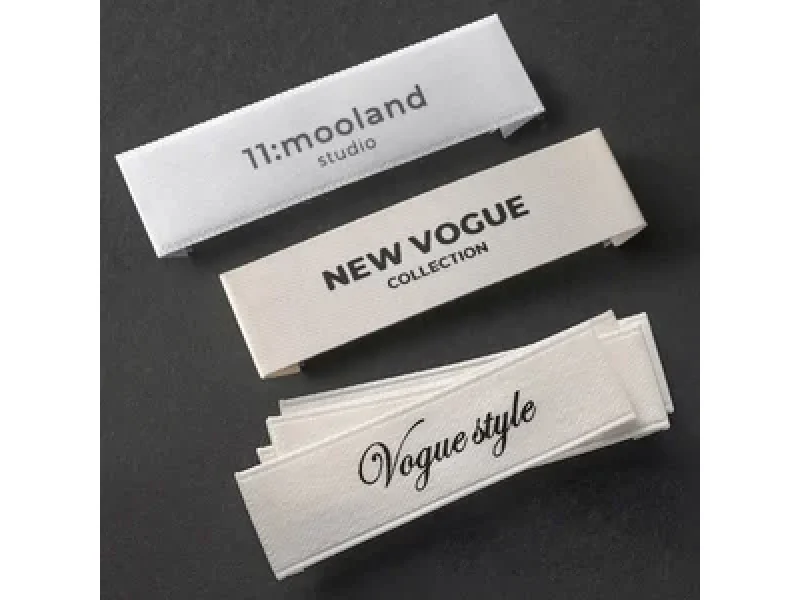
Pre-production digital PDF proofing allows design teams to verify line weights and fold allowances before volume looms are commissioned.
Creative Brief Development
The journey of creating custom fabric labels begins with a thorough understanding of the client’s vision and objectives. A well-crafted creative brief is crucial in laying out the foundation for the design process. This document should include details such as brand identity, target audience, desired aesthetic, and specific requirements like material preferences or durability standards.
In this stage, it’s essential to engage in detailed discussions with clients to ensure that all their expectations are captured accurately. Questions about the intended use of the label—whether it’s for high-end fashion or everyday wear—can significantly influence design choices. The creative brief also serves as a reference point throughout the project, ensuring alignment and consistency.
Collaboration with Designers
Once the creative brief is finalised, collaboration with designers becomes paramount. This phase involves translating the client’s vision into tangible designs that meet both aesthetic and functional requirements. Designers often work closely with textile experts to ensure that the chosen fabrics not only look good but also perform well under various conditions.
The design process can involve several iterations, each refining the label’s appearance and functionality. Feedback from clients is vital at this stage, as it helps in making informed decisions about colour schemes, patterns, and overall layout. The Leeds Printed Fabric Labels team excels in this collaborative approach, ensuring that every design meets the highest standards of quality and innovation.
Prototyping Techniques
The prototyping phase is where the theoretical designs are brought to life. This stage involves creating physical samples of the custom fabric labels to assess their appearance and durability under real-world conditions. Prototypes allow for a hands-on evaluation, enabling designers and clients to make final adjustments before mass production.
Various techniques can be employed during prototyping, including digital printing and traditional screen-printing methods. Each technique has its advantages, with digital printing offering greater flexibility in design complexity while screen-printing provides superior durability. The dedicated Care Label Studio ensures seamless compliance with international ISO wash care symbols, composition, and sizing, guaranteeing that the final product meets all necessary standards.
The transition from concept to completion is a meticulous process that requires careful planning, creative collaboration, and rigorous testing. By adhering to these steps, custom fabric labels can be crafted to not only enhance brand identity but also provide lasting value to both manufacturers and consumers alike.
Regulatory Standards and Compliance in Label Production
Understanding Labelling Legislation
In the UK, regulatory standards for label production are governed by a range of legislation that ensures consumer protection and fair trading practices. The Textile Products (Labelling) Regulations 2014, as amended, set out detailed requirements for labelling textile products sold in the EU market. These regulations cover aspects such as fibre content, country of origin, care instructions, and size designations. Compliance with these standards is non-negotiable for any business operating within the fashion and textiles sect.
Additionally, the Consumer Protection Act 1987 imposes strict liability on manufacturers and suppliers who fail to comply with safety requirements. This means that if a product fails to meet safety standards and causes harm, the manufacturer or supplier can be held liable regardless of fault. Therefore, understanding and adhering to these legislative frameworks is crucial for businesses producing custom fabric labels.
Compliance Requirements for Textile Products
To ensure compliance with textile product regulations, manufacturers must adhere to specific guidelines regarding the content and presentation of information on their labels. For instance, fibre content labelling must be accurate and presented in descending order by weight. Country of origin must be clearly stated if it is a significant factor for consumers. Care instructions should be clear and understandable, providing guidance on washing, drying, and ironing.
Furthermore, the use of eco-labels or sustainability claims requires careful consideration to avoid misleading consumers. Any environmental claims made about custom fabric labels must be substantiated by evidence and comply with relevant regulations such as the Environmental Claims Code. This ensures that consumers are not misled into believing a product is more environmentally friendly than it actually is.
Quality Assurance Processes
To maintain compliance and uphold quality standards, manufacturers of custom fabric labels should implement rigorous quality assurance processes. These include regular audits to ensure adherence to regulatory requirements and internal checks on the accuracy and clarity of label information. Quality control measures also involve testing for durability and legibility over time.
The interactive online Label Configurator allows fashion brands to upload bespoke artwork and review real-time digital previews, ensuring that final products meet both aesthetic and regulatory standards before production begins. This tool not only streamlines the process but also reduces the risk of errors in the labelling phase. For more information on high-quality fabric labels, visit Beeston Printed Fabric Labels.
Sustainability Practices in Custom Fabric Label Manufacturing
Eco-friendly Materials
The use of eco-friendly materials is a cornerstone of sustainability practices within the custom fabric label manufacturing sector. Brands are increasingly opting for biodegradable and recycled fabrics to reduce their environmental impact. For instance, organic cotton and hemp are popular choices due to their low water usage and minimal pesticide requirements compared to conventional cotton. Additionally, polyester made from recycled plastic bottles offers an innovative solution that diverts waste from landfills while reducing the need for virgin materials.
Manufacturers also utilise natural dyes derived from plants or minerals instead of synthetic alternatives, which can release harmful chemicals into waterways during production and disposal processes. The shift towards these sustainable materials not only aligns with consumer demand for greener products but also contributes to a more circular economy within the textile industry.
Waste Reduction Strategies
In custom fabric label manufacturing, waste reduction is paramount in achieving sustainability goals. One effective strategy involves adopting lean manufacturing principles that focus on minimising waste at every stage of production. This includes optimising cutting patterns to maximise material usage and implementing a closed-loop system where scrap materials are repurposed or recycled.
Moreover, digital printing technology has revolutionised the industry by reducing the need for large batches of labels, thereby decreasing excess inventory and waste. Digital printers can produce custom fabric labels on demand with minimal setup time and waste compared to traditional screen-printing methods. This precision not only cuts down on material wastage but also reduces energy consumption during production.
Carbon Footprint Management
Managing the carbon footprint in custom fabric label manufacturing involves a multifaceted approach, from sourcing materials to final delivery. Energy-efficient machinery and renewable power sources are increasingly being adopted by manufacturers to reduce their reliance on fossil fuels. For example, solar panels or wind turbines can be installed at production facilities to offset energy consumption.
Worldwide logistics are handled via DHL Express, delivering to the UK and EU within 1–3 days and North America in 2–4 days. This ensures that while maintaining a global supply chain, carbon emissions from transportation are kept to a minimum through efficient routing and consolidation of shipments. Additionally, companies are exploring carbon offset programmes where they invest in environmental projects such as reforestation or renewable energy initiatives to balance out their unavoidable emissions.
Selecting the right Custom Fabric Labels involves evaluating fabric composition, wash frequency, skin-contact softness, and overall brand positioning. High-density labels provide a premium look for primary brand logos. Confirming fold style and seam margins prior to production ensures flawless bulk manufacturing.
For comprehensive technical insights on textile fibre structures, OEKO-TEX Standard 100 safety, and international labelling compliance, you can review Wikipedia Textile Labelling Standards and Industry Search on Google UK.
Best Practices & Selection Criteria: 6 Tips for Custom Fabric Labels
When selecting and manufacturing Custom Fabric Labels, these 6 essential quality standards, material choices, edge sealing techniques, and compliance rules dictate long-term durability and brand value:
1. Screen Printing vs Thermal Transfer for Fabric Labels
During precision production and quality assurance, printed label production for Custom Fabric Labels utilises high-definition textile inks tailored to fabric ribbon bases. Screen printing delivers opaque colour layers, whereas thermal transfer printing excels for micro-fine care symbols. Thermally cured textile inks guarantee high wash fastness up to 60°C laundering.
2. Fabric Tape Base Material (Satin vs Cotton vs Taffeta)
As an essential technical consideration, selecting the tape material dictates skin comfort and brand aesthetic. Premium skin-soft satin ribbon substrate offers a smooth texture soft against sensitive skin. Natural 100% organic cotton tape delivers an authentic matte feel preferred by eco-conscious fashion lines. Polyester taffeta provides a durable base for wash care instructions.
3. Ultrasonic Cutting Technology & Smooth Edge Sealing
In high-end garment collection standards, printed fabric ribbons require thermally sealed edges to prevent fraying during laundering. Ultrasonic cutting technology fuses ribbon edge fibres micro-mechanically, creating smooth border contours. This process eliminates neck scratching and irritation completely.
4. Fine Lettering & Ribbon Print Precision
During precision production and quality assurance, printed fabric ribbons require crisp graphic rendering for small fonts, registered trademarks (®), and delicate vector motifs. Thermal transfer and HD screen printing maintain clean ink contours without bleeding, ensuring microscopic legibility even on narrow ribbons.
5. Wash Endurance Standards for Long-Lasting Clothing Labels
During precision production and quality assurance, textile inks undergo high-temperature heat curing immediately after printing. This polymerisation fixes ink pigments deeply into ribbon fibres, resisting chemical detergents up to 60°C. Printed graphics stay sharp without bleeding or fading over repeated wash cycles.
6. Pantone TCX Matching & Vector Artwork Specs
According to British textile industry best practices, ink formulation matches Pantone TCX and PMS colour standards precisely to maintain brand identity. Artwork files must be submitted in vector formats (.AI/.PDF) with minimum 0.15mm line weights.
Embracing the Future of Custom Fabric Labels
The world of fashion is ever-evolving, and custom fabric labels are at the forefront of this transformation. As we’ve explored, these bespoke labels not only enhance brand identity but also play a crucial role in sustainability efforts within the textile industry. With advancements like RFID technology, brands can now offer unparalleled transparency to consumers, tracking every step from production to delivery.
Looking ahead, the integration of smart technologies into custom fabric labels will continue to redefine how we interact with clothing. Imagine being able to trace the entire lifecycle of a garment simply by scanning its label—an empowering experience that fosters trust and accountability between brands and their customers. This forward-thinking approach not only bolsters brand longevity but also aligns perfectly with the growing demand for ethical consumption.
As we move into this exciting new era, it’s clear that custom fabric labels are more than just a trend; they’re a necessity in building sustainable and transparent fashion practices. Brands that embrace these innovations will not only stand out in an increasingly competitive market but also contribute to a more responsible industry. Let us continue to push the boundaries of what’s possible with bespoke labelling, ensuring our garments tell compelling stories while fostering a greener future.
🔗 Related LabelGo Garment Branding Resources
Explore these related product guides and manufacturing pages to plan a cohesive apparel branding package:
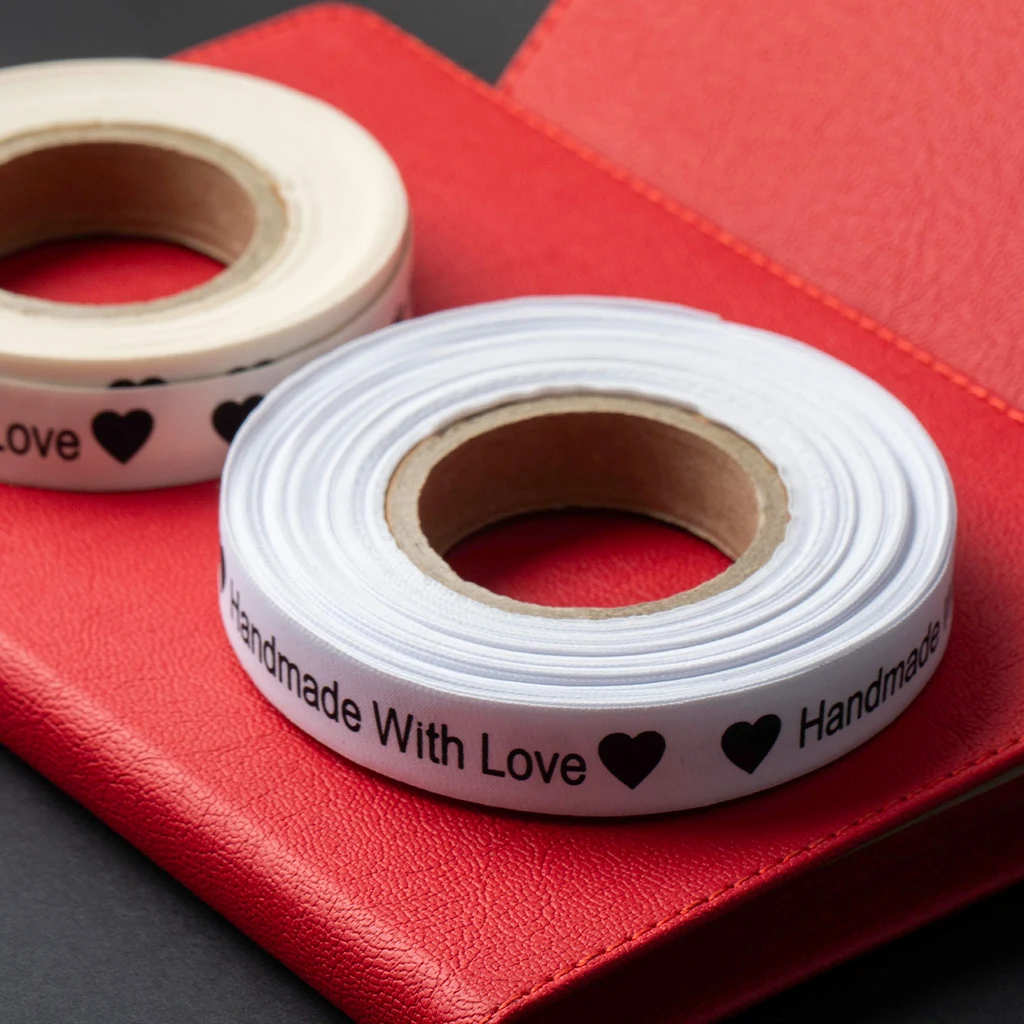
The LabelGo Standard: High-Density Weaving, HD Printing & Global Fulfillment
Fusing traditional Jacquard craftsmanship with modern digital convenience, LabelGo brings over 3 decades of textile manufacturing excellence directly to your design studio. Our intuitive online configurator allows apparel creators to customize dimensions, fold styles, and Pantone TCX thread codes with ease. Whether producing Custom Fabric Labels or full garment trim packages, high-speed automated weaving looms and precision thermal transfer lines reproduce micro-fine lettering and complex vector graphics with razor-sharp fidelity.
Hypoallergenic and environmentally responsible, our raw fibers undergo comprehensive toxicological screening to meet international safety and environmental directives. Ultra-smooth ultrasonic heat cutting seals every edge without abrasive burrs, ensuring optimal drape and next-to-skin comfort. Backed by accessible 250-piece low MOQ tiers, fashion founders enjoy global 5–7 business day expedited shipping and responsive guidance from seasoned label specialists.