
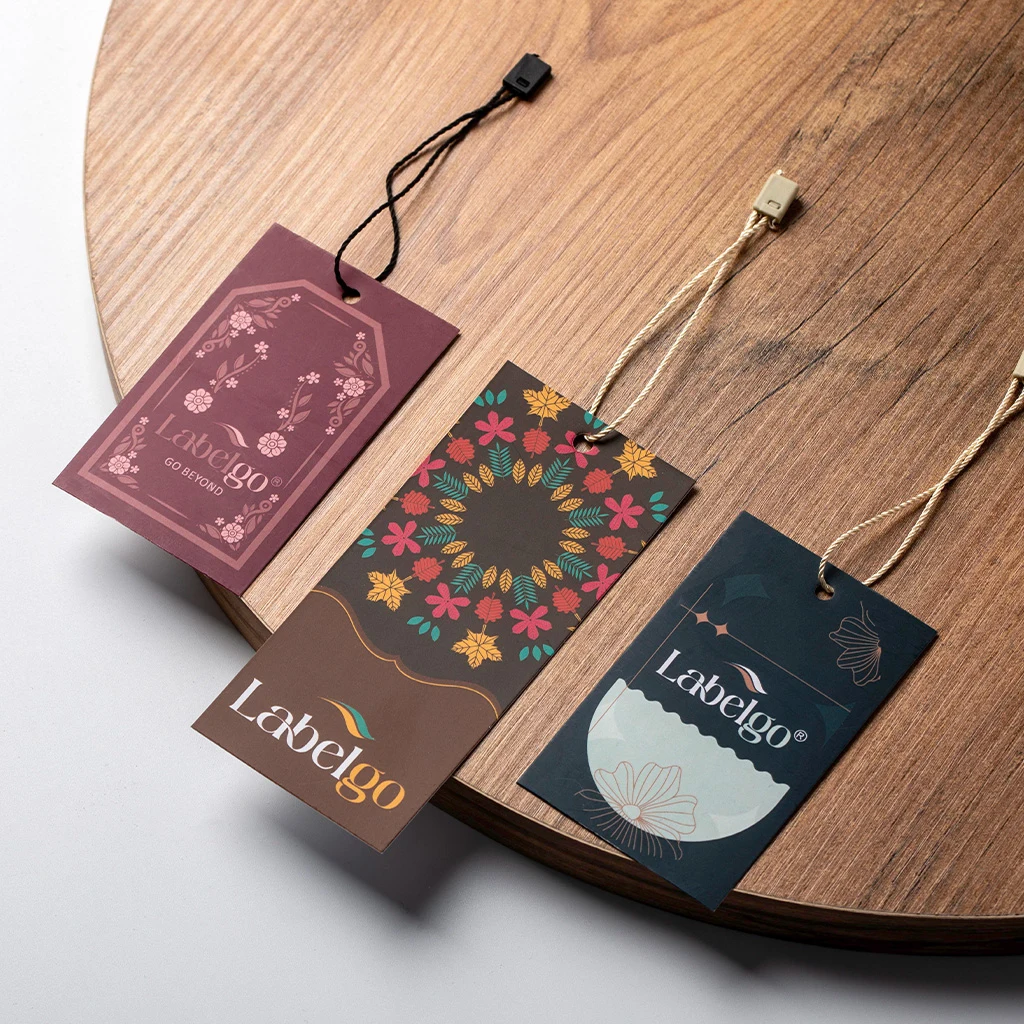
Upload your own logo or artwork, choose dimensions & materials, and review your live digital preview before ordering. (LabelGo label catalog).
Configure Your Label Online Now →The manufacturing processes and quality control measures for custom hang tags are equally vital. From initial design to final inspection, every step must adhere to stringent standards that guarantee consistency and reliability. The use of high-quality materials and advanced printing techniques ensures that each tag not only looks impeccable but also withstands the rigours of handling and storage.
Legal regulations and compliance form another critical aspect of custom hang tags. Brands must navigate a complex landscape of labelling laws, including requirements for product origin, material composition, and care instructions. Ensuring compliance is essential to avoid legal repercussions and maintain consumer trust. This involves meticulous attention to detail in both design and production phases.
Customisation options for brand identity allow businesses to tailor hang tags that resonate with their unique aesthetic and values. From bespoke fonts and colours to innovative shapes and finishes, the possibilities are vast. These personalised elements can differentiate a product on crowded shelves and reinforce brand loyalty among discerning consumers. For instance, Custom Clothing Tags offer a range of bespoke solutions that cater to these specific needs.
Table of Contents
Design Principles for Custom Hang Tags
In these tailored trims development, typography contrast, Pantone shade matching, and vector scalability are paramount. Ensuring maximum logo legibility on compact woven or printed grounds guarantees a polished garment finish.
Pre-production digital PDF proofing allows design teams to verify line weights and fold allowances before volume looms are commissioned.
Innovative Design Techniques
The design of these branding options is a critical aspect of brand identity and product presentation, often serving as the first point of contact between the consumer and the product. To ensure that these tags stand out, designers must employ innovative techniques that go beyond traditional methods. One such approach involves integrating interactive elements like QR codes or NFC chips, which can provide customers with additional information about the product or even lead them to a dedicated landing page for more detailed content.
Material Selection and Sustainability
The choice of materials for custom garment tags is crucial not only for their durability but also for their environmental impact. Brands are increasingly seeking sustainable options that align with eco-friendly values. Materials such as recycled paper, biodegradable plastics, or plant-based fibres offer a greener alternative to traditional synthetic materials.
Moreover, the production process itself can be optimised for sustainability by reducing waste and minimising energy consumption. Every order provides millimeter-accurate dimensional simulations and Pantone colour matching before entering production, ensuring that each tag is precisely crafted without unnecessary material use or rework. This level of precision not only enhances quality but also supports sustainable manufacturing practices.
For those looking to explore further options in customised product labelling, our Custom Clothing Tags page offers a comprehensive range of solutions tailored to meet specific brand requirements. Whether it’s for clothing labels or other textile applications, the right hang tag can significantly enhance your product’s appeal and marketability.
In conclusion, the design principles for bespoke labels encompass both innovative techniques and sustainable material choices. By focusing on these aspects, designers can create hang tags that not only serve their functional purpose but also contribute to a brand’s overall aesthetic and environmental commitment.
Manufacturing Processes and Quality Control
Modern manufacturing workflows apply ultrasonic micro-slitting and automated loom calibration to these labels manufacturing. Heat-sealed selvedges prevent thread fraying even along exposed garment hems.
In-line optical inspections verify repeat pitch and fold alignment across every single production unit.
Advanced Manufacturing Techniques
The production of these tailored trims involves a range of advanced manufacturing techniques that ensure both efficiency and precision. From digital printing to die-cutting, each step is meticulously planned to deliver high-quality products. Digital printing allows for vibrant colours and intricate designs, while die-cutting ensures the hang tag’s shape conforms precisely to your specifications. The use of these technologies not only enhances the aesthetic appeal but also guarantees durability and longevity.
The following table compares material, print or weave quality, use case, and production process for UK textile label manufacturing.
| Criterion | Best use | Check question | Quality expectation |
|---|---|---|---|
| Custom Hang Tags | Brand, apparel, and accessory products. | Which information must appear on the product? | Clear, readable, and brand-consistent. |
| Woven label | Premium clothing, outerwear, and accessories. | Are thread detail and wash resistance strong? | Dense weave, clean edge, long life. |
| Printed label | Colour logos, care data, and fast production. | Are colours accurate and readable? | Sharp print, flexible base, stable colour. |
| Care / size label | Washing instructions, size, origin information. | Are symbols and languages clear? | High readability in a small space. |
| Hang tag / patch label | Retail display, collections, brand story. | Does material improve product perception? | Durable stock, clean cut, quality workmanship. |
One key aspect of advanced manufacturing techniques is the integration of automated systems that streamline production processes. Automation reduces the likelihood of human error and increases throughput, making it possible to deliver large orders within tight deadlines. Additionally, modern machinery can handle a variety of materials, from paper and cardstock to more specialised substrates like leather or metal, allowing for greater design flexibility.
Ensuring Consistency Through QC
The quality control (QC) process is integral to maintaining the high standards expected in these branding options. From initial material inspection to final product evaluation, each stage undergoes rigorous scrutiny to ensure consistency and accuracy. Material inspections check for defects such as tears or discoloration that could compromise the finished product’s integrity.
During production, quality control teams monitor various stages of manufacturing, including printing and cutting processes. This ensures that any deviations from the design specifications are identified early on, allowing for immediate corrective action. Final inspection involves a thorough review of each hang tag to confirm it meets all client requirements in terms of colour accuracy, shape, and overall finish.
Working directly with the factory eliminates middleman markups, ensuring competitive direct manufacturing pricing. This approach not only benefits the bottom line but also fosters stronger relationships between manufacturers and clients, leading to more transparent communication and better quality control outcomes. For those looking for custom hang tags that combine style and functionality, consider exploring Custom Hang Tags, where you can find a range of options tailored to your specific needs.
Legal Regulations and Compliance
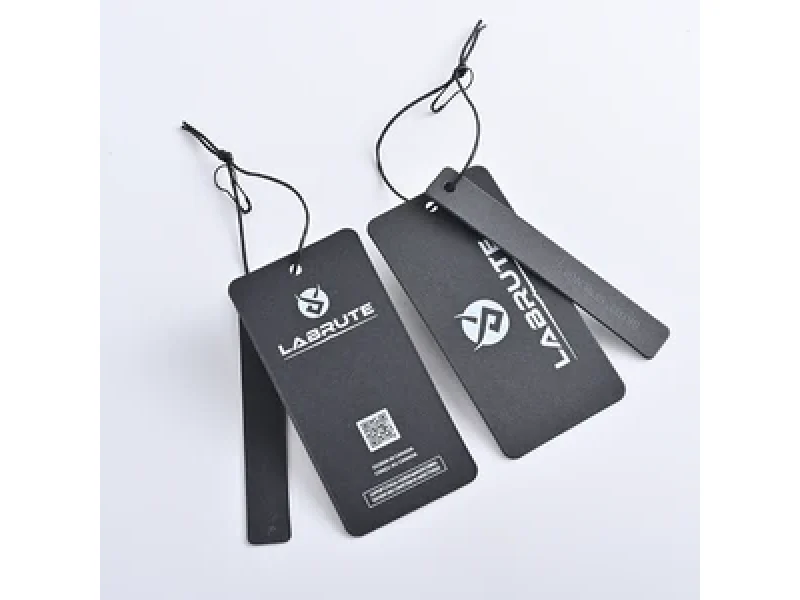
LabelGo pairs modern web configuration with dedicated manufacturing expertise for dependable turnaround and scalable wholesale volumes.
Understanding Labelling Legislation
In the realm of fashion and textile manufacturing, compliance with labelling legislation is paramount. Custom hang tags are no exception to this rule. The UK’s labelling laws, governed by the Consumer Protection Act 1987 and the Textile Products (Labelling) Regulations 2004, mandate that all products must be accurately labelled regarding their composition, care instructions, and country of origin. This ensures transparency for consumers and protects businesses from legal repercussions.
For instance, hang tags must clearly state the percentage of each fibre used in a garment, such as “100% Cotton” or “65% Polyester 35% Viscose.” Additionally, care instructions should be detailed and accurate to avoid any potential misuse by consumers. The country of origin must also be declared, which can impact consumer perception and purchasing decisions.
Navigating Regulatory Standards
Compliance with regulatory standards is another critical aspect when producing custom hang tags. These standards are designed to ensure that the materials used in manufacturing meet certain quality and safety benchmarks. For example, luxury hang tags are produced on 300 GSM sustainable art paper or ultra-rigid 400–450 GSM duplex card stock, ensuring durability and a premium feel.
Moreover, businesses must adhere to environmental regulations, particularly concerning the sustainability of materials used in production. This includes using recycled or biodegradable materials where possible. For instance, opting for Custom Hang Tags that are not only stylish but also eco-friendly can enhance a brand’s reputation and appeal to environmentally conscious consumers.
In summary, navigating the complex landscape of legal regulations and compliance in the production of custom hang tags requires meticulous attention to detail. By adhering to these standards, businesses can ensure their products meet both consumer expectations and regulatory requirements, thereby fostering trust and loyalty among customers.
Customisation Options for Brand Identity
Personalising Tags for Brand Recognition
In the competitive world of fashion and textiles, brand recognition is paramount. Custom hang tags are a powerful tool to enhance this recognition, offering a tangible connection between your brand and its consumers. These tags can be designed with unique elements that reflect your brand’s identity, from logos and slogans to specific colour schemes and typography These options are available with delivery timelines tailored to your needs.
For instance, incorporating a distinctive logo or a memorable slogan on Custom Hang Tags can create an instant association with your brand. This not only helps in building brand loyalty but also ensures that customers can easily identify your products among competitors. The reverse of these tags provides structured space for retail barcodes, price points, QR codes, and sustainable brand stories, offering a comprehensive solution to meet all your labelling needs.
Incorporating Unique Design Elements
Custom hang tags offer an array of design possibilities that can elevate the overall aesthetic appeal of your products. From embossing and debossing to foil stamping and die-cut shapes, these elements add a touch of sophistication and uniqueness. For example, using metallic foils or vibrant colours can make your tags stand out on the retail floor, catching the eye of potential customers.
Moreover, incorporating innovative design features such as QR codes allows for interactive engagement with consumers. By scanning the code, customers can access additional information about the product, its origin, care instructions, and even exclusive content like behind-the-scenes footage or designer interviews. This not only enhances customer experience but also provides a platform to communicate your brand’s story in an engaging manner.
Material Choices for Custom Hang Tags
The choice of material for custom hang tags is crucial as it can significantly impact the overall look and feel of your products. Opting for high-quality materials such as thick cardstock or durable plastic ensures longevity and a premium appearance. Additionally, eco-friendly options like recycled paper or biodegradable plastics are gaining popularity among environmentally conscious consumers.
Another consideration is the texture of the material. A smooth finish can give a sleek and modern look, while textured finishes like linen or matte can evoke a more organic and artisanal feel. These choices not only enhance the visual appeal but also align with your brand’s ethos and target market preferences.
Production Standards and Quality Assurance
To ensure that your custom hang tags meet the highest standards, it is essential to work with reputable manufacturers who adhere to strict production guidelines. This includes using high-resolution artwork for crisp and clear printing, precise cutting techniques to maintain shape accuracy, and rigorous quality checks throughout the manufacturing process.
Additionally, consider the durability of the tags in terms of wear and tear during transportation and handling. Tags that are prone to damage can detract from your brand’s image. By selecting robust materials and ensuring meticulous production processes, you can guarantee that each tag is a perfect representation of your brand’s quality and commitment to excellence.
Case Studies: Successful Custom Hang Tag Implementations
Real-World Examples of Effective Use
The fashion industry has long recognised the importance of custom hang tags as a means to communicate brand identity and product information effectively. One notable example is Burberry, which has utilised bespoke hang tags to reinforce its heritage and luxury status. These tags are not only aesthetically pleasing but also incorporate intricate details that align with Burberry’s sophisticated image. The reverse provides structured space for retail barcodes, price points, QR codes, and sustainable brand stories, ensuring comprehensive product information is easily accessible.
Another compelling case is Gucci, which has embraced custom hang tags to enhance its digital engagement strategy. By integrating QR codes on their hang tags, Gucci allows customers to access detailed product information, including material sourcing and production processes. This transparency not only builds trust but also aligns with the brand’s commitment to sustainability and ethical practices.
Lessons Learned from Industry Leaders
The success of custom hang tags in these high-profile brands offers valuable insights for other fashion labels looking to enhance their product presentation. Firstly, it is crucial to ensure that the design of the hang tag aligns with the overall brand aesthetic and messaging. This consistency helps reinforce brand identity and creates a cohesive customer experience across all touchpoints.
Secondly, incorporating interactive elements such as QR codes can significantly boost engagement and provide valuable data on consumer behaviour. By tracking which tags are scanned and how often, brands can gain insights into their target audience’s preferences and interests, enabling more targeted marketing strategies in the future. This approach not only enhances customer interaction but also provides a platform for storytelling that resonates with today’s environmentally conscious consumers.
Lastly, it is important to consider the environmental impact of custom hang tags. Opting for eco-friendly materials and production methods can help brands align their practices with broader sustainability goals. By doing so, they not only appeal to an increasingly environmentally aware consumer base but also contribute positively to the industry’s overall ecological footprint.
Through these examples and lessons, it is clear that custom hang tags offer a powerful tool for fashion brands to communicate effectively with consumers while reinforcing brand identity and enhancing customer engagement. As technology continues to evolve, the potential applications of these labels are likely to expand further, making them an essential component in any forward-thinking fashion label’s marketing arsenal.
Future Trends in Custom Hang Tags
Emerging Technologies
The world of custom hang tags is rapidly evolving, driven by advancements in technology that are reshaping the way brands interact with their customers. One significant trend is the integration of digital technologies such as QR codes and NFC chips into these tags. By scanning a QR code or tapping an NFC chip, consumers can access detailed product information, care instructions, and even exclusive content like behind-the-scenes videos or designer interviews. This not only enhances customer engagement but also provides valuable data for brands to refine their marketing strategies.
Another technological advancement is the use of augmented reality (AR) in custom hang tags. Brands are experimenting with AR-enabled tags that allow customers to visualise products in different settings or see how a garment might look on them before making a purchase. This immersive experience can significantly influence buying decisions and provide a competitive edge for brands willing to invest in these cutting-edge solutions.
Sustainability Initiatives
The fashion industry is under increasing pressure to adopt more sustainable practices, and this extends to the production of custom hang tags. Brands are now prioritising eco-friendly materials such as recycled paper, biodegradable plastics, and organic cotton for their tags. Fastening options include waxed organic cotton cords, black safety pins, and bespoke embossed plastic seal tags, all chosen with an eye towards reducing environmental impact.
Moreover, there is a growing trend towards minimising waste through the use of digital hang tags. These virtual tags can be accessed via mobile apps or websites, eliminating the need for physical materials altogether. While this approach may not suit every brand’s aesthetic or marketing strategy, it represents an innovative solution to reducing the industry’s carbon footprint.
As we look towards the future, custom hang tags will continue to play a crucial role in enhancing customer experiences and supporting sustainable practices within the fashion industry. By embracing emerging technologies and prioritising eco-friendly materials, brands can stay ahead of the curve while also contributing positively to the environment.
Selecting the right Custom Hang Tags involves evaluating cardstock grammage, protective lamination, and retail presentation. Heavyweight art board combined with luxury foil or embossing reinforces premium apparel positioning.
For detailed technical specifications on paper cardstock grammages, luxury finishing, and FSC-certified packaging standards, you can review Wikipedia Textile Labelling Standards and Industry Search on Google UK.
5 Proven Guidelines for Designing & Producing High-Quality Custom Hang Tags
When selecting and manufacturing Custom Hang Tags, these 5 essential quality standards, material choices, edge sealing techniques, and compliance rules dictate long-term durability and brand value:
1. Cardstock Weight & Rigidity (350gsm – 700gsm)
Specifying 350gsm to 700gsm premium coated art card, kraft, or duplex board ensures durable tactile presentation for Custom Hang Tags.
2. Lamination Finishes (Matte vs Soft-Touch Velvet)
In high-end garment collection standards, velvet soft-touch and anti-scratch matte lamination shield hang tags against scuffing while delivering a luxurious unboxing feel.
3. Speciality Embellishments (Hot Foil & Spot UV)
During precision production and quality assurance, metallic gold, silver, or copper foil stamping combined with raised Spot UV delivers high-contrast visual distinction.
4. Metal Eyelet Reinforcement
Installing brass or black metal eyelets reinforces the punched hole, preventing cord tear-out during high-traffic retail handling.
5. Selecting Tape Substrates: Satin, Organic Cotton, or Taffeta
In high-end garment collection standards, selecting custom branded string locks, waxed cotton cords, or satin ribbons creates a polished link between garment and tag.
Conclusion
In the ever-evolving landscape of fashion and textiles, custom hang tags stand as a testament to craftsmanship and brand identity. As we look towards a future where sustainability is not just a buzzword but a necessity, it’s clear that bespoke labelling solutions will play a pivotal role in reducing waste and enhancing consumer engagement. The integration of smart RFID technology into these hang tags offers an exciting avenue for brands to connect with their customers on a deeper level, providing information about the product’s journey from fibre to fabric.
For British textile manufacturers, embracing these innovations is not just about staying ahead; it’s about securing longevity in an industry that values authenticity and quality. By investing in custom hang tags that reflect both sustainability and technological advancement, brands can ensure they resonate with a discerning audience while preserving the rich heritage of our nation’s textile industry. As we move forward, let us continue to innovate and inspire, weaving together tradition and technology to create labels that tell stories as compelling as the garments themselves.
🔗 Related LabelGo Garment Branding Resources
Explore these related product guides and manufacturing pages to plan a cohesive apparel branding package:
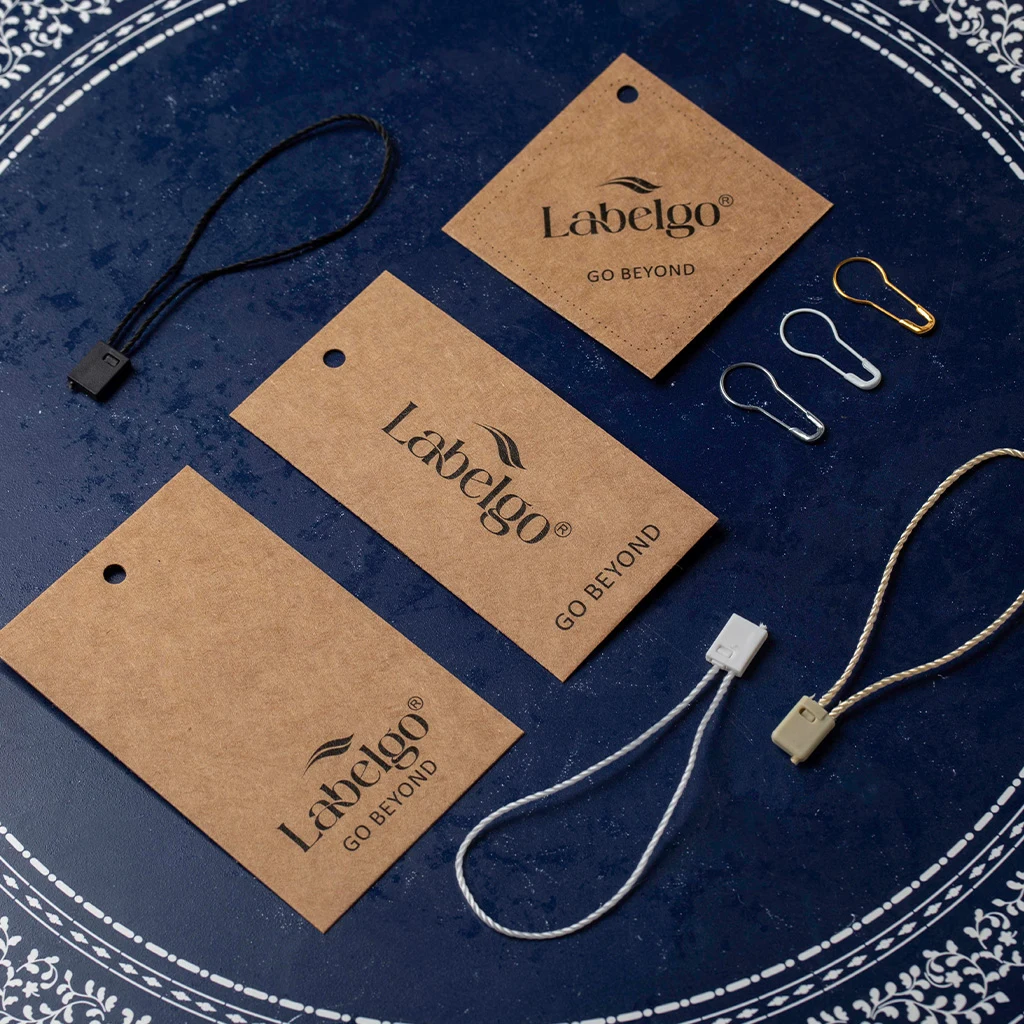
LabelGo Overview: Certified Skin-Safe Materials & Flexible Minimum Orders
Fusing traditional Jacquard craftsmanship with modern digital convenience, LabelGo brings over 3 decades of textile manufacturing excellence directly to your design studio. Our intuitive online configurator allows apparel creators to customize dimensions, fold styles, and Pantone TCX thread codes with ease. Whether producing Custom Hang Tags or full garment trim packages, high-speed automated weaving looms and precision thermal transfer lines reproduce micro-fine lettering and complex vector graphics with razor-sharp fidelity.
Hypoallergenic and environmentally responsible, our raw fibers undergo comprehensive toxicological screening to meet international safety and environmental directives. Ultra-smooth ultrasonic heat cutting seals every edge without abrasive burrs, ensuring optimal drape and next-to-skin comfort. Backed by accessible 250-piece low MOQ tiers, fashion founders enjoy global 5–7 business day expedited shipping and responsive guidance from seasoned label specialists.