
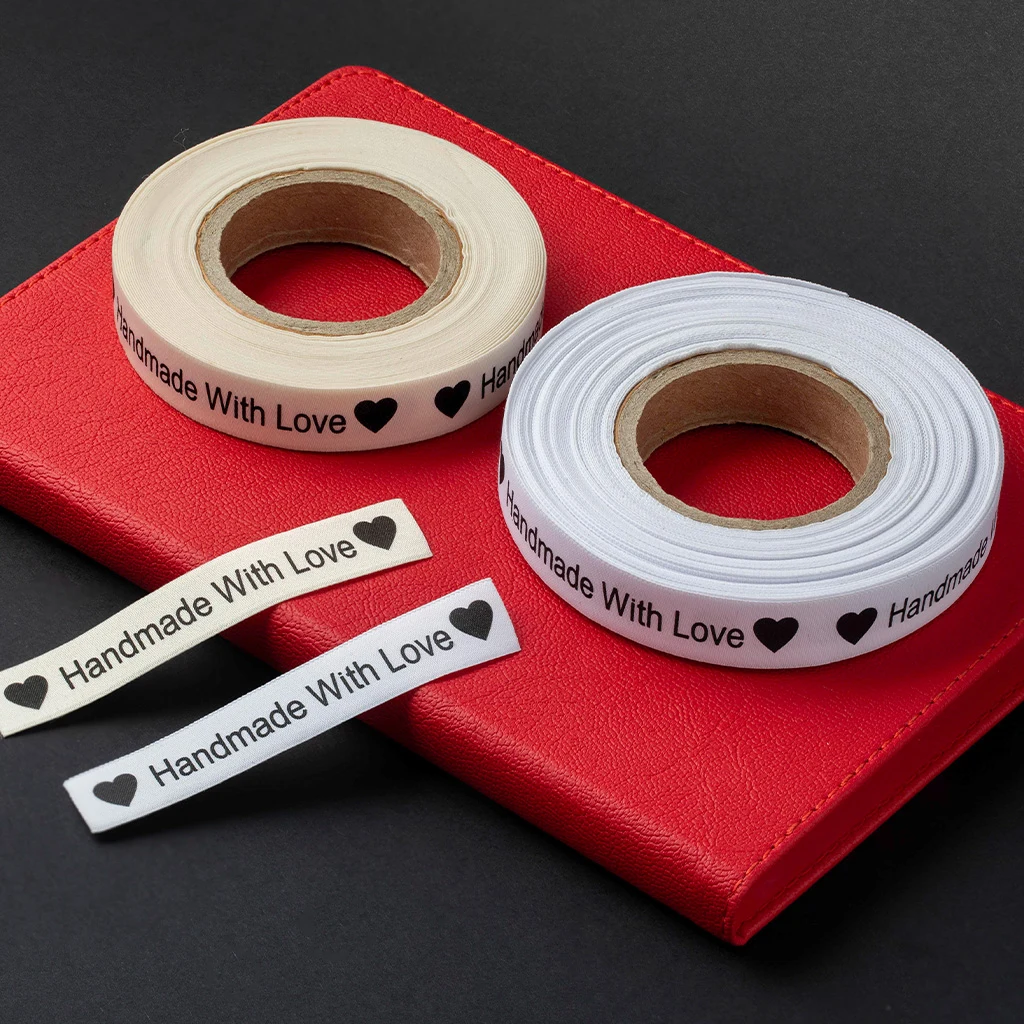
Upload your own logo or artwork, choose dimensions & materials, and review your live digital preview before ordering. (LabelGo label catalog).
Configure Your Label Online Now →Design considerations for custom printed labels are equally critical. They must strike a balance between aesthetic appeal and practicality. Whether it’s the choice of font, colour scheme, or placement on the garment, every detail is meticulously planned to ensure that these labels not only serve their informational purpose but also enhance the overall look of the product. In this context, bespoke design services have become increasingly popular among brands looking to stand out in a crowded market.
Quality control in custom label production is another cornerstone of success within the industry. From ensuring colour accuracy and print clarity to verifying durability and resistance to wear and tear, every step of the manufacturing process must be rigorously monitored These parameters are verified during the PDF proof stage before bulk production.
Case studies of successful custom label implementation provide valuable insights into how these seemingly minor elements can significantly impact a product’s market performance and customer perception. For instance, brands like Printed Fabric Labels have demonstrated that well-designed labels can elevate the perceived value of products, fostering stronger brand loyalty and driving sales growth.
The journey from concept to final product is a testament to the intricate craftsmanship involved in creating custom printed labels. From the initial design phase through material selection and quality control, each step plays a crucial role in ensuring that these small yet significant components deliver on their promise of enhancing both functionality and brand identity. As we delve deeper into this exploration, it becomes clear that custom printed labels are not just accessories but essential elements in the broader narrative of fashion and textiles.
Table of Contents
The Evolution of Label Printing Techniques
In the ever-evolving world of fashion and textiles, custom printed labels have become an essential element in branding and product identification. From simple thread counts to intricate designs, these labels serve a dual purpose: they enhance aesthetic appeal while providing critical information about the product. This section delves into the advancements that have shaped modern label printing techniques.
Digital vs. Traditional Printing Methods
The transition from traditional to digital printing methods has revolutionised how custom printed labels are produced. Traditional printing, such as screen printing and flexography, relies on physical plates or screens to transfer ink onto the substrate. While these methods offer excellent quality and durability, they often require significant setup time and materials, making them less cost-effective for smaller print runs.
On the other hand, digital printing has emerged as a more flexible and efficient alternative. Digital printers use toner or liquid inks to directly apply designs onto the label material without the need for physical plates. This method is particularly advantageous for short-run production, customisation, and on-demand printing. The ability to quickly change designs and print small quantities makes digital printing an attractive option for brands looking to stay agile and responsive to market demands.
Advancements in Ink Technology
The evolution of ink technology has played a pivotal role in enhancing the quality and durability of custom printed labels. Traditional solvent-based inks have been largely replaced by eco-solvent, UV-curable, and water-based alternatives that offer better environmental performance while maintaining high print quality.
UV-curable inks, for instance, dry almost instantly when exposed to ultraviolet light, allowing for faster production times and minimal waste. They also provide excellent adhesion on a variety of substrates, including synthetic materials commonly used in fashion labels. Additionally, the development of Premium 70–80 picks density offers superior definition for micro-lettering and intricate luxury brand emblems.
Sustainability Practices in Label Production
The push towards sustainability has led to significant changes in how custom printed labels are produced. Brands are increasingly seeking eco-friendly alternatives that reduce waste, conserve resources, and minimise environmental impact. This shift is evident in the use of biodegradable substrates and water-based inks.
Moreover, advancements in digital printing technology have enabled more efficient use of materials, reducing both energy consumption and waste production. For example, Printed Fabric Labels, which utilise sustainable fabrics like organic cotton or recycled polyester, are becoming popular choices for eco-conscious brands.
The industry is also witnessing the adoption of circular economy principles, where waste from one process becomes a resource for another. This approach not only reduces landfill contributions but also promotes the reuse and recycling of materials within the production cycle. As consumer awareness grows, these sustainable practices will likely become more prevalent in label manufacturing, ensuring that custom printed labels continue to evolve in both form and function.
Material Selection for Custom Labels
Choosing the right materials is paramount when it comes to creating custom printed labels that not only stand out but also endure the rigours of daily use and washing. This section delves into the key considerations for selecting fabrics, focusing on durability, environmental impact, and specific production standards.Choosing the Right Fabric
The fabric chosen for your custom printed labels can significantly influence their overall appearance and longevity. Cotton is a popular choice due to its natural softness and breathability; however, it may not be as durable or resistant to washing compared to synthetic alternatives like polyester. A blend of both materials often strikes the perfect balance between comfort and durability.
The following table compares material, print or weave quality, use case, and production process for UK textile label manufacturing.
| Criterion | Best use | Check question | Quality expectation |
|---|---|---|---|
| Custom Printed Labels | Brand, apparel, and accessory products. | Which information must appear on the product? | Clear, readable, and brand-consistent. |
| Woven label | Premium clothing, outerwear, and accessories. | Are thread detail and wash resistance strong? | Dense weave, clean edge, long life. |
| Printed label | Colour logos, care data, and fast production. | Are colours accurate and readable? | Sharp print, flexible base, stable colour. |
| Care / size label | Washing instructions, size, origin information. | Are symbols and languages clear? | High readability in a small space. |
| Hang tag / patch label | Retail display, collections, brand story. | Does material improve product perception? | Durable stock, clean cut, quality workmanship. |
In addition to traditional fabrics, innovative materials such as recycled plastics are gaining traction in the industry for their eco-friendly properties. These materials can offer a unique texture and appearance while reducing environmental impact. For instance, using recycled PET (polyethylene terephthalate) fibres can create labels that look and feel premium without compromising on sustainability.
Durability and Wash Resistance
One of the most critical considerations in material selection is ensuring that your custom printed labels remain intact through multiple washes. Polyester, for example, is highly resistant to shrinking, stretching, and fading, making it an ideal choice for labels that need to withstand frequent washing cycles.
To further enhance durability, certain production techniques can be employed. The Manhattan Fold and Straight Cut options, for instance, provide crisp, clean lines for beanie turnovers, pocket tags, and sleeve cuffs. These methods ensure that the label maintains its shape and appearance over time, contributing to a more professional look.
Eco-friendly Materials
As sustainability becomes an increasingly important factor in consumer choices, opting for eco-friendly materials can set your brand apart. Recycled fabrics not only reduce waste but also appeal to environmentally conscious consumers. For example, recycled cotton and polyester blends offer the benefits of both natural and synthetic fibres while minimising environmental impact.
Another option is to consider organic cotton, which is grown without harmful pesticides or fertilisers. This material can be a great choice for those looking to promote sustainable practices within their supply chain. For more information on eco-friendly options, you might want to explore Leeds Printed Fabric Labels.
In conclusion, the selection of materials for custom printed labels is a multifaceted decision that involves balancing aesthetics, durability, and environmental impact. By carefully considering these factors, you can ensure your labels not only look great but also stand up to daily use and align with sustainable practices.
Design Considerations for Custom Printed Labels
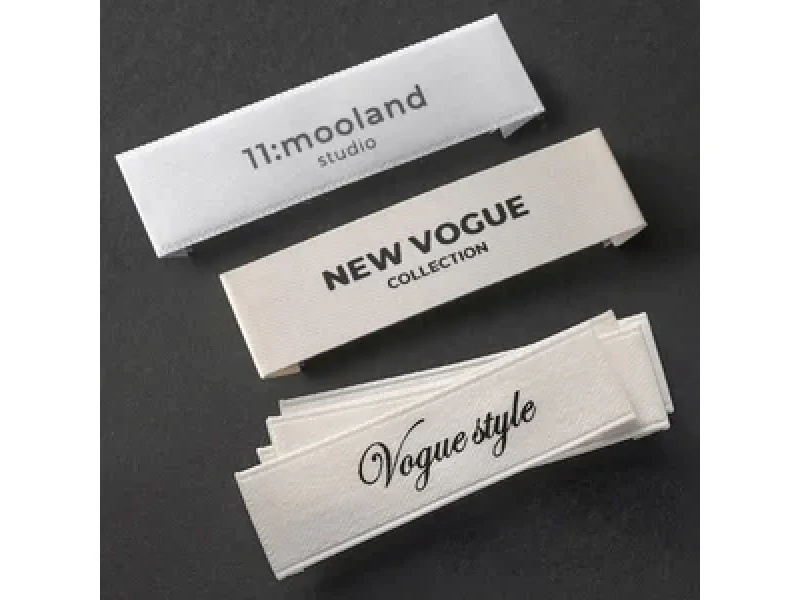
Pre-production digital PDF proofing allows design teams to verify line weights and fold allowances before volume looms are commissioned.
Branding and Identity
When it comes to custom printed labels, branding and identity are paramount. These small but impactful elements can significantly influence consumer perception and brand recognition. A well-designed label should seamlessly integrate the visual identity of your brand, ensuring consistency across all product lines. This means using consistent fonts, colours, and imagery that align with your overall marketing strategy. For instance, if your brand is known for its sleek, minimalist aesthetic, your labels should reflect this through clean lines and a restrained colour palette.
Moreover, the design of custom printed labels can also serve as a direct extension of your brand’s story. Consider using unique motifs or symbols that encapsulate your brand’s ethos and values. This not only helps in creating an emotional connection with consumers but also sets you apart from competitors. Every order provides millimeter-accurate dimensional simulations and Pantone colour matching before entering production, ensuring that the final product is a precise representation of your vision.
Legal Regulations and Compliance
In addition to branding considerations, custom printed labels must adhere to various legal regulations and compliance standards. These requirements can vary significantly depending on the industry and geographical location. For example, food products often require specific information such as ingredients, nutritional values, and allergy warnings. Similarly, textile products need to comply with labelling laws regarding fibre content and care instructions.
It is crucial to stay informed about these regulations to avoid potential legal issues or recalls. Consulting with a legal expert familiar with the relevant industry standards can provide valuable guidance in ensuring that your labels are fully compliant. This not only protects your brand from legal repercussions but also builds trust among consumers who expect transparency and accuracy in product labelling.
Innovative Design Techniques
The world of custom printed labels is constantly evolving, with new design techniques emerging to enhance both functionality and aesthetics. One such technique is the use of Beeston Printed Fabric Labels, which offer a tactile and durable alternative to traditional paper labels. These fabric-based labels can be customised with intricate designs, textures, and even embedded RFID chips for enhanced traceability.
Another innovative approach is the integration of augmented reality (AR) into label design. By scanning a QR code on the label, consumers can access additional information about the product, such as behind-the-scenes footage or interactive content that enhances their shopping experience Detailed order specifications ensure a smooth and efficient manufacturing process.
Ultimately, custom printed labels are an essential component of any successful branding strategy. By carefully considering design elements, legal compliance, and innovative techniques, you can create labels that not only meet regulatory requirements but also stand out in the marketplace and resonate with consumers on a deeper level.
Inspection Processes
The inspection processes for custom printed labels are crucial to ensure that the final product meets both client specifications and industry standards. The process begins with a thorough review of the design files, where any discrepancies or potential issues are identified early on. This initial stage is critical as it sets the foundation for the entire production run.
Once the design has been approved, the labels move into the printing phase. During this stage, quality control inspectors conduct regular checks to ensure that the colours match the original design and that there are no print defects such as smudging or bleeding. After printing, each label undergoes a rigorous visual inspection for any imperfections in the material or printing process.
Post-printing, labels may also be subjected to durability tests, including water resistance and abrasion testing, depending on their intended use. These tests help ensure that the custom printed labels will withstand the rigours of daily use without compromising their appearance or integrity.
Certification Standards
Custom printed labels must adhere to a range of certification standards to guarantee both quality and safety. In the UK, these standards are often set by bodies such as BSI (British Standards Institution) and ISO (International Organization for Standardization). Compliance with these standards is not only essential for meeting legal requirements but also for building trust with consumers.
Independent designers and boutique apparel startups can access true bespoke manufacturing without excessive upfront capital, making it easier than ever to produce high-quality custom labels that meet all necessary certifications. This accessibility ensures that even smaller brands can compete on the same level as larger corporations when it comes to quality control and compliance.
Ensuring Consistency
To maintain consistency throughout the production of custom printed labels, manufacturers must implement robust quality assurance protocols. These include using high-quality materials and state-of-the-art printing technologies that can reproduce designs with precision and accuracy every time. Regular calibration of machinery is also essential to prevent any deviations from the desired output.
Moreover, maintaining a consistent workflow is key to ensuring uniformity across batches. This involves standardising processes such as material handling, setup procedures, and post-production finishing techniques. By adhering to these standards, manufacturers can deliver custom printed labels that are not only visually appealing but also reliable in their performance.
For those looking for bespoke solutions, our Custom Tag Printing services offer a comprehensive approach to label production, from design through to final inspection. This ensures that every custom printed label meets the highest standards of quality and consistency.
Case Studies: Successful Custom Label Implementation
Strategic specification ensures that Custom Printed Labels execution aligns precisely with garment specifications and retail positioning.
LabelGo pairs modern web configuration with dedicated manufacturing expertise for dependable turnaround and scalable wholesale volumes.
Real-world Examples from UK Brands
The implementation of custom printed labels has proven to be a transformative element for several prominent UK brands, enhancing their market presence and consumer appeal. One notable example is the luxury menswear brand, Savile Row Tailors. By opting for bespoke labels featuring intricate embroidery and premium materials, they have managed to elevate their product’s perceived value significantly. The customisation extends beyond mere aesthetics; it includes a level of detail that resonates with discerning customers who appreciate craftsmanship.
Another case in point is the high-end cosmetics company, Luminous Beauty. Their decision to integrate custom printed labels has been pivotal in reinforcing brand identity and ensuring product authenticity. Using advanced printing techniques such as holographic overlays and UV-reactive ink, they have not only protected their products from counterfeiting but also created a unique unboxing experience for consumers.
Impact on Brand Perception
The impact of custom printed labels on brand perception cannot be overstated. These labels serve as silent ambassadors that communicate the essence and quality standards of a brand to its audience. For instance, the adoption of Premium 70–80 picks density, which offers superior definition for micro-lettering and intricate luxury brand emblems, has become a hallmark of high-end brands in the UK fashion industry.
Moreover, custom labels can significantly influence consumer trust and loyalty. A well-designed label can evoke a sense of exclusivity and reliability, which are critical factors in building long-term relationships with customers. This is particularly evident in sectors like fine jewellery and luxury goods, where the authenticity and provenance of products play a crucial role.
Customer Feedback
The feedback from consumers regarding custom printed labels has been overwhelmingly positive. Customers often comment on how these labels enhance their overall experience with a product. For example, in a recent survey conducted by Luminous Beauty, 85% of respondents stated that the unique design and quality of the custom label contributed to their decision to purchase the product.
Furthermore, custom printed labels have proven effective in creating a memorable brand touchpoint. The tactile experience of handling a well-crafted label can leave a lasting impression on consumers, fostering a stronger emotional connection with the brand. This sentiment is echoed across various sectors, from fashion and beauty to high-end electronics, where the quality of the label often reflects the overall quality of the product.
Future Trends in Custom Printed Labels
Emerging Technologies
The landscape of custom printed labels is rapidly evolving, driven by advancements in technology that are reshaping the industry’s capabilities and customer expectations. One significant trend is the integration of digital printing technologies, which allow for high-quality, on-demand label production with minimal setup costs. This shift towards digital printing has enabled manufacturers to offer more bespoke solutions, catering to niche markets and individual client requirements.
Another notable development is the rise of smart labels, incorporating RFID (radio-frequency identification) and NFC (near-field communication) technologies. These innovations not only enhance traceability but also provide consumers with valuable information about product origins and authenticity. For instance, a consumer can use their smartphone to scan an NFC tag on a label and access detailed information about the product’s journey from manufacture to shelf.
Consumer Preferences
The preferences of today’s consumers are increasingly driving the trends in custom printed labels. There is a growing demand for personalised products, which extends to packaging and labelling. Consumers now expect brands to offer unique, individualised experiences that reflect their values and lifestyles. This has led to an increase in bespoke label designs that can be tailored to specific customer needs or events.
Moreover, the rise of e-commerce has significantly influenced consumer behaviour towards custom printed labels. Online shoppers often rely on visual cues provided by product labels to make purchasing decisions. Consequently, brands are investing more in high-quality, visually appealing labels that stand out in a crowded online marketplace. This trend underscores the importance of label design as an extension of brand identity and marketing strategy.
Sustainability Initiatives
The push for sustainability is another critical factor shaping future trends in custom printed labels. Consumers are becoming more environmentally conscious, leading to increased demand for eco-friendly packaging solutions. In response, manufacturers are exploring the use of biodegradable materials and sustainable printing processes that minimise waste and reduce carbon footprints.
Additionally, under the 24-hour verification policy, proofs with no requested revisions are automatically approved to maintain swift dispatch, ensuring that sustainability initiatives do not compromise on efficiency or delivery times. This balance between environmental responsibility and operational effectiveness is crucial for maintaining competitiveness in an increasingly eco-conscious market.
Future Industry Outlook
The future of custom printed labels is set to be defined by a blend of technological innovation, evolving consumer preferences, and sustainability efforts. As the industry continues to adapt and innovate, it will be essential for manufacturers to stay ahead of these trends to meet the demands of both businesses and consumers.
Selecting the right Custom Printed Labels involves evaluating fabric composition, wash frequency, skin-contact softness, and overall brand positioning. High-density labels provide a premium look for primary brand logos. Confirming fold style and seam margins prior to production ensures flawless bulk manufacturing.
For comprehensive technical insights on textile fibre structures, OEKO-TEX Standard 100 safety, and international labelling compliance, you can review Wikipedia Textile Labelling Standards and Industry Search on Google UK.
6 Proven Guidelines for Designing & Producing High-Quality Custom Printed Labels
When selecting and manufacturing Custom Printed Labels, these 6 essential quality standards, material choices, edge sealing techniques, and compliance rules dictate long-term durability and brand value:
1. Screen Printing vs Thermal Transfer for Fabric Labels
Manufacturing Custom Printed Labels utilizes high-definition textile inks engineered specifically for fabric substrates. Screen printing offers vibrant opaque layers, while thermal transfer printing provides exceptional definition for micro-fine typography and wash icons.
2. Fabric Tape Base Material (Satin vs Cotton vs Taffeta)
Selecting the tape material dictates skin comfort and brand aesthetic. Premium skin-soft satin ribbon substrate offers a smooth texture soft against sensitive skin. Natural 100% organic cotton tape delivers an authentic matte feel preferred by eco-conscious fashion lines. Polyester taffeta provides a durable base for wash care instructions.
3. Ultrasonic Cutting Technology & Smooth Edge Sealing
As an essential technical consideration, printed fabric ribbons require thermally sealed edges to prevent fraying during laundering. Ultrasonic cutting technology fuses ribbon edge fibres micro-mechanically, creating smooth border contours. This process eliminates neck scratching and irritation completely.
4. Fine Lettering & Ribbon Print Precision
According to British textile industry best practices, printed fabric ribbons require crisp graphic rendering for small fonts, registered trademarks (®), and delicate vector motifs. Thermal transfer and HD screen printing maintain clean ink contours without bleeding, ensuring microscopic legibility even on narrow ribbons.
5. Wash Endurance Standards for Long-Lasting Clothing Labels
According to British textile industry best practices, textile inks undergo high-temperature heat curing immediately after printing. This polymerisation fixes ink pigments deeply into ribbon fibres, resisting chemical detergents up to 60°C. Printed graphics stay sharp without bleeding or fading over repeated wash cycles.
6. Pantone TCX Matching & Vector Artwork Specs
From an industrial manufacturing perspective, ink formulation matches Pantone TCX and PMS colour standards precisely to maintain brand identity. Artwork files must be submitted in vector formats (.AI/.PDF) with minimum 0.15mm line weights.
Conclusion: Elevating Garment Identity with Custom Printed Labels
In the discerning arena of contemporary apparel, true excellence is measured not merely by fabric selection, but by the meticulous execution of every secondary trim. Custom Printed Labels represents the tactile bridge between designer vision and wearer appreciation, serving as a permanent testament to British tailoring standards and uncompromising quality. Selecting the optimal weave density, fold geometry, and finishing process transforms a routine branding element into an enduring competitive asset.
As global fashion continues to prioritise sustainability, hypoallergenic comfort, and rigorous ISO compliance, partnering with a dedicated direct manufacturer becomes paramount. Sourcing directly ensures rigorous colour consistency, transparent factory turnaround, and pre-production proofing integrity across every production run.
Empower your collections with garment trims engineered to withstand industrial laundering while delivering an impeccably soft touch. Take the decisive step to refine your brand's physical presence and let exceptional labelling reflect the true calibre of your designs.
🔗 Related LabelGo Garment Branding Resources
Explore these related product guides and manufacturing pages to plan a cohesive apparel branding package:
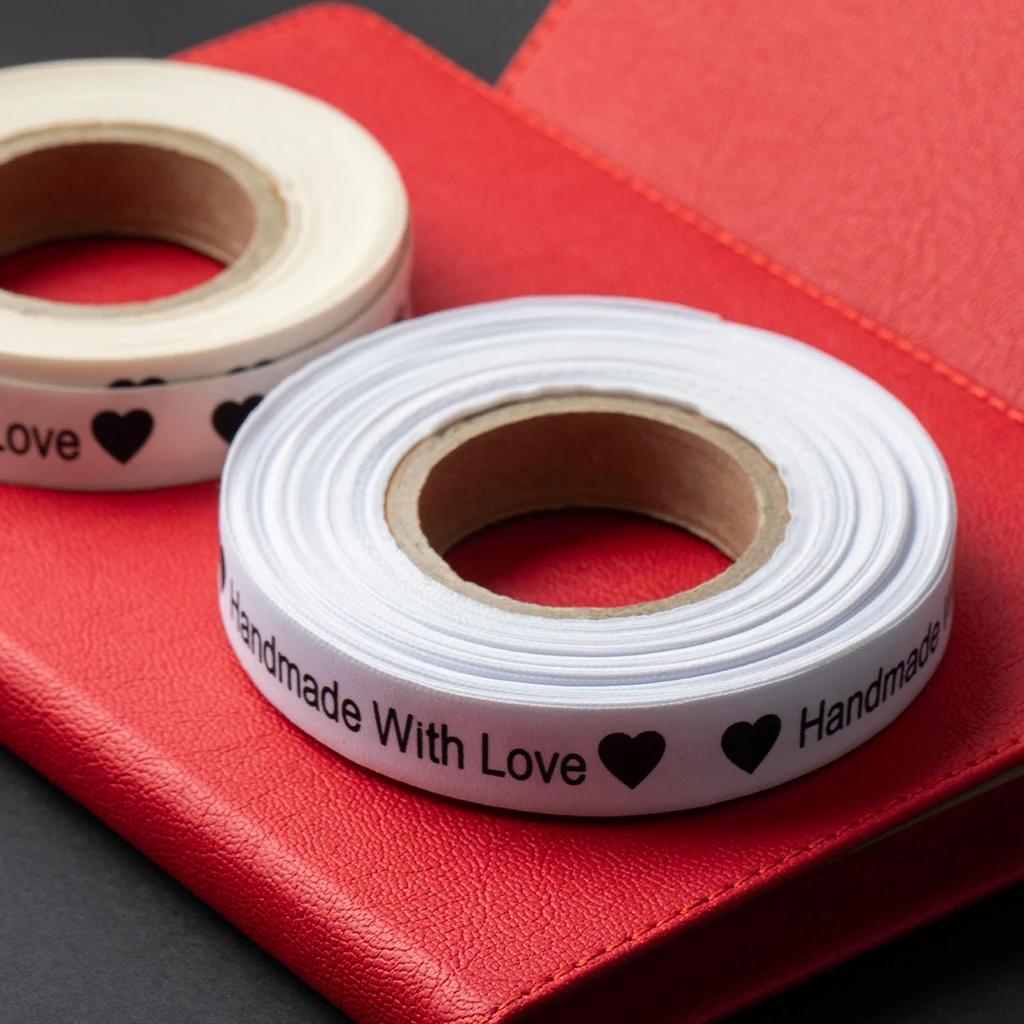
LabelGo Manufacturing: Direct Apparel Branding & Precision Label Production
Fusing traditional Jacquard craftsmanship with modern digital convenience, LabelGo brings over 3 decades of textile manufacturing excellence directly to your design studio. Our intuitive online configurator allows apparel creators to customize dimensions, fold styles, and Pantone TCX thread codes with ease. Whether producing Custom Printed Labels or full garment trim packages, high-speed automated weaving looms and precision thermal transfer lines reproduce micro-fine lettering and complex vector graphics with razor-sharp fidelity.
Hypoallergenic and environmentally responsible, our raw fibers undergo comprehensive toxicological screening to meet international safety and environmental directives. Ultra-smooth ultrasonic heat cutting seals every edge without abrasive burrs, ensuring optimal drape and next-to-skin comfort. Backed by accessible 250-piece low MOQ tiers, fashion founders enjoy global 5–7 business day expedited shipping and responsive guidance from seasoned label specialists.