
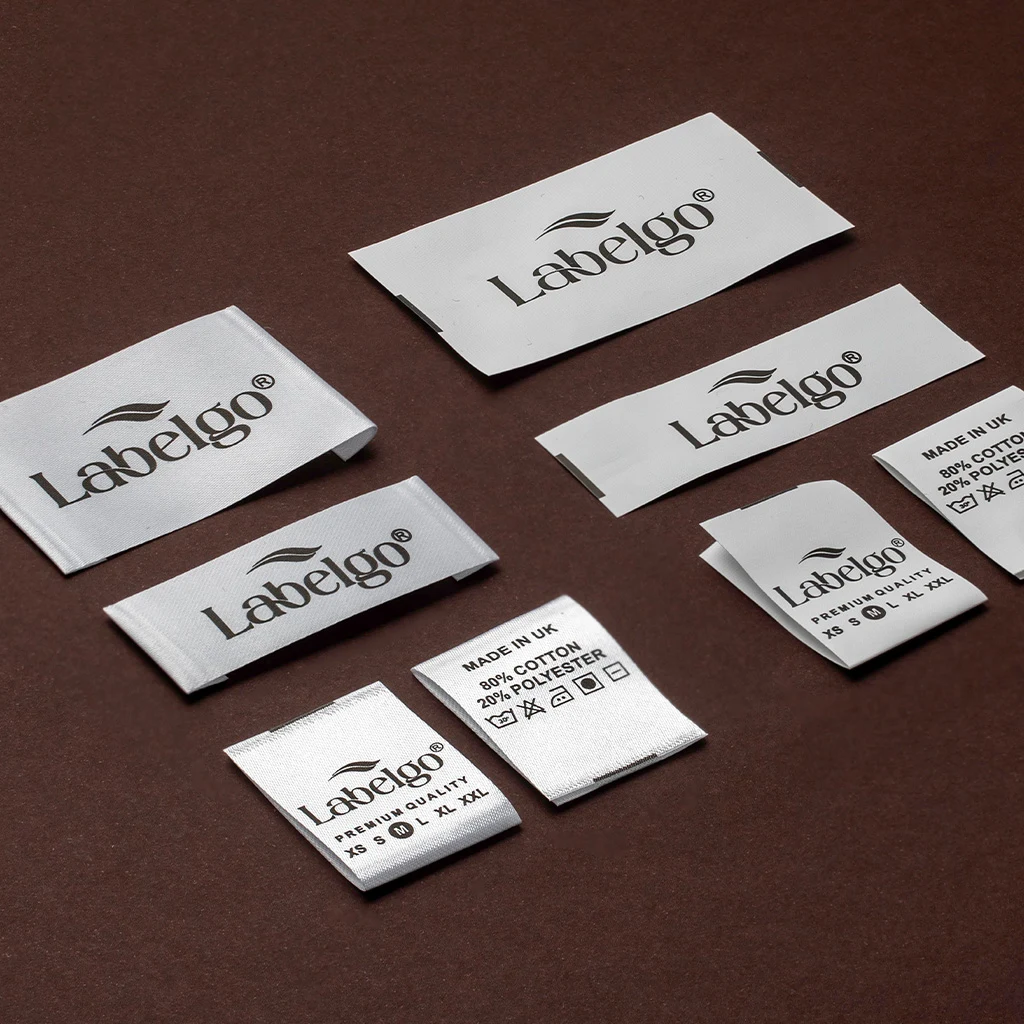
Upload your own logo or artwork, choose dimensions & materials, and review your live digital preview before ordering. (LabelGo label catalog).
Configure Your Label Online Now →The choice of materials for custom care labels is equally critical. High-quality fibres and durable substrates ensure that these labels withstand repeated washing cycles without fading or peeling. Such attention to detail not only prolongs the life of the garment but also reflects positively on your brand’s commitment to excellence.
Manufacturing processes for custom care labels must balance precision with efficiency. Advanced printing techniques, such as digital embroidery and laser engraving, allow for intricate designs while maintaining production speed. This blend of craftsmanship and technology ensures that each label is a testament to the high standards upheld by British textile manufacturers.
Navigating legal regulations and compliance in the UK can be complex. Custom care labels must adhere to strict guidelines set forth by organisations like the Textile Services Association (TSA) and the European Committee for Standardization (CEN). Ensuring that your these tailored trims meet these standards is crucial for avoiding costly penalties and maintaining consumer trust.
A case study approach can provide valuable insights into the practical application of custom care labels. For instance, a high-end fashion label might use bespoke designs to differentiate itself in the market, while also ensuring compliance with Wash Care Labels. This dual focus on aesthetics and functionality showcases how these branding options can serve both brand identity and regulatory requirements.
The integration of custom care labels into the broader textile manufacturing process underscores their importance in maintaining quality and customer satisfaction. From design to production, each step is meticulously planned to ensure that these small but vital elements contribute significantly to the overall success of a garment line.
Table of Contents
Design and Aesthetics: The Visual Identity of Your Brand
In the realm of fashion and textiles, every element contributes to a brand’s visual identity. Custom garment tags are no exception; they serve not only as functional pieces but also as integral components that enhance your brand’s aesthetic appeal.
The Role of Custom Care Labels in Branding
Bespoke labels play a crucial role in reinforcing the overall branding strategy. They provide an opportunity to extend your brand’s identity beyond the garment itself, ensuring consistency across all touchpoints with your customers. By incorporating your logo, colours, and design elements into these labels, you create a cohesive look that resonates throughout every product.
Innovative Design Techniques for Enhanced Visibility
To make these labels stand out, innovative design techniques are essential. One approach is to utilise high-quality printing methods such as digital embroidery or heat transfer that can incorporate intricate designs and vibrant colours. These methods not only enhance the visibility of your brand but also ensure durability over multiple washes.
- Material Selection: Choosing the right material for care labels is critical. Opting for materials like polyester, which are resistant to fading and shrinking, ensures that the label remains intact and legible throughout the garment’s lifecycle.
- Incorporating QR Codes: Another innovative technique involves embedding QR codes on custom care labels. This allows customers to access additional information about the product or even exclusive content, thereby enhancing engagement and interaction with your brand.
The integration of these design techniques can significantly elevate the visibility and impact of your these tailored trims. For more insights into how Wash Care Labels can be tailored to meet specific branding needs, explore our comprehensive range of solutions.
In summary, these branding options are not just functional; they are powerful tools for enhancing your brand’s visual identity. By leveraging innovative design techniques and ensuring compliance with international standards, you can create a cohesive and engaging experience that resonates with customers at every touchpoint.
Material Selection: Ensuring Durability and Quality
Substrate selection for custom garment tags establishes hand feel, softness, and skin-contact comfort. Premium high-density yarns and OEKO-TEX certified threads eliminate skin prickle across delicate fabrics.
Tested tensile strength ensures base ribbons withstand tension and seam stresses throughout rigorous wear and laundering cycles.
Choosing the Right Materials for Longevity
In the realm of fashion, durability is paramount to ensure that garments stand the test of time. Bespoke labels are no exception; they must be as robust as the clothing itself. The materials used in these labels can significantly impact their longevity and overall quality. For instance, polyester-based fabrics often provide excellent resistance against wear and tear, making them a popular choice for these labels.
The following table compares material, print or weave quality, use case, and production process for UK textile label manufacturing.
| Criterion | Best use | Check question | Quality expectation |
|---|---|---|---|
| Custom Care Labels | Brand, apparel, and accessory products. | Which information must appear on the product? | Clear, readable, and brand-consistent. |
| Woven label | Premium clothing, outerwear, and accessories. | Are thread detail and wash resistance strong? | Dense weave, clean edge, long life. |
| Printed label | Colour logos, care data, and fast production. | Are colours accurate and readable? | Sharp print, flexible base, stable colour. |
| Care / size label | Washing instructions, size, origin information. | Are symbols and languages clear? | High readability in a small space. |
| Hang tag / patch label | Retail display, collections, brand story. | Does material improve product perception? | Durable stock, clean cut, quality workmanship. |
When selecting materials, it is crucial to consider not only durability but also how they will withstand the rigours of washing and drying cycles. High-quality polypropylene can be an ideal option as it offers superior strength and flexibility without compromising on comfort or appearance. Additionally, ensuring that the label’s design includes seam allowance tolerances strictly engineered to ensure lasting structural integrity in workwear is vital for maintaining its functionality over time.
Sustainability in Custom Label Production
The fashion industry has been under increasing pressure to adopt more sustainable practices, and this extends to the production of these labels. Sustainable materials such as recycled polyester or organic cotton can be used to create eco-friendly labels that align with broader environmental goals. These materials not only reduce waste but also contribute to a lower carbon footprint.
Moreover, the manufacturing process itself plays a significant role in sustainability. Opting for suppliers who adhere to strict environmental standards and use renewable energy sources can further enhance the ecological credentials of custom care labels. For example, using water-based inks instead of solvent-based ones minimises harmful emissions during printing processes.
Incorporating sustainable practices into the production of Custom Care Labels not only benefits the environment but also appeals to an increasingly eco-conscious consumer base. Brands that prioritise sustainability in their label production can leverage this aspect as a unique selling point, differentiating themselves from competitors who may still be reliant on traditional materials and methods.
For those looking for more information on sustainable Wash Care Labels, it’s worth exploring the various options available that balance durability with environmental responsibility. This approach ensures that both the garment and its accompanying labels can be enjoyed for years to come, while also contributing positively to our planet.
The careful selection of materials is just one aspect of ensuring quality in custom care labels. By prioritising longevity and sustainability, manufacturers can create products that not only endure but also resonate with today’s environmentally aware consumers. This focus on durability and eco-friendliness ultimately enhances the overall value proposition for both brands and their customers.
Manufacturing Processes: Precision and Efficiency
Advanced Techniques in Label Imprinting
The process of imprinting custom care labels requires a blend of traditional craftsmanship and cutting-edge technology. Modern techniques such as digital printing allow for intricate designs and detailed instructions, ensuring clarity and readability on the final product. This method also enables quick adjustments to design elements, providing flexibility that is crucial in fast-paced fashion environments.
One of the key advantages of advanced imprinting techniques is the ability to produce high-quality labels with consistent results. By using state-of-the-art equipment, manufacturers can achieve precise colour reproduction and sharp text clarity, which are essential for effective communication on Wash Care Labels. This level of detail ensures that consumers receive clear guidance on how to care for their garments, thereby extending the life of the product.
Quality Control Measures Throughout Production
The production process for custom care labels is underpinned by rigorous quality control measures. From the initial design phase through to final inspection, every step is monitored to ensure that each label meets stringent standards. This includes checks on material consistency, print accuracy, and overall durability.
Working directly with the factory eliminates middleman markups, ensuring competitive direct manufacturing pricing while maintaining a high level of quality control. By cutting out intermediaries, manufacturers can focus more resources on refining their processes and implementing advanced technologies that enhance both precision and efficiency in production.
In summary, the creation of custom care labels is a complex yet highly controlled process that relies heavily on advanced techniques and stringent quality checks. These measures ensure that every label not only meets but exceeds expectations, providing clear, durable, and informative guidance to consumers. By prioritising precision and efficiency, manufacturers can deliver high-quality products that stand the test of time.
Legal Regulations and Compliance: Navigating UK Standards
Strategic specification ensures that Custom Care Labels execution aligns precisely with garment specifications and retail positioning.
LabelGo pairs modern web configuration with dedicated manufacturing expertise for dependable turnaround and scalable wholesale volumes.
Understanding Labelling Legislation
The textile industry in the UK is governed by stringent labelling laws designed to protect consumers and ensure transparency. Custom care labels are a critical component of these regulations, as they provide essential information on how garments should be cared for. The Wash Care Labels must adhere to the requirements set by the Textile Products (Labelling) Regulations 2014 and the Consumer Protection from Unfair Trading Regulations 2008. These regulations mandate that labels include details such as fabric composition, care instructions, and country of origin.
To comply with these standards, manufacturers must ensure their custom care labels are clear and legible. Mandatory fabric composition percentages and country of origin declarations are printed with high-contrast legibility to guarantee readability. This not only helps consumers make informed decisions but also protects brands from legal repercussions for non-compliance.
Compliance Requirements for Export
When exporting textiles, manufacturers must navigate the complex web of international regulations in addition to UK standards. The EU’s Textile Labelling Regulations and other regional requirements can vary significantly, necessitating careful attention to detail. For instance, certain countries may have specific rules regarding the use of symbols or the language used on care labels.
To ensure compliance with export regulations, it is crucial for manufacturers to work closely with legal experts who specialise in international trade laws. This collaboration helps in identifying any potential discrepancies and ensuring that all custom care labels meet both UK and foreign standards. Regular audits and updates are also essential to stay abreast of changes in legislation and maintain regulatory compliance.
Custom Care Labels: A Case Study Approach
Wash resilience and care symbol clarity for Custom Care Labels protect consumer confidence. Formulations resist domestic boiling and commercial dry-cleaning chemicals without fading.
ISO 3758 compliant wash instructions safeguard textile fibres by guiding consumers through appropriate care routines.
Successful Implementation Stories
The integration of custom care labels into fashion and textile manufacturing has proven to be a strategic move for many brands, enhancing customer satisfaction while maintaining product integrity. One notable example is the luxury brand, Luxuria, which implemented bespoke care instructions tailored specifically to their high-end fabrics. This not only reinforced the premium nature of their products but also ensured that customers understood how to handle and maintain these delicate items properly.
Another success story comes from the renowned outdoor clothing company, TrekWear. By customising care labels for their technical garments, they were able to provide detailed instructions on washing and drying without compromising the performance of moisture-wicking fabrics. This attention to detail has significantly reduced returns due to improper care, thereby improving customer loyalty.
Lessons from Industry Leaders
The fashion industry leaders have long recognised the importance of custom care labels in maintaining brand reputation and product quality. For instance, Boutique Fabrics Ltd, a leading textile manufacturer, has integrated ISO 3758 labelling regulations into their production process to ensure that all care instructions comply with international standards and British garment guidelines. This not only guarantees the longevity of the garments but also builds trust among consumers who value transparency and reliability.
Moreover, EcoThreads, a sustainable fashion company, has taken custom care labels one step further by incorporating eco-friendly washing tips on their labels. By encouraging customers to use cold water and avoid tumble drying, they are not only preserving the environment but also extending the life of the garments. This approach has resonated well with environmentally conscious consumers, positioning EcoThreads as a leader in sustainable fashion practices.
These case studies illustrate that custom care labels can be more than just regulatory compliance; they can serve as powerful tools for enhancing customer experience and reinforcing brand values. By tailoring these instructions to the specific needs of their products, brands can ensure that customers are well-informed about how to care for their garments, leading to greater satisfaction and loyalty.
Innovative Trends in Custom Care Labels
The fashion industry is continuously evolving, and with it, the methods by which we care for our garments have become increasingly sophisticated. One area that has seen significant advancements is the realm of custom care labels. These labels not only provide essential information on how to maintain a garment but also offer a platform for brands to communicate their unique identity and values.
Technological Advancements
The integration of technology into custom care labels has transformed them from simple tags into multifaceted tools that enhance the consumer experience. One notable development is the use of QR codes embedded within these labels. By scanning a QR code, customers can access detailed care instructions, product information, and even interactive tutorials on how to properly launder or store their garments.
Another technological leap has been the adoption of RFID (Radio-Frequency Identification) tags in custom care labels. These tiny chips allow for real-time tracking of items throughout the supply chain, ensuring that products are handled correctly from manufacture to retail. This not only helps maintain quality but also aids in inventory management and reduces the risk of counterfeiting.
Future Directions
The future of custom care labels is likely to be shaped by further technological innovations and a growing emphasis on sustainability. One potential direction is the incorporation of biodegradable materials into these labels, aligning with broader industry efforts towards reducing environmental impact. Brands are increasingly seeking ways to minimise waste without compromising on functionality.
Moreover, there is an emerging trend towards personalisation in fashion, which could extend to custom care labels. Imagine a label that can be tailored not just to the garment but also to individual preferences and lifestyle needs. This level of personalisation would require advanced data analytics and user-specific information sharing, ensuring that each piece of clothing comes with bespoke care instructions.
It is crucial to note that while these innovations are exciting, they must comply with established standards. Care labels comply with international ISO 3758 labelling regulations and British garment standards, ensuring consistency and reliability across the industry. As we move forward, it will be essential for manufacturers and designers to balance innovation with adherence to these guidelines.
Selecting the right Custom Care Labels involves evaluating fabric composition, wash frequency, skin-contact softness, and overall brand positioning. High-density labels provide a premium look for primary brand logos. Confirming fold style and seam margins prior to production ensures flawless bulk manufacturing.
For comprehensive technical insights on textile fibre structures, wash symbols, and ISO 3758 care labelling compliance, you can review Wikipedia Textile Labelling Standards and Industry Search on Google UK.
Best Practices & Selection Criteria: 6 Tips for Custom Care Labels
When selecting and manufacturing Custom Care Labels, these 6 essential quality standards, material choices, edge sealing techniques, and compliance rules dictate long-term durability and brand value:
1. Substrate Material Selection for Garment Labels
In high-end garment collection standards, care labels utilise silky polyester satin for comfortable skin contact in lingerie and luxury apparel, or durable poly-taffeta for heavy workwear and outerwear.
2. HD Ink Printing Tech (Screen vs Thermal Transfer)
In high-end garment collection standards, high-resolution thermal transfer resin printing guarantees razor-sharp rendering of small wash icons, font sizes down to 4pt, and multi-line fibre specifications.
3. Ultrasonic Cutting Technology & Smooth Edge Sealing
From an industrial manufacturing perspective, ultrasonic edge cutting fuses ribbon borders micro-mechanically, ensuring silky-soft contours that never fray or irritate sensitive skin.
4. ISO 3758 Care Labelling Standards & Legal Specifications
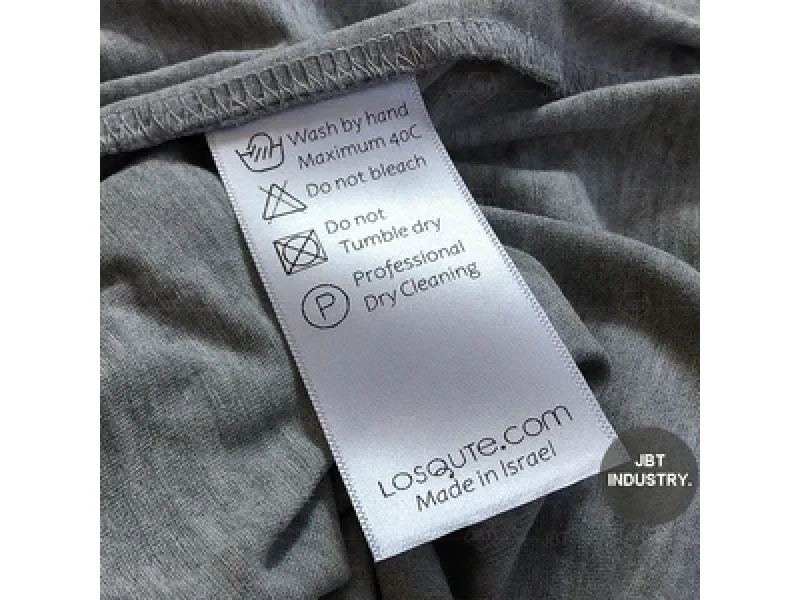
In high-end garment collection standards, compliant care labels must display internationally compliant ISO 3758 icons in mandatory order (Wash, Bleach, Dry, Iron, Professional Clean) alongside definitive fibre composition.
5. Wash Endurance Standards for Long-Lasting Clothing Labels
During precision production and quality assurance, specialised resin ink formulations resist industrial boiling washes up to 90°C, commercial tumble drying, and heavy dry cleaning detergents without fading.
6. Mandatory Fibre Declarations & Country of Origin
During precision production and quality assurance, global consumer regulations require exact fibre percentage breakdowns (e.g., 95% Cotton, 5% Elastane) and clear country-of-origin (Made In) declarations.
Conclusion
The future of the textile industry is undeniably intertwined with innovation and sustainability, and custom care labels are at the heart of this evolution. As we move towards a more eco-conscious era, these bespoke labels not only provide essential guidance to consumers but also serve as a canvas for brands to express their commitment to environmental responsibility. The integration of smart RFID technology promises to revolutionise how we interact with our garments, offering unparalleled traceability and personalisation.
Looking ahead, the longevity of any brand will be intrinsically linked to its ability to innovate sustainably. Custom care labels are not just a trend; they are a testament to a brand’s dedication to quality and customer satisfaction. As we embrace these advancements, let us remember that every label tells a story—one of craftsmanship, sustainability, and the enduring bond between fashion and technology. In this dynamic landscape, it is imperative for brands to lead with vision and purpose, ensuring that their legacy is as timeless as the garments they produce.
🔗 Related LabelGo Garment Branding Resources
Explore these related product guides and manufacturing pages to plan a cohesive apparel branding package:
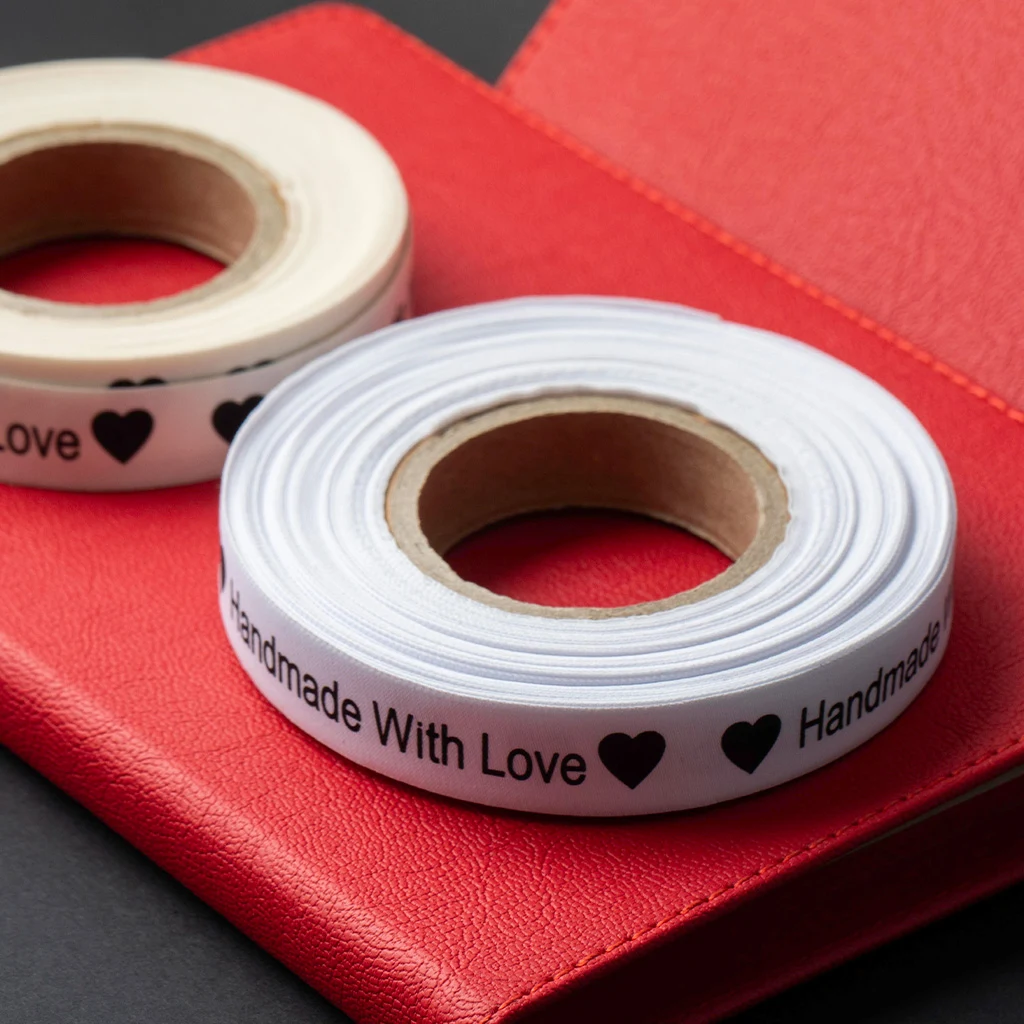
LabelGo Overview: Certified Skin-Safe Materials & Flexible Minimum Orders
Fusing traditional Jacquard craftsmanship with modern digital convenience, LabelGo brings over 3 decades of textile manufacturing excellence directly to your design studio. Our intuitive online configurator allows apparel creators to customize dimensions, fold styles, and Pantone TCX thread codes with ease. Whether producing Custom Care Labels or full garment trim packages, high-speed automated weaving looms and precision thermal transfer lines reproduce micro-fine lettering and complex vector graphics with razor-sharp fidelity.
Hypoallergenic and environmentally responsible, our raw fibers undergo comprehensive toxicological screening to meet international safety and environmental directives. Ultra-smooth ultrasonic heat cutting seals every edge without abrasive burrs, ensuring optimal drape and next-to-skin comfort. Backed by accessible 250-piece low MOQ tiers, fashion founders enjoy global 5–7 business day expedited shipping and responsive guidance from seasoned label specialists.