
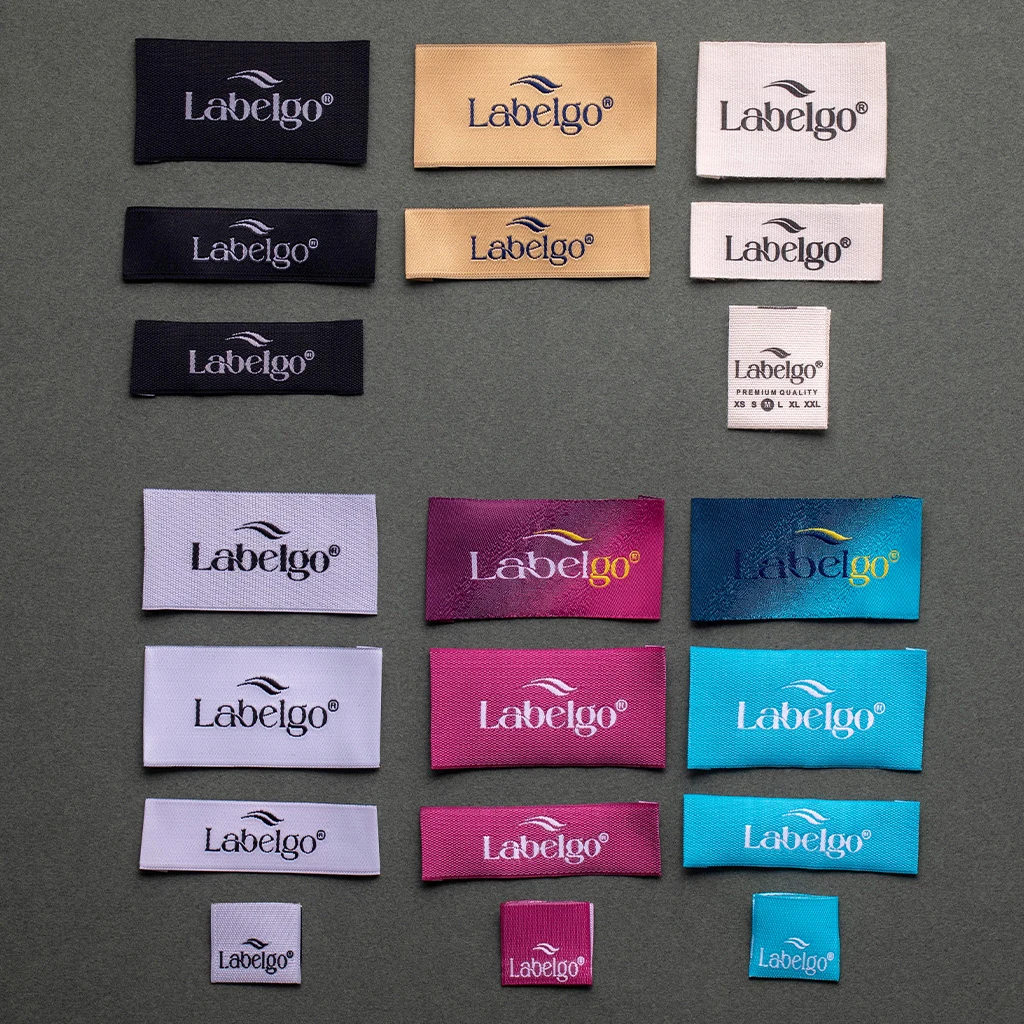
Design principles for effective logo labels go beyond mere aesthetics. They must be legible from a distance, durable enough to withstand repeated washing cycles, and seamlessly integrated into the overall design of the garment. A well-designed label can elevate an outfit, while a poorly executed one can detract from even the most meticulously crafted piece.
Upload your own logo or artwork, choose dimensions & materials, and review your live digital preview before ordering. (LabelGo label catalog).
Configure Your Label Online Now →Material selection for durable clothing labels is another critical aspect. From woven fabric labels to heat-sealed plastic tags, each material choice comes with its own set of advantages and challenges. Woven labels offer a classic look and superior durability, whereas printed or embroidered options can provide more flexibility in design and colour choices.
The production processes for high-quality labels involve meticulous attention to detail at every stage. From the initial design phase through printing, cutting, and application onto garments, each step must be flawlessly executed to ensure that the final product meets the highest standards of quality and consistency. This is particularly true in a sector where even minor imperfections can compromise brand integrity.
Quality control in label manufacturing cannot be overstated. Rigorous testing for colourfastness, durability under various conditions, and adherence to regulatory standards ensures that clothing labels with logos not only look good but also stand up to the test of time. This is crucial for maintaining consumer trust and ensuring long-term brand success.
Regulatory standards for clothing labels are another vital consideration. Compliance with international guidelines such as those set by the International Organization for Standardization (ISO) ensures that labels meet safety, durability, and environmental requirements. Adherence to these standards not only protects consumers but also helps brands avoid costly legal issues and maintain their reputation.
For businesses looking to enhance their brand identity through bespoke clothing labels with logos, it is essential to partner with a reliable manufacturer like Clothing Labels With Your Logo. Such partnerships can ensure that every label not only meets but exceeds expectations in terms of design, durability, and quality control.
Table of Contents
Design Principles for Effective Logo Labels
In Clothing Labels With Logo development, typography contrast, Pantone shade matching, and vector scalability are paramount. Ensuring maximum logo legibility on compact woven or printed grounds guarantees a polished garment finish.
Pre-production digital PDF proofing allows design teams to verify line weights and fold allowances before volume looms are commissioned.
Understanding Brand Identity
In the competitive world of fashion and textiles, a strong brand identity is crucial. Clothing labels with logo are more than just tags; they serve as silent ambassadors of your brand, communicating values, quality, and style to consumers at every touchpoint These options are available with delivery timelines tailored to your needs.
When designing a label with a logo, it’s essential to understand the core message you wish to convey. This involves aligning the visual and textual elements of the label with broader marketing strategies. For instance, if your brand is known for its minimalist aesthetic, the label should reflect this through clean lines and simple typography. Conversely, a more vibrant and energetic brand might opt for bold colours and dynamic fonts. Direct-to-factory production of bespoke Clothing Labels with Logo enables independent designers to maintain stringent quality control.
Typography and Visual Elements
The choice of typography plays a pivotal role in how a logo label is perceived. Typography can evoke emotions and convey the tone of your brand. For example, serif fonts often give an impression of tradition and elegance, while sans-serif fonts are seen as modern and clean. The key is to select typefaces that resonate with your target audience and align with your overall branding strategy.
Visual elements such as icons, patterns, or even the shape of the label itself can also enhance its effectiveness. These elements should be designed in a way that complements the logo without overpowering it. For instance, subtle textures or gradients can add depth to a design while maintaining clarity and readability. At Clothing Labels With Your Logo, we ensure that each label is meticulously crafted with these principles in mind. Selecting premium yarns for your Clothing Labels with Logo preserves true colour vibrancy through extended laundering and heavy use.
Colour Theory in Label Design
The application of colour theory is fundamental to effective logo labels. Colours can evoke specific emotions and associations, making them a powerful tool in branding. For instance, red might signify passion or urgency, while blue often conveys trust and reliability. It’s important to choose colours that align with your brand’s messaging and resonate with your target demographic.
When it comes to production, consistency is key. Every order provides millimeter-accurate dimensional simulations and Pantone colour matching before entering production, ensuring that the final product matches your design specifications precisely. This level of attention to detail ensures that every clothing label with logo not only looks professional but also maintains a cohesive brand image across all products. Precision fold configurations ensure that every Clothing Labels with Logo attaches neatly along garment necklines, hems, or side seams.
Material Selection for Durable Clothing Labels
Substrate selection for Clothing Labels With Logo establishes hand feel, softness, and skin-contact comfort. Premium high-density yarns and OEKO-TEX certified threads eliminate skin prickle across delicate fabrics.
Tested tensile strength ensures base ribbons withstand tension and seam stresses throughout rigorous wear and laundering cycles.
Fabric Types and Durability
The durability of clothing labels with logo is significantly influenced by the fabric type used in their construction. Synthetic materials such as polyester, nylon, and polypropylene are often favoured due to their resistance to wear and tear. Polyester, for instance, is highly resilient against stretching and shrinking, making it a popular choice for workwear where seam allowance tolerances are strictly engineered to ensure lasting structural integrity.
The following table compares material, print or weave quality, use case, and production process for UK textile Clothing Labels with Logo manufacturing.
| Criterion | Best use | Check question | Quality expectation |
|---|---|---|---|
| Clothing Labels with Logo | Brand, apparel, and accessory products. | Which information must appear on the product? | Clear, readable, and brand-consistent. |
| Woven label | Premium clothing, outerwear, and accessories. | Are thread detail and wash resistance strong? | Dense weave, clean edge, long life. |
| Printed label | Colour logos, care data, and fast production. | Are colours accurate and readable? | Sharp print, flexible base, stable colour. |
| Care / size label | Washing instructions, size, origin information. | Are symbols and languages clear? | High readability in a small space. |
| Hang tag / patch label | Retail display, collections, brand story. | Does material improve product perception? | Durable stock, clean cut, quality workmanship. |
Nylon is another robust option that offers superior strength and abrasion resistance, ideal for labels that need to withstand frequent washing. However, the choice of fabric should also consider the end use; natural fibres like cotton or linen can be more suitable for garments where a softer touch is desired, despite their lower durability compared to synthetics.
Ink Adhesion Techniques
The longevity and clarity of logos on clothing labels hinge heavily on ink adhesion techniques. Direct-to-garment printing (DTG) has gained popularity due to its ability to produce high-quality prints that adhere well to both synthetic and natural fabrics. DTG uses water-based inks that penetrate the fabric fibres, resulting in a softer feel compared to traditional screen-printing methods. Aligning thread density and weave type allows your Clothing Labels with Logo to showcase intricate typography and fine graphic elements.
Screen-printing remains a staple technique for producing durable clothing labels with logo. This method involves pushing ink through a mesh stencil onto the fabric surface. The choice of ink is critical; plastisol inks are often used due to their high opacity and durability, though they can result in a stiffer label texture.
Sustainability in Material Choices
As sustainability becomes an increasingly important consideration for consumers and manufacturers alike, the selection of materials for clothing labels with logo must also reflect eco-friendly practices. Recycled polyester is one such material that offers both durability and environmental benefits; it reduces reliance on new petroleum-based resources while minimising waste.
Beyond fabric choices, ink formulations are evolving to include more sustainable options. Water-based inks are a greener alternative to plastisol as they emit fewer volatile organic compounds (VOCs) during the printing process. For those looking to explore custom solutions, Custom Clothing Labels offer bespoke options that can align with specific sustainability goals.
The combination of durable fabric types and advanced ink adhesion techniques ensures that clothing labels not only withstand the rigours of daily wear but also maintain their aesthetic appeal over time. As we move towards more sustainable practices, the industry is poised to innovate further in material selection, ensuring both durability and environmental responsibility. Compliant with international textile safety standards, skin-safe Clothing Labels with Logo guarantees optimal wearer comfort from day one.
Production Processes for High-Quality Labels
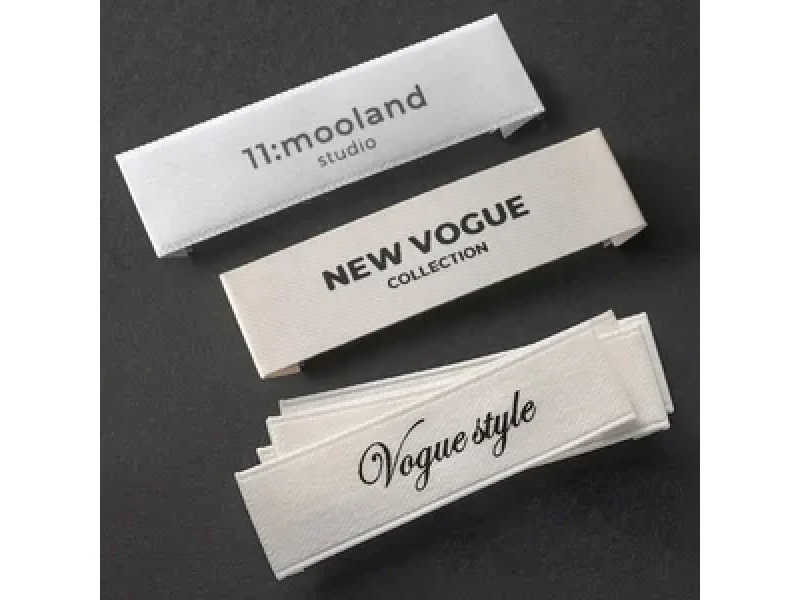
In-line optical inspections verify repeat pitch and fold alignment across every single production unit.
Screen Printing vs Digital Printing
In the realm of clothing labels with logo, screen printing and digital printing are two widely used methods that offer distinct advantages depending on specific requirements. Screen printing is a traditional technique that involves pushing ink through a mesh stencil onto fabric. This method is particularly effective for producing vibrant colours and bold designs, making it ideal for high-volume production runs where consistency is key. However, the setup costs can be relatively high due to the creation of screens for each colour used in the design.
On the other hand, digital printing has gained popularity for its flexibility and precision. This process allows for intricate details and full-colour designs without the need for separate screens per colour. It is especially advantageous for smaller production runs or when frequent changes to the artwork are required. Digital printing also offers a more cost-effective solution for bespoke projects where customisation plays a crucial role.
Heat Transfer Methods
Heat transfer methods represent another popular approach in producing clothing labels with logo, particularly favoured for their ease of application and versatility. This technique involves printing the design onto a special paper using heat-sensitive ink, which is then transferred to the fabric through heat and pressure. Heat transfers are suitable for both light and dark fabrics, offering a wide range of colour options.
One significant advantage of heat transfer methods is their ability to produce high-quality labels with minimal setup costs compared to screen printing. This makes them an attractive option for small-scale production or when experimenting with different designs. However, the durability of heat transfers can vary depending on fabric type and washing conditions, so it’s essential to consider these factors during the design phase.
Embroidery Techniques
For a more luxurious finish, embroidery techniques are often employed in creating clothing labels with logo. This method involves stitching designs directly onto fabric using thread, which can result in a highly durable and visually striking label. Embroidery is particularly effective for logos that require fine detail or three-dimensional effects.
The interactive online Label Configurator allows fashion brands to upload bespoke artwork and review real-time digital previews, making it easier than ever to visualise the final product before committing to production. This tool can be especially useful when exploring embroidery options, as it helps ensure that the design will translate well into stitch form. For those looking for customised solutions, Custom Labels Clothing offers a range of bespoke services tailored to individual needs. For growing streetwear labels and established houses alike, certified Clothing Labels with Logo represents a refined hallmark of quality.
Embroidery is not without its limitations; it can be more time-consuming and costly compared to other methods, particularly for larger production runs. However, the unique aesthetic and longevity provided by embroidery make it an excellent choice for high-end fashion labels where quality and craftsmanship are paramount.
Quality Control in Label Manufacturing
In the competitive world of fashion and textiles, ensuring that your clothing labels with logo are not only visually appealing but also durable and compliant is paramount. This section delves into the critical aspects of quality control within label manufacturing, focusing on inspection standards, durability testing, and adherence to British textile industry regulations.
Inspection Standards
The first line of defence in maintaining high-quality clothing labels with logo is rigorous inspection at various stages of production. This includes checking for consistency in colour, print quality, and the accuracy of logos or text. Inspectors must also verify that the materials used meet specified standards to ensure longevity and resistance to wear and tear.
Automated systems can be employed to enhance precision, but human oversight remains crucial for identifying subtle defects that might escape machine detection. Regular training of inspection staff is essential to keep them updated on the latest quality benchmarks and industry trends. During apparel development, specifying your Clothing Labels with Logo with ultra-soft edge sealing ensures irritation-free everyday wear.
Testing for Durability
Durability testing is a critical component of quality control in Clothing Labels with Logo manufacturing. Labels must withstand multiple washes, exposure to sunlight, and various environmental conditions without fading or peeling off. Common tests include abrasion resistance, colourfastness to washing, and UV light exposure.
For instance, the AATCC Test Method 8, widely used in the textile industry, evaluates the durability of prints under repeated rubbing. Similarly, the AATCC Test Method 61 assesses colourfastness to washing, ensuring that labels maintain their vibrancy and integrity through numerous wash cycles.
Compliance with British Textile Industry Regulations
The UK textile industry operates under stringent regulations designed to ensure product safety, quality, and ethical production. Clothing labels must comply with these standards, which cover everything from material composition and labelling requirements to environmental impact assessments. When produced to strict textile standards, high-grade Clothing Labels with Logo withstands repeated industrial laundering cycles without distortion.
To navigate this complex regulatory landscape effectively, working directly with the factory eliminates middleman markups, ensuring competitive direct manufacturing pricing while maintaining compliance. This approach allows for greater control over quality assurance processes and ensures that all labels meet British standards.
For small businesses looking to implement these practices, it is worth exploring resources such as Clothing Labels For Small Businesses, which offers tailored solutions and support for navigating the intricacies of Clothing Labels with Logo manufacturing.
Regulatory Standards for Clothing Labels
Strategic specification ensures that Clothing Labels With Logo execution aligns precisely with garment specifications and retail positioning.
LabelGo pairs modern web configuration with dedicated manufacturing expertise for dependable turnaround and scalable wholesale volumes.
Understanding Labelling Legislation
In the UK, clothing labels with logo must comply with a range of regulations designed to protect consumers and ensure fair trading practices. The Textiles Act 2013 is one such piece of legislation that mandates detailed information on fabric composition and care instructions. This act requires that all textiles sold in the EU must be labelled accurately regarding fibre content, country of origin, and washing instructions. For instance, any garment with a logo must clearly state what percentage of each material it contains, ensuring transparency for consumers.
Additionally, the Consumer Protection from Unfair Trading Regulations 2008 further stipulate that labels should not mislead customers about the nature or quality of the product. This means that all claims made on clothing labels with logo must be truthful and verifiable. For example, if a label states that a garment is ‘machine washable’, it must indeed withstand standard washing conditions without damage.
Compliance Requirements for UK Markets
To ensure compliance in the UK market, manufacturers and retailers must adhere to specific guidelines set by regulatory bodies such as Trading Standards. These requirements include accurate labelling of fibre content, care instructions, and sizing information. For instance, a garment with a logo should have a label that clearly indicates whether it is made from natural or synthetic fibres, along with precise washing temperatures and methods. In modern garment manufacturing, choosing the right Clothing Labels with Logo directly reinforces overall brand perception.
Moreover, the UK has stringent rules around transparency in sourcing materials and ethical production practices. This means that clothing labels must not only provide information about the product itself but also about its origin and manufacturing process. Brands are increasingly expected to disclose details about their supply chains, ensuring consumers can make informed decisions based on environmental and social criteria.
International Label Regulations
When exporting products from the UK, it is crucial to be aware of international labelling standards that may differ significantly from those in the EU. For example, the United States has its own set of regulations under the Textile fibre Products Identification Act and the Care Labelling Rule, which require detailed information on fibre content and care instructions.
Thermal edge sealing guarantees zero fraying or loose threads even after repeated commercial laundry cycles. This technique is particularly useful for clothing labels with logo that need to maintain their integrity through multiple washes in industrial settings. International standards like these ensure that products meet the required quality and durability, providing a consistent experience for consumers regardless of where they purchase.
Innovations in Clothing Label Technology
The world of fashion is constantly evolving, and with it, the technology behind clothing labels has seen significant advancements. From smart labels to eco-friendly printing solutions, the industry is embracing new methods that not only enhance functionality but also cater to consumer demand for sustainability and personalisation. Whether folded into necklines or topstitched onto denim pockets, customised Clothing Labels with Logo unifies your product line.
Smart Labels and RFID
Smart labels, often incorporating Radio-Frequency Identification (RFID) technology, have become a key innovation in the clothing label sector. These Clothing Labels with Logo options are embedded with tiny chips that can store vast amounts of information about the garment they’re attached to. This data can include details such as the fabric composition, care instructions, and even the entire supply chain journey from manufacturer to retailer.
The integration of RFID technology offers several practical benefits for both retailers and consumers. For brands, it streamlines inventory management by providing real-time tracking capabilities, reducing stock discrepancies and improving overall efficiency. Consumers can benefit from more transparent information about their purchases, enhancing trust in the brand’s claims regarding sustainability or ethical sourcing.
Eco-Friendly Printing Solutions
With growing environmental concerns, the fashion industry is increasingly turning to eco-friendly printing solutions for clothing labels with logo. Traditional methods often involve harsh chemicals and high energy consumption, but new technologies are emerging that mitigate these issues. For example, digital printing techniques allow for on-demand production, reducing waste from overproduction.
Another notable development is the use of water-based inks and biodegradable substrates. These materials not only reduce environmental impact but also align with consumer preferences for more sustainable products. Additionally, advancements in dye-sublimation printing have led to improved colourfastness while using fewer resources compared to traditional methods. Brand distinction often begins with subtle tactile touches like a softly woven, high-definition Clothing Labels with Logo.
Customisation Trends
The trend towards personalisation is driving innovation in the way clothing labels are designed and produced. Customisable labels allow brands to offer unique experiences to their customers, whether through bespoke designs or interactive features that can be scanned for additional information about the product.
Multi-language export requirements are accommodated with clear double-sided vertical print formatting, ensuring that international consumers receive consistent and accurate information regardless of where they purchase. This not only enhances brand consistency but also supports global market expansion by overcoming language barriers. Carefully planned graphic and typographic layouts embedded into Clothing Labels with Logo designs streamline brand recognition and retail compliance.
The integration of customisation options into clothing labels is a testament to the industry’s commitment to meeting consumer demands for individuality and transparency. As technology continues to advance, we can expect further innovations that will continue to reshape how brands connect with their customers through these small but significant details on garments.
Selecting the right Clothing Labels With Logo involves evaluating fabric composition, wash frequency, skin-contact softness, and overall brand positioning. High-density labels provide a premium look for primary brand logos. Confirming fold style and seam margins prior to production ensures flawless bulk manufacturing.
For comprehensive technical insights on textile fibre structures, OEKO-TEX Standard 100 safety, and international labelling compliance, you can review Wikipedia Textile Labelling Standards and Industry Search on Google UK. Technical yarn selection ensures that fine serif letters in your Clothing Labels with Logo remain crisp and completely legible.
A Vision for the Future of Clothing Labels with Logo
The evolution of clothing labels with logo is not just about aesthetics; it’s a testament to the enduring power of branding and innovation in textiles. As we move towards a more sustainable future, the integration of eco-friendly materials into these labels will become paramount. Brands that embrace this shift will not only reduce their environmental footprint but also resonate more deeply with today’s conscientious consumers.
Moreover, the advent of smart RFID technology promises to revolutionise how clothing is tracked and marketed. This seamless blend of fashion and technology can enhance customer experiences by providing detailed product information at a glance. As we look ahead, it’s clear that brands must prioritise both sustainability and technological advancement to remain relevant and competiti.
Ultimately, the future of clothing labels with logo lies in their ability to tell a story—one that is authentic, sustainable, and technologically advanced. Brands that can weave these elements into their identity will not only stand out but also forge lasting connections with consumers. Let us embrace this exciting journey towards a more innovative and responsible textile industry.
🔗 Related LabelGo Garment Branding Resources
Explore these related product guides and manufacturing pages to plan a cohesive apparel branding package:
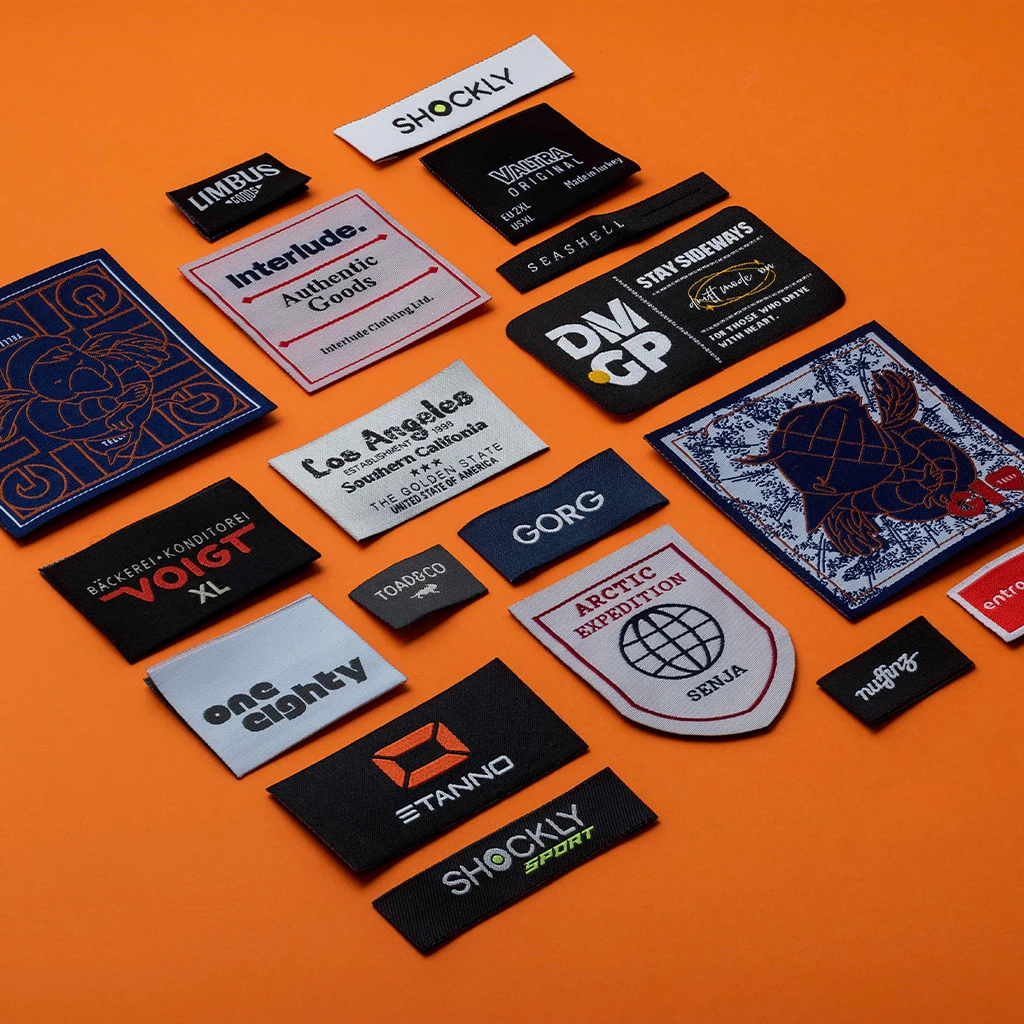
The LabelGo Standard: High-Density Weaving, HD Printing & Global Fulfillment
Fusing traditional Jacquard craftsmanship with modern digital convenience, LabelGo brings over 3 decades of textile manufacturing excellence directly to your design studio. Our intuitive online configurator allows apparel creators to customize dimensions, fold styles, and Pantone TCX thread codes with ease. Whether producing Clothing Labels With Logo or full garment trim packages, high-speed automated weaving looms and precision thermal transfer lines reproduce micro-fine lettering and complex vector graphics with razor-sharp fidelity.
Hypoallergenic and environmentally responsible, our raw fibers undergo comprehensive toxicological screening to meet international safety and environmental directives. Ultra-smooth ultrasonic heat cutting seals every edge without abrasive burrs, ensuring optimal drape and next-to-skin comfort. Backed by accessible 250-piece low MOQ tiers, fashion founders enjoy global 5–7 business day expedited shipping and responsive guidance from seasoned label specialists.