
Patch Labels should be planned as a UK textile label manufacturing choice by matching garment type, material, fold style, wash resistance, print or weave quality, and brand identity.
This guide covers woven labels, printed labels, care labels, hang tags, size labels, made-in labels, and patch labels for UK-focused decisions.
What Are Patch Labels?
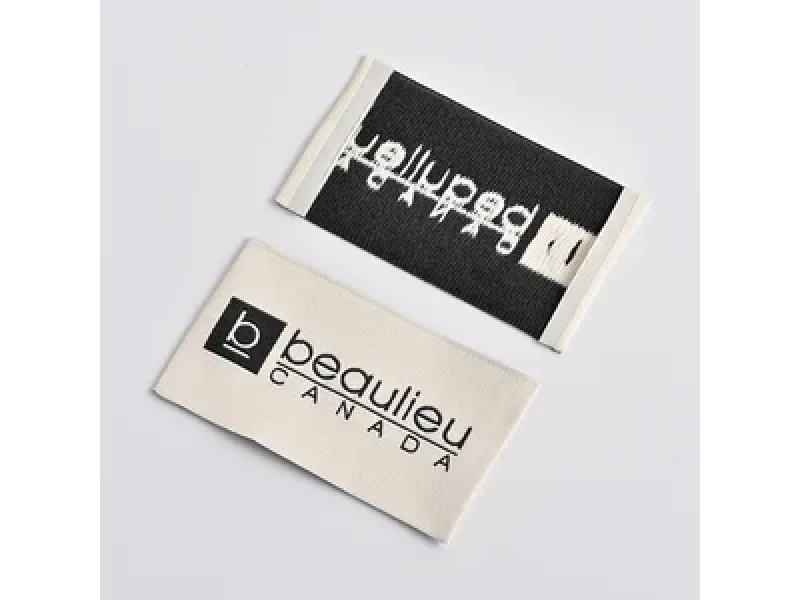
Patch labels are small pieces of fabric or paper sewn onto clothing items, used primarily for care labelling and branding. These labels provide essential information such as washing instructions and help enhance the overall look of garments.Patch labels come in various materials like woven cotton or synthetic fibres, each with its own benefits regarding durability and appearance.
Why Choose Patch Labels?
Customised patch labels allow UK clothing brands to personalise their products, ensuring that every garment carries a unique identifier. This not only boosts brand identity but also helps in quality control by providing clear care instructions.Bespoke label designs can be uploaded or detailed via briefs for digital proofing before production begins.
Delivery and Quality Control
At LabelGo, we prioritise UK delivery with 24/7 support. Our process includes thorough quality checks to ensure that every batch of patch labels meets the highest standards.We offer international shipping options, making it easy for UK brands to source high-quality labels from our London or Istanbul centres.
Benefits of Customised Patch Labels
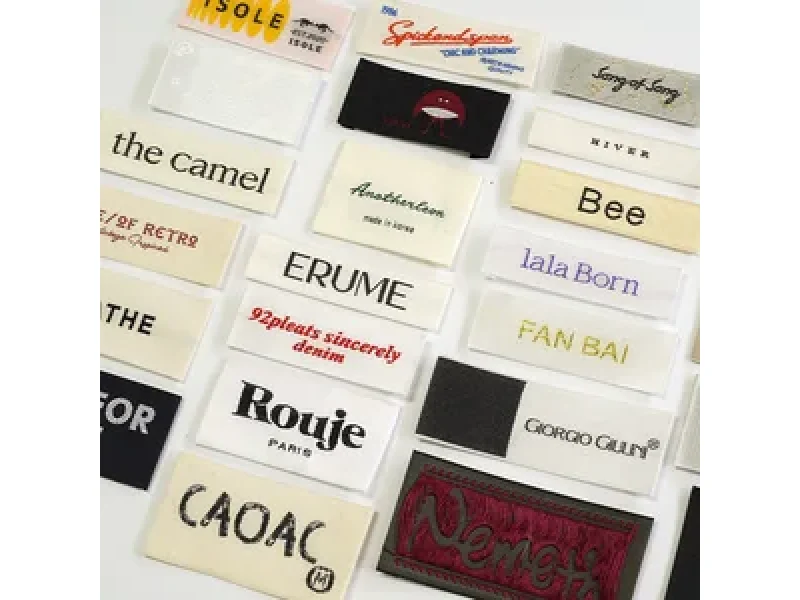
Customised patch labels offer a unique selling point by enhancing brand identity and ensuring clear care instructions are provided to customers. These labels can be designed with detailed information, such as washing symbols or fabric content, making them indispensable for UK clothing brands.Custom Clothing Label Types Compared
Digital Proofing: Digital proof before production ensures the artwork is correct, saving time and resources by avoiding costly errors.
Care Labelling: Care labels provide essential washing instructions to protect both garments and customers. Customised care labels can enhance brand identity while ensuring compliance with labelling laws.
Fibre Content
Woven labels are ideal for detailed fibre content information, making them suitable for complex fabric blends or specific material descriptions required by UK buyers.
Small Batch Practicality: For small-batch orders, woven and printed labels offer flexibility in production runs without the need for high minimum order quantities (MOQs).
Delivery Clarity: Clear delivery expectations are crucial. LabelGo offers 7/24 support with international shipping options tailored to UK needs.
Bespoke and Customised Options: Bespoke labels allow for unique designs, while customisation services ensure your brand stands out on every garment.
Label Types for Small-Batch Orders
Woven and printed labels excel in small-batch production due to their flexibility and lower MOQs, making them ideal for customised orders without compromising on quality. Digital Proofing Benefits Before committing to a large run, digital proofing ensures the label design is perfect, saving time and resources by avoiding costly errors during final labelling.
Materials, Folds, Finishes and Design Options
The following table compares material, print or weave quality, use case, and production process for UK textile label manufacturing.
| Criterion | Best use | Check question | Quality expectation |
|---|---|---|---|
| Patch Labels | Brand, apparel, and accessory products. | Which information must appear on the product? | Clear, readable, and brand-consistent. |
| Woven label | Premium clothing, outerwear, and accessories. | Are thread detail and wash resistance strong? | Dense weave, clean edge, long life. |
| Printed label | Colour logos, care data, and fast production. | Are colours accurate and readable? | Sharp print, flexible base, stable colour. |
| Care / size label | Washing instructions, size, origin information. | Are symbols and languages clear? | High readability in a small space. |
| Hang tag / patch label | Retail display, collections, brand story. | Does material improve product perception? | Durable stock, clean cut, quality workmanship. |
Woven labels are durable with a classic look; printed fabric labels offer vibrant colours and flexibility in design. Care labels provide essential information like washing instructions, while hang tags enhance product presentation. The choice of material depends on the garment’s fibre content—cotton for softness or polyester for durability.
Edge Finish
A clean edge finish prevents fraying and ensures longevity, making your label a lasting part of your clothing line. Different finishes like serged edges or heat-sealed corners offer varying levels of protection against wear and tear.
How the Custom Label Process Works
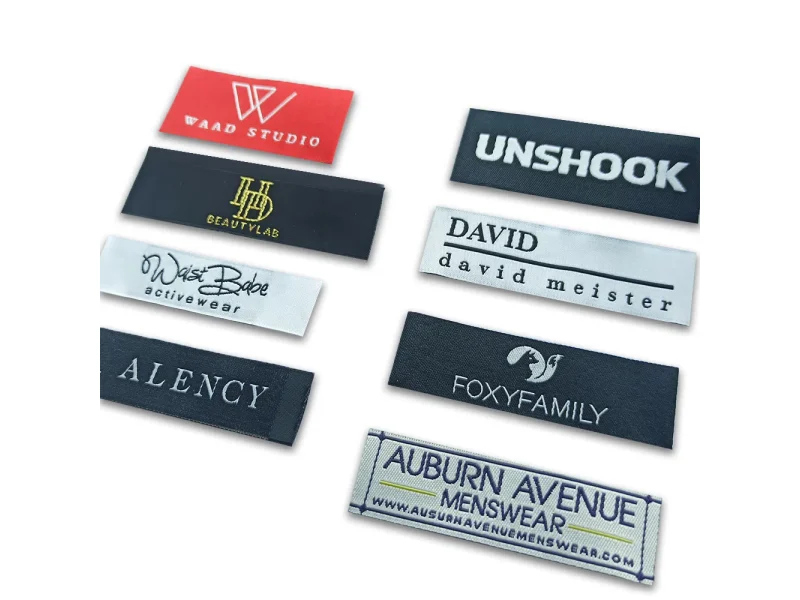
The custom label process at LabelGo begins with a detailed brief or design upload, ensuring your bespoke requirements are understood.
A digital proof is then provided for approval before production starts, allowing any necessary changes to be made quickly and efficiently.
Quality Control and Delivery
Once the artwork has been approved, quality control checks ensure that each label meets our high standards. Labels are carefully packaged and shipped with full tracking information for your peace of mind.
We offer small-batch practicality, making it ideal for UK clothing brands needing customised labels without large minimum orders.
Customisation Options
Care labelling is a key feature, offering detailed fibre content and washing instructions to protect both garment and label. Our woven or printed fabric labels can be tailored with your brand identity in mind.
We pride ourselves on 7/24 support and international shipping options from our London and Istanbul locations.
Custom Label Production Workflow
The workflow starts with a detailed brief to understand your bespoke requirements fully. Once approved, digital proofs are sent for any necessary tweaks before production begins. Quality control ensures each label meets our high standards, and they’re carefully packaged with full tracking information included. This process guarantees peace of mind throughout the customisation journey. Patch Labels offer small-batch practicality, making them perfect for UK clothing brands needing customised labels without large minimum orders. Our woven or printed fabric labels can be tailored to include care labelling details, protecting both garment and label integrity.
How to Choose the Right Label for a UK Clothing Brand
Choosing the right label for your UK clothing brand involves several key factors. A clear digital proof and quality control are essential, ensuring that labels meet both aesthetic and functional needs. Customised labelling can enhance brand identity, while care labelling provides crucial information.
Proofing and Quality Control
Digital proofs allow you to approve designs before production starts. Quality checks ensure the final product meets high standards for durability and appearance.
Care Labelling and Fibre Content
Care labels must comply with UK regulations, providing essential washing instructions that protect both garment longevity and consumer safety.
Customisation and Brand Identity
Customised labels can significantly boost brand recognition. They allow for unique designs that align with your branding strategy, making each garment a statement piece. Quality Assurance in Production A thorough analysis of the labelling process ensures all garments are properly labelled to prevent errors or mislabelling during production. This step is crucial for maintaining high standards and customer satisfaction.
For deeper UK-focused comparison, you can review Patch Labels Wikipedia and Patch Labels Google UK.
Understanding a garment label option in Textile Manufacturing
the production choice are essential for identifying and tracking textiles during production processes. They help ensure that each piece of fabric or garment is correctly labelled according to its specifications, making it easier to manage inventory and trace the origin of materials.
Artwork Proofing for Accurate Label Production
Before finalising the design of your a garment label option, it is crucial to perform artwork proofing. This involves creating a detailed mock-up that accurately represents how the finished label will appear on the textile.
Artwork proofs help catch any errors early in the production process and ensure customer satisfaction.
Production Workflow: Streamlining Label Manufacturing Processes
A well-organised production workflow is essential for efficient patch label manufacturing. Start by creating an order management system that tracks label orders from initial request through final delivery. This helps maintain clear communication between departments, ensuring timely fulfilment and reducing errors.
Customisation Services: Tailoring this textile label to Your Needs
To meet specific requirements for your textile products, utilise customisation services offered by suppliers. These can include bespoke designs, specialised materials, or unique printing techniques that cater directly to the needs of your business.
Digital Catalogues and Programmes for Managing Label Designs
Utilise digital catalogues and programmes to manage label design templates efficiently. This allows easy access to previous projects and ensures consistency across different orders while streamlining the approval process with stakeholders involved in product development.
Traveller Forms for Tracking Production Orders
Incorporate traveller forms into the production workflow to track orders from start to finish. These documents provide detailed information about each batch of labels, including order details and current status updates, facilitating seamless communication between departments involved in manufacturing processes.
Fulfilment Processes: Ensuring Timely Delivery of a garment label option
Implement robust fulfilment processes that prioritise timely delivery without compromising on quality. This involves setting up efficient inventory management systems to monitor stock levels and automate order processing where possible, ensuring smooth operations throughout the supply chain.
Quality Assurance Measures for Label Production
To maintain high standards in label production, establish comprehensive quality assurance measures that cover all stages of manufacturing from raw material sourcing through final inspection.
Regular audits can help identify areas for improvement and ensure consistent output meets customer expectations consistently over time.
Notes for clearer production decisions
What Are Patch Labels? should be reviewed through product use, brand presentation, and durability requirements. For Patch Labels, the right choice depends on visual quality, wash resistance, contact with the garment, and how the label will perform during daily use.
The choice between woven labels, printed labels, care labels, size labels, and hang tags depends on material, readability, and product positioning. Before production, size, colour, base material, fold style, and sewing area should be confirmed.
Quality control should review text clarity, edge finish, colour consistency, and surface durability together. Sample approval reduces mistakes before full production and protects the brand presentation.
Lead time, quantity, product placement, and packaging needs should be written clearly. This helps the production team prepare the label for the right product group and use case.
When planning Patch Labels, label type, product group, and expected service life should be reviewed together. This creates a better balance between brand presentation and technical durability.
The production file should include size, colour code, material, printing or weaving method, and delivery expectation. Clear information speeds up approval and reduces revision work.
Notes for clearer production decisions
What Are Patch Labels? should be reviewed through product use, brand presentation, and durability requirements. For Patch Labels, the right choice depends on visual quality, wash resistance, contact with the garment, and how the label will perform during daily use.
The choice between woven labels, printed labels, care labels, size labels, and hang tags depends on material, readability, and product positioning. Before production, size, colour, base material, fold style, and sewing area should be confirmed.
Quality control should review text clarity, edge finish, colour consistency, and surface durability together. Sample approval reduces mistakes before full production and protects the brand presentation.
Lead time, quantity, product placement, and packaging needs should be written clearly. This helps the production team prepare the label for the right product group and use case.
What Are Custom Clothing Labels? should be reviewed through product use, brand presentation, and durability requirements. For Patch Labels, the right choice depends on visual quality, wash resistance, contact with the garment, and how the label will perform during daily use.
The choice between woven labels, printed labels, care labels, size labels, and hang tags depends on material, readability, and product positioning. Before production, size, colour, base material, fold style, and sewing area should be confirmed.
Quality control should review text clarity, edge finish, colour consistency, and surface durability together. Sample approval reduces mistakes before full production and protects the brand presentation.
Lead time, quantity, product placement, and packaging needs should be written clearly. This helps the production team prepare the label for the right product group and use case.
Custom Clothing Label Types Compared should be reviewed through product use, brand presentation, and durability requirements. For Patch Labels, the right choice depends on visual quality, wash resistance, contact with the garment, and how the label will perform during daily use.
The choice between woven labels, printed labels, care labels, size labels, and hang tags depends on material, readability, and product positioning. Before production, size, colour, base material, fold style, and sewing area should be confirmed.
Quality control should review text clarity, edge finish, colour consistency, and surface durability together. Sample approval reduces mistakes before full production and protects the brand presentation.
Lead time, quantity, product placement, and packaging needs should be written clearly. This helps the production team prepare the label for the right product group and use case.
Textile Label Comparison Table should be reviewed through product use, brand presentation, and durability requirements. For Patch Labels, the right choice depends on visual quality, wash resistance, contact with the garment, and how the label will perform during daily use.
The choice between woven labels, printed labels, care labels, size labels, and hang tags depends on material, readability, and product positioning. Before production, size, colour, base material, fold style, and sewing area should be confirmed.
Quality control should review text clarity, edge finish, colour consistency, and surface durability together. Sample approval reduces mistakes before full production and protects the brand presentation.
Lead time, quantity, product placement, and packaging needs should be written clearly. This helps the production team prepare the label for the right product group and use case.
Materials, Folds, Finishes and Design Options should be reviewed through product use, brand presentation, and durability requirements. For Patch Labels, the right choice depends on visual quality, wash resistance, contact with the garment, and how the label will perform during daily use.
The choice between woven labels, printed labels, care labels, size labels, and hang tags depends on material, readability, and product positioning. Before production, size, colour, base material, fold style, and sewing area should be confirmed.
Quality control should review text clarity, edge finish, colour consistency, and surface durability together. Sample approval reduces mistakes before full production and protects the brand presentation.
Lead time, quantity, product placement, and packaging needs should be written clearly. This helps the production team prepare the label for the right product group and use case.
How the Custom Label Process Works should be reviewed through product use, brand presentation, and durability requirements. For Patch Labels, the right choice depends on visual quality, wash resistance, contact with the garment, and how the label will perform during daily use.
The choice between woven labels, printed labels, care labels, size labels, and hang tags depends on material, readability, and product positioning. Before production, size, colour, base material, fold style, and sewing area should be confirmed.
Quality control should review text clarity, edge finish, colour consistency, and surface durability together. Sample approval reduces mistakes before full production and protects the brand presentation.
Lead time, quantity, product placement, and packaging needs should be written clearly. This helps the production team prepare the label for the right product group and use case.
How to Choose the Right Label for a UK Clothing Brand should be reviewed through product use, brand presentation, and durability requirements. For Patch Labels, the right choice depends on visual quality, wash resistance, contact with the garment, and how the label will perform during daily use.
The choice between woven labels, printed labels, care labels, size labels, and hang tags depends on material, readability, and product positioning. Before production, size, colour, base material, fold style, and sewing area should be confirmed.
Quality control should review text clarity, edge finish, colour consistency, and surface durability together. Sample approval reduces mistakes before full production and protects the brand presentation.
Lead time, quantity, product placement, and packaging needs should be written clearly. This helps the production team prepare the label for the right product group and use case.
Frequently Asked Questions should be reviewed through product use, brand presentation, and durability requirements. For Patch Labels, the right choice depends on visual quality, wash resistance, contact with the garment, and how the label will perform during daily use.
The choice between woven labels, printed labels, care labels, size labels, and hang tags depends on material, readability, and product positioning. Before production, size, colour, base material, fold style, and sewing area should be confirmed.
Quality control should review text clarity, edge finish, colour consistency, and surface durability together. Sample approval reduces mistakes before full production and protects the brand presentation.
Lead time, quantity, product placement, and packaging needs should be written clearly. This helps the production team prepare the label for the right product group and use case.
How to Choose the Right Textile Label for UK Apparel and Fashion Products should be reviewed through product use, brand presentation, and durability requirements. For Patch Labels, the right choice depends on visual quality, wash resistance, contact with the garment, and how the label will perform during daily use.
The choice between woven labels, printed labels, care labels, size labels, and hang tags depends on material, readability, and product positioning. Before production, size, colour, base material, fold style, and sewing area should be confirmed.
Quality control should review text clarity, edge finish, colour consistency, and surface durability together. Sample approval reduces mistakes before full production and protects the brand presentation.
Lead time, quantity, product placement, and packaging needs should be written clearly. This helps the production team prepare the label for the right product group and use case.
Materials, Fold Styles, and Design Options for Patch Labels should be reviewed through product use, brand presentation, and durability requirements. For Patch Labels, the right choice depends on visual quality, wash resistance, contact with the garment, and how the label will perform during daily use.
The choice between woven labels, printed labels, care labels, size labels, and hang tags depends on material, readability, and product positioning. Before production, size, colour, base material, fold style, and sewing area should be confirmed.
Quality control should review text clarity, edge finish, colour consistency, and surface durability together. Sample approval reduces mistakes before full production and protects the brand presentation.
Lead time, quantity, product placement, and packaging needs should be written clearly. This helps the production team prepare the label for the right product group and use case.
When planning Patch Labels, label type, product group, and expected service life should be reviewed together. This creates a better balance between brand presentation and technical durability.
The production file should include size, colour code, material, printing or weaving method, and delivery expectation. Clear information speeds up approval and reduces revision work.