
Iron on Labels should be planned as a UK textile label manufacturing choice by matching garment type, material, fold style, wash resistance, print or weave quality, and brand identity.
This guide covers woven labels, printed labels, care labels, hang tags, size labels, made-in labels, and patch labels for UK-focused decisions.
What Are Iron On Labels?
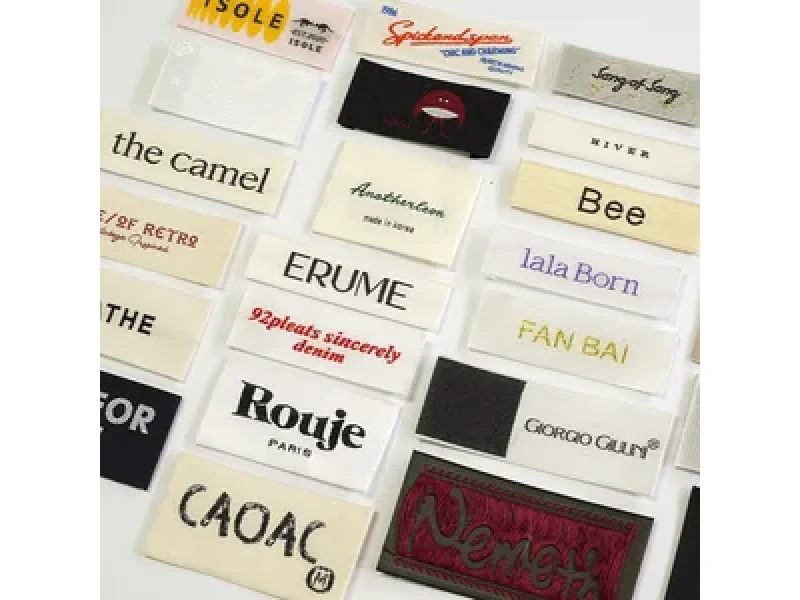
Iron on labels are adhesive-backed labels that can be easily applied to clothing and textiles using an iron, making them a popular choice for custom labelling needs. These labels offer flexibility in design and application, ensuring they fit seamlessly into small-batch production processes.Iron on labels provide a convenient solution for garment manufacturers looking to personalise their products without the need for complex machinery or lengthy setup times.
| Criterion | Best use | Check question | Quality expectation |
|---|---|---|---|
| this textile label | Brand, apparel, and accessory products. | Which information must appear on the product? | Clear, readable, and brand-consistent. |
| Woven label | Premium clothing, outerwear, and accessories. | Are thread detail and wash resistance strong? | Dense weave, clean edge, long life. |
| Printed label | Colour logos, care data, and fast production. | Are colours accurate and readable? | Sharp print, flexible base, stable colour. |
| Care / size label | Washing instructions, size, origin information. | Are symbols and languages clear? | High readability in a small space. |
| Hang tag / patch label | Retail display, collections, brand story. | Does material improve product perception? | Durable stock, clean cut, quality workmanship. |
the selected label type are made from a variety of materials such as polyester, nylon, or cotton fibres, each offering different durability levels for your garments.
The fold style can be single-fold, double-fold, or triple-fold to ensure the label stays in place after ironing. The edge finish options include round corners and straight edges, enhancing both appearance and longevity.
Small-Batch Practicality & UK Buyer Confidence
For small-batch orders, bespoke designs offer flexibility without compromising on quality control or turnaround times. At LabelGo, we provide digital proofs before finalising your order to ensure accuracy and meet UK buyer expectations for delivery clarity and product excellence.
We have a 7/24 support system in place with our London and Istanbul presence ensuring timely responses and efficient fulfilment of orders.
Our international shipping options cater specifically to the needs of UK clothing brand suppliers, offering reliable and fast delivery services tailored to your business requirements.
Customisation Options
Offering a range of customisation options ensures your labels perfectly match your brand identity. Choose from vibrant colours or subtle pastels; select your preferred font style and size for the most legible text.
Care Labelling and Fibre Information
Accurate care labelling is vital; choose a provider that details fibre content clearly to meet UK standards.Which Fabrics Work Best with Iron-On Labels?
Iron-on labels are versatile and can be applied to various fabrics, but some work better than others due to their heat sensitivity.Cotton fibres allow for easy application without damaging the fabric.
Polyester is also suitable as it withstands high temperatures well.
Delicate Fabrics
Delicate fabrics like silk and wool require more care, but iron-on labels can still be used if applied at lower heat settings to avoid damage.
Note: Always test the label on a small area first before full application to ensure no colour bleeding or shrinkage occurs.
Selecting the Right Material
The first step is choosing the right material. Polyester, nylon, or polypropylene fibres offer excellent heat resistance for iron on labelling without damaging fabrics like cottons and synthetics.
Durability Checks Before Production
Before committing to a large batch of labels, it’s crucial to conduct thorough durability checks under simulated washing conditions. This ensures the label remains intact after multiple washes and dry cycles.
Fabric Labelling Considerations
When labelling fabrics like denim or wool, consider the label’s flexibility to ensure it adheres well without causing any damage during sewing processes.
Fibre Selection for Diverse Textiles
Select fibres that are compatible with a wide range of textile types. For example, polyester is ideal as it can withstand high temperatures without melting or degrading the fabric quality.
Customisation Techniques in Label Making
To customise labels effectively, consider using digital printing techniques which allow for intricate designs and multiple colour options on a single label piece.
Durable Adhesives for Longevity
Invest in durable adhesives that can withstand repeated washing and handling without losing their stickiness over time, ensuring customer satisfaction long after the initial sale.
Labelling Compliance with Textile Programmes
If your labels need to comply with specific textile programmes or standards (like Oeko-Tex), ensure they meet all necessary requirements for safety and environmental impact before finalising designs.
Fabric Labelling Positioning Tips
Position the label correctly on fabrics, especially those that will be subjected to frequent washing. Place them away from areas prone to wear like seams or hems where repeated friction could cause damage over time.
Label Placement for Different Textiles
For different textile types such as silk or leather, consider the label’s placement carefully. Silk requires a more delicate approach compared to robust materials that can handle heavier labels without issue.
Notes for clearer production decisions
What Are Iron On Labels? should be reviewed through product use, brand presentation, and durability requirements. For Iron on Labels, the right choice depends on visual quality, wash resistance, contact with the garment, and how the label will perform during daily use.
The choice between woven labels, printed labels, care labels, size labels, and hang tags depends on material, readability, and product positioning. Before production, size, colour, base material, fold style, and sewing area should be confirmed.
Quality control should review text clarity, edge finish, colour consistency, and surface durability together. Sample approval reduces mistakes before full production and protects the brand presentation.
Lead time, quantity, product placement, and packaging needs should be written clearly. This helps the production team prepare the label for the right product group and use case.
Iron On Labels Compared with Sew-In, Woven and Printed Labels should be reviewed through product use, brand presentation, and durability requirements. For Iron on Labels, the right choice depends on visual quality, wash resistance, contact with the garment, and how the label will perform during daily use.
The choice between woven labels, printed labels, care labels, size labels, and hang tags depends on material, readability, and product positioning. Before production, size, colour, base material, fold style, and sewing area should be confirmed.
Quality control should review text clarity, edge finish, colour consistency, and surface durability together. Sample approval reduces mistakes before full production and protects the brand presentation.
Lead time, quantity, product placement, and packaging needs should be written clearly. This helps the production team prepare the label for the right product group and use case.
Which Fabrics Work Best with Iron-On Labels? should be reviewed through product use, brand presentation, and durability requirements. For Iron on Labels, the right choice depends on visual quality, wash resistance, contact with the garment, and how the label will perform during daily use.
The choice between woven labels, printed labels, care labels, size labels, and hang tags depends on material, readability, and product positioning. Before production, size, colour, base material, fold style, and sewing area should be confirmed.
Quality control should review text clarity, edge finish, colour consistency, and surface durability together. Sample approval reduces mistakes before full production and protects the brand presentation.
Lead time, quantity, product placement, and packaging needs should be written clearly. This helps the production team prepare the label for the right product group and use case.
Iron-On Label Comparison Table should be reviewed through product use, brand presentation, and durability requirements. For Iron on Labels, the right choice depends on visual quality, wash resistance, contact with the garment, and how the label will perform during daily use.
The choice between woven labels, printed labels, care labels, size labels, and hang tags depends on material, readability, and product positioning. Before production, size, colour, base material, fold style, and sewing area should be confirmed.
Quality control should review text clarity, edge finish, colour consistency, and surface durability together. Sample approval reduces mistakes before full production and protects the brand presentation.
Lead time, quantity, product placement, and packaging needs should be written clearly. This helps the production team prepare the label for the right product group and use case.
Materials, Adhesive Backing and Finish Options should be reviewed through product use, brand presentation, and durability requirements. For Iron on Labels, the right choice depends on visual quality, wash resistance, contact with the garment, and how the label will perform during daily use.
The choice between woven labels, printed labels, care labels, size labels, and hang tags depends on material, readability, and product positioning. Before production, size, colour, base material, fold style, and sewing area should be confirmed.
Quality control should review text clarity, edge finish, colour consistency, and surface durability together. Sample approval reduces mistakes before full production and protects the brand presentation.
Lead time, quantity, product placement, and packaging needs should be written clearly. This helps the production team prepare the label for the right product group and use case.
How the Iron-On Label Process Works should be reviewed through product use, brand presentation, and durability requirements. For Iron on Labels, the right choice depends on visual quality, wash resistance, contact with the garment, and how the label will perform during daily use.
The choice between woven labels, printed labels, care labels, size labels, and hang tags depends on material, readability, and product positioning. Before production, size, colour, base material, fold style, and sewing area should be confirmed.
Quality control should review text clarity, edge finish, colour consistency, and surface durability together. Sample approval reduces mistakes before full production and protects the brand presentation.
Lead time, quantity, product placement, and packaging needs should be written clearly. This helps the production team prepare the label for the right product group and use case.
Proofing, Heat Application and Quality Control should be reviewed through product use, brand presentation, and durability requirements. For Iron on Labels, the right choice depends on visual quality, wash resistance, contact with the garment, and how the label will perform during daily use.
The choice between woven labels, printed labels, care labels, size labels, and hang tags depends on material, readability, and product positioning. Before production, size, colour, base material, fold style, and sewing area should be confirmed.
Quality control should review text clarity, edge finish, colour consistency, and surface durability together. Sample approval reduces mistakes before full production and protects the brand presentation.
Lead time, quantity, product placement, and packaging needs should be written clearly. This helps the production team prepare the label for the right product group and use case.
How to Choose Iron-On Labels for a UK Clothing Brand should be reviewed through product use, brand presentation, and durability requirements. For Iron on Labels, the right choice depends on visual quality, wash resistance, contact with the garment, and how the label will perform during daily use.
The choice between woven labels, printed labels, care labels, size labels, and hang tags depends on material, readability, and product positioning. Before production, size, colour, base material, fold style, and sewing area should be confirmed.
Quality control should review text clarity, edge finish, colour consistency, and surface durability together. Sample approval reduces mistakes before full production and protects the brand presentation.
Lead time, quantity, product placement, and packaging needs should be written clearly. This helps the production team prepare the label for the right product group and use case.
Quantities, Delivery and Reorder Planning should be reviewed through product use, brand presentation, and durability requirements. For Iron on Labels, the right choice depends on visual quality, wash resistance, contact with the garment, and how the label will perform during daily use.
The choice between woven labels, printed labels, care labels, size labels, and hang tags depends on material, readability, and product positioning. Before production, size, colour, base material, fold style, and sewing area should be confirmed.
Quality control should review text clarity, edge finish, colour consistency, and surface durability together. Sample approval reduces mistakes before full production and protects the brand presentation.
Lead time, quantity, product placement, and packaging needs should be written clearly. This helps the production team prepare the label for the right product group and use case.
Common Mistakes Before Ordering Iron-On Labels should be reviewed through product use, brand presentation, and durability requirements. For Iron on Labels, the right choice depends on visual quality, wash resistance, contact with the garment, and how the label will perform during daily use.
The choice between woven labels, printed labels, care labels, size labels, and hang tags depends on material, readability, and product positioning. Before production, size, colour, base material, fold style, and sewing area should be confirmed.
Quality control should review text clarity, edge finish, colour consistency, and surface durability together. Sample approval reduces mistakes before full production and protects the brand presentation.
Lead time, quantity, product placement, and packaging needs should be written clearly. This helps the production team prepare the label for the right product group and use case.
When planning Iron on Labels, label type, product group, and expected service life should be reviewed together. This creates a better balance between brand presentation and technical durability.
The production file should include size, colour code, material, printing or weaving method, and delivery expectation. Clear information speeds up approval and reduces revision work.