
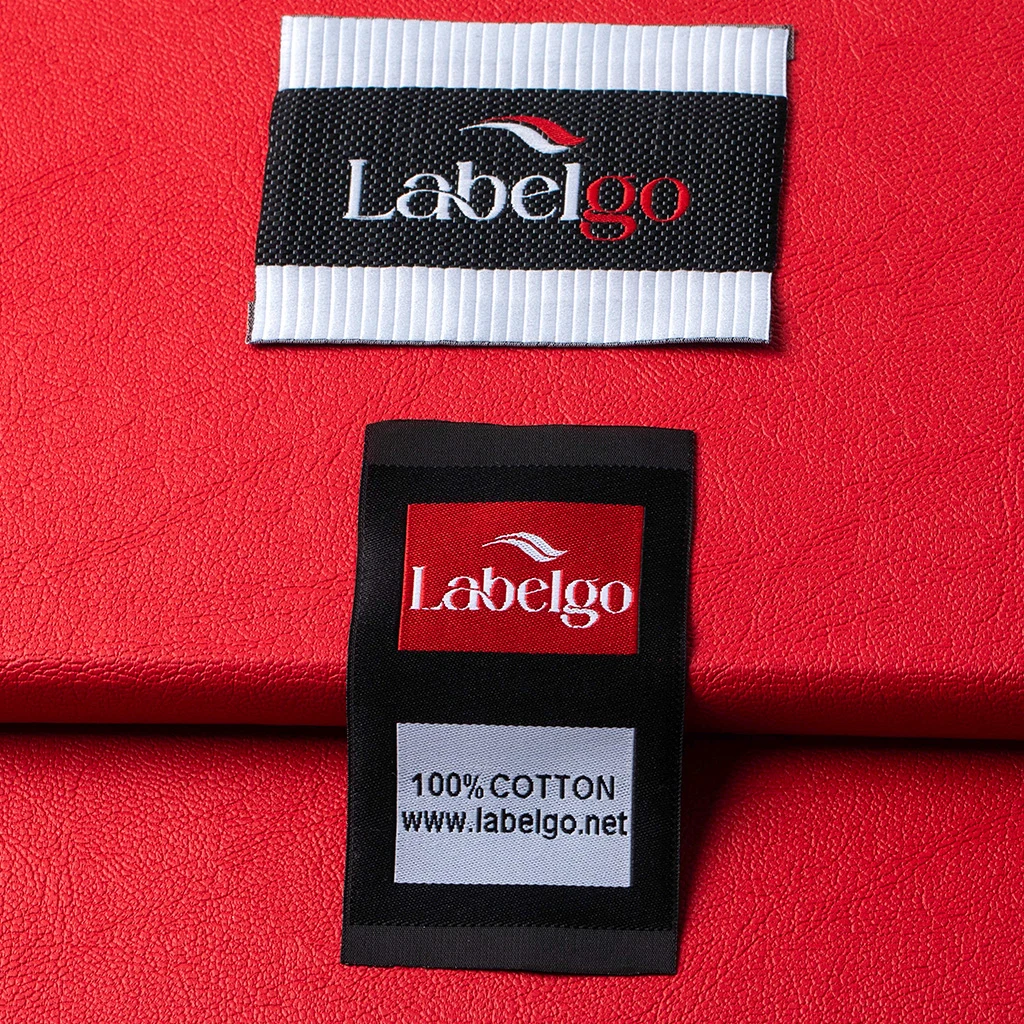
Upload your own logo or artwork, choose dimensions & materials, and review your live digital preview before ordering. (LabelGo label catalog).
Configure Your Label Online Now →Navigating legal regulations for custom woven labels adds another layer of complexity to their creation. Compliance with various standards and guidelines ensures that these labels are not just aesthetically pleasing but also legally sound. This includes adhering to specific requirements regarding size, placement, and content, which can vary significantly depending on the region or market.
For those looking to delve deeper into the world of custom woven labels, Custom Woven Labels offers a comprehensive exploration of this fascinating niche within the textile industry. From innovative material choices to cutting-edge weaving techniques and stringent quality control measures, these labels represent the pinnacle of bespoke design and manufacturing excellence.
Table of Contents
The Evolution of Label Design
In these branding options development, typography contrast, Pantone shade matching, and vector scalability are paramount. Ensuring maximum logo legibility on compact woven or printed grounds guarantees a polished garment finish.
Pre-production digital PDF proofing allows design teams to verify line weights and fold allowances before volume looms are commissioned.
Historical Context in British Fashion
In the rich tapestry of British fashion, custom garment tags have played a pivotal role since their inception. Historically, these labels were not merely functional but also served as status symbols and markers of quality. During the Victorian era, for instance, bespoke tailoring was at its zenith, and labels often bore intricate designs that signified craftsmanship and heritage. These early labels were hand-woven using traditional techniques, which required considerable skill and time.
The industrial revolution brought significant changes to the textile industry, including label manufacturing. Innovations in weaving machinery allowed for greater efficiency and consistency in production. This period saw the introduction of more durable materials like cotton and polyester, which could withstand repeated washing cycles without losing their integrity or colour. By the mid-20th century, bespoke labels had become an integral part of fashion branding, often featuring company logos and slogans that conveyed a sense of identity and authenticity.
Modern Innovations and Trends
The modern era has witnessed a resurgence in the importance of these labels as brands seek to differentiate themselves through unique design elements. Today’s technology enables designers to create highly detailed and intricate patterns, which can be seamlessly integrated into garments while maintaining their aesthetic appeal. The interactive online Custom Woven Labels configurator allows fashion brands to upload bespoke artwork and review real-time digital previews, ensuring that the final product aligns perfectly with their vision.
Innovations in sustainable practices have also influenced label design. Many contemporary labels are now made from eco-friendly materials such as organic cotton or recycled fibres, reflecting a growing consumer demand for environmentally responsible products. Additionally, advancements in printing technology have led to the development of water-based inks that reduce chemical waste and improve overall sustainability.
Moreover, these tailored trims continue to evolve with trends towards minimalism and understated elegance. Brands are increasingly opting for subtle yet distinctive designs that complement their aesthetic without overpowering it. This shift underscores a broader trend within the fashion industry towards authenticity and craftsmanship over mass-produced items. As such, these labels remain an essential component of high-quality garments, signifying both heritage and innovation in British fashion.
Material Selection for Durability and Aesthetics
In the realm of these branding options, material selection is paramount to ensuring both longevity and visual appeal. The right choice can significantly enhance a garment’s overall quality and perceived value. This section delves into the nuances of selecting high-quality fabrics and sustainable materials that meet these criteria.
The following table compares material, print or weave quality, use case, and production process for UK textile label manufacturing.
| Criterion | Best use | Check question | Quality expectation |
|---|---|---|---|
| Custom Woven Labels | Brand, apparel, and accessory products. | Which information must appear on the product? | Clear, readable, and brand-consistent. |
| Woven label | Premium clothing, outerwear, and accessories. | Are thread detail and wash resistance strong? | Dense weave, clean edge, long life. |
| Printed label | Colour logos, care data, and fast production. | Are colours accurate and readable? | Sharp print, flexible base, stable colour. |
| Care / size label | Washing instructions, size, origin information. | Are symbols and languages clear? | High readability in a small space. |
| Hang tag / patch label | Retail display, collections, brand story. | Does material improve product perception? | Durable stock, clean cut, quality workmanship. |
Choosing High-Quality Fabrics
The fabric used in custom garment tags must not only be aesthetically pleasing but also robust enough to withstand repeated use and washing cycles. Commonly, polyester is favoured for its durability and ability to maintain colour vibrancy over time. However, blends of cotton and synthetic fibres can offer a softer texture while still providing the necessary strength.
One critical consideration in fabric selection is how it performs under industrial laundry conditions. Sew-On woven labels, for instance, are designed to withstand temperatures ranging from 60°C to 90°C during washing and dry cleaning processes. This resilience ensures that the label remains intact and retains its aesthetic appeal even after multiple washes.
Sustainability in Material Choices
As sustainability becomes an increasingly important factor for consumers, it is essential for manufacturers of bespoke labels to consider eco-friendly materials. Organic cotton, recycled polyester, and Tencel are popular choices that offer both environmental benefits and high-quality performance.
The use of these sustainable fabrics not only aligns with corporate social responsibility goals but also appeals to a growing consumer base that prioritises ethical production practices. For instance, Custom Woven Labels made from recycled polyester can be an excellent choice for brands looking to reduce their environmental footprint without compromising on quality.
To further enhance the sustainability of custom woven labels, manufacturers should also consider the entire lifecycle of the product. This includes not only the raw materials but also the production process and disposal methods. By adopting a holistic approach to sustainability, companies can ensure that their products are both durable and environmentally responsible.
Precision in Weaving Techniques
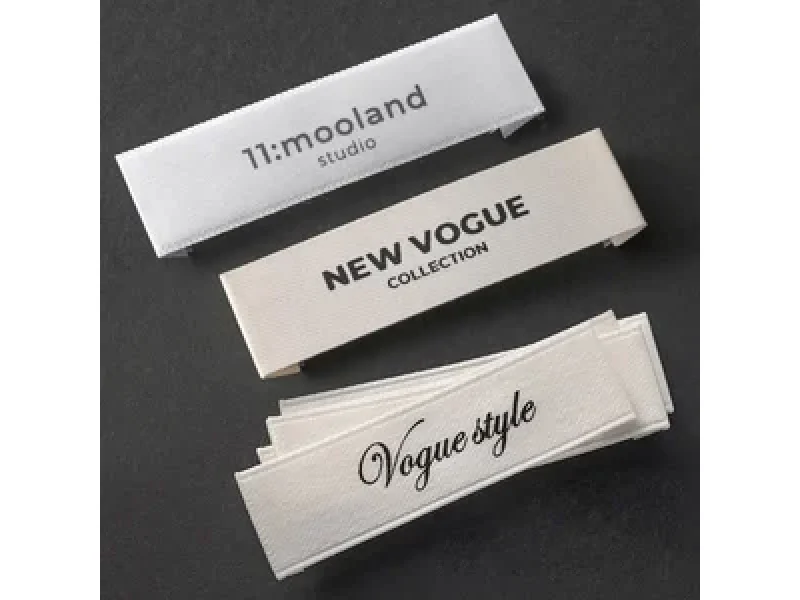
Advanced Woven Label Production Methods
The production of custom woven labels involves a series of highly technical steps, each contributing to the overall quality and durability of the finished product. The first step is the design phase where intricate patterns are meticulously planned out using computer-aided design (CAD) software. This ensures that every detail is captured accurately before it goes into production.
Once the design is finalised, the weaving process begins on state-of-the-art Jacquard looms. These machines can weave complex patterns with a high degree of precision and consistency, ensuring that each label meets the exact specifications required by the client. The use of these advanced techniques allows for the creation of labels that are not only visually appealing but also robust enough to withstand repeated washing and wear.
Customisation Options and Limitations
For instance, while intricate designs can be achieved, they often require more time and resources compared to simpler ones. Additionally, the choice of materials plays a crucial role in determining the final appearance and durability of the label. At Custom Woven Labels, we operate as a dedicated direct manufacturer rather than an online intermediary or print marketplace, ensuring that each order is handled with the utmost care and precision.
In conclusion, the precision in weaving techniques for custom woven labels is crucial for achieving high-quality results. By leveraging advanced production methods and understanding the nuances of design and material selection, manufacturers can deliver bespoke solutions that meet the specific needs of their clients. Whether it’s a subtle logo or an elaborate pattern, the right approach to weaving ensures that every detail is captured with precision and care.
Ensuring Consistency and Accuracy
In the realm of custom woven labels, consistency and accuracy are paramount to maintaining brand integrity and customer satisfaction. The production process for these labels is intricate, involving meticulous attention to detail at every stage. From thread selection to final inspection, each step must be rigorously controlled to ensure that the finished product meets the highest standards.
LabelGo operates as a dedicated direct manufacturer rather than an online intermediary or print marketplace, which allows us to maintain tight control over our production processes. This ensures that we can deliver custom woven labels that are not only aesthetically pleasing but also durable and reliable. By adhering to strict quality protocols, we guarantee that each label is precisely tailored to the client’s specifications, from colour accuracy to thread count.
Testing Standards and Procedures
The testing standards and procedures for custom woven labels are designed to ensure that every product meets industry benchmarks for durability and functionality. These tests include a range of evaluations such as tensile strength, colourfastness, and wear resistance. Each label undergoes rigorous scrutiny to confirm its quality before it is shipped out.
At LabelGo, we employ state-of-the-art testing equipment to evaluate our custom woven labels against stringent criteria. For instance, the tensile strength test ensures that the label can withstand the rigours of daily use without tearing or fraying. The colourfastness test guarantees that the vibrant hues remain intact even after repeated washes and exposure to sunlight. These tests are crucial in ensuring that our Custom Woven Labels uphold their quality over time, thereby enhancing brand loyalty and customer trust.
Navigating Legal Regulations for Woven Labels
In the intricate world of custom woven labels, compliance with legal regulations is paramount. This section delves into the specific requirements and standards that manufacturers must adhere to in order to ensure their products meet both UK and international benchmarks.
Compliance with UK Labelling Legislation
The UK has stringent labelling laws designed to protect consumers and maintain industry integrity. For custom woven labels, this means ensuring that all information provided is accurate and clearly visible. The Textiles Labelling Regulations 2015, for instance, mandate the inclusion of fibre content, care instructions, and country of origin on textile products.
To navigate these regulations effectively, manufacturers must stay informed about any updates or changes to the legislation. This involves regular monitoring of official government communications and industry bulletins. A comprehensive Pre-Production PDF proof detailing dimensions, thread shades, and seam allowances is submitted for client sign-off, ensuring that all legal requirements are met before production begins.
International Standards
Beyond UK regulations, custom woven labels must also comply with international standards to facilitate global trade. The International Organization for Standardization (ISO) provides a framework for quality management and environmental protection, which can be particularly relevant in the textile industry.
Adhering to ISO standards not only ensures that your products meet high-quality benchmarks but also enhances marketability across different regions. For example, ISO 9001:2015 focuses on quality management systems, while ISO 14001:2015 addresses environmental management. By aligning with these international standards, manufacturers can demonstrate their commitment to excellence and sustainability.
Moreover, understanding the specific regulations of target markets is crucial for exporting custom woven labels. This involves researching local laws and ensuring that all products comply with regional requirements. For instance, EU directives on textile labelling must be considered if you are selling into European markets.
Practical Considerations
The practical application of these regulations can sometimes pose challenges for manufacturers. Ensuring that custom woven labels meet both UK and international standards requires a thorough understanding of the relevant laws and guidelines.
To streamline compliance, many companies opt to work with legal experts or consultants who specialise in textile labelling legislation. This approach not only helps in identifying potential issues but also provides guidance on best practices for maintaining regulatory adherence.
Ultimately, navigating the complex landscape of legal regulations is essential for any business involved in custom woven labels. By staying informed and proactive, manufacturers can ensure their products are legally compliant while meeting the highest standards of quality and integrity.
Innovative Label Designs by Top Fashion Houses
The world of fashion is constantly evolving, and with it, the methods through which brands express their identity have grown more sophisticated. Custom woven labels are a prime example of this evolution, offering not only a practical solution for identifying products but also an opportunity to showcase innovative design elements. Leading fashion houses such as Burberry and Alexander McQueen have embraced these custom solutions, integrating intricate patterns and high-quality materials into their product lines.
These brands often work closely with textile manufacturers who specialise in bespoke designs. For instance, the iconic check pattern of Burberry is meticulously woven into labels that not only serve a functional purpose but also reinforce the brand’s heritage and exclusivity. The interactive online Label Configurator allows fashion brands to upload bespoke artwork and review real-time digital previews, ensuring that every detail aligns with their vision.
Customer Testimonials
The success of custom woven labels is not just about aesthetics; it’s also about the tangible benefits they bring. Fashion retailers have reported significant improvements in brand recognition and customer loyalty since incorporating these bespoke elements into their products. A testimonial from a leading luxury fashion house highlighted that these tailored trims have contributed to an increase in perceived value among consumers, with customers often commenting on the attention to detail.
Moreover, these labels are not just limited to high-end brands; they are increasingly being adopted by mid-range and even some budget-conscious retailers. These brands appreciate the durability and longevity of woven labels over printed alternatives, which can fade or peel over time. The feedback from customers has been overwhelmingly positive, with many noting that the quality of the label is a reflection of the overall quality of the product.
Selecting the right Custom Woven Labels involves evaluating fabric composition, wash frequency, skin-contact softness, and overall brand positioning. High-density labels provide a premium look for primary brand logos. Confirming fold style and seam margins prior to production ensures flawless bulk manufacturing.
For comprehensive technical insights on textile fibre structures, OEKO-TEX Standard 100 safety, and international labelling compliance, you can review Wikipedia Textile Labelling Standards and Industry Search on Google UK.
6 Essential Tips & Standards for Custom Woven Labels
When selecting and manufacturing Custom Woven Labels, these 6 essential quality standards, material choices, edge sealing techniques, and compliance rules dictate long-term durability and brand value:
1. Substrate Material Selection for Garment Labels
During precision production and quality assurance, high-density Damask weave provides superior graphic detail and ultra-soft feel for Custom Woven Labels. Selecting 100-denier micro-polyester yarn guarantees crisp lettering and smooth logo reproduction across all garment tags.
2. Ultrasonic Heat-Sealed Edges (Zero Fraying)
As an essential technical consideration, ultrasonic smooth heat-sealed edges prevent neck irritation and skin scratchiness completely. Thermal edge fusion micro-seals loose warp threads without hard corners.
3. Label Folding Options: centre Fold, End Fold, and Loop
During precision production and quality assurance, selecting the correct fold style depends on seam placement, garment construction, and brand aesthetic. Centre Fold is ideal for necklines and side seams with dual-sided logo visibility.
4. Colourfastness and 60°C Industrial Wash Durability
In high-end garment collection standards, iSO 105 colourfast polyester yarns withstand 60°C industrial wash cycles without colour bleeding or fading. Solution-dyed yarns retain vibrant colour saturation.
5. Pantone Matching Standards for Crisp Graphic Production
According to British textile industry best practices, vector files (.AI or.PDF) with minimum 0.15mm line thickness guarantee razor-sharp weaving detail on Jacquard looms. Fonts under 3pt should be enlarged to maintain legibility.
6. OEKO-TEX Standard 100 Certification & Safety
As an essential technical consideration, oEKO-TEX Standard 100 Class 1 certified yarns guarantee zero harmful substances for infant and children apparel. European fashion buyers consider this a mandatory standard.
Conclusion
In the ever-evolving landscape of fashion and textiles, custom woven labels stand as a testament to craftsmanship and authenticity. As we move towards a more sustainable future, these bespoke labels offer not just a nod to tradition but also an opportunity for innovation. The integration of smart RFID technology can enhance traceability and consumer engagement, aligning perfectly with the growing demand for transparency in manufacturing processes.
Looking ahead, the longevity of a brand is increasingly tied to its commitment to sustainability and ethical practices. Custom woven labels provide a tangible link between heritage and progress, allowing brands to tell their story authentically while embracing new technologies. As consumers become more discerning about where their clothes come from, these labels can serve as a bridge between the past and future of fashion.
Ultimately, custom woven labels are not just an accessory; they are a statement. They embody the values of quality, craftsmanship, and sustainability that resonate deeply with today’s conscious consumers. By choosing to invest in bespoke labelling solutions, brands can forge lasting connections with their audience, ensuring their legacy endures for generations to come.
🔗 Related LabelGo Garment Branding Resources
Explore these related product guides and manufacturing pages to plan a cohesive apparel branding package:
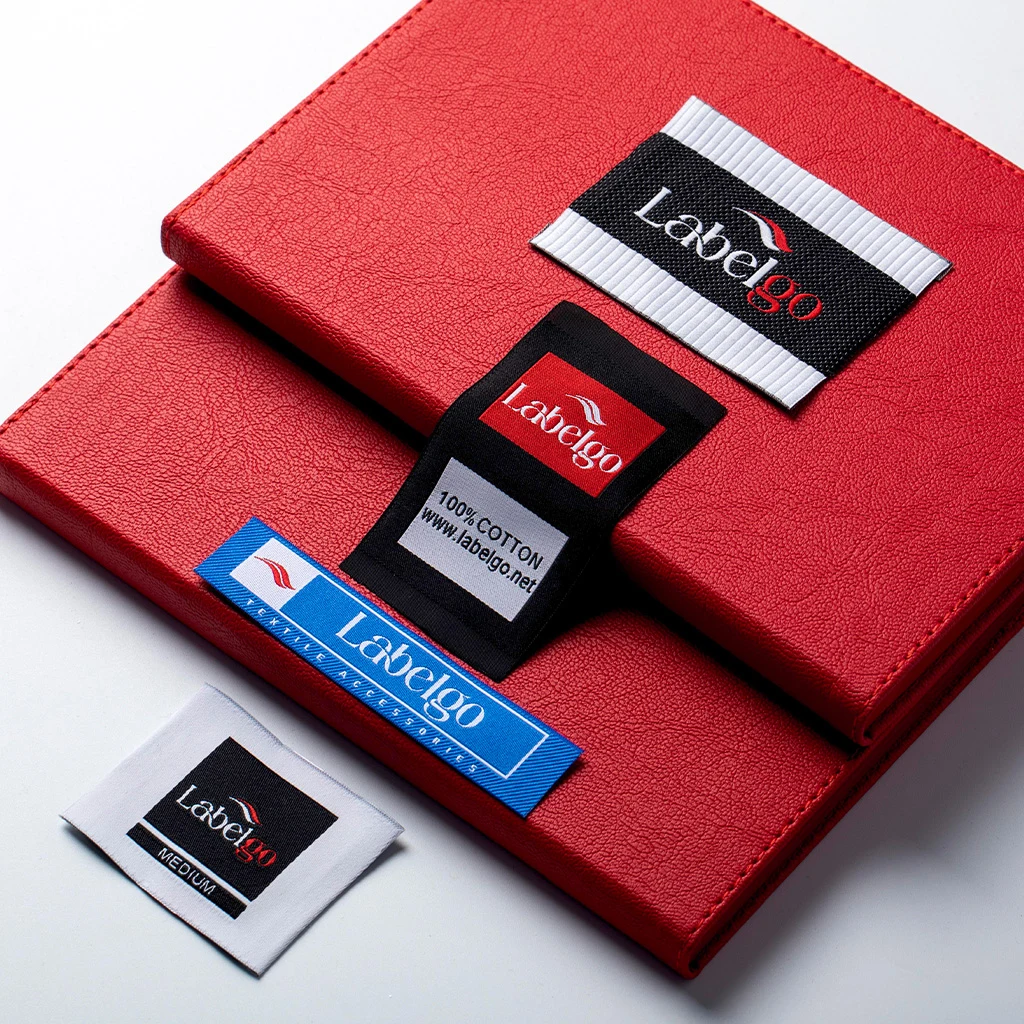
About LabelGo: Direct Factory Solutions for Global Fashion Brands
Fusing traditional Jacquard craftsmanship with modern digital convenience, LabelGo brings over 3 decades of textile manufacturing excellence directly to your design studio. Our intuitive online configurator allows apparel creators to customize dimensions, fold styles, and Pantone TCX thread codes with ease. Whether producing Custom Woven Labels or full garment trim packages, high-speed automated weaving looms and precision thermal transfer lines reproduce micro-fine lettering and complex vector graphics with razor-sharp fidelity.
Hypoallergenic and environmentally responsible, our raw fibers undergo comprehensive toxicological screening to meet international safety and environmental directives. Ultra-smooth ultrasonic heat cutting seals every edge without abrasive burrs, ensuring optimal drape and next-to-skin comfort. Backed by accessible 250-piece low MOQ tiers, fashion founders enjoy global 5–7 business day expedited shipping and responsive guidance from seasoned label specialists.