
Islington Sew in Labels should be planned as a UK textile label manufacturing choice by matching garment type, material, fold style, wash resistance, print or weave quality, and brand identity.
This guide covers woven labels, printed labels, care labels, hang tags, size labels, made-in labels, and patch labels for UK-focused decisions.
What Are Islington Sew In Labels?
Islington sew in labels are a type of textile label that are attached directly into the garment during production, providing essential information such as care instructions and material composition. These labels offer a professional finish to clothing items.Sew in labels from LabelGo provide bespoke options for UK brands looking to enhance their product with customised labelling solutions.
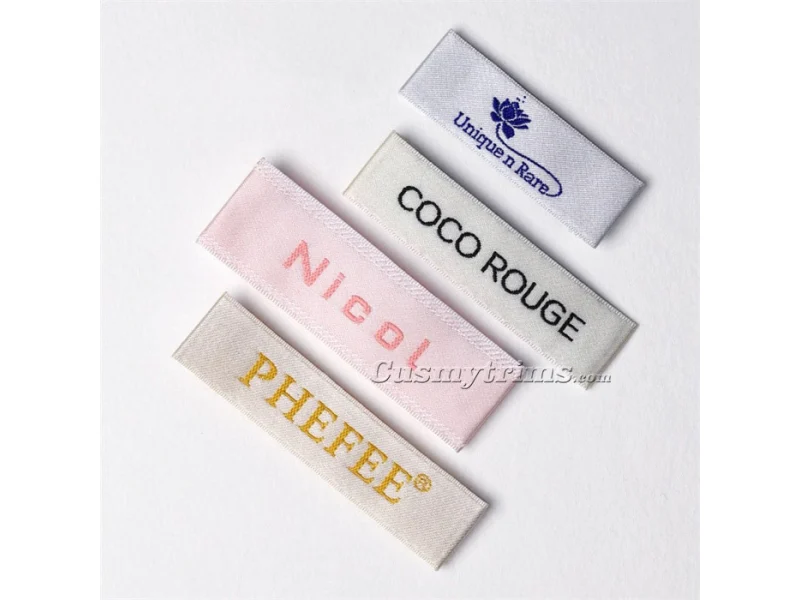
Islington-focused Sew-in Labels:
Our bespoke service caters to small-batch orders for UK clothing brands. We offer proofing before production, clear delivery expectations, and quality control checks to ensure the highest standards are met. Fibre content is clearly labelled on each garment.
We pride ourselves on delivering customised labels that enhance your brand’s appearance while providing essential care labelling information. Our small-batch practicality ensures quick turnaround times for UK buyers.
Customisation Options
Islington sew-in labels can be customised with your brand’s logo and text to ensure a professional finish. Colours are carefully chosen to match your branding, enhancing the overall appearance of each garment. The edge finishes offer protection against fraying, ensuring that the label remains intact even after repeated washing cycles. This attention to detail is crucial for maintaining both the aesthetic appeal and longevity of your products.How the Custom Label Process Works
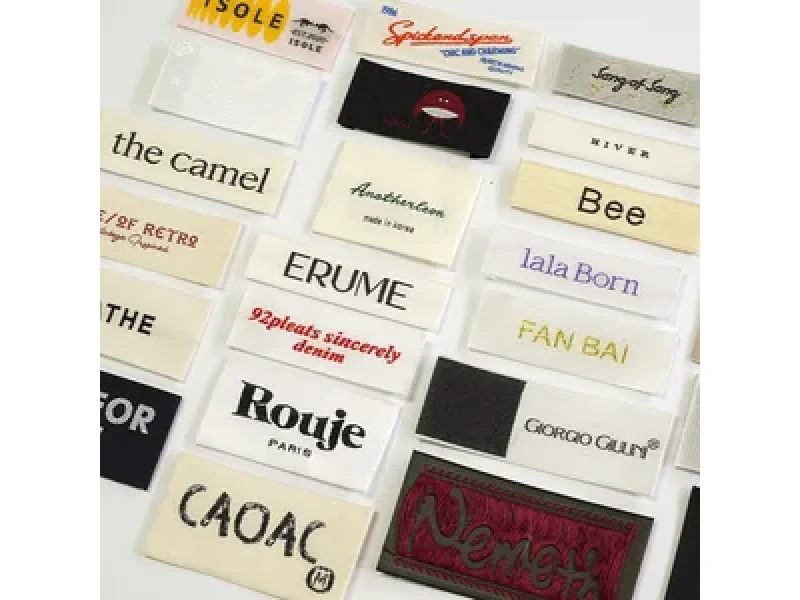
Bespoke sew in labels start with a design upload or brief, followed by a quote and digital proof approval to ensure accuracy before production.
The customised label process then moves through quality control checks, packaging for shipping, and delivery within expected timeframes. Artwork proofs are crucial for UK buyers’ confidence, ensuring the final product matches their vision perfectly.
Delivery Clarity
With small-batch practicality, LabelGo offers clear turnaround times and UK delivery options that meet local buyer expectations.
Fibre Content & Care Labelling:
- LabelGo provides detailed fibre content information to help with care labelling for your garments or textiles.
Customisation Process
The custom label process begins with a detailed design upload where clients can specify their requirements or provide a brief for analysis and customisation. Artwork proofs are then sent to ensure the final product matches exactly what was envisioned. This step is crucial, especially in Islington, ensuring perfect labelling every time. Quality control checks follow, scrutinising each label before packaging and dispatch to guarantee top-notch production standards.How to Choose the Right Label for a UK Clothing Brand
The following table compares material, print or weave quality, use case, and production process for UK textile label manufacturing.
| Criterion | Best use | Check question | Quality expectation |
|---|---|---|---|
| Islington Sew in Labels | Brand, apparel, and accessory products. | Which information must appear on the product? | Clear, readable, and brand-consistent. |
| Woven label | Premium clothing, outerwear, and accessories. | Are thread detail and wash resistance strong? | Dense weave, clean edge, long life. |
| Printed label | Colour logos, care data, and fast production. | Are colours accurate and readable? | Sharp print, flexible base, stable colour. |
| Care / size label | Washing instructions, size, origin information. | Are symbols and languages clear? | High readability in a small space. |
| Hang tag / patch label | Retail display, collections, brand story. | Does material improve product perception? | Durable stock, clean cut, quality workmanship. |
Choose labels with clear care labelling and fibre content information for customer trust.
Bespoke options allow you to customise each label according to brand identity needs.
Delivery Clarity Matters
Premium fashion brands require quick turnaround times, so choose a provider offering 24/7 support.
Quality control before shipping ensures your labels meet high standards for UK buyers.
Small-batch orders are ideal for custom clothing labels in Islington and the wider market.
| Label Type | Description |
|---|---|
| Woven Labels | Eco-friendly, durable options for long-lasting branding. |
| Printed Fabric Labels | Versatile and cost-effective with vibrant colours. |
Fibre content details are crucial; ensure your labels accurately reflect the fabric used in garments.
Select a provider known for 30+ years of experience, like LabelGo, offering both London and Istanbul presence.
Islington Sew in Labels
Sew-in labels are ideal for Islington-based brands needing discreet branding that withstands washing cycles. They’re perfect for customised garments, ensuring your brand identity remains intact through wear and tear. For vibrant colour options and quick turnaround times, printed fabric labels offer a versatile solution suitable for various clothing types in the UK market. Choose wisely to enhance customer trust with accurate fibre content information on every label.For deeper UK-focused comparison, you can review Islington Sew in Labels Wikipedia and Islington Sew in Labels Google UK.
Islington Sew in Labels – Understanding Your Options
Sew-in labels are a practical choice for clothing and textiles due to their durability and ease of application. Islington sew in labels, specifically designed for the UK market, offer high-quality solutions that can be customised according to your needs.
Choosing the Right Material – Fibres Matter
Selecting the right material is crucial when ordering Islington sew in labels. Common fibres include cotton and polyester blends, which are both durable yet soft against skin. Cotton provides a natural feel but may shrink over time; polyester offers better durability.
Testing Durability – A Must for Quality Assurance
To ensure your Islington sew in labels will stand the test of washing and wear, conduct thorough testing before mass production begins. This includes checking how well they adhere to different fabrics under various conditions.
Analysing Artwork Proof – Before You Commit
Before finalising any artwork for your Islington sew in label, request a proof copy first. Carefully analyse the colours and design elements to ensure everything meets your expectations before going into full production.
Customisation Options – Tailoring Your Label
Your Islington sew in labels can be customised with various options such as different fonts, sizes, or even additional information like care instructions. This allows you to create a unique identity for each product line while maintaining consistency across your brand.
Finishing Touches – Adding the Final Layer
Add finishing touches to enhance the overall appearance and functionality of your Islington sew in labels. Options include heat sealing, embroidery, or adding a small tag for extra detail.
The Production Workflow – Streamlining Your Process
A streamlined production workflow is essential when ordering the production choice. Start by creating an accurate catalogue of all required label designs and quantities.
Then work closely with your supplier to ensure each step, from artwork proofing through final quality checks, runs smoothly.
Material Choice – Durability vs Comfort
The choice between cotton or polyester fibres for this textile label depends on whether durability or comfort is more important to you. Cotton offers a softer feel but may require additional care, while polyester provides better longevity and resistance to wear.
Analysing Artwork Proof – A Critical Step
Carefully analyse each proof copy provided by the supplier before approving final designs for a garment label option. Pay attention to colour accuracy and layout, ensuring all details are correct before moving forward with production.
Customisation Options – Personalising Your Labels
Leverage customisation options available from your supplier when ordering the production choice. This could include varying font styles or adding specific text like care instructions to make each label unique and informative for customers.
The Production Workflow – Efficiency is Key
Efficiency in the production workflow for this textile label involves close collaboration between you and your supplier from initial design through final quality control checks. This ensures a smooth process that meets all deadlines while maintaining high standards of workmanship.
Notes for clearer production decisions
What Are Islington Sew In Labels? should be reviewed through product use, brand presentation, and durability requirements. For Islington Sew in Labels, the right choice depends on visual quality, wash resistance, contact with the garment, and how the label will perform during daily use.
The choice between woven labels, printed labels, care labels, size labels, and hang tags depends on material, readability, and product positioning. Before production, size, colour, base material, fold style, and sewing area should be confirmed.
Quality control should review text clarity, edge finish, colour consistency, and surface durability together. Sample approval reduces mistakes before full production and protects the brand presentation.
Lead time, quantity, product placement, and packaging needs should be written clearly. This helps the production team prepare the label for the right product group and use case.
When planning Islington Sew in Labels, label type, product group, and expected service life should be reviewed together. This creates a better balance between brand presentation and technical durability.
The production file should include size, colour code, material, printing or weaving method, and delivery expectation. Clear information speeds up approval and reduces revision work.
Notes for clearer production decisions
What Are Islington Sew In Labels? should be reviewed through product use, brand presentation, and durability requirements. For Islington Sew in Labels, the right choice depends on visual quality, wash resistance, contact with the garment, and how the label will perform during daily use.
The choice between woven labels, printed labels, care labels, size labels, and hang tags depends on material, readability, and product positioning. Before production, size, colour, base material, fold style, and sewing area should be confirmed.
Quality control should review text clarity, edge finish, colour consistency, and surface durability together. Sample approval reduces mistakes before full production and protects the brand presentation.
Lead time, quantity, product placement, and packaging needs should be written clearly. This helps the production team prepare the label for the right product group and use case.
What Are Custom Clothing Labels? should be reviewed through product use, brand presentation, and durability requirements. For Islington Sew in Labels, the right choice depends on visual quality, wash resistance, contact with the garment, and how the label will perform during daily use.
The choice between woven labels, printed labels, care labels, size labels, and hang tags depends on material, readability, and product positioning. Before production, size, colour, base material, fold style, and sewing area should be confirmed.
Quality control should review text clarity, edge finish, colour consistency, and surface durability together. Sample approval reduces mistakes before full production and protects the brand presentation.
Lead time, quantity, product placement, and packaging needs should be written clearly. This helps the production team prepare the label for the right product group and use case.
Custom Clothing Label Types Compared should be reviewed through product use, brand presentation, and durability requirements. For Islington Sew in Labels, the right choice depends on visual quality, wash resistance, contact with the garment, and how the label will perform during daily use.
The choice between woven labels, printed labels, care labels, size labels, and hang tags depends on material, readability, and product positioning. Before production, size, colour, base material, fold style, and sewing area should be confirmed.
Quality control should review text clarity, edge finish, colour consistency, and surface durability together. Sample approval reduces mistakes before full production and protects the brand presentation.
Lead time, quantity, product placement, and packaging needs should be written clearly. This helps the production team prepare the label for the right product group and use case.
Textile Label Comparison Table should be reviewed through product use, brand presentation, and durability requirements. For Islington Sew in Labels, the right choice depends on visual quality, wash resistance, contact with the garment, and how the label will perform during daily use.
The choice between woven labels, printed labels, care labels, size labels, and hang tags depends on material, readability, and product positioning. Before production, size, colour, base material, fold style, and sewing area should be confirmed.
Quality control should review text clarity, edge finish, colour consistency, and surface durability together. Sample approval reduces mistakes before full production and protects the brand presentation.
Lead time, quantity, product placement, and packaging needs should be written clearly. This helps the production team prepare the label for the right product group and use case.
Materials, Folds, Finishes and Design Options should be reviewed through product use, brand presentation, and durability requirements. For Islington Sew in Labels, the right choice depends on visual quality, wash resistance, contact with the garment, and how the label will perform during daily use.
The choice between woven labels, printed labels, care labels, size labels, and hang tags depends on material, readability, and product positioning. Before production, size, colour, base material, fold style, and sewing area should be confirmed.
Quality control should review text clarity, edge finish, colour consistency, and surface durability together. Sample approval reduces mistakes before full production and protects the brand presentation.
Lead time, quantity, product placement, and packaging needs should be written clearly. This helps the production team prepare the label for the right product group and use case.
How the Custom Label Process Works should be reviewed through product use, brand presentation, and durability requirements. For Islington Sew in Labels, the right choice depends on visual quality, wash resistance, contact with the garment, and how the label will perform during daily use.
The choice between woven labels, printed labels, care labels, size labels, and hang tags depends on material, readability, and product positioning. Before production, size, colour, base material, fold style, and sewing area should be confirmed.
Quality control should review text clarity, edge finish, colour consistency, and surface durability together. Sample approval reduces mistakes before full production and protects the brand presentation.
Lead time, quantity, product placement, and packaging needs should be written clearly. This helps the production team prepare the label for the right product group and use case.
How to Choose the Right Label for a UK Clothing Brand should be reviewed through product use, brand presentation, and durability requirements. For Islington Sew in Labels, the right choice depends on visual quality, wash resistance, contact with the garment, and how the label will perform during daily use.
The choice between woven labels, printed labels, care labels, size labels, and hang tags depends on material, readability, and product positioning. Before production, size, colour, base material, fold style, and sewing area should be confirmed.
Quality control should review text clarity, edge finish, colour consistency, and surface durability together. Sample approval reduces mistakes before full production and protects the brand presentation.
Lead time, quantity, product placement, and packaging needs should be written clearly. This helps the production team prepare the label for the right product group and use case.
Frequently Asked Questions should be reviewed through product use, brand presentation, and durability requirements. For Islington Sew in Labels, the right choice depends on visual quality, wash resistance, contact with the garment, and how the label will perform during daily use.
The choice between woven labels, printed labels, care labels, size labels, and hang tags depends on material, readability, and product positioning. Before production, size, colour, base material, fold style, and sewing area should be confirmed.
Quality control should review text clarity, edge finish, colour consistency, and surface durability together. Sample approval reduces mistakes before full production and protects the brand presentation.
Lead time, quantity, product placement, and packaging needs should be written clearly. This helps the production team prepare the label for the right product group and use case.
How to Choose the Right Textile Label for UK Apparel and Fashion Products should be reviewed through product use, brand presentation, and durability requirements. For Islington Sew in Labels, the right choice depends on visual quality, wash resistance, contact with the garment, and how the label will perform during daily use.
The choice between woven labels, printed labels, care labels, size labels, and hang tags depends on material, readability, and product positioning. Before production, size, colour, base material, fold style, and sewing area should be confirmed.
Quality control should review text clarity, edge finish, colour consistency, and surface durability together. Sample approval reduces mistakes before full production and protects the brand presentation.
Lead time, quantity, product placement, and packaging needs should be written clearly. This helps the production team prepare the label for the right product group and use case.
Materials, Fold Styles, and Design Options for Islington Sew In Labels should be reviewed through product use, brand presentation, and durability requirements. For Islington Sew in Labels, the right choice depends on visual quality, wash resistance, contact with the garment, and how the label will perform during daily use.
The choice between woven labels, printed labels, care labels, size labels, and hang tags depends on material, readability, and product positioning. Before production, size, colour, base material, fold style, and sewing area should be confirmed.
Quality control should review text clarity, edge finish, colour consistency, and surface durability together. Sample approval reduces mistakes before full production and protects the brand presentation.
Lead time, quantity, product placement, and packaging needs should be written clearly. This helps the production team prepare the label for the right product group and use case.
When planning Islington Sew in Labels, label type, product group, and expected service life should be reviewed together. This creates a better balance between brand presentation and technical durability.
The production file should include size, colour code, material, printing or weaving method, and delivery expectation. Clear information speeds up approval and reduces revision work.