
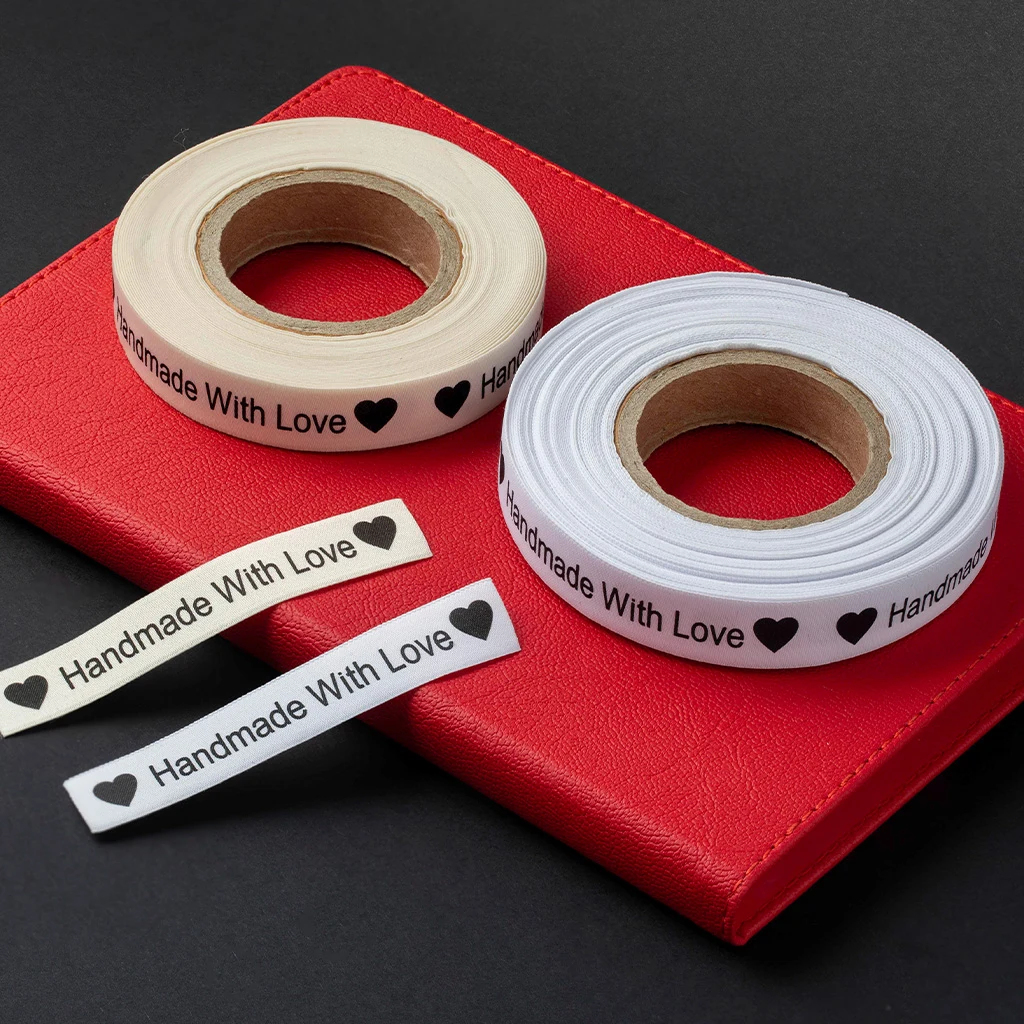
The design phase for bespoke label creation is where creativity meets practicality. Understanding Bespoke Label Design involves considering how each element—from colour schemes to font choices—contributes to a cohesive brand image. This process requires meticulous attention to detail, ensuring that every aspect of the label aligns with the overall aesthetic and messaging of the product it represents.
Upload your own logo or artwork, choose dimensions & materials, and review your live digital preview before ordering. (LabelGo label catalog).
Configure Your Label Online Now →Material selection for custom size labels is another crucial step that balances durability with aesthetics. From natural fibres like cotton and silk to synthetic options such as polyester and nylon, each material offers unique properties that can enhance both the longevity and visual appeal of the label. For instance, a garment destined for frequent washing might benefit from a more robust synthetic fibre, while a luxury item could opt for the elegance of silk.
Compliance requirements are an essential consideration in the production of custom size labels. Adhering to international standards and regulations ensures that your product meets safety and quality benchmarks. This includes everything from fabric content declarations to care instructions, which must be accurately represented on each label. Failure to comply can result in legal repercussions and damage to a brand’s reputation.
The production techniques used for high-quality labels are as varied as the materials themselves. From screen printing to heat transfer methods, each technique has its advantages and is chosen based on the specific requirements of the project. For example, screen printing offers vibrant colours and durability but may be more time-consuming compared to faster heat transfer processes.
Quality control measures are the final safeguard in ensuring that every custom size label meets the highest standards before it reaches the consumer. This involves rigorous testing for colourfastness, adhesion strength, and overall durability. By implementing stringent quality checks at each stage of production, manufacturers can guarantee that their labels not only look good but also stand up to repeated use.
Incorporating custom size labels into your product line is more than just an accessory; it’s a statement of brand identity and commitment to excellence. From the initial design phase through material selection, compliance adherence, production techniques, and quality control measures, every step contributes to creating a label that enhances both the functionality and aesthetic appeal of your products. For those looking for specific applications like Wash Care Labels, these considerations are even more critical in ensuring customer satisfaction and brand loyalty.
Table of Contents
Understanding Bespoke Label Design
Design Principles for Effective Labels
Clarity and Legibility: One of the most fundamental aspects of a well-designed label is its clarity. The text must be legible from a reasonable distance, ensuring that consumers can easily read all necessary information such as care instructions or product details. This requires careful consideration of font size, style, and contrast against the backgro.
Material and Durability: Labels are often exposed to various environmental conditions, including washing and wear. Therefore, selecting materials that withstand these elements is crucial. High-quality adhesives and durable fabrics ensure that your labels remain intact throughout a product’s lifecycle. For example, using waterproof or tear-resistant materials can significantly enhance the longevity of these branding options.
Incorporating Brand Identity in Custom Sizes
Consistency: Consistent branding across all products is essential for building brand recognition and trust. This means that your custom garment tags should reflect the same design elements, such as colour schemes, logos, and typography, seen on other branded materials like packaging or marketing collateral.
The interactive online Label Configurator allows fashion brands to upload bespoke artwork and review real-time digital previews. This tool ensures that every label aligns with your brand’s visual identity while providing the flexibility needed for custom sizes.
Customisation: bespoke labels offer a unique opportunity to personalise each product, making it stand out on the market. For instance, incorporating subtle design elements like embossed logos or holographic finishes can enhance the perceived value of your products and create a more memorable brand experience for consumers.
Moreover, customisation extends beyond just visual aesthetics; it also includes practical considerations such as size and shape. Labels should be designed to fit seamlessly into the product without compromising its overall appearance. For example, smaller labels might be necessary for delicate fabrics or intricate designs where bulkier labels could detract from the aesthetic.
For those interested in specific types of customisation, our Wash Care Labels offer a tailored solution to ensure your products are cared for correctly. These labels not only provide essential care instructions but also reinforce brand identity with consistent design elements.
Material Selection for Durability and Aesthetics
Choosing the right material is crucial when it comes to custom size labels, as it not only affects their durability but also their overall appearance. The textile industry has seen a wide range of materials used in label production, each with its own set of advantages and disadvantages. In this section, we will delve into the key considerations for selecting the most appropriate material for your custom size labels.Choosing the Right Fabric
Fabric selection is one of the most critical decisions when it comes to label production. The fabric must be able to withstand various conditions and treatments that a garment might undergo, from washing and drying to ironing and dry cleaning. For instance, Wash Care Labels are designed specifically with these factors in mind.
The following table compares material, print or weave quality, use case, and production process for UK textile label manufacturing.
| Criterion | Best use | Check question | Quality expectation |
|---|---|---|---|
| Custom Size Labels | Brand, apparel, and accessory products. | Which information must appear on the product? | Clear, readable, and brand-consistent. |
| Woven label | Premium clothing, outerwear, and accessories. | Are thread detail and wash resistance strong? | Dense weave, clean edge, long life. |
| Printed label | Colour logos, care data, and fast production. | Are colours accurate and readable? | Sharp print, flexible base, stable colour. |
| Care / size label | Washing instructions, size, origin information. | Are symbols and languages clear? | High readability in a small space. |
| Hang tag / patch label | Retail display, collections, brand story. | Does material improve product perception? | Durable stock, clean cut, quality workmanship. |
One of the most commonly used materials for these labels is woven fabric due to its durability and ability to maintain clarity over time. Woven labels can be made from a variety of fibres, including cotton, polyester, or blends thereof. Cotton offers a natural look and feel but may not be as durable under harsh conditions compared to synthetic options like polyester.
Another popular choice is non-woven fabric, which is created through the binding of fibres using heat, chemicals, or mechanical processes. Non-woven labels are often more cost-effective than woven ones and can provide a smooth, flat surface that is ideal for printing detailed information. However, they may not be as robust when it comes to repeated washing and drying cycles.
Impact of Material on Label Longevity
The longevity of custom size labels is significantly influenced by the material chosen. For example, Sew-On woven labels withstand 60°C to 90°C industrial laundry, dry cleaning, and heavy steam pressing. This makes them a popular choice for high-quality garments that require frequent washing or professional care.
When selecting materials for custom size labels, it is essential to consider the expected lifespan of the garment. For items intended for daily use, such as t-shirts or jeans, a more durable material like polyester may be preferable. On the other hand, luxury items like tailored suits might benefit from the natural look and feel of cotton, even if they require more careful handling.
Additionally, the environmental impact of materials should not be overlooked. Sustainable options like organic cotton or recycled fibres are becoming increasingly popular in the fashion industry. These materials offer a balance between durability and eco-friendliness, making them an attractive choice for brands committed to sustainability.
In conclusion, selecting the right material for custom size labels is a multifaceted decision that involves balancing aesthetics with practical considerations such as durability and environmental impact. By carefully choosing the appropriate fabric, you can ensure that your labels not only look great but also stand up to repeated use and care.Compliance Requirements for Custom Labels
Navigating the complex landscape of UK labelling legislation is crucial for any business dealing with custom size labels. Ensuring that your products meet regulatory requirements not only avoids legal pitfalls but also builds consumer trust and brand integrity.Navigating UK Labelling Legislation
To comply with these regulations, businesses need to ensure that the information provided is legible and not misleading. The label should include the composition of each component part of a textile product if it exceeds 5% by weight. This requirement extends to custom size labels as well, where precise measurements and sizing guidelines must be clearly stated.
Ensuring Regulatory Compliance
To ensure compliance with UK labelling legislation, businesses should adopt best practices in label design and production. For instance, Care labels comply with international ISO 3758 labelling regulations and British garment standards, ensuring that the information provided is consistent and reliable across all products.
Businesses can also benefit from using specialised services like those offered by Wash Care Labels. These services provide expert guidance on creating labels that meet both UK and international standards, thereby reducing the risk of non-compliance.
Moreover, regular audits and reviews of labelling practices can help identify any gaps or areas for improvement. By staying informed about updates to legislation and industry best practices, businesses can maintain compliance and uphold their reputation for quality and transparency.
Practical Considerations for Custom Size Labels
When designing custom size labels, it is essential to consider the practical aspects that affect both production and consumer use. The label should be durable enough to withstand multiple washes without fading or peeling off. This durability ensures that the information remains legible throughout the product’s lifecycle.
In addition to durability, readability is another critical factor. Custom size labels must be clear and easy to understand, with font sizes and colours chosen for maximum visibility. The use of contrasting colours can enhance readability, making it easier for consumers to find and interpret the necessary information quickly.
By adhering to these guidelines and best practices, businesses can ensure that their custom size labels not only comply with UK regulations but also provide value to consumers through clear and accurate product information.Production Techniques for High-Quality Labels
Moving on from the previous discussion, let’s delve into the intricacies of producing high-quality custom size labels that meet the stringent demands of today’s fashion and textile industry.
Advanced Printing Methods
The production of custom size labels involves a range of advanced printing methods designed to ensure durability and clarity. Digital printing has become increasingly popular due to its ability to produce vibrant colours with high resolution, making it ideal for detailed designs. This method is particularly useful when producing small batches or unique designs that require precision.
Another significant advancement in the field is the use of sublimation printing. This technique allows for the transfer of dye onto materials such as polyester and nylon, creating a permanent bond with the fabric fibres. Sublimation printing offers excellent colourfastness and durability, making it an ideal choice for custom size labels that need to withstand repeated washing cycles.
Cutting-Edge Embroidery Techniques
Embroidery is another technique widely used in the production of high-quality custom size labels. Modern embroidery machines can create intricate designs with remarkable detail and precision, offering a luxurious finish that adds value to any garment. The substrates include silky-soft woven edge satin for next-to-skin garments and tear-resistant coated taffeta for heavy apparel.
One notable technique is the use of multi-thread embroidery, which involves using multiple threads in different colours to create complex designs. This method not only enhances the aesthetic appeal but also ensures that the label remains durable and resistant to wear and tear. Additionally, advanced software allows designers to create custom patterns and motifs that can be seamlessly integrated into the production process.
For those interested in more specific applications of embroidery techniques, our Wash Care Labels are a prime example of how these methods can be applied to create functional and stylish labels that enhance the overall quality of garments.
In summary, the production techniques for high-quality custom size labels encompass a variety of advanced printing and embroidery methods. These techniques not only ensure durability and clarity but also add an element of luxury and sophistication to any garment, making them a valuable asset in the fashion and textile industry.
Quality Control Measures
Strict quality assurance ensures Custom Size Labels production meets OEKO-TEX Standard 100 certification and rigorous ISO rubbing fastness standards.
Consistent lab dip approvals ensure that branding accents harmonise perfectly across entire seasonal apparel ranges.
Ensuring Consistency in Production
In the realm of custom size labels, maintaining consistency is paramount to ensure that each label meets the high standards expected by both manufacturers and consumers. To achieve this, stringent quality control measures are implemented throughout the production process. From the initial design phase to final inspection, every step is meticulously monitored to guarantee uniformity in colour, texture, and sizing.
One of the key aspects of ensuring consistency involves rigorous testing at various stages of production. This includes checking the adhesion strength of labels on different fabric types and verifying that all printed elements align perfectly with design specifications. Regular calibration of equipment is also crucial to prevent any deviations from established norms. Additionally, adherence to international standards such as ISO 3758 for care labels ensures compliance with both British garment standards and global regulations.
Testing Protocols for Durability
The durability of custom size labels is another critical factor that must be rigorously tested to ensure they withstand the rigours of daily use. Various testing protocols are employed to assess how well these labels perform under different conditions. For instance, wash fastness tests evaluate whether the label’s colour and integrity remain intact after multiple washing cycles. Similarly, rub fastness tests determine if the print on the label can resist fading or smudging when subjected to friction.
Moreover, adhesion testing is conducted to ensure that labels do not peel off easily from garments during normal wear and care routines. This involves applying force to see how much pressure it takes for a label to detach from fabric. In addition to these mechanical tests, environmental stability assessments are carried out to check the performance of labels under varying temperatures and humidity levels. By adhering to such comprehensive testing protocols, manufacturers can guarantee that custom size labels meet the highest standards of durability and reliability.
Custom Size Labels: A Competitive Advantage
Strategic specification ensures that Custom Size Labels execution aligns precisely with garment specifications and retail positioning.
LabelGo pairs modern web configuration with dedicated manufacturing expertise for dependable turnaround and scalable wholesale volumes.
Enhancing Brand Perception
In the competitive landscape of fashion and textile manufacturing, custom size labels serve as a subtle yet powerful branding tool. These bespoke labels not only provide essential information about sizing but also contribute to the overall aesthetic appeal of your garments. By integrating these labels into your product range, you can significantly enhance brand perception among consumers. The precision and attention to detail reflected in these labels communicate a sense of quality and craftsmanship that resonates with discerning customers.
Moreover, custom size labels offer an opportunity for creative branding. Designers can incorporate their unique logos or motifs onto the labels, reinforcing brand identity at every touchpoint. This consistency across all product components ensures that your brand message is clear and memorable, fostering customer loyalty over time. In a market where consumer preferences are increasingly influenced by aesthetic and emotional connections, these tailored trims provide an additional avenue for building strong brand associations.
Strategic Use of Customisation
The strategic use of custom size labels extends beyond mere branding; it can also serve as a competitive advantage in terms of operational efficiency. By working directly with the factory, manufacturers eliminate middleman markups, ensuring competitive direct manufacturing pricing. This streamlined approach not only reduces costs but also allows for greater control over production timelines and quality standards.
Customisation options enable brands to tailor their labels according to specific market demands or seasonal trends. For instance, a fashion label might opt for eco-friendly materials in its size labels during the summer season to align with sustainability goals. This flexibility ensures that your products remain relevant and appealing to target demographics while also reflecting evolving consumer values.
Furthermore, custom size labels can be designed to include additional information such as care instructions or material composition, which enhances customer satisfaction by providing clear guidance on product maintenance. This added value not only improves the overall user experience but also reduces the likelihood of returns due to misuse, thereby boosting profitability and brand reputation.
Conclusion
The integration of custom size labels into your fashion and textile manufacturing process can yield significant benefits in terms of branding, operational efficiency, and customer satisfaction. By leveraging bespoke design options and direct manufacturing partnerships, brands can achieve a competitive edge that resonates with consumers on both aesthetic and functional levels.
Selecting the right Custom Size Labels involves evaluating fabric composition, wash frequency, skin-contact softness, and overall brand positioning. High-density labels provide a premium look for primary brand logos. Confirming fold style and seam margins prior to production ensures flawless bulk manufacturing.
For comprehensive technical insights on textile fibre structures, wash symbols, and ISO 3758 care labelling compliance, you can review Wikipedia Textile Labelling Standards and Industry Search on Google UK.
Best Practices & Selection Criteria: 5 Tips for Custom Size Labels
When selecting and manufacturing Custom Size Labels, these 5 essential quality standards, material choices, edge sealing techniques, and compliance rules dictate long-term durability and brand value:
1. Selecting Tape Substrates: Satin, Organic Cotton, or Taffeta
Selecting the appropriate substrate material determines skin tactile comfort and branding value for Custom Size Labels. Silky polyester satin provides ultra-soft neck contact, organic cotton delivers a natural matte texture, and durable taffeta offers rugged longevity.
2. Screen Printing vs Thermal Transfer for Fabric Labels
From an industrial manufacturing perspective, high-resolution thermal transfer resin printing guarantees razor-sharp rendering of small wash icons, font sizes down to 4pt, and multi-line fibre specifications.
3. Ultrasonic Heat-Sealed Edges (Zero Fraying)
Ultrasonic edge cutting fuses ribbon borders micro-mechanically, ensuring silky-soft contours that never fray or irritate sensitive skin.
4. Standardised ISO 3758 Wash Icons & Regulatory Compliance
From an industrial manufacturing perspective, compliant care labels must display standardised ISO 3758 icons in mandatory order (Wash, Bleach, Dry, Iron, Professional Clean) alongside definitive fibre composition.
5. Colourfastness and 60°C Industrial Wash Durability
In high-end garment collection standards, specialised resin ink formulations resist industrial boiling washes up to 90°C, commercial tumble drying, and heavy dry cleaning detergents without fading.
Conclusion
In the ever-evolving landscape of fashion and textiles, custom size labels serve as a vital bridge between brand identity and consumer trust. As we look to the future, sustainability will continue to be at the forefront, driving innovation in how we produce and use these essential components. The integration of smart RFID technology promises not only enhanced traceability but also an enriched shopping experience for consumers.
For brands aiming to establish a lasting legacy, investing in high-quality custom size labels is more than just a trend—it’s a strategic move towards building trust and loyalty. These labels are the silent ambassadors of your brand, whispering quality and care with every wear. As we embrace these advancements, let us also champion sustainability, ensuring that our pursuit of excellence does not come at the cost of our planet.
Ultimately, the future of custom size labels lies in their ability to seamlessly blend functionality with environmental responsibility. By choosing to lead with innovation and integrity, brands can not only meet but exceed consumer expectations, setting a new standard for the industry. This is where true brand longevity begins—not just in the products we create, but in the values we uphold.
🔗 Related LabelGo Garment Branding Resources
Explore these related product guides and manufacturing pages to plan a cohesive apparel branding package:
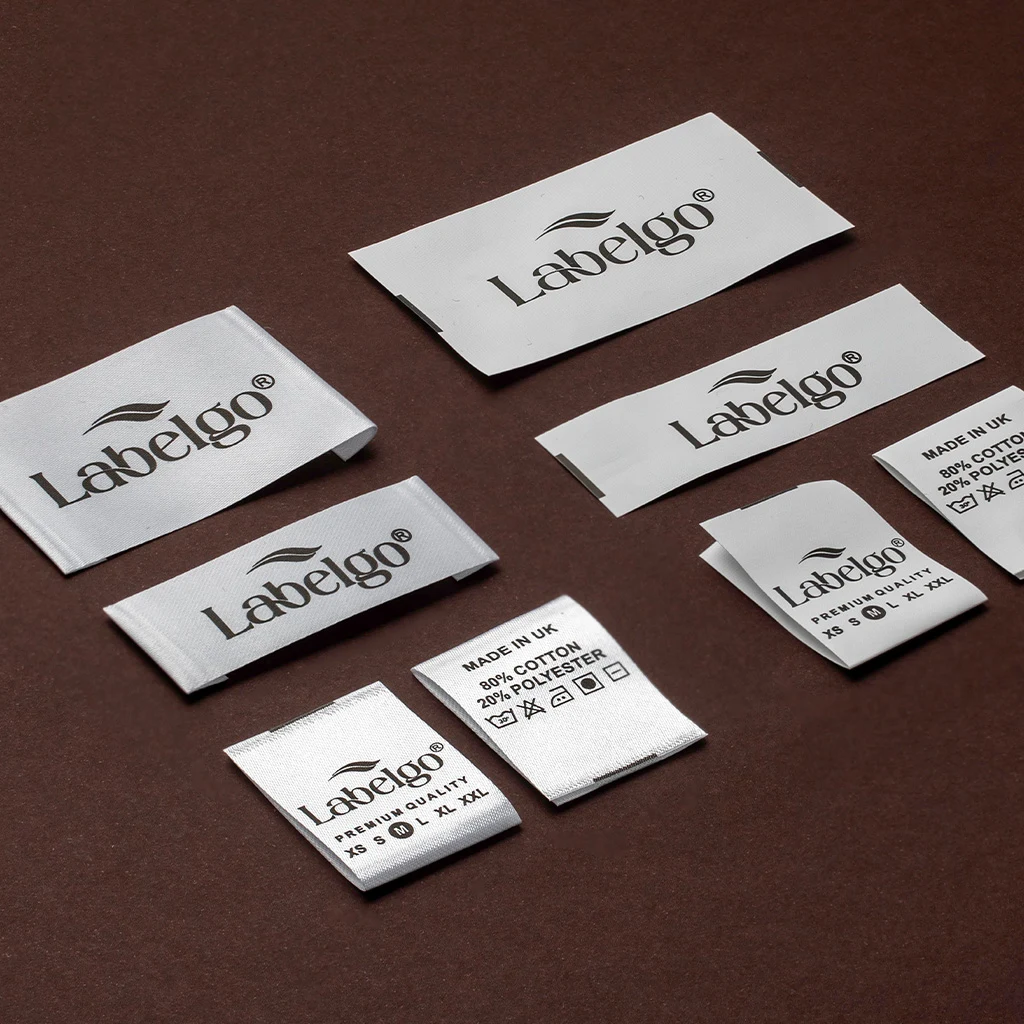
LabelGo Manufacturing: Direct Apparel Branding & Precision Label Production
Combining high-volume industrial weaving capacity with boutique flexibility, LabelGo has established itself over 30+ years as a global benchmark in custom apparel trimmings. Advanced Jacquard looms and textile ink curing lines operate with micromechanical tolerances, ensuring that Custom Size Labels production meets exacting retail compliance standards. Brand founders and sourcing specialists benefit from streamlined digital approvals that keep seasonal product launches strictly on schedule.
Committed to uncompromising garment comfort, LabelGo utilizes exclusively OEKO-TEX® Standard 100 Class 1 certified, skin-safe yarns across all production lines. Advanced ultrasonic thermal edge sealing micro-fuses border fibers, completely eliminating neck itching and skin irritation even on sensitive infant wear. With an accessible minimum order quantity of just 250 pieces (MOQ) alongside massive bulk production capabilities, we ensure rapid 5–7 business day express worldwide delivery backed by dedicated 24/7 technical customer assistance.