
London Sew in Labels should be planned as a UK textile label manufacturing choice by matching garment type, material, fold style, wash resistance, print or weave quality, and brand identity.
This guide covers woven labels, printed labels, care labels, hang tags, size labels, made-in labels, and patch labels for UK-focused decisions. London Sew in Labels supports clearer production decisions.
What Are London Sew In Labels?
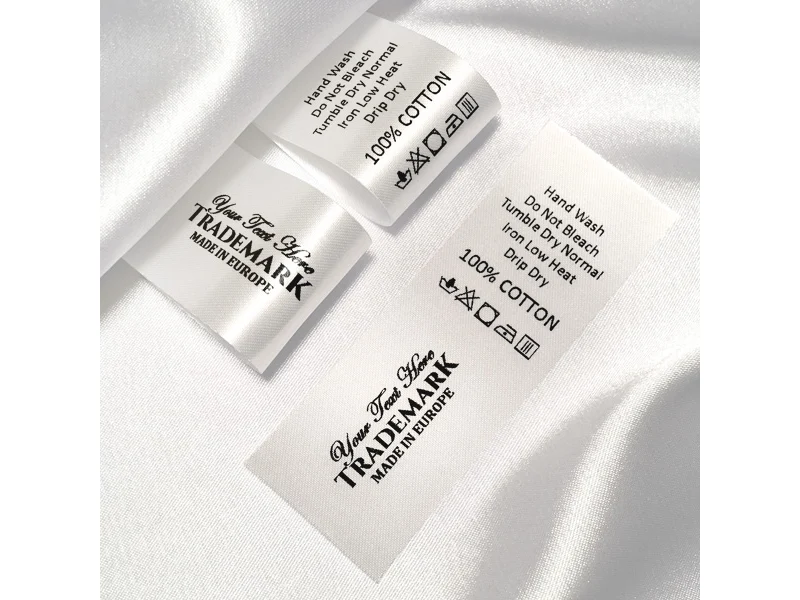
London sew in labels are a type of textile label that are attached directly into garments using sewing techniques, providing essential information such as care instructions and brand details.These labels offer several advantages for UK clothing brands:– Bespoke design: Customised options allow for unique branding. – Proofing process: Digital proof before production ensures accuracy. – Quality control: Rigorous checks ensure the final product meets high standards.London-based manufacturers like LabelGo offer small-batch orders, ensuring each garment receives individual attention. Delivery times are clear and reliable, building trust with UK buyers.Why Choose London Sew In Labels?
London sew in labels are perfect for brands seeking a professional finish and unique branding opportunities. They offer a discreet yet effective way to include essential information, enhancing the overall quality of your garments.These labels can be customised with intricate designs or simple text, allowing you to match them perfectly to your brand identity. The bespoke nature ensures each label is tailored specifically for your needs, making every garment feel like it carries its own personal touch.Digital proofing before production helps avoid any errors and guarantees the final product matches your vision exactly. This attention to detail is crucial in maintaining a strong reputation among UK consumers who value high-quality labelling on their clothing items.London-based manufacturers provide small-batch orders, ensuring each label receives individual care during sewing processes. Clear delivery times are always communicated upfront, fostering trust between buyers and sellers in the competitive UK market.Custom Clothing Label Types Compared
Digital Proofing and Quality Control
Before production at LabelGo, clients receive digital proofs for approval ensuring the final product meets expectations. This step is crucial in maintaining UK buyer confidence through quality control before delivery.LabelGo offers 24/7 support with a London presence, providing clear turnaround times and international shipping options to meet small-batch order needs efficiently.London Sew in Labels
Sew-in labels are ideal for customising garments where a more permanent label is needed. These labels are sewn into clothing during production, ensuring they remain secure and visible over time.Printed labels offer vibrant colours and detailed designs but may not be as durable as woven or sew-in options. They work well for branding and marketing purposes in smaller batches.At LabelGo, we ensure every customised label is carefully analysed to meet UK standards before finalising the design. Our London-based team provides quick turnaround times and flexible shipping solutions tailored to small businesses.Materials, Folds, Finishes and Design Options
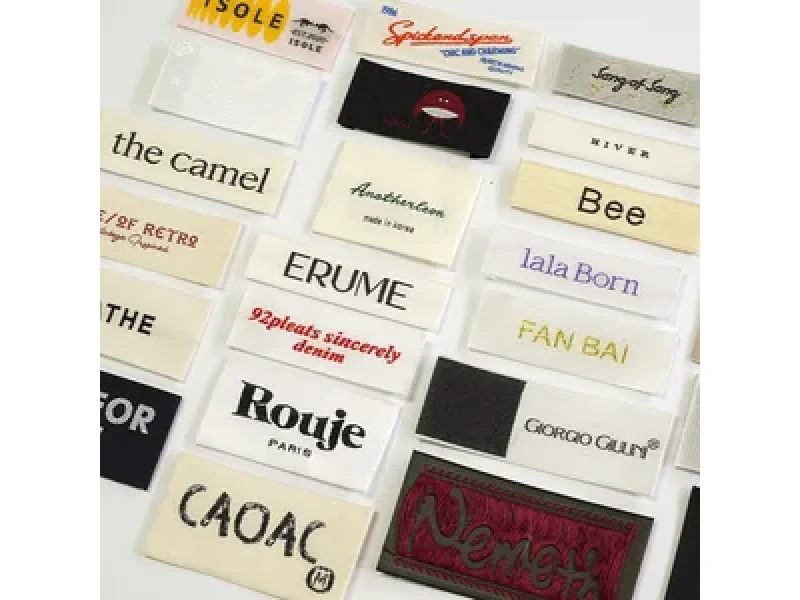
The following table compares material, print or weave quality, use case, and production process for UK textile label manufacturing.
| Criterion | Best use | Check question | Quality expectation |
|---|---|---|---|
| London Sew in Labels | Brand, apparel, and accessory products. | Which information must appear on the product? | Clear, readable, and brand-consistent. |
| Woven label | Premium clothing, outerwear, and accessories. | Are thread detail and wash resistance strong? | Dense weave, clean edge, long life. |
| Printed label | Colour logos, care data, and fast production. | Are colours accurate and readable? | Sharp print, flexible base, stable colour. |
| Care / size label | Washing instructions, size, origin information. | Are symbols and languages clear? | High readability in a small space. |
| Hang tag / patch label | Retail display, collections, brand story. | Does material improve product perception? | Durable stock, clean cut, quality workmanship. |
Readability and Brand Appearance
Clear text on woven labels ensures readability while customised designs enhance brand identity through bespoke artwork proofing before production, ensuring quality control from start to finish. Fibre content details printed directly onto care labels provide essential information for UK buyers, supporting small-batch orders with tailored solutions.Digital proofs help clients visualise their label design accurately, streamlining the order process and reducing turnaround times. With 30+ years of experience in London and Istanbul, LabelGo offers international shipping options that cater to both local and global markets, ensuring delivery clarity and UK buyer confidence through every step of production.How the Custom Label Process Works
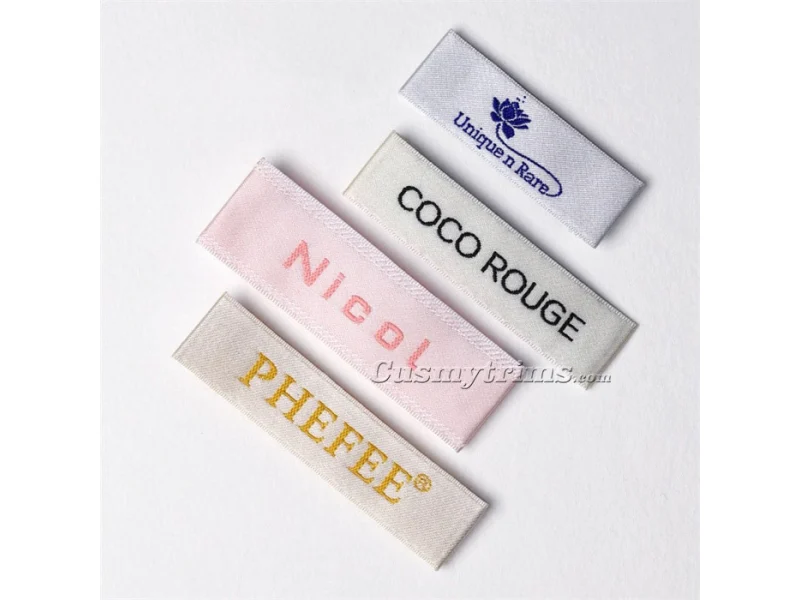
Bespoke label design: We begin with a detailed discussion of your brand identity.
Digital proofing for quality control
We provide digital proofs before production so you can approve the artwork and make any necessary adjustments.
Production process: Once approved, we produce high-quality labels at our centres in London and Istanbul.
Quality assurance checks
Each batch undergoes strict quality control to ensure they meet your standards before packaging.
Delivery options: We offer flexible delivery methods tailored to UK buyers’ needs, ensuring fast turnaround times.
We pride ourselves on clear communication and support every step of the way. Whether you’re a small batch order or a larger supplier, we cater to all with our customised services.
London sew in labels are not just about labelling; they’re about enhancing your brand’s identity through meticulous care labelling and fibre content details that resonate with UK buyers. Trust us for the best results every time.
Creating Your Perfect Label
We analyse your design needs to create a customised label that fits perfectly with your brand’s identity. Our team works closely to ensure every detail is just right, from the choice of colour and font to the placement on your product.Quality control is key; each sew in label undergoes meticulous checks before being packaged for delivery. We offer fast fulfilment options tailored to UK buyers’ needs, ensuring your labels are delivered swiftly and efficiently.How to Choose the Right Label for a UK Clothing Brand
Choosing the right sew in label can make or break your brand’s image and customer satisfaction. A high-quality, customised label not only enhances product appearance but also provides essential care instructions.Bespoke options: Look for suppliers who offer bespoke design services to match your unique branding needs.
Care labelling
A clear, well-designed care label is crucial. It should provide detailed washing and ironing information that aligns with the fabric’s fibre content.
Fibre details: Ensure labels accurately reflect the garment’s material composition for transparency and trust.
Small-batch practicality
For smaller orders, choose a supplier who can handle customised production efficiently without compromising on quality or turnaround times.
Digital proofing: A reliable provider should offer digital proofs before final production to ensure the design meets your exact specifications.
Quality control
A reputable label manufacturer will have robust quality control processes in place, ensuring each sew in label is perfect upon delivery.
UK delivery: Opt for a supplier with reliable UK-based shipping and tracking services to ensure timely arrival of your labels.
By considering these factors, you can select the right sew in label that aligns perfectly with your brand’s identity and meets customer expectations.Label material matters
Choose durable materials for your sew in labels to ensure they last as long as your garments. Opt for eco-friendly fibres if sustainability is a priority.
For deeper UK-focused comparison, you can review London Sew in Labels Wikipedia and London Sew in Labels Google UK.
London Sew in Labels: Your Guide to Customising Textile Products
Sew-in labels are a crucial component of textile products, providing essential information such as care instructions and brand identity. In London, customised sew-in labels offer businesses the opportunity to enhance their product offerings with tailored labelling solutions.
Choosing the Right Material for Your Labels in London
The choice of material is critical when ordering sew-in labels in London. Common options include polyester, nylon, and cotton, each offering different levels of durability and flexibility depending on your specific needs.
Polyester is ideal for outdoor wear due to its weather-resistant properties.
Ensuring Durability: Key Considerations
Durability testing should be a key consideration when ordering sew-in labels in London. This involves assessing the label’s resistance to washing, ironing, and other common textile treatments. A robust test will ensure your labels remain legible even after multiple washes.
Artwork Proofing: The Importance of Quality Control
Before finalising an order for sew-in labels in London, it is essential to review the artwork proof carefully. This step helps catch any errors or inconsistencies early on and ensures that your label design meets all requirements before production begins.
Selecting Finishing Options: Enhancing Your Label’s Appearance
Finishing options can significantly impact the appearance of sew-in labels in London. Common choices include heat sealing, embossing, and screen printing. Heat sealing provides a smooth finish while enhancing durability, making it suitable for high-traffic areas on garments.
The Production Workflow: Streamlining Your Order Process
Understanding the production workflow is crucial when ordering sew-in labels in London. Typically, this process involves design creation, artwork proofing, material sourcing, and final assembly. By staying informed about each stage, you can ensure a smooth order completion.
Material Choice: Factors to Consider
The choice of material for your sew-in labels should consider factors such as the garment's intended use and washing conditions.
For instance, if the label will be frequently exposed to water or heat, materials like polyester may offer better longevity compared to cotton.
Testing Durability: Practical Steps
To test the durability of your sew-in labels in London, you can conduct simple tests such as soaking them in hot water and ironing them.
These basic checks will give you an idea of how well they hold up under typical usage conditions before full-scale production.
Artwork Proofing: A Step-by-Step Guide
The artwork proof is a crucial step that allows for final design approval before mass production begins. Ensure all text, logos, and graphics are correct by carefully reviewing the proof against your original designs.
Any discrepancies should be addressed immediately to avoid costly reprints.
Finishing Options: Exploring Your Choices
The finishing options available can greatly enhance the aesthetic appeal of your sew-in labels in London. For example, heat sealing not only provides a clean finish but also improves label longevity by preventing fraying and peeling off over time.
Production Workflow: Tips for Efficient Order Management
To manage your order efficiently during production, keep track of each stage from design to final assembly in London. Regular communication with the manufacturer can help resolve any issues promptly and ensure timely delivery without compromising quality.
Durability Testing: Practical Considerations
When testing the durability of sew-in labels for your products in London, consider simulating real-world conditions such as repeated washing cycles or exposure to sunlight.
These tests will provide valuable insights into how well your chosen label material performs under various environmental factors.
Artwork Proofing: Ensuring Design Accuracy
To ensure the accuracy of your artwork for sew-in labels in London, use high-resolution images and clear text when submitting designs to manufacturers. This helps prevent any misinterpretations during production that could lead to costly reworks or delays.
Finishing Options: Enhancing Label Aesthetics
Selecting the right finishing options for your sew-in labels in London can significantly improve their overall appearance and functionality.
For instance, adding a subtle embossment effect not only makes the label stand out but also gives it an extra layer of protection against wear.
Production Workflow: Optimising Order Efficiency
To optimise order efficiency during production for sew-in labels in London, consider implementing a streamlined workflow that includes regular quality checks and feedback loops. This approach helps identify potential bottlenecks early on and ensures smooth progress through each stage of manufacturing.
Notes for clearer production decisions
What Are London Sew In Labels? should be reviewed through product use, brand presentation, and durability requirements. For London Sew in Labels, the right choice depends on visual quality, wash resistance, contact with the garment, and how the label will perform during daily use.
The choice between woven labels, printed labels, care labels, size labels, and hang tags depends on material, readability, and product positioning. Before production, size, colour, base material, fold style, and sewing area should be confirmed.
Quality control should review text clarity, edge finish, colour consistency, and surface durability together. Sample approval reduces mistakes before full production and protects the brand presentation.
Lead time, quantity, product placement, and packaging needs should be written clearly. This helps the production team prepare the label for the right product group and use case.
Notes for clearer production decisions
What Are London Sew In Labels? should be reviewed through product use, brand presentation, and durability requirements. For London Sew in Labels, the right choice depends on visual quality, wash resistance, contact with the garment, and how the label will perform during daily use.
The choice between woven labels, printed labels, care labels, size labels, and hang tags depends on material, readability, and product positioning. Before production, size, colour, base material, fold style, and sewing area should be confirmed.
Quality control should review text clarity, edge finish, colour consistency, and surface durability together. Sample approval reduces mistakes before full production and protects the brand presentation.
Lead time, quantity, product placement, and packaging needs should be written clearly. This helps the production team prepare the label for the right product group and use case.
What Are Custom Clothing Labels? should be reviewed through product use, brand presentation, and durability requirements. For London Sew in Labels, the right choice depends on visual quality, wash resistance, contact with the garment, and how the label will perform during daily use.
The choice between woven labels, printed labels, care labels, size labels, and hang tags depends on material, readability, and product positioning. Before production, size, colour, base material, fold style, and sewing area should be confirmed.
Quality control should review text clarity, edge finish, colour consistency, and surface durability together. Sample approval reduces mistakes before full production and protects the brand presentation.
Lead time, quantity, product placement, and packaging needs should be written clearly. This helps the production team prepare the label for the right product group and use case.
Custom Clothing Label Types Compared should be reviewed through product use, brand presentation, and durability requirements. For London Sew in Labels, the right choice depends on visual quality, wash resistance, contact with the garment, and how the label will perform during daily use.
The choice between woven labels, printed labels, care labels, size labels, and hang tags depends on material, readability, and product positioning. Before production, size, colour, base material, fold style, and sewing area should be confirmed.
Quality control should review text clarity, edge finish, colour consistency, and surface durability together. Sample approval reduces mistakes before full production and protects the brand presentation.
Lead time, quantity, product placement, and packaging needs should be written clearly. This helps the production team prepare the label for the right product group and use case.
Textile Label Comparison Table should be reviewed through product use, brand presentation, and durability requirements. For London Sew in Labels, the right choice depends on visual quality, wash resistance, contact with the garment, and how the label will perform during daily use.
The choice between woven labels, printed labels, care labels, size labels, and hang tags depends on material, readability, and product positioning. Before production, size, colour, base material, fold style, and sewing area should be confirmed.
Quality control should review text clarity, edge finish, colour consistency, and surface durability together. Sample approval reduces mistakes before full production and protects the brand presentation.
Lead time, quantity, product placement, and packaging needs should be written clearly. This helps the production team prepare the label for the right product group and use case.
Materials, Folds, Finishes and Design Options should be reviewed through product use, brand presentation, and durability requirements. For London Sew in Labels, the right choice depends on visual quality, wash resistance, contact with the garment, and how the label will perform during daily use.
The choice between woven labels, printed labels, care labels, size labels, and hang tags depends on material, readability, and product positioning. Before production, size, colour, base material, fold style, and sewing area should be confirmed.
Quality control should review text clarity, edge finish, colour consistency, and surface durability together. Sample approval reduces mistakes before full production and protects the brand presentation.
Lead time, quantity, product placement, and packaging needs should be written clearly. This helps the production team prepare the label for the right product group and use case.
How the Custom Label Process Works should be reviewed through product use, brand presentation, and durability requirements. For London Sew in Labels, the right choice depends on visual quality, wash resistance, contact with the garment, and how the label will perform during daily use.
The choice between woven labels, printed labels, care labels, size labels, and hang tags depends on material, readability, and product positioning. Before production, size, colour, base material, fold style, and sewing area should be confirmed.
Quality control should review text clarity, edge finish, colour consistency, and surface durability together. Sample approval reduces mistakes before full production and protects the brand presentation.
Lead time, quantity, product placement, and packaging needs should be written clearly. This helps the production team prepare the label for the right product group and use case.
How to Choose the Right Label for a UK Clothing Brand should be reviewed through product use, brand presentation, and durability requirements. For London Sew in Labels, the right choice depends on visual quality, wash resistance, contact with the garment, and how the label will perform during daily use.
The choice between woven labels, printed labels, care labels, size labels, and hang tags depends on material, readability, and product positioning. Before production, size, colour, base material, fold style, and sewing area should be confirmed.
Quality control should review text clarity, edge finish, colour consistency, and surface durability together. Sample approval reduces mistakes before full production and protects the brand presentation.
Lead time, quantity, product placement, and packaging needs should be written clearly. This helps the production team prepare the label for the right product group and use case.
Frequently Asked Questions should be reviewed through product use, brand presentation, and durability requirements. For London Sew in Labels, the right choice depends on visual quality, wash resistance, contact with the garment, and how the label will perform during daily use.
The choice between woven labels, printed labels, care labels, size labels, and hang tags depends on material, readability, and product positioning. Before production, size, colour, base material, fold style, and sewing area should be confirmed.
Quality control should review text clarity, edge finish, colour consistency, and surface durability together. Sample approval reduces mistakes before full production and protects the brand presentation.
Lead time, quantity, product placement, and packaging needs should be written clearly. This helps the production team prepare the label for the right product group and use case.
How to Choose the Right Textile Label for UK Apparel and Fashion Products should be reviewed through product use, brand presentation, and durability requirements. For London Sew in Labels, the right choice depends on visual quality, wash resistance, contact with the garment, and how the label will perform during daily use.